We headed straight from the St. John ferry terminal to St. Andrew’s. First stop, before setting up camp, was the Blockhouse historical site.
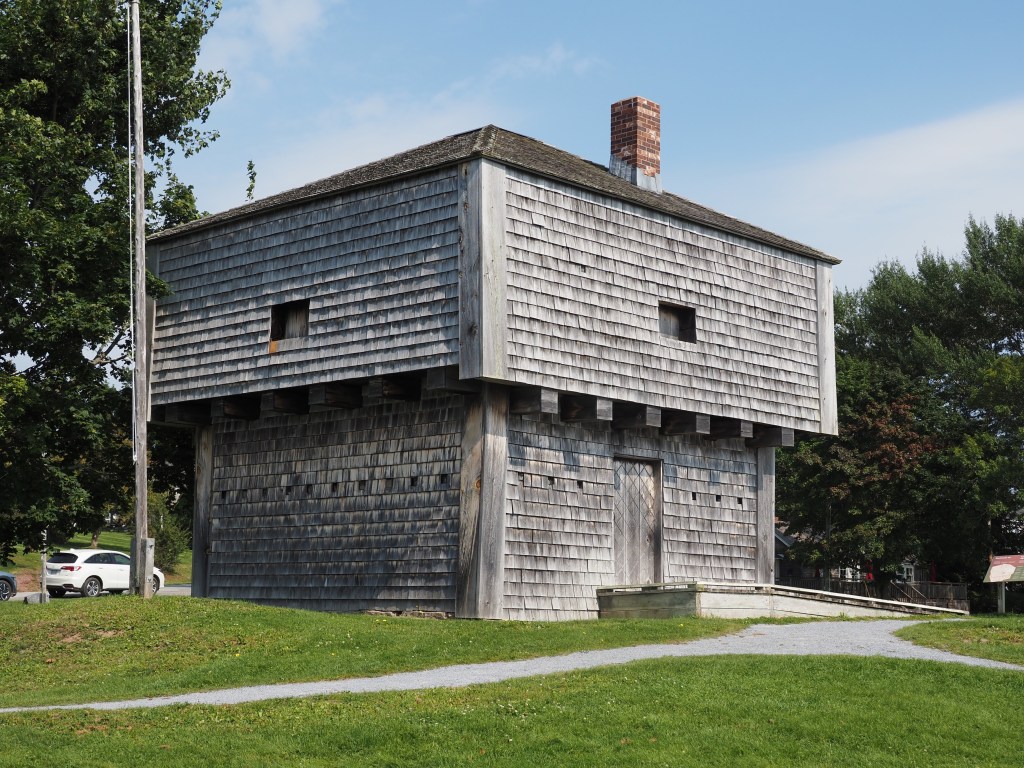
These Blockhouses were put in place to defend St. Andrews from raiding Americans – both army and privateers – during the war of 1812.
Interesting design feature – spaces in the overhangs, between the joists, where they could fire down on anyone trying to attack.
I don’t think the blockhouses saw much action, otherwise they’d probably all be charcoal.
Then it was on to the campsite at St. Andrew’s. Very nice spot.
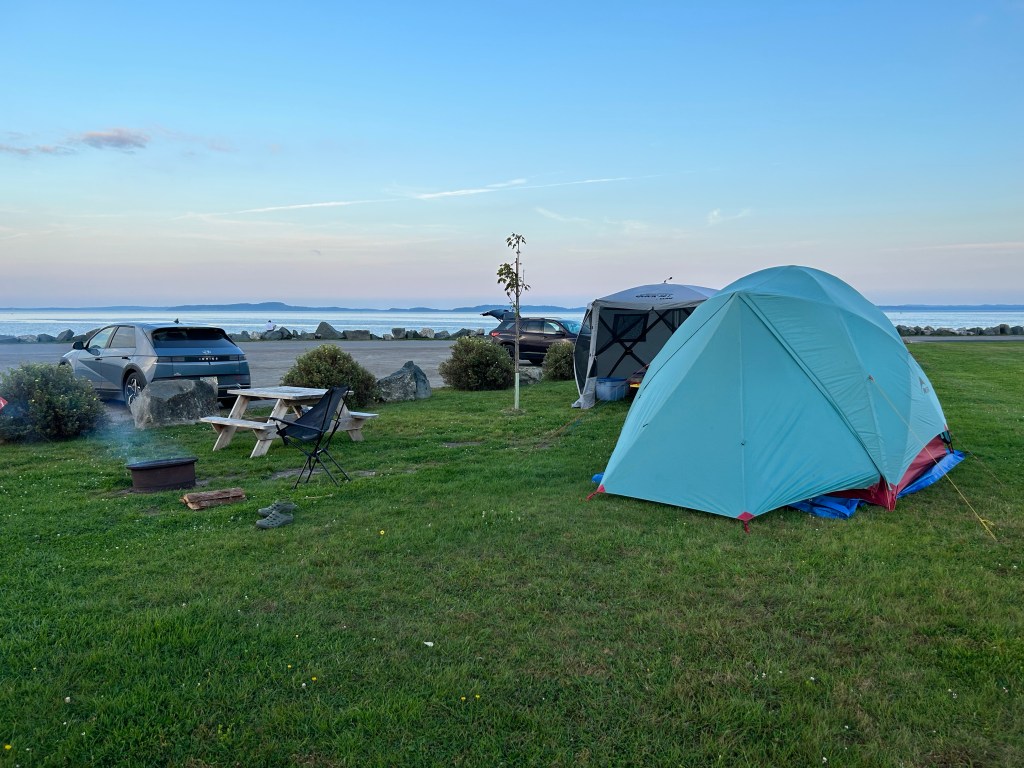
We’ve been taking notice of different approaches to camping. We’ve seen a lot of impressive setups, but this one was special:
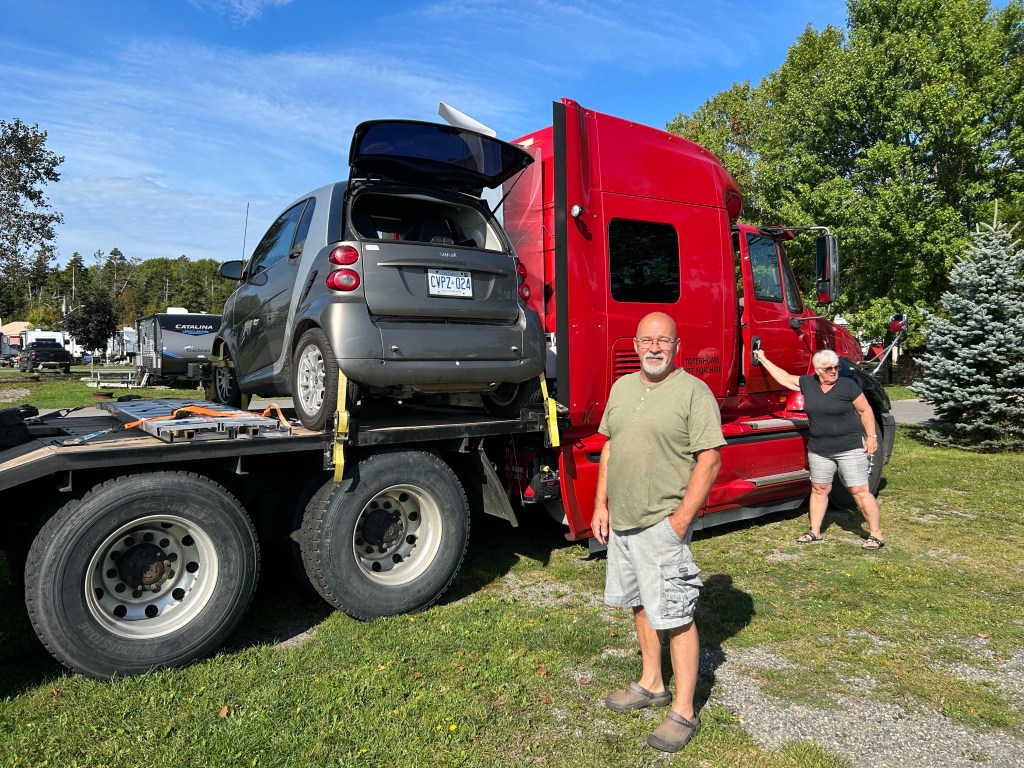
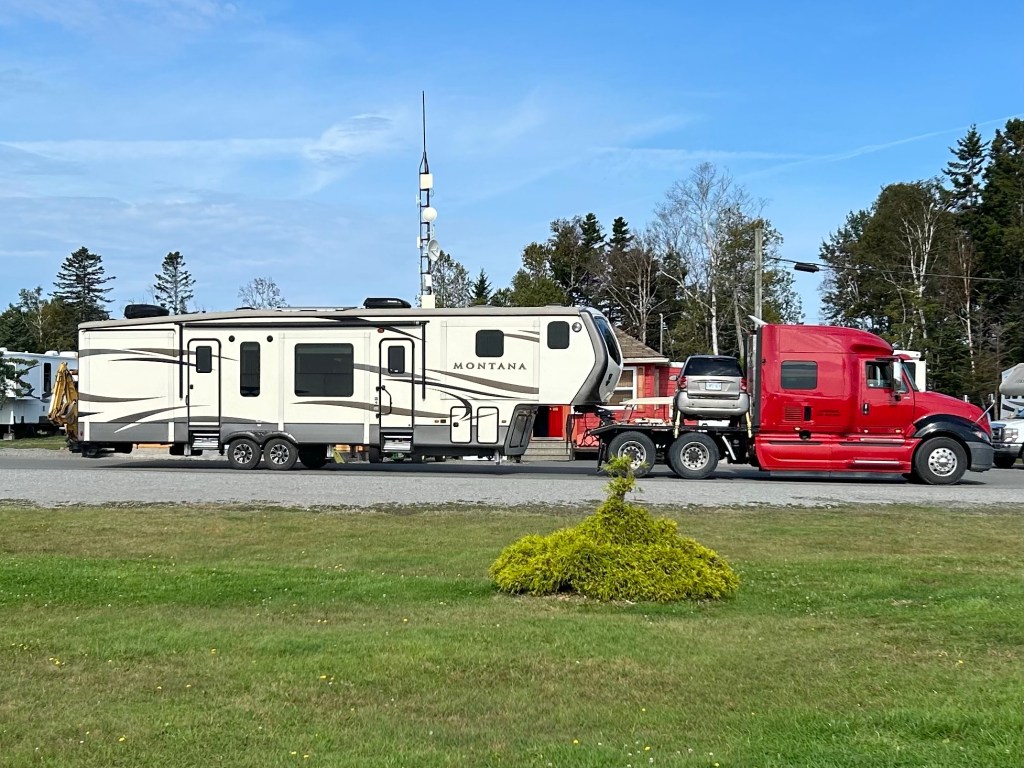
Super nice guy from near Ottawa. Paid $30k for the truck, and gets around 9 mpg towing the trailer. Uses a couple of steel reinforced ramps to load the Mini on. Not our style, but pretty genius if you ask me.
It was a bit last minute, but we decided to go to Ministers Island. This island you can drive to – it’s in the Bay of Fundy, and at low tide the isthmus is high and dry. This was the queue to get across.
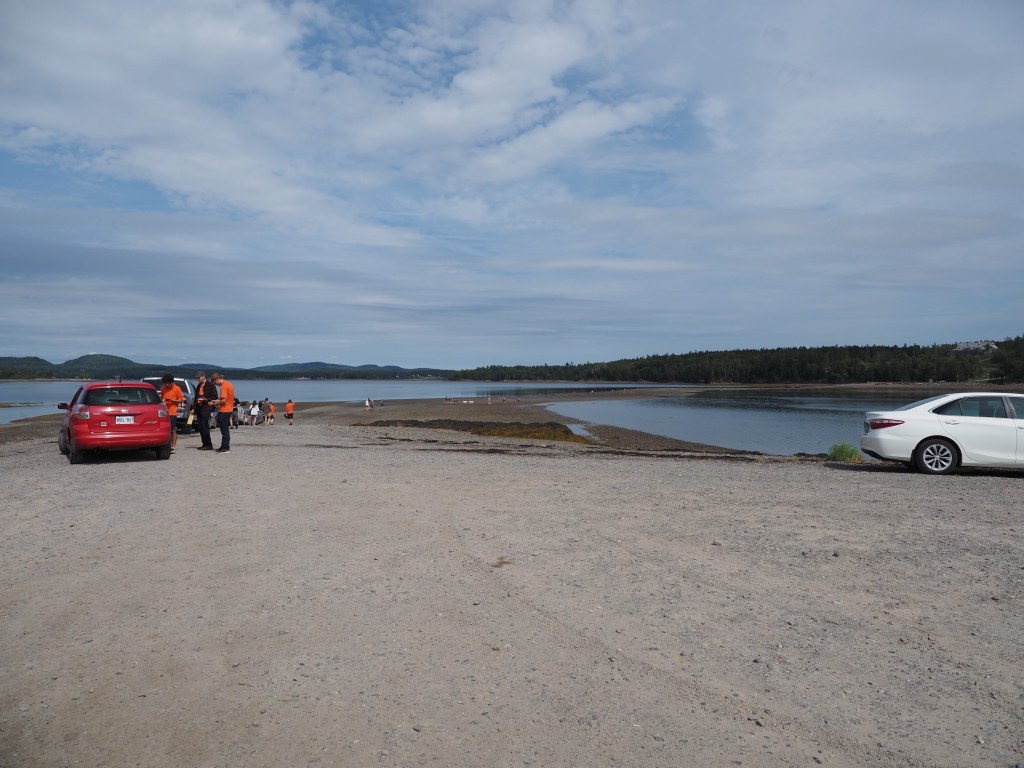
The guys in the orange shirts work at the Van Horne Estate – a National Historic Site.
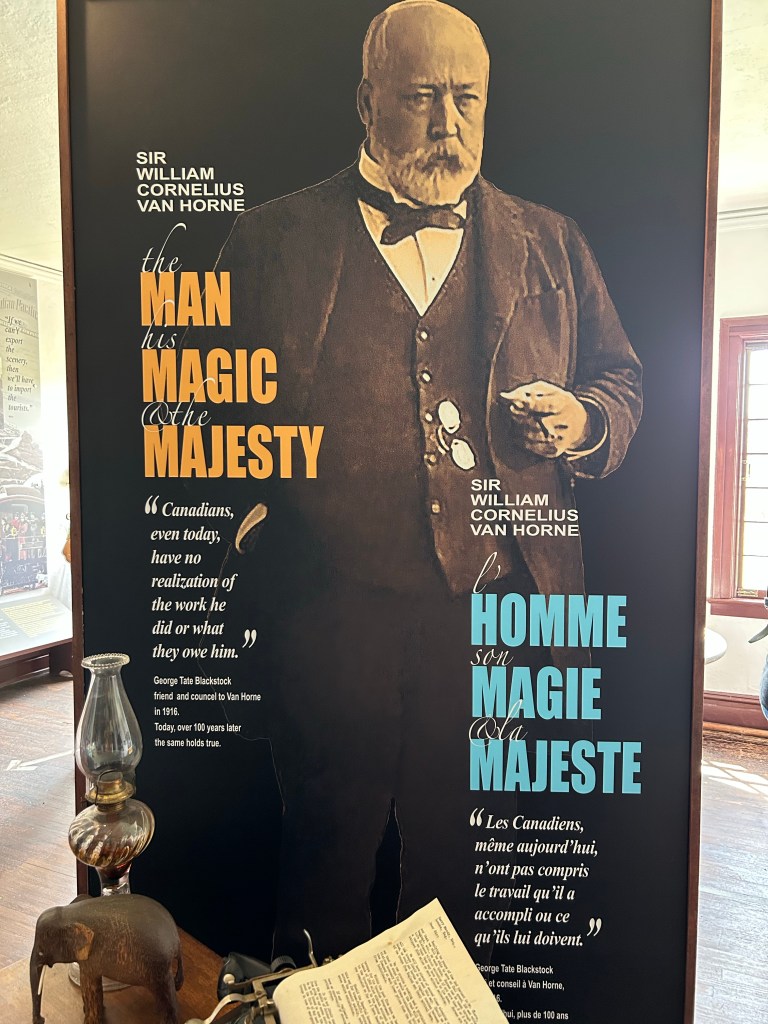
Coincidentally, I had been reading Pierre Berton’s The National Dream and The Last Spike which chronicle the building of the CPR. I was almost to the spot where construction starts to take off under the leadership of an American named William Cornelius Van Horne.
Long story short, Van Horne got the railway completed in 5 years – a full 5 years ahead of schedule. And for that, he earned a million dollar bonus.
Ministers Island was one of Van Horne’s summer homes, and one of two working farms that he came to own. Here is a view of the barn from the crossing point.
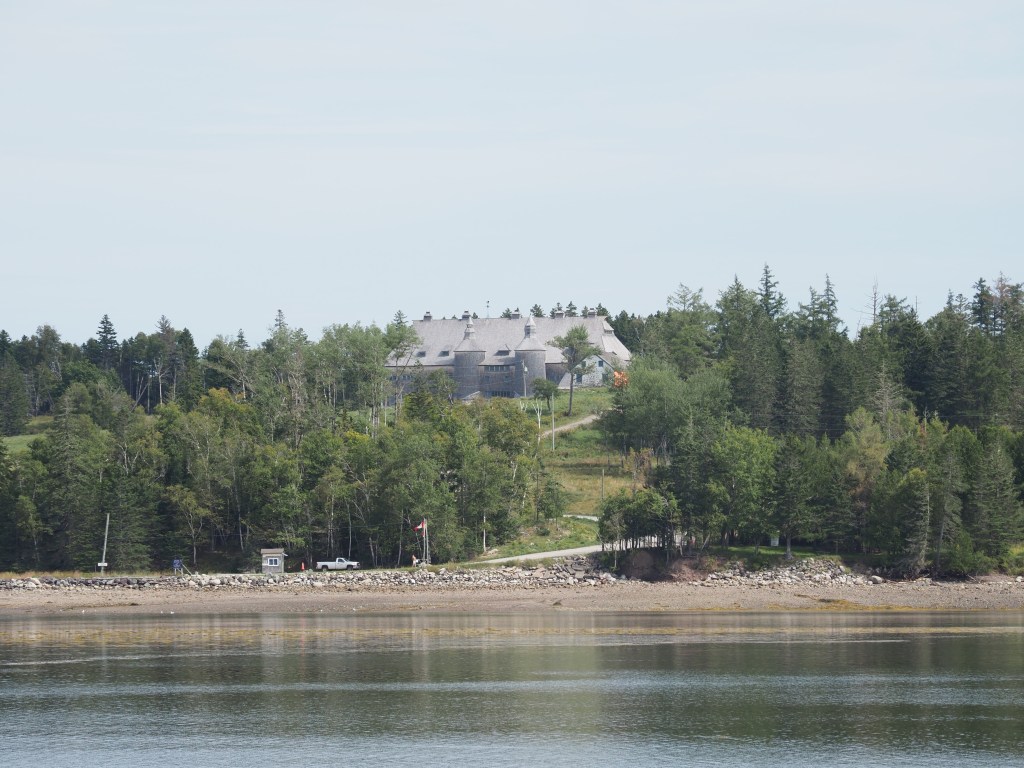
His obsession with efficiency extended beyond railway management. As an example, he once got annoyed when his farm workers stopped what they were doing to greet him, so he ordered the barn windows to be raised so they wouldn’t see him coming. (And the window raising was completed in one day.)
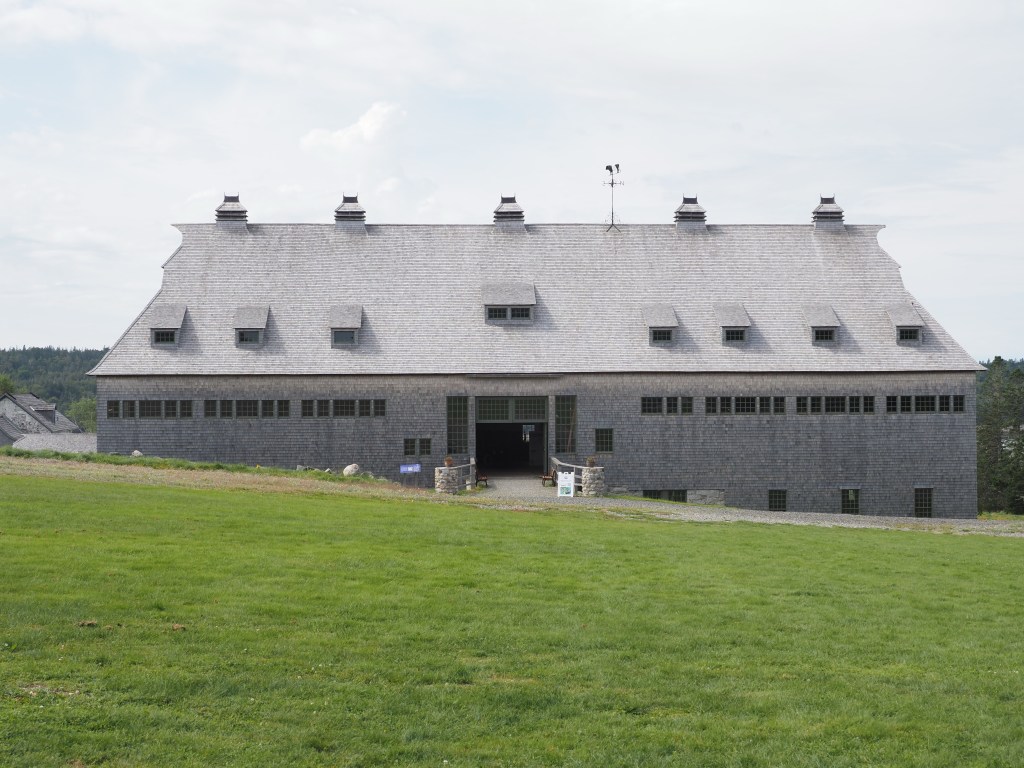
Here is the main house. It’s pretty impressive – well worth visiting.
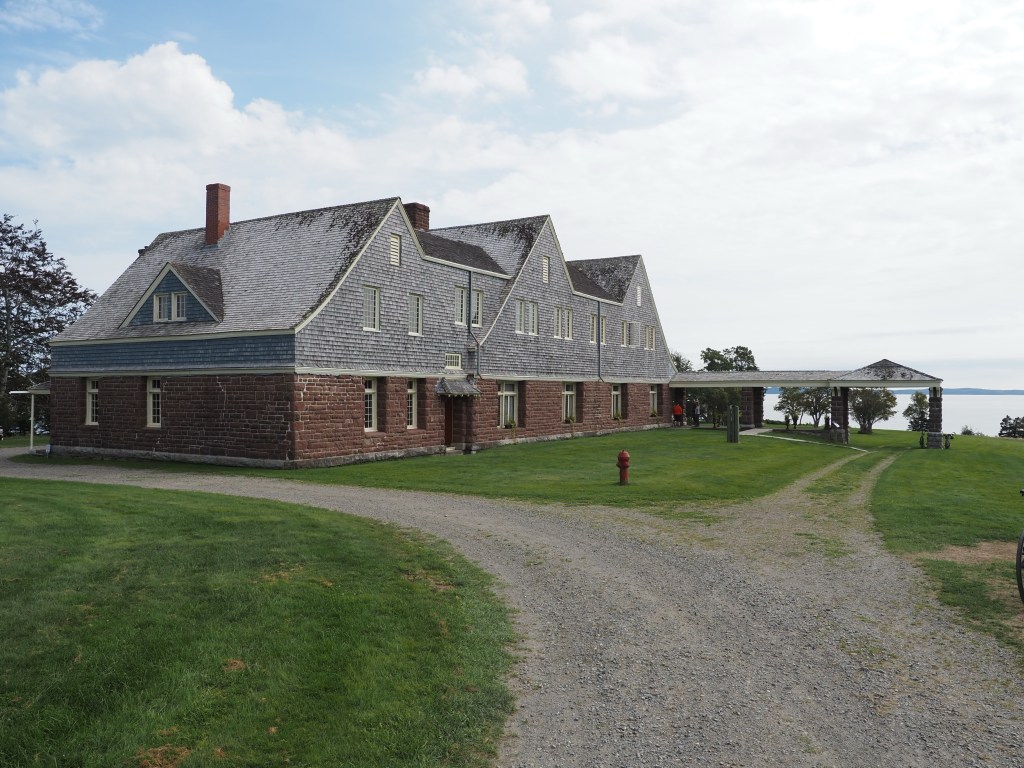
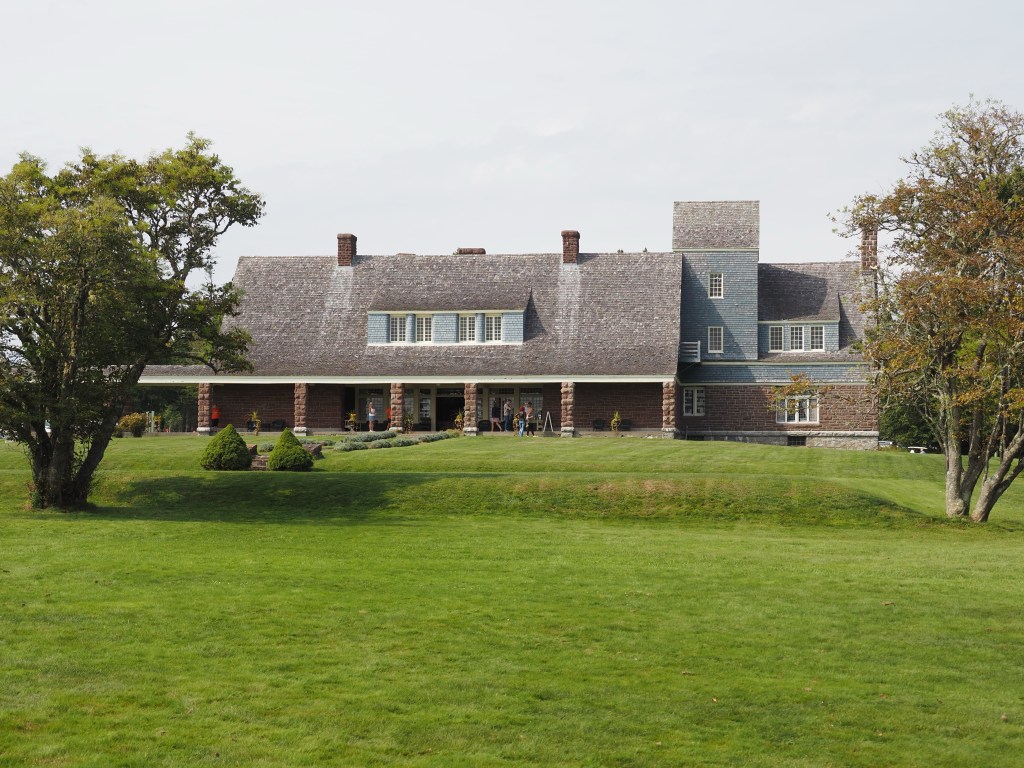
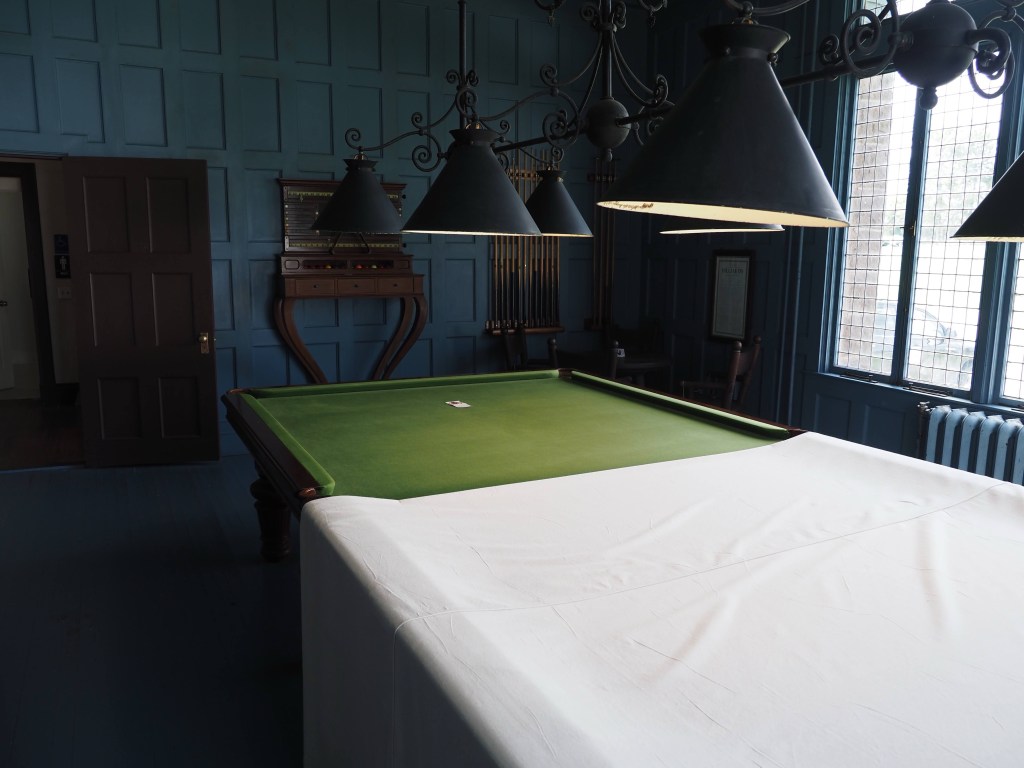
Van Horne apparently needed very little sleep. He felt it was a “bad habit” and was known to play poker all night, and then easily put in a whole days work. Along with poker, he was a master chef, an accomplished painter, and he was probably a decent billiards player.
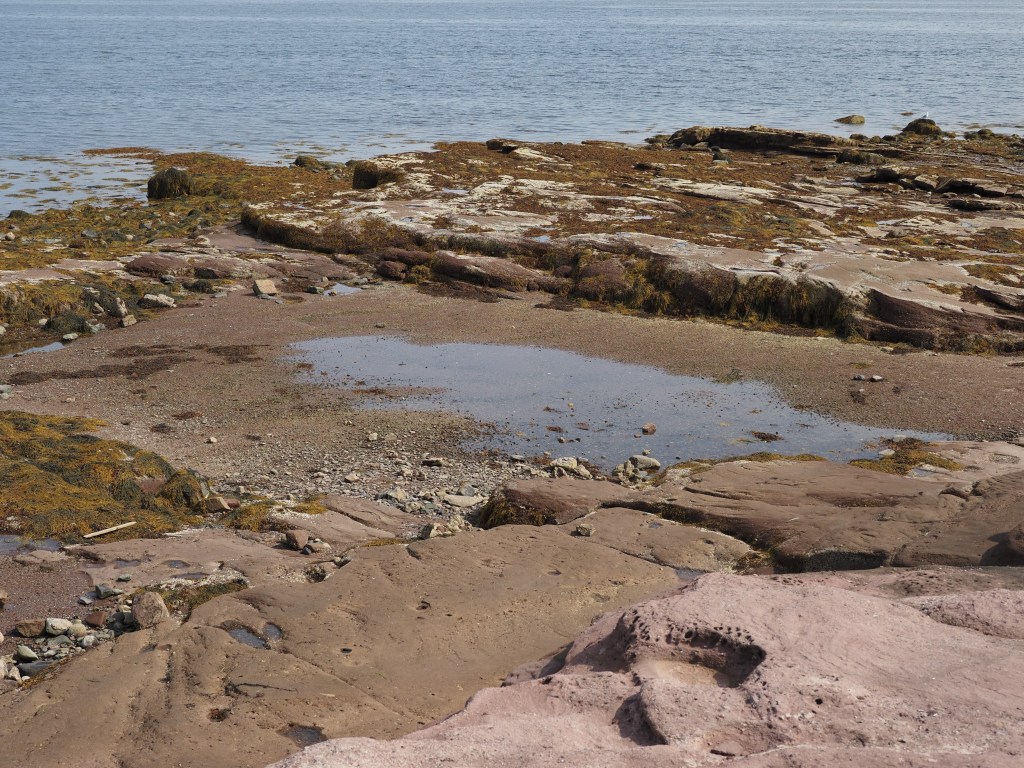
Here’s some smart thinking. Van Horne had building stone quarried from the beach. This created a swimming pool when the tide went out. Pretty sure this was the spot. It has filled in with sand and gravel over the years.
This is the bath house, overlooking the pool.
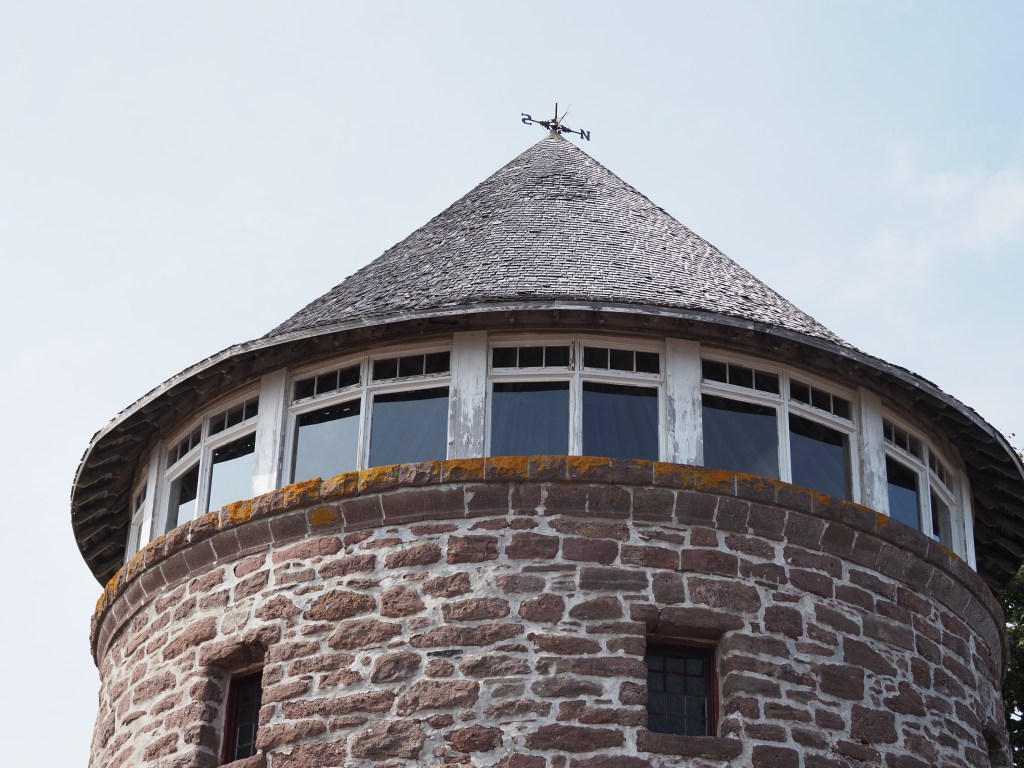
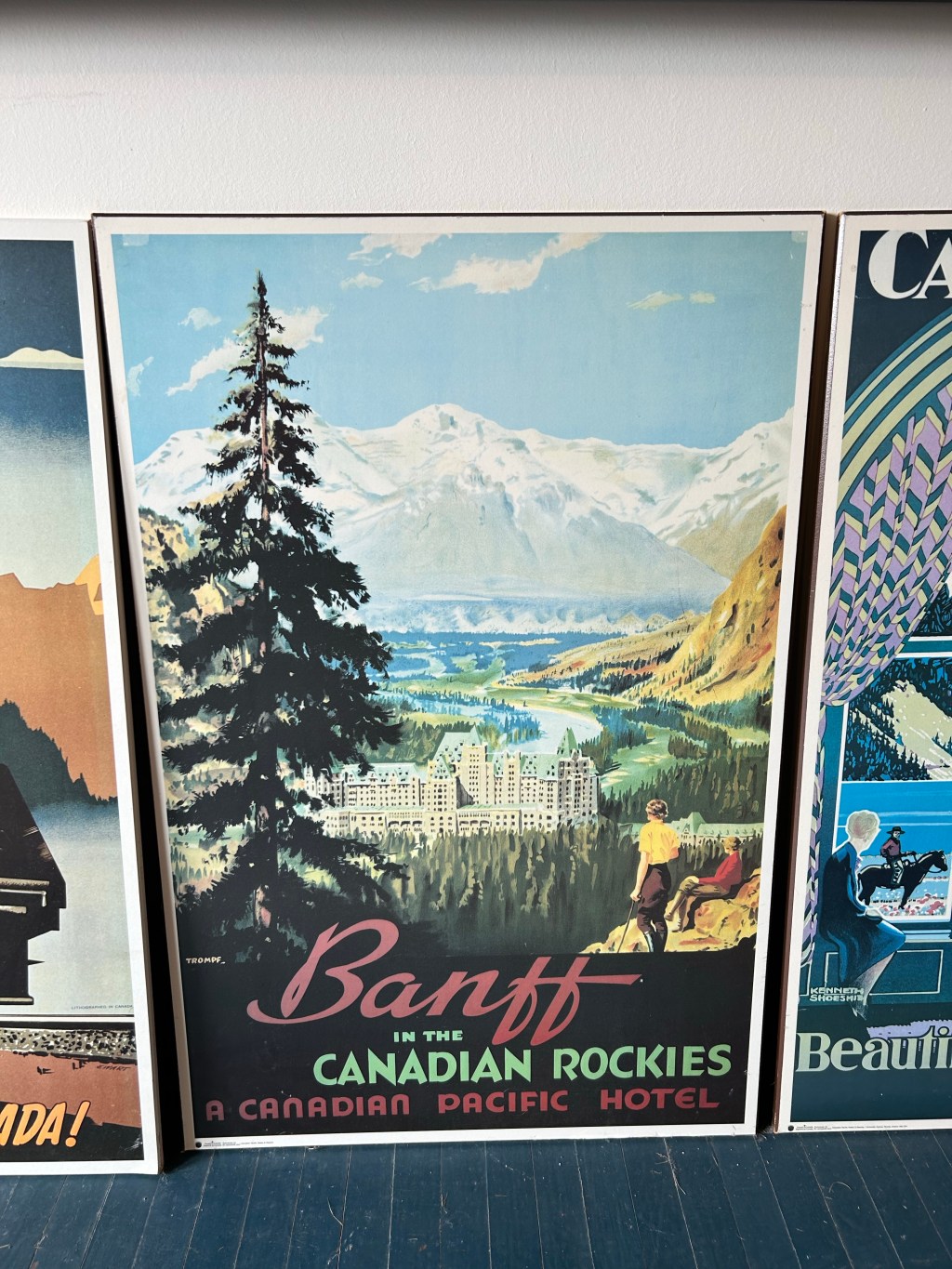
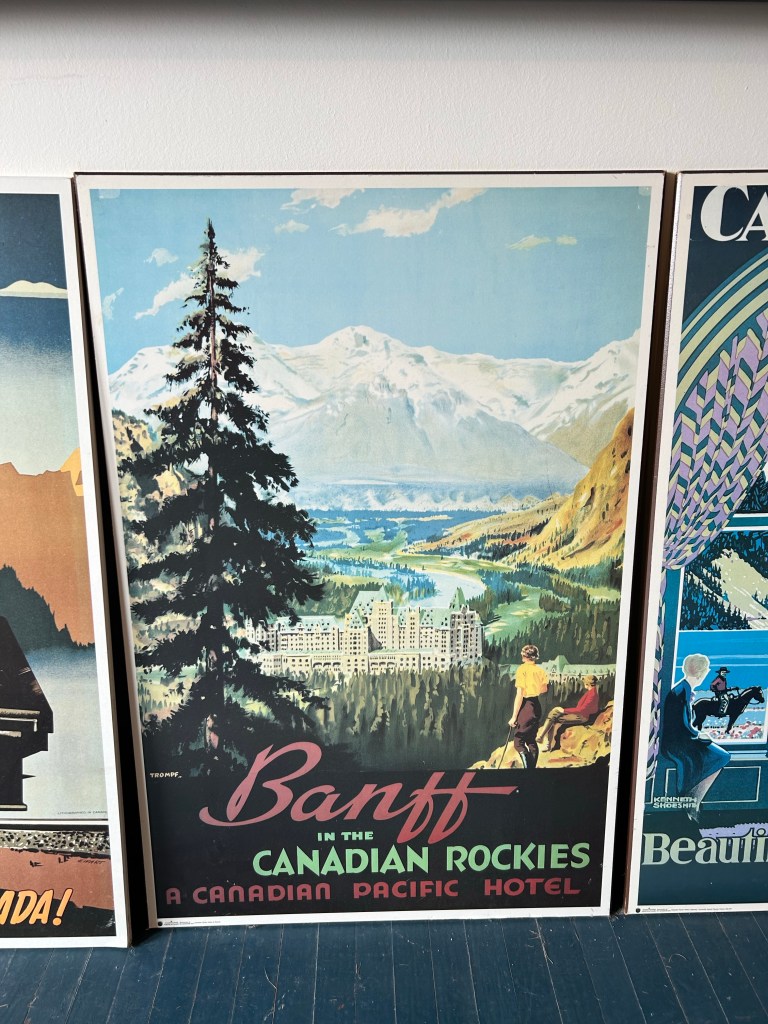
One thing we really appreciate was that Van Horne pushed hard to establish the Canadian National Park system. Of course, it was no surprise that many of those parks, beginning with Banff, were adjacent to the CPR. Can’t blame him for that. And the CPR developed amazing hotels in those parks. The Banff Springs is one of our favourites.
He was an America turned Canadian, and the country would have been very different without him.
That evening we had a nice dinner in St. Andrews, at the Chandler Room, before returning to the campsite and settling in. Just before the heavens opened again.
The next day, the rain subsided and we packed up a wet tent and headed over to Campobello Island.
 Two Sore Backs
Leave a comment