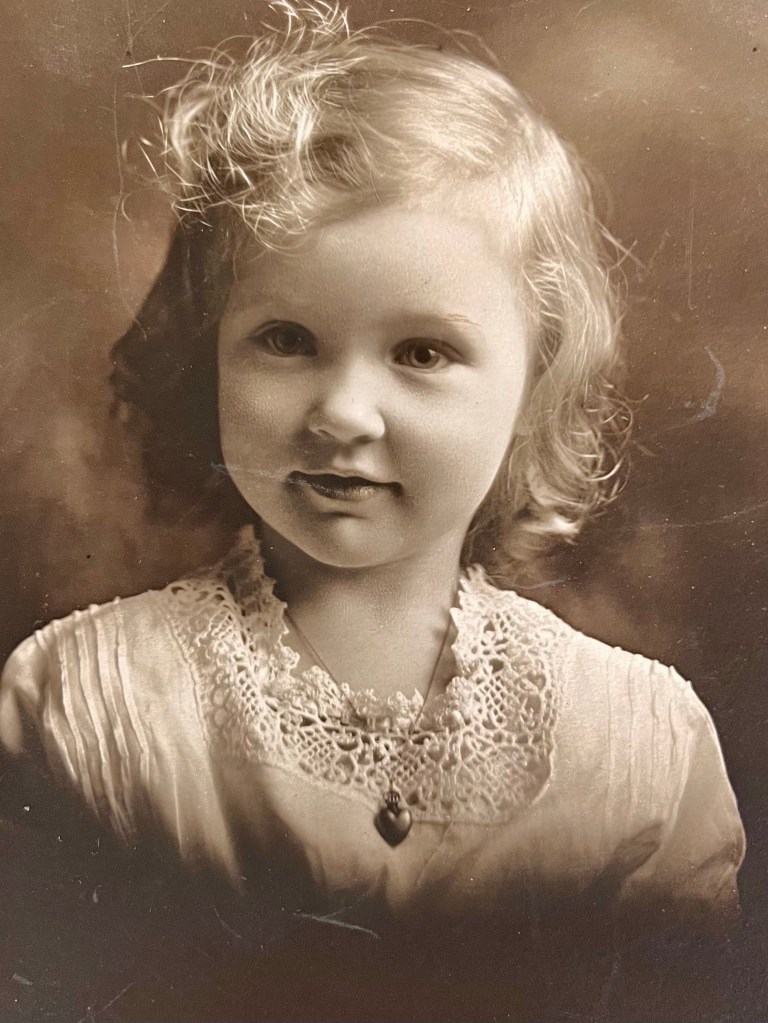
My grandmother grew up in Canso so this place has always held a fascination: reading her colourfully written memoirs heightened my curiosity. So visiting Canso was always going to be part of this trip.
We’ve already written about visiting Maynard in Hadleyville / Bohlston and the music at Stanfest. While in Canso we also hit the tourist sites. It was a busy three days.
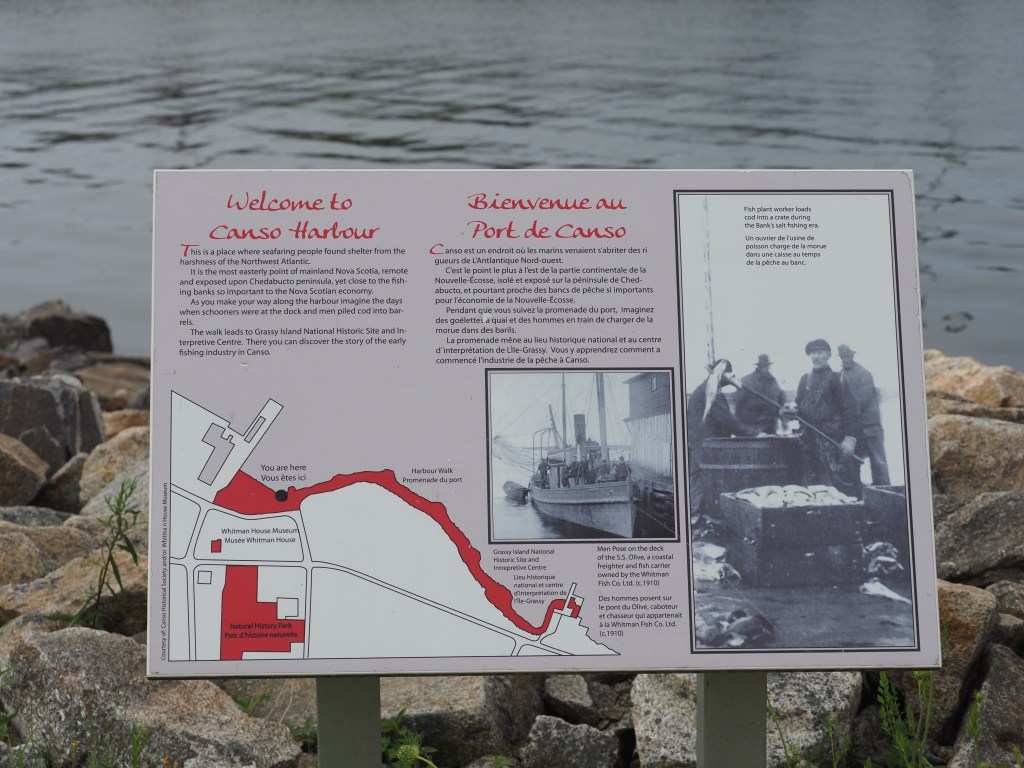
Canso Islands National Historic Site has an excellent interpretation centre explaining the fishing trade. (And free slow EV chargers-so we took advantage.). The Mi’kmaq were the first fishers. And the Canso Islands were perfect for drying fish. The fish were plentiful so the French arrived in the 16th century. A fort was built on Grassy Island (one of the Canso Islands). Control seemed to go back and forth between the English and French/Mi’kmaq for a century or two. Canso’s location between French held Louisbourg on Cape Breton and English held Annapolis Royal further south made it a strategic target. Usually the British prevailed but they got tired of maintaining and rebuilding the fort so it was abandoned.
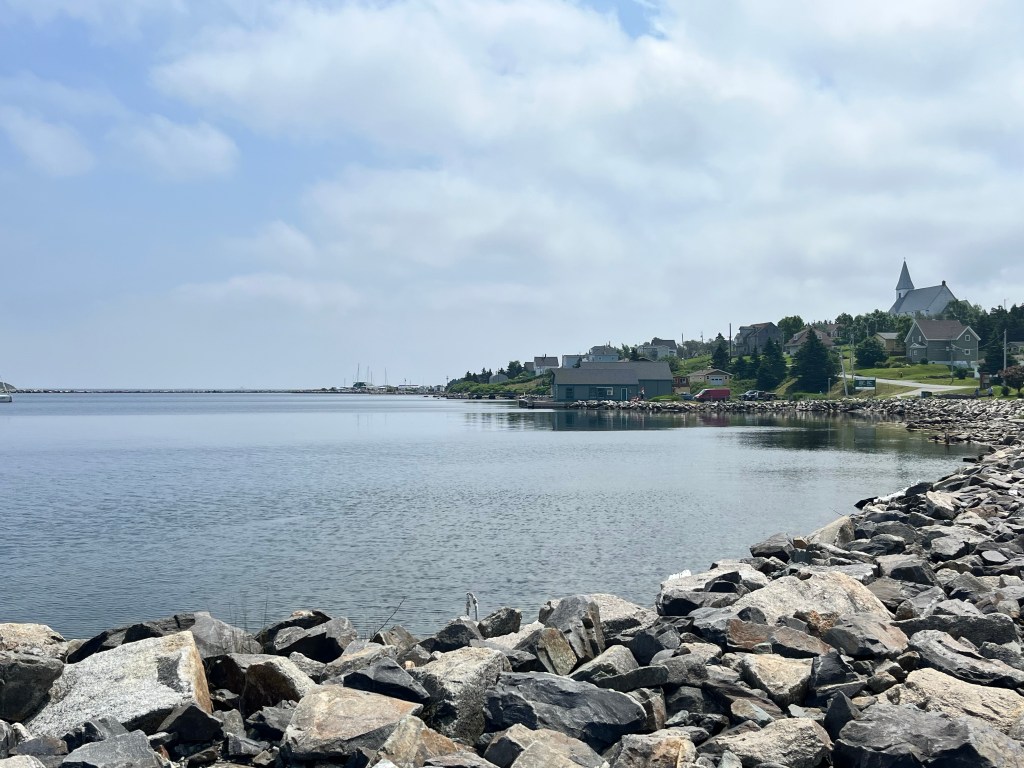
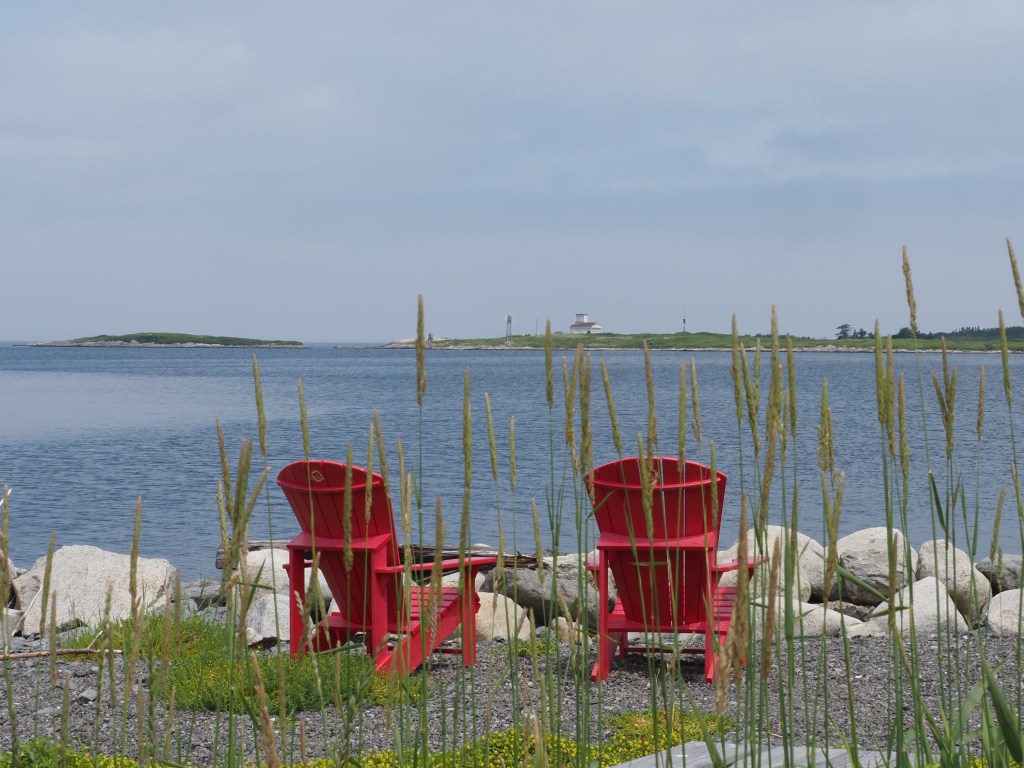
Unfortunately there was an issue with Parks Canada’s boat so a trip out to view the fort’s remnants wasn’t possible. From shore the island looked like a lovely spot for a picnic. For the next visit.
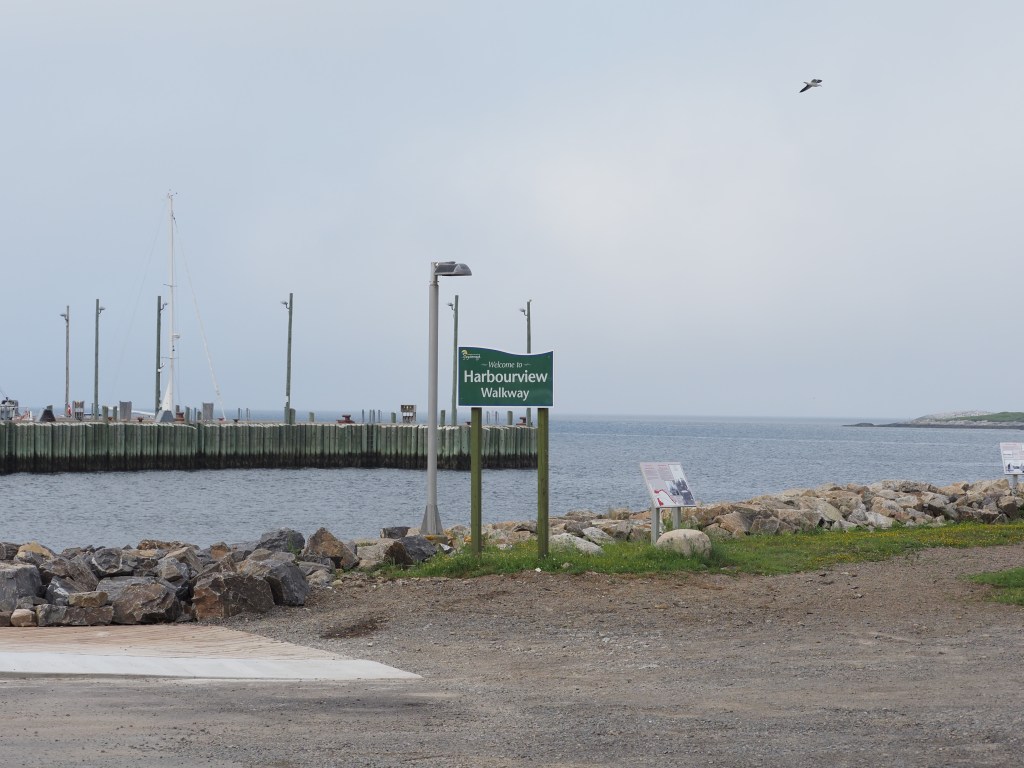
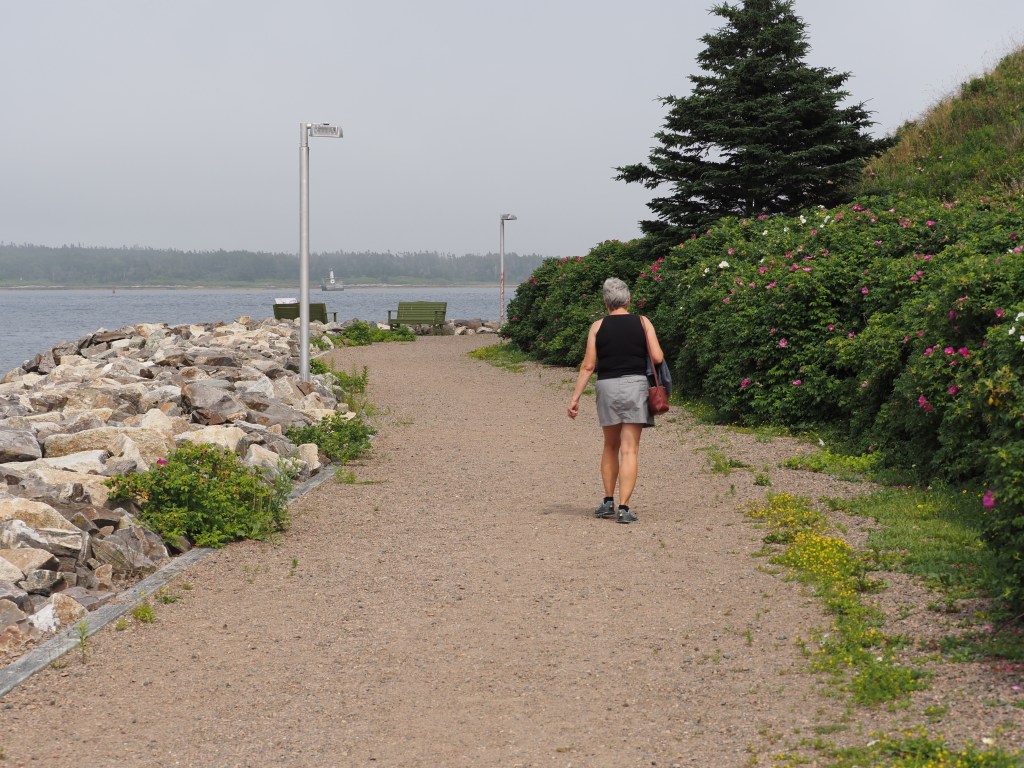
It was a beautiful day. Next we took the Canso Harbourview Walkway down to the Whitman House (Canso Museum). We met Melissa – the curator and she promised a tour at 2pm. (I had visited Canso previously in 2018, but the museum had been closed for the season and the weather foggy and wet.)
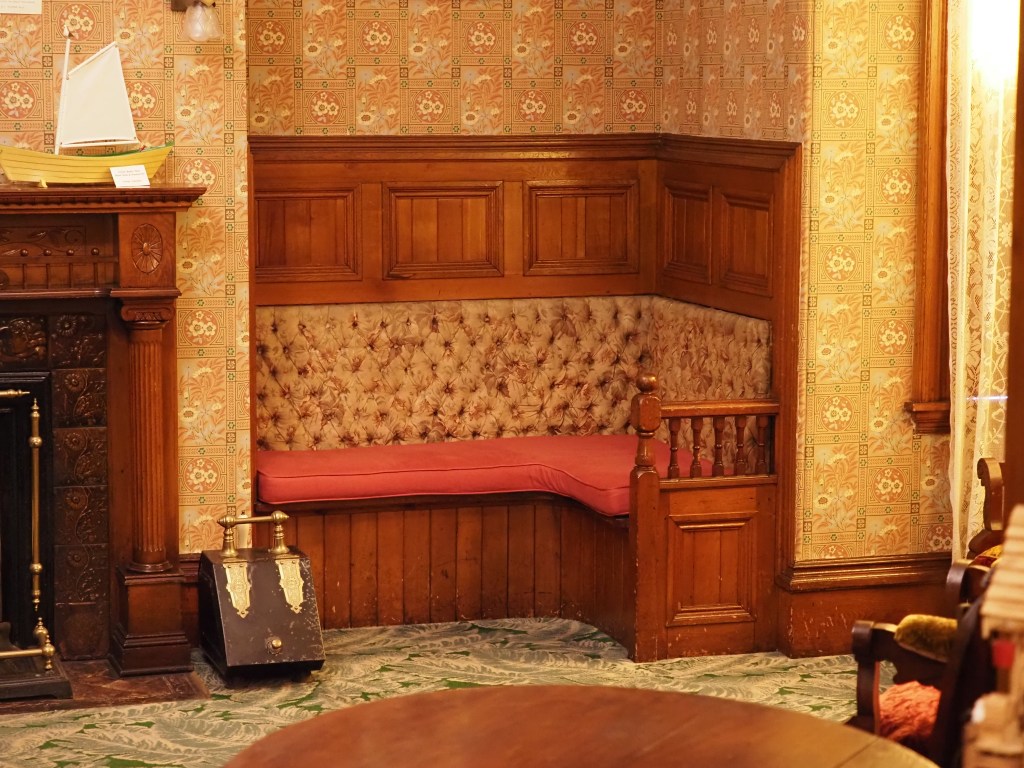
The Whitman House museum was owned by the successful fish processor and merchant C.H. Whitman. This home was the grandest in the town. In the late 1800s Canso continued to prosper from the fishery. Walking through the home you realize the wealth a fish producer / merchant could amass.
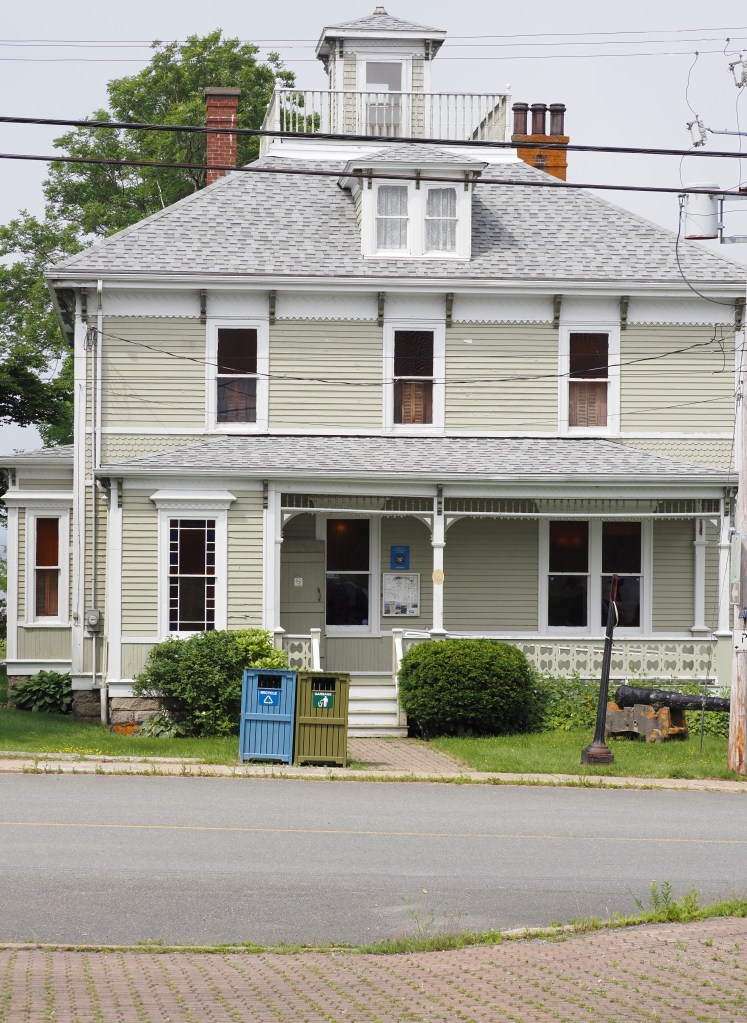
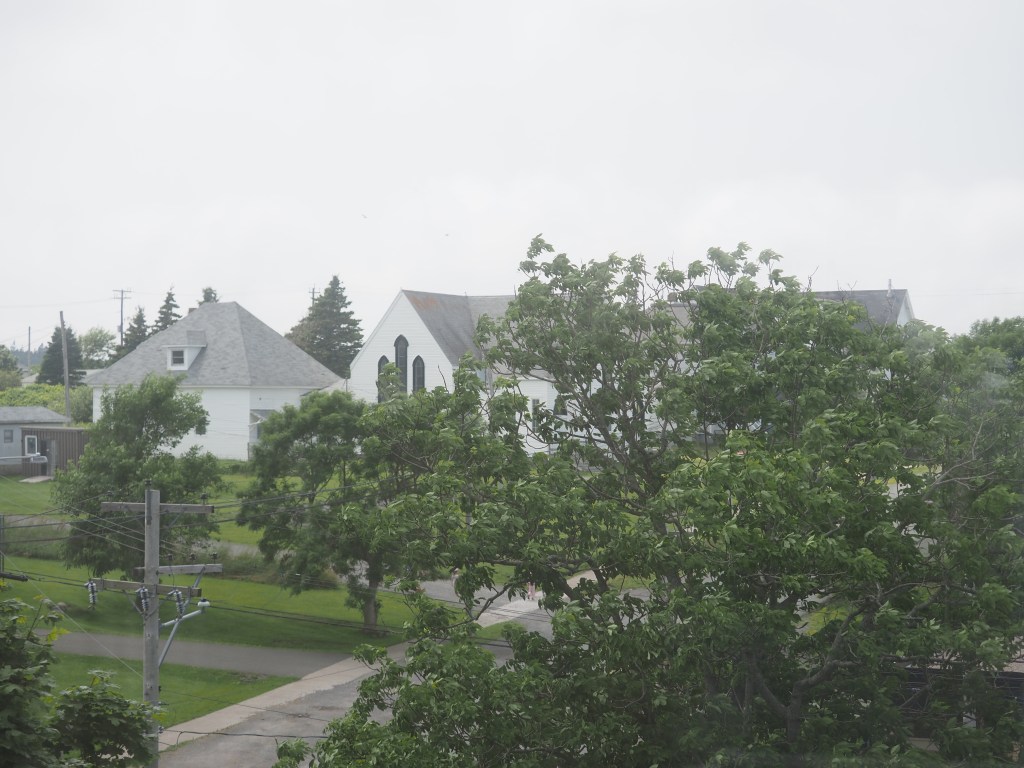
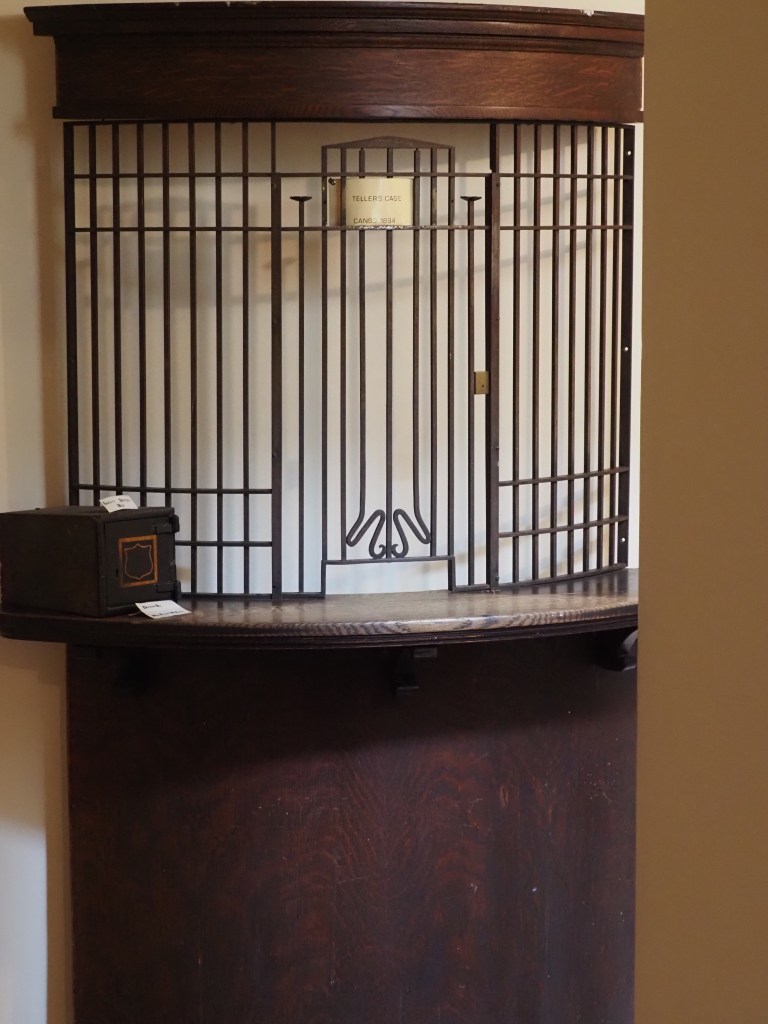
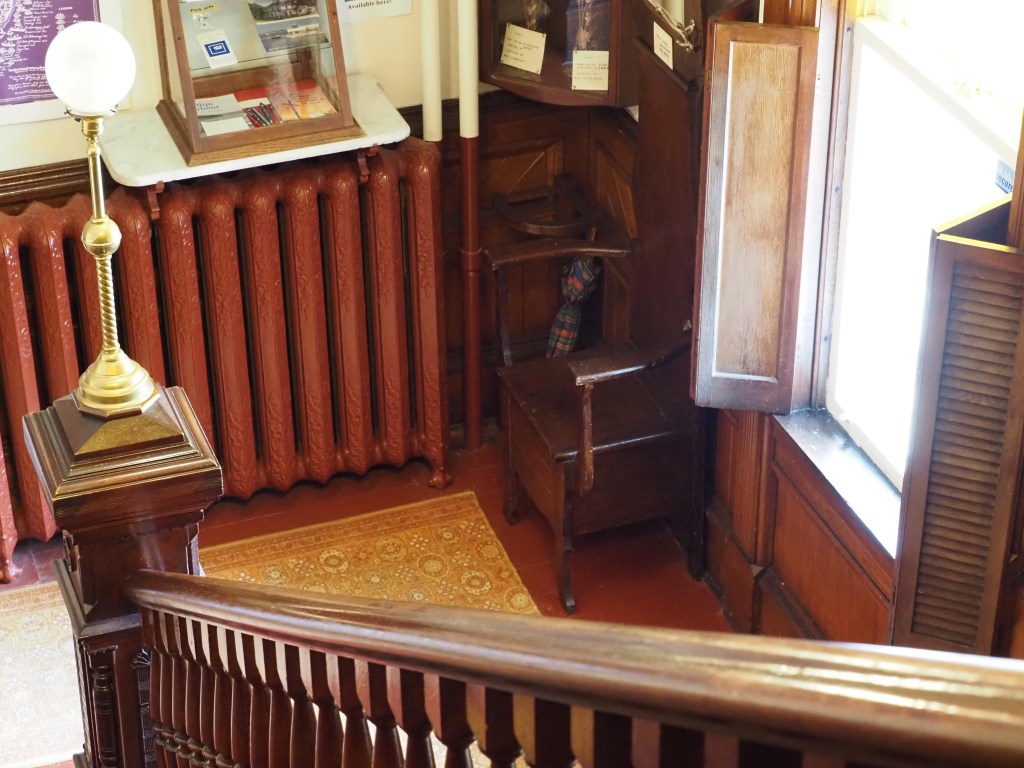
Melissa gave us a fantastic tour. Melissa is passionate about this museum – she has lived in Canso all her life.
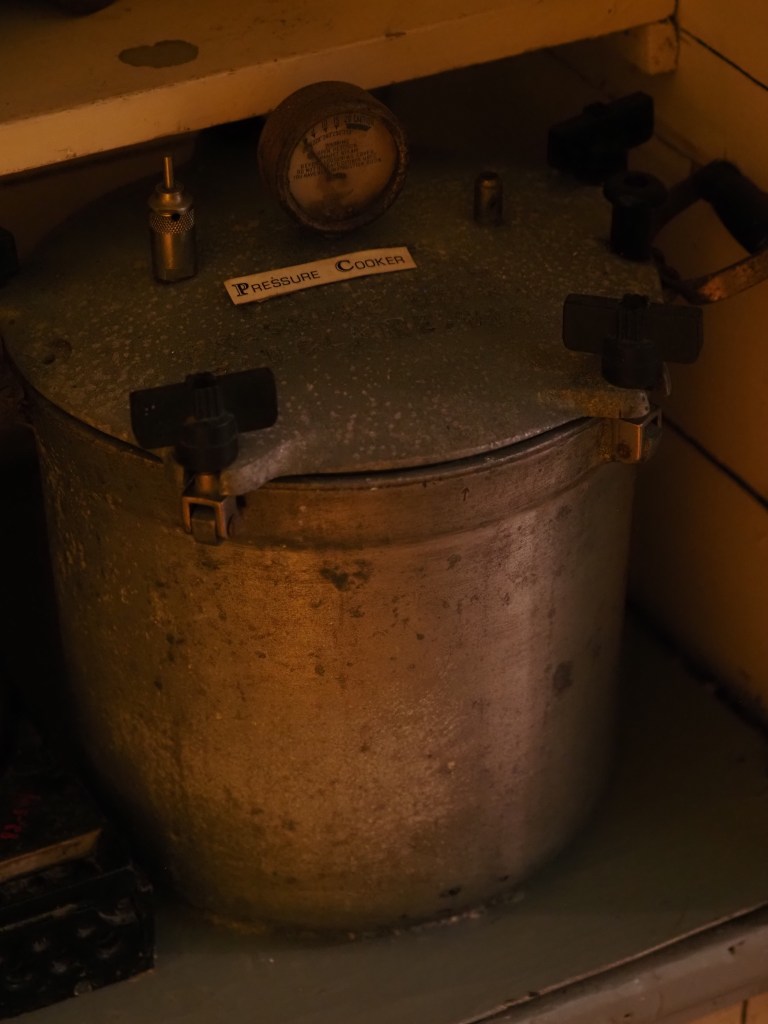
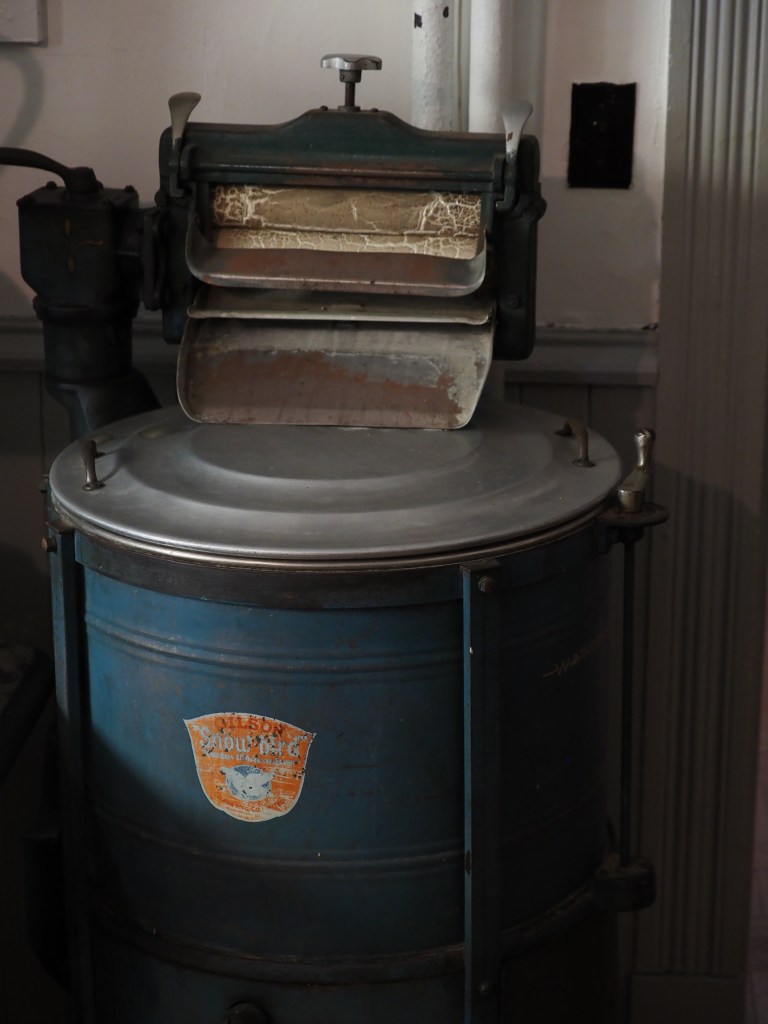
Here are some photos of the Whitman House.


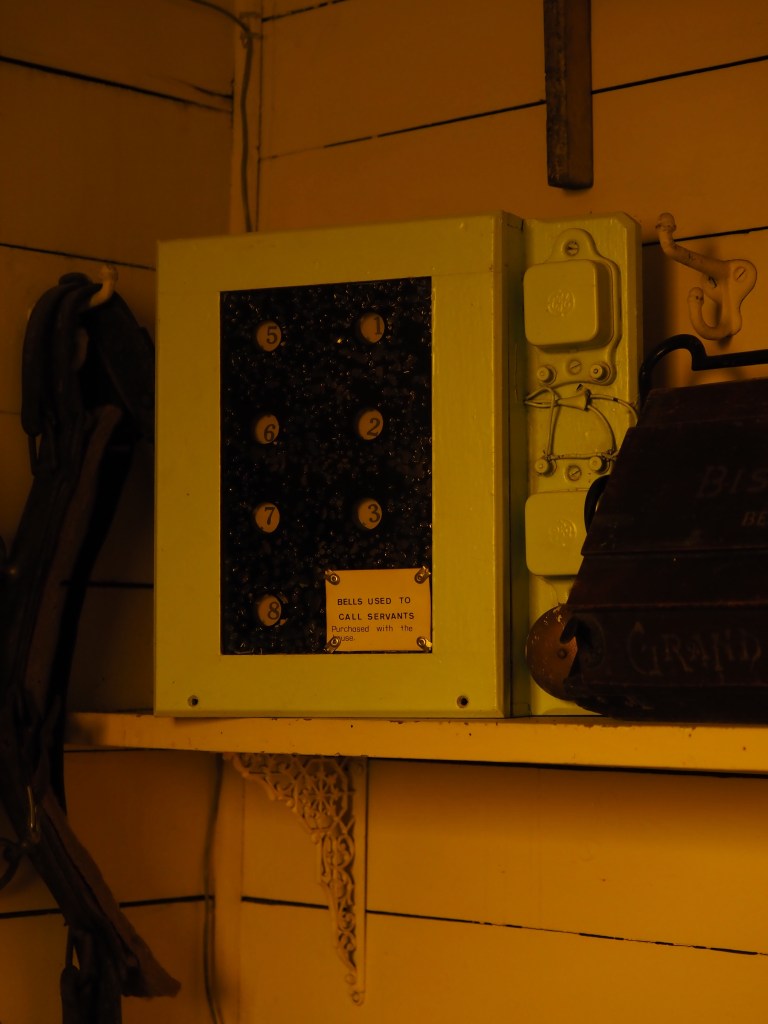

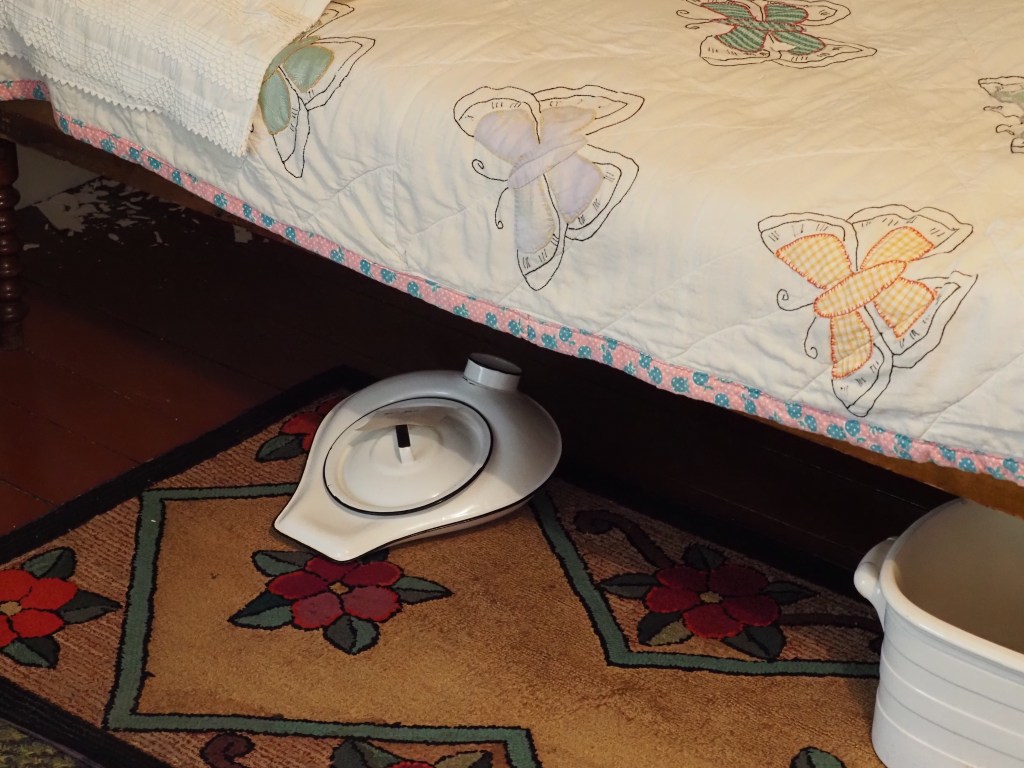
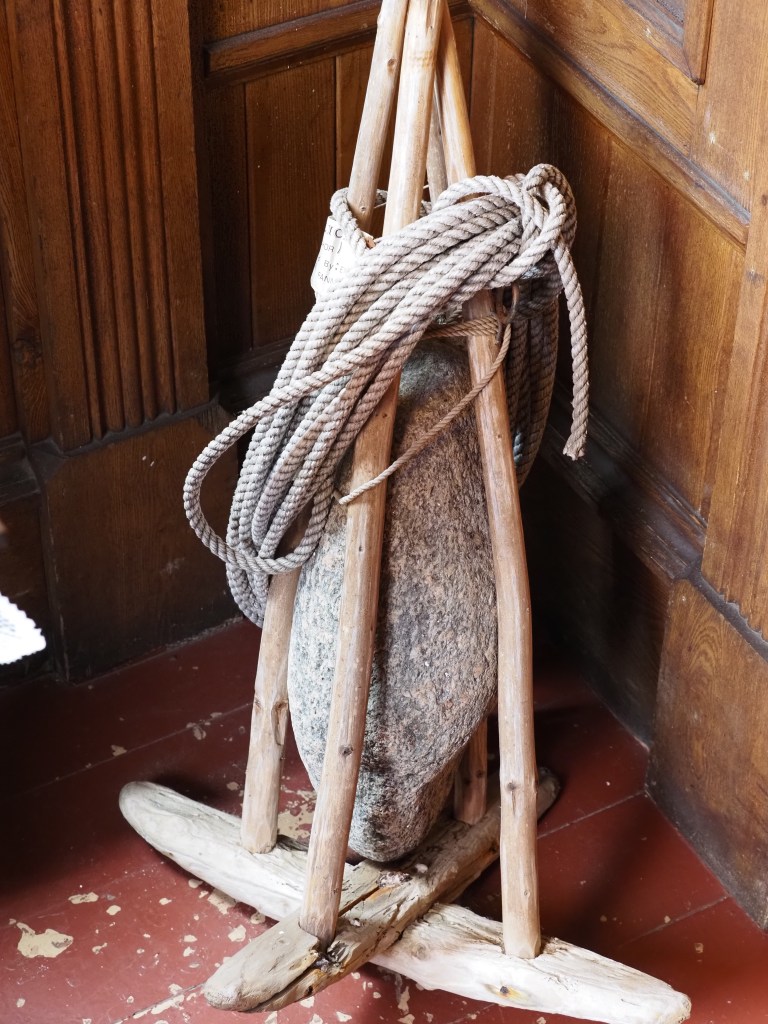
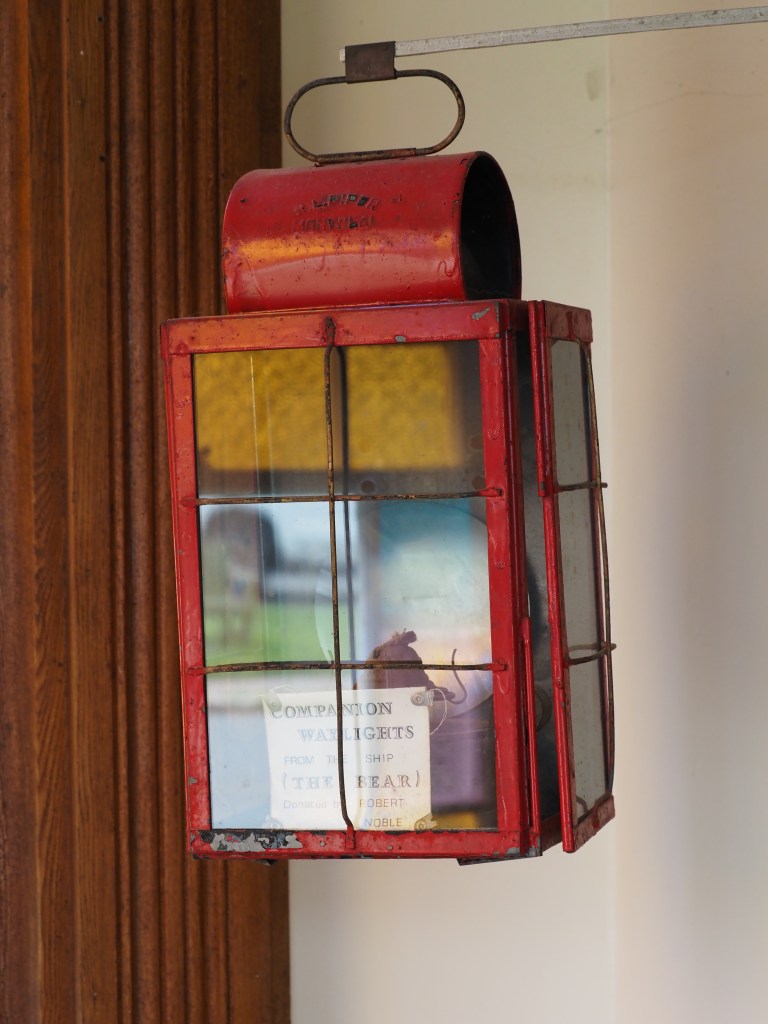
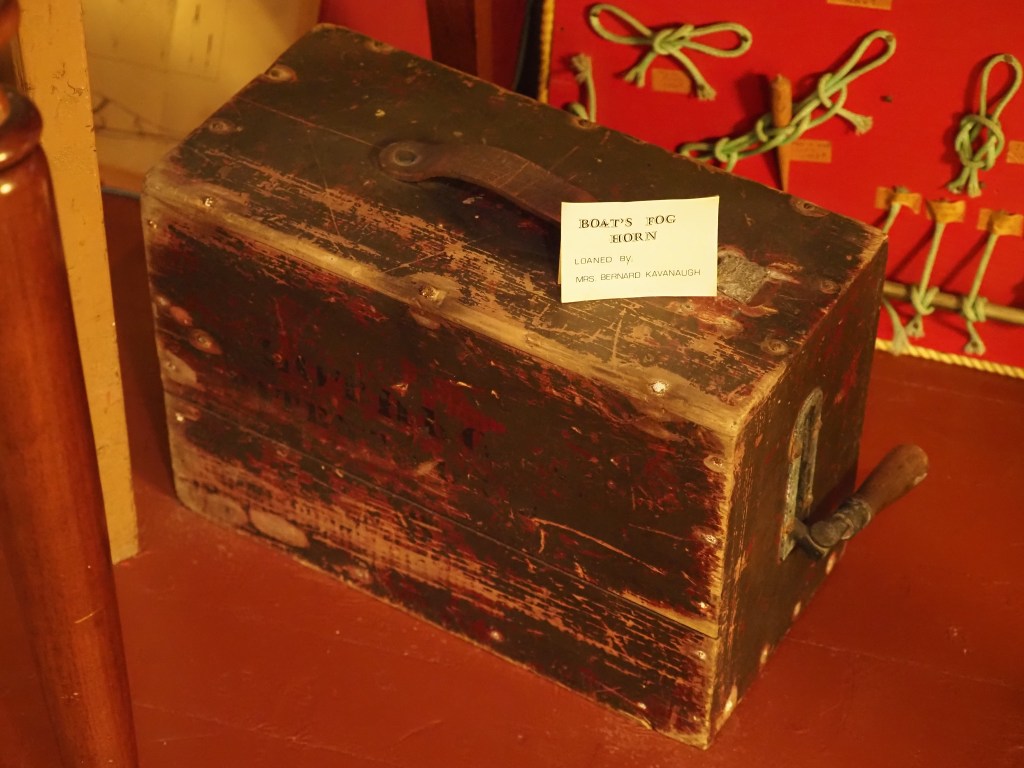
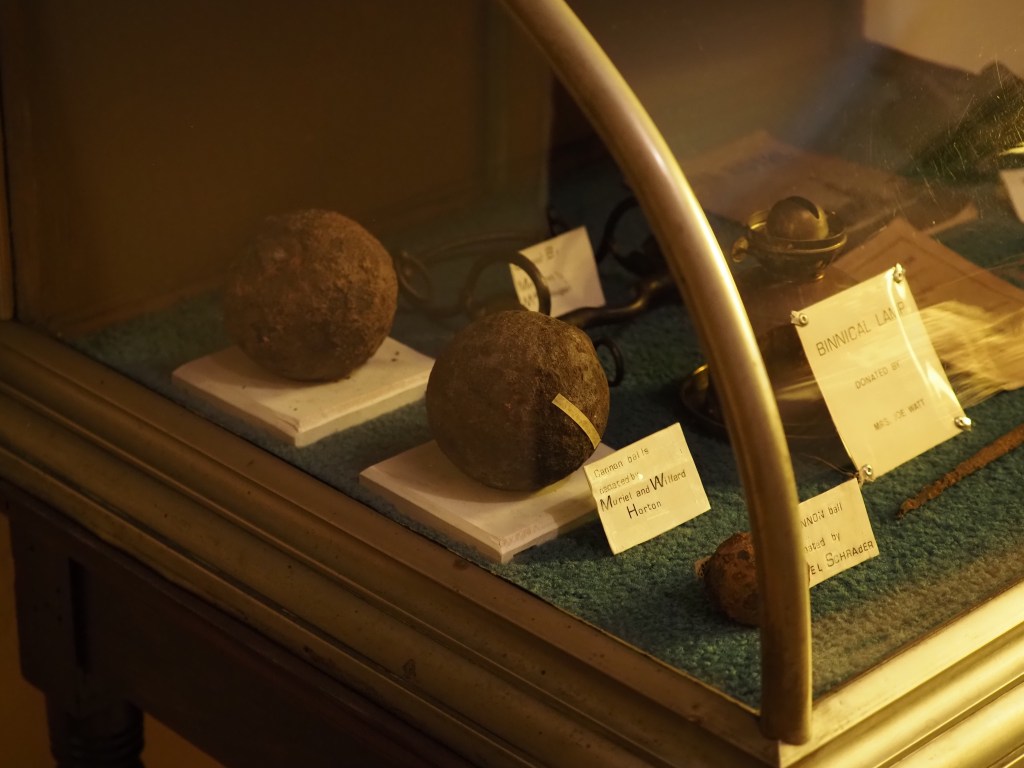
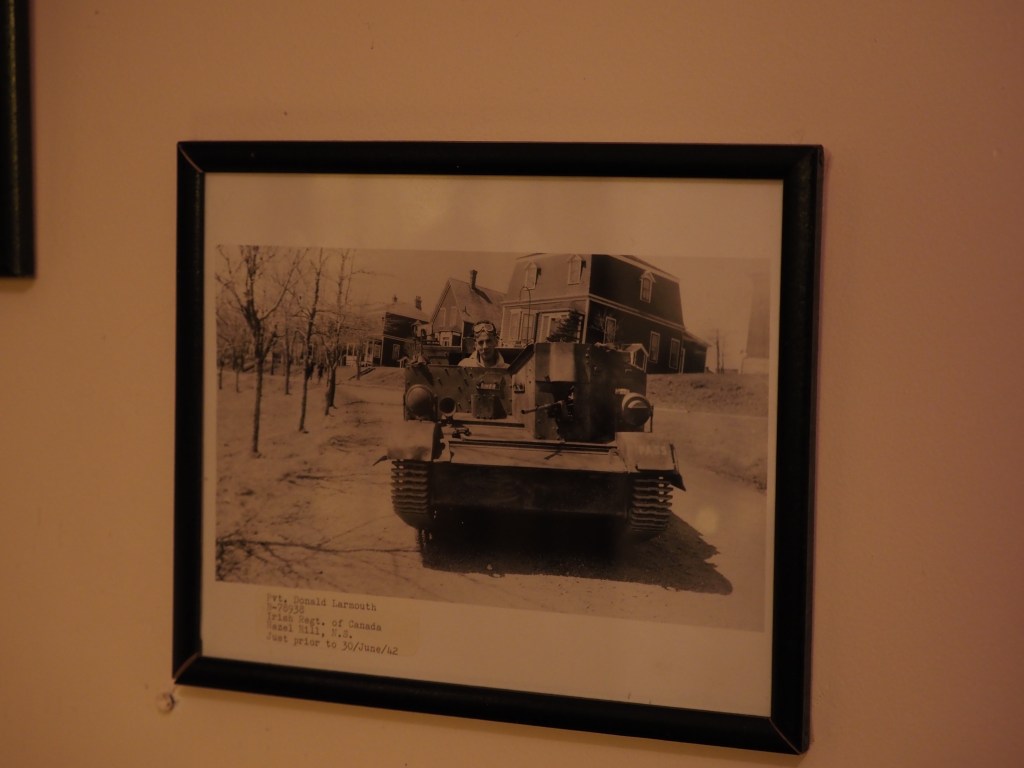
The rest of this post explains my family connection to Canso. This will be of more interest to family members who are following the blog.
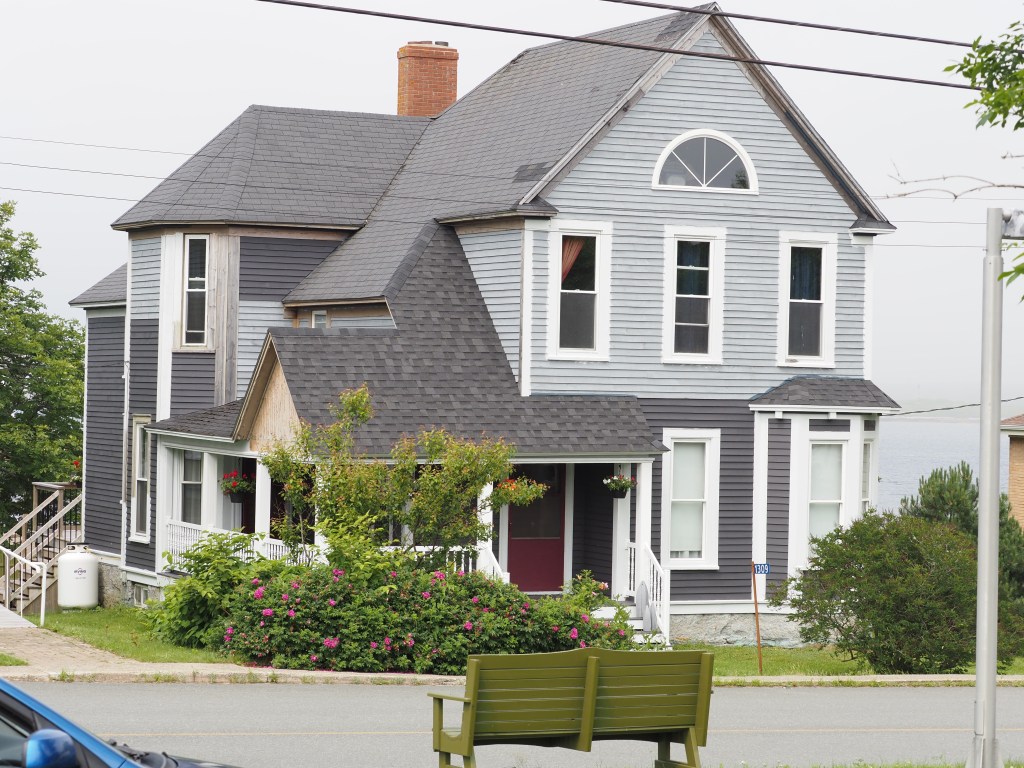
The home next door was owned by another Whitman. Harry Whitman was also in the grocery business. My Aunt Linda (Harry Whitman’s grand daughter) told me this about her grandparents – Cora would not marry Harry unless he promised he would not go out on the fishing boats. So Harry worked at I.J. Whitman and Son – another Whitman grocery merchant in Canso. Cora and Harry had one daughter, Evelyn.
Cora’s sister Blanche and her husband Walter and their daughter Joan shared the house. Two families lived there – two sisters and their husbands and their lone children. My grandmother Joan and her cousin Evelyn were the ‘only’ children who grew up more like sisters. Evelyn was 5 years older than Joan and my grandmother thought the world of Evelyn. They were lifelong friends and both lived in North Vancouver later in their lives. Their decedents are close to this day.
Cora’s sister Blanche is my great grandmother. Blanche married a cable guy – Walter Prendergast. Walter worked for Commercial Cable Co. They were married in this house. Evelyn was the flower girl. I expect she was four years old. (My grandmother was born the next year.)
It was a morning wedding – October 1,1912 and apparently Blanche’s mom Anna was all a flutter as the wedding meal was probably served around breakfast time – meaning that preparations started very early that morning! This timing allowed the newlyweds to catch the daily ‘mail and supply boat’ the Robert G. Cann to Mulgrave. From Mulgrave the newlyweds boarded a ship that took them to Boston and New York. Most Maritimers had relations along the Atlantic seaboard.
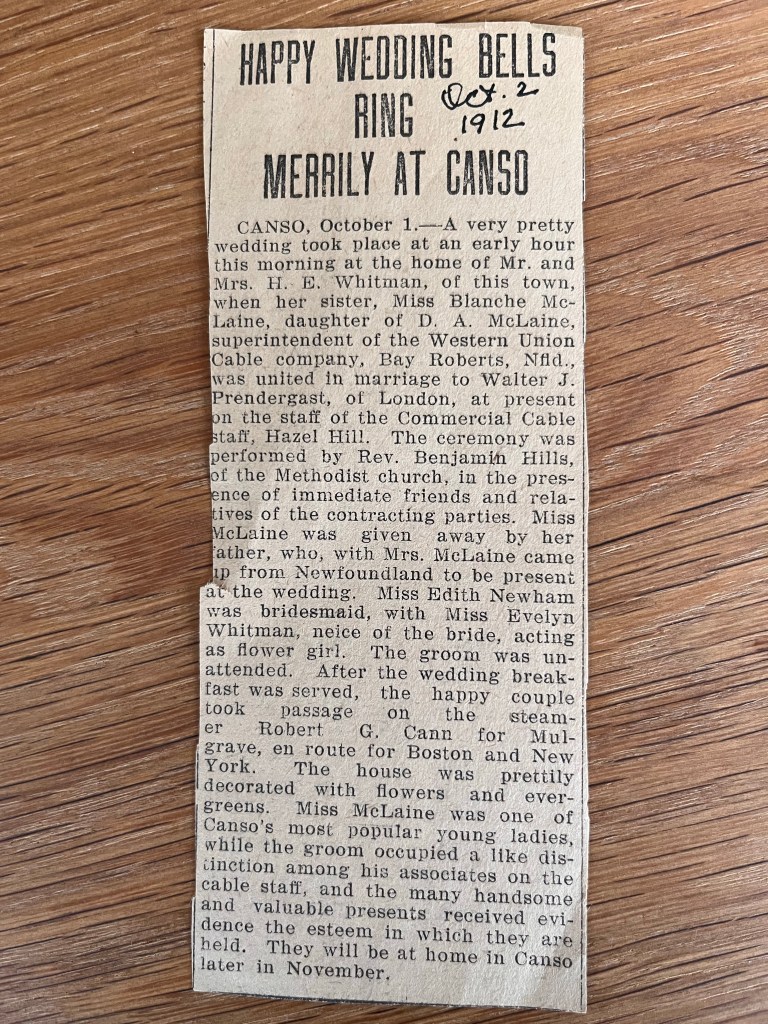
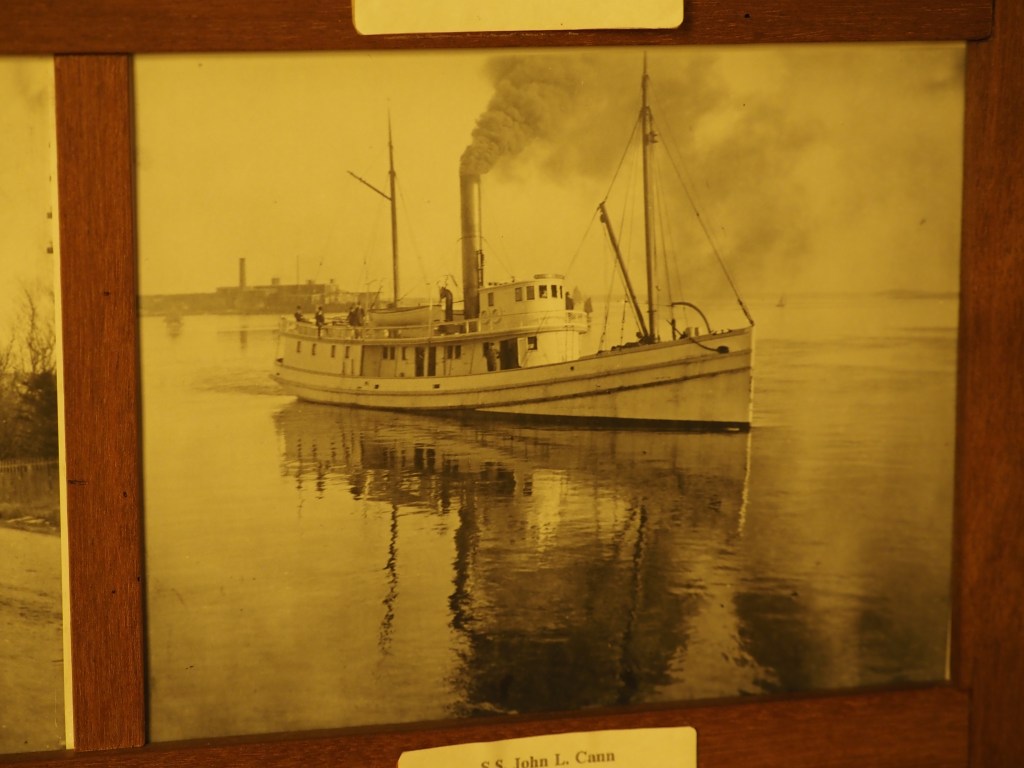
I hadn’t realized that Cora and Blanche were also born in Canso. Their parents, Anna and Donald, had lived in Canso for a time. Anna was born in Halifax and met Donald (a Scot / Liverpudlian) who was a cable guy. At the time of Blanche’s wedding Donald and Anna were living in Bay Roberts Nfld where Donald was the Superintendent of the cable office for Western Union. More about the Nfld connection in a later post.
The cable station was up the road at Hazel Hill. The foundations of that building still exist and the various governments seem interested in preserving this history (money is on the table).
Both professions – merchant and cable guy – were very respectable.
Melissa explained that the cable companies used German technology, US financing and hired English men. And there were multiple cable companies – Western Union, Commercial Cable and others. Cable was the starlink of it’s day. Recall the Titanic sunk in April 1912 – cables were sent through Hazel Hill.
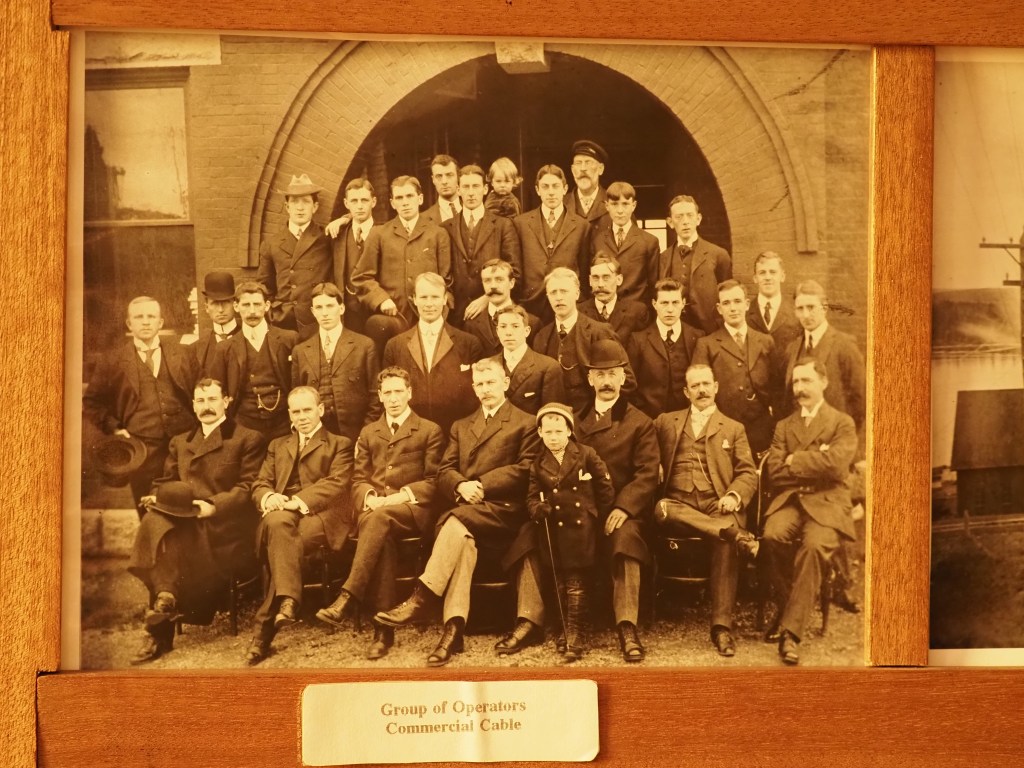
In the late 1800’s you sent a cable or letter. Cable lines connected England to Nfld to NS to Boston and New York.
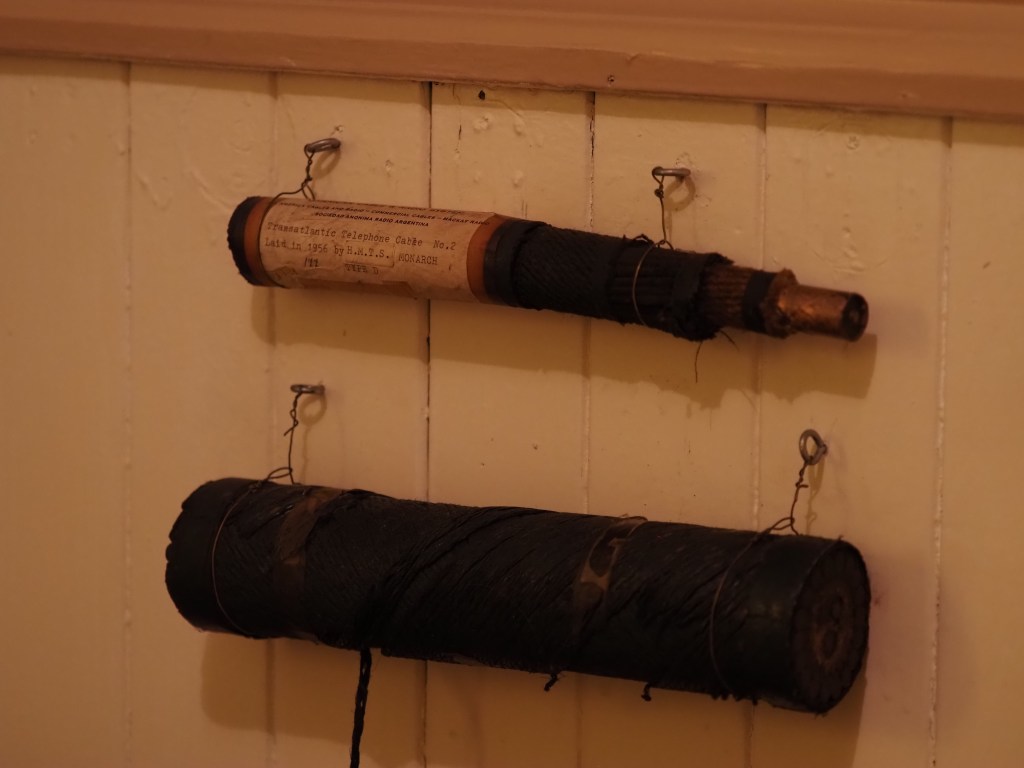
Spoiler alert – while at Signal Hill in Saint John’s Nfld – we would learn more about the technology that would replace cable – wireless and Guglielmo Marconi.
Canso has been in the news lately. There are plans for a private satellite launch site. And there is some local opposition.
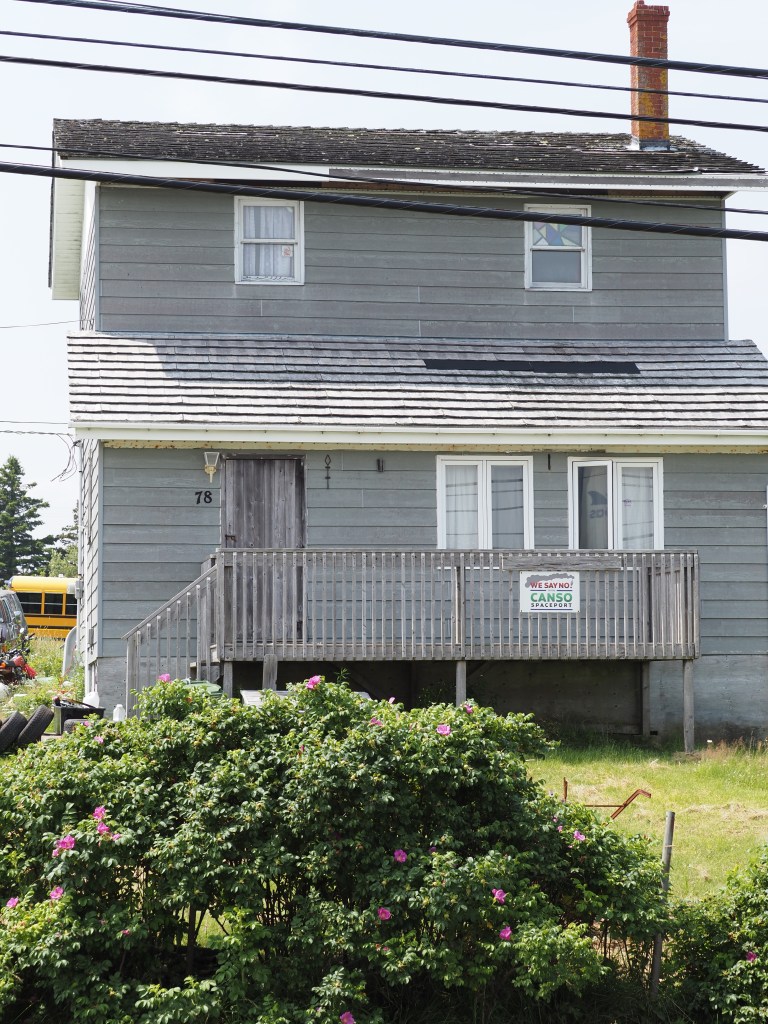
Canso is a small community now. Not the bustling town it was in 1913!
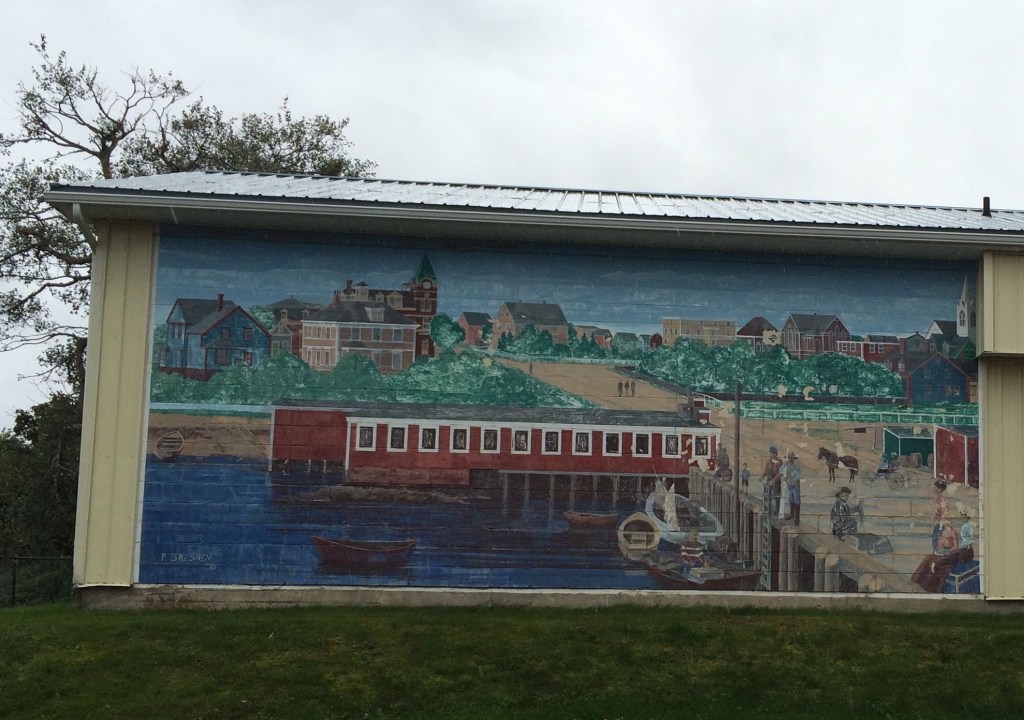
For this day, it was wonderful to learn about Canso’s early history, tour the Whitman House, learn a bit more about the cable men and walk by the house my grandmother grew up in.
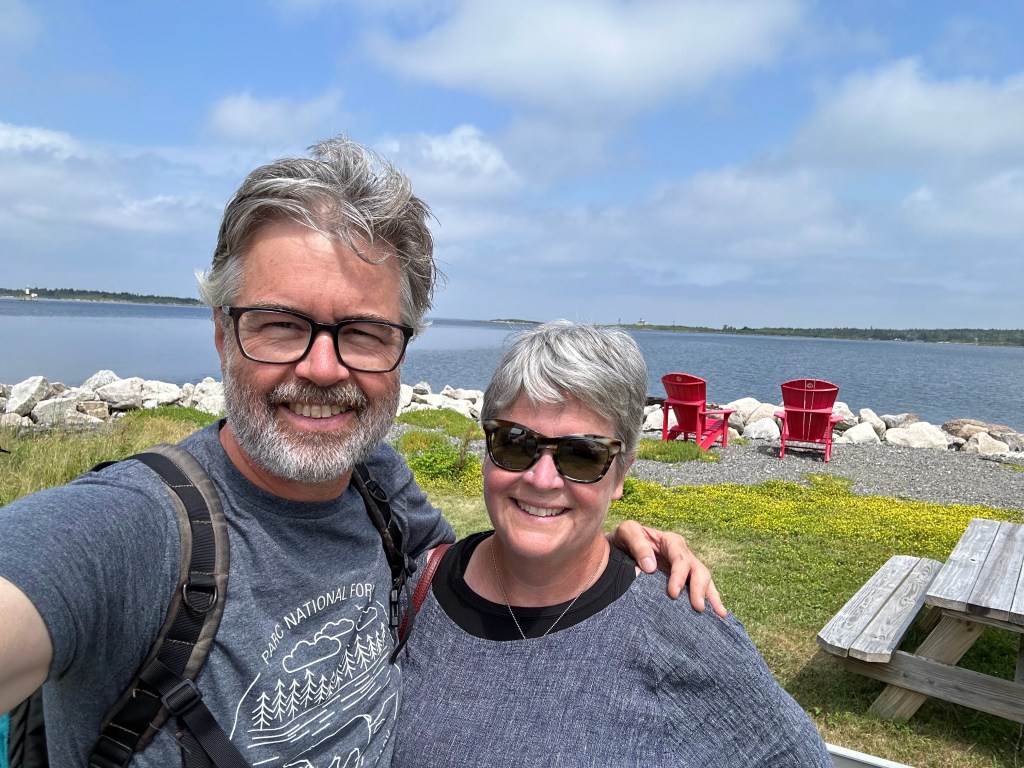


 Two Sore Backs
Leave a reply to Tamara Pilkington Cancel reply