We were reminded that the song ‘This Land is My Land‘ has the lyric ‘from Bonavista to Vancouver Island’. Here we are.
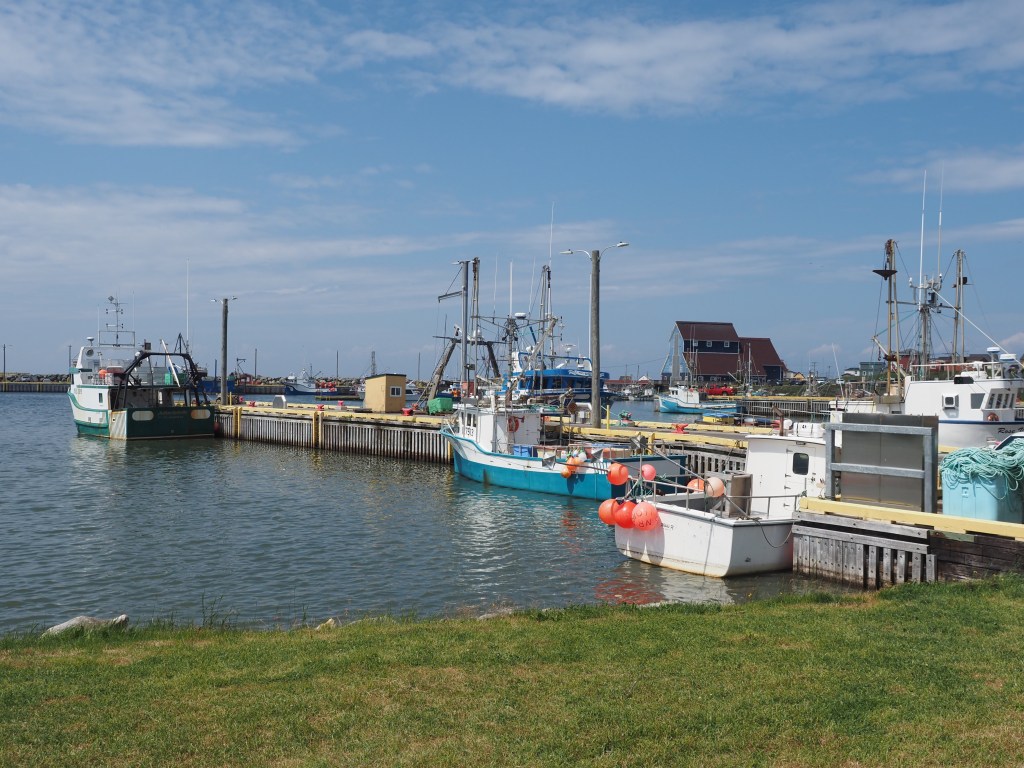
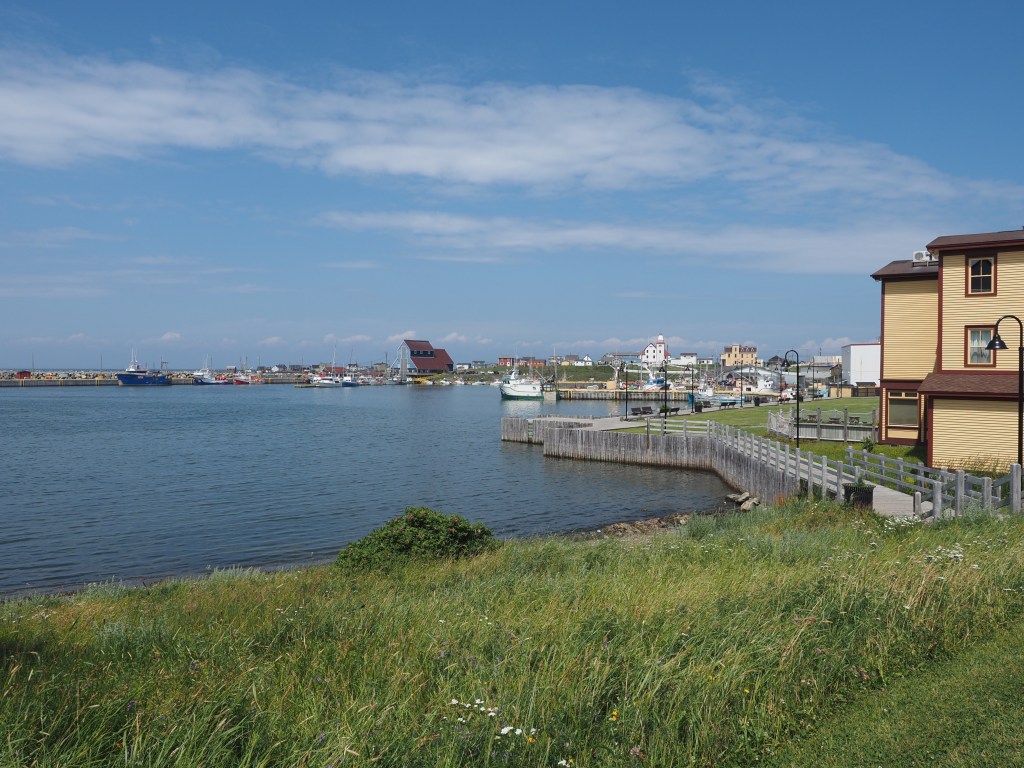
And to clarify there is a Bonavista peninsula as well as the town of Bonavista. This was our day to visit the town while on a three day stay on the peninsula.
Bonavista Nfld was a treat. Not nearly as amazing as the puffins yesterday but that was going to be hard to top.
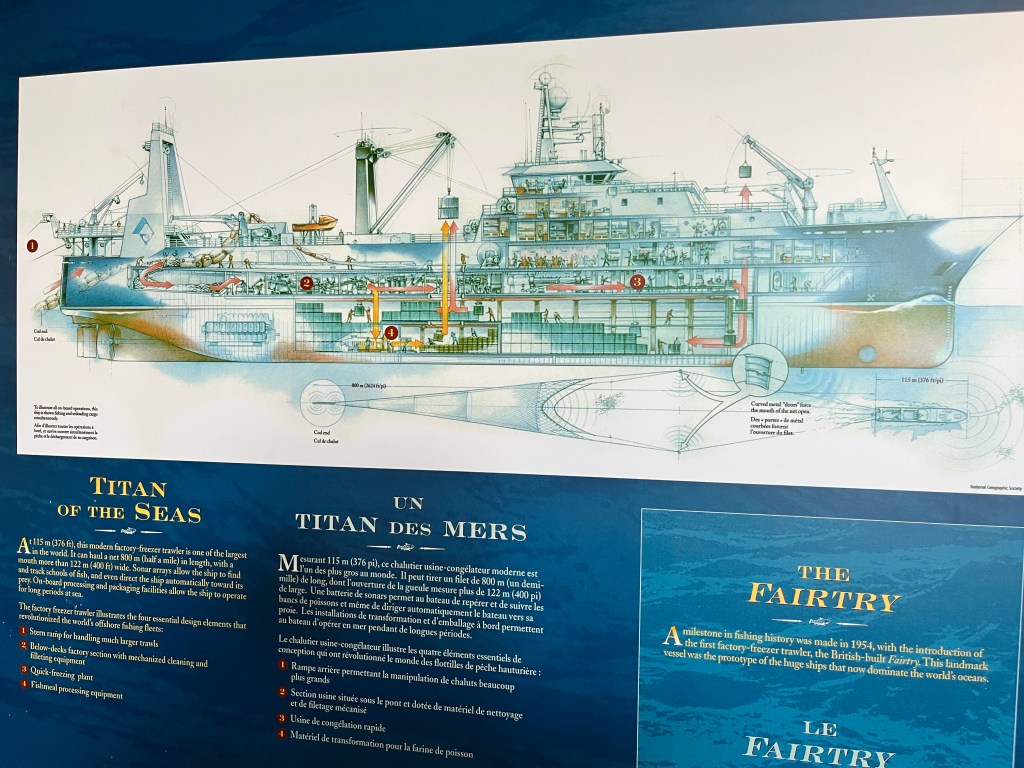
We started off at Ryan Premises National Historic Site. Parks Canada has an excellent interpretation centre explaining the 500 year salt cod fish trade in this area from early small inshore fishers to large international schooners that fish today. The failure to manage the fishery is also explained.
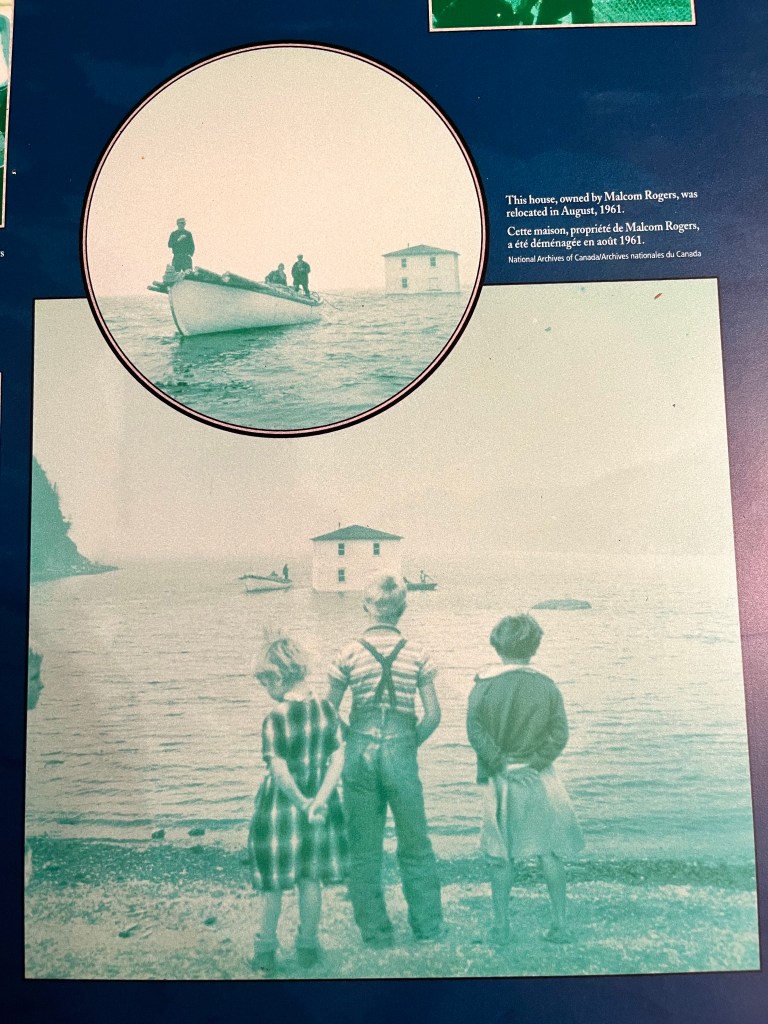
At the same time there is an explanation of how the fish catch moved through the supply chain around 18 and early 19th century. James Ryan was a powerful Bonavista fish broker and merchant. Ryan was also the banker. Fishermen bought supplies and goods from his enterprise and he credited them for their catch. No money changed hands. The fishermen did not have much power. Yet the families did the heavy lifting (it was a family affair) catching, salting and drying the cod. The salted cod was graded by Ryan and then shipped to Europe if it was premium quality. The lowest quality was shipped to US plantations to feed slaves.
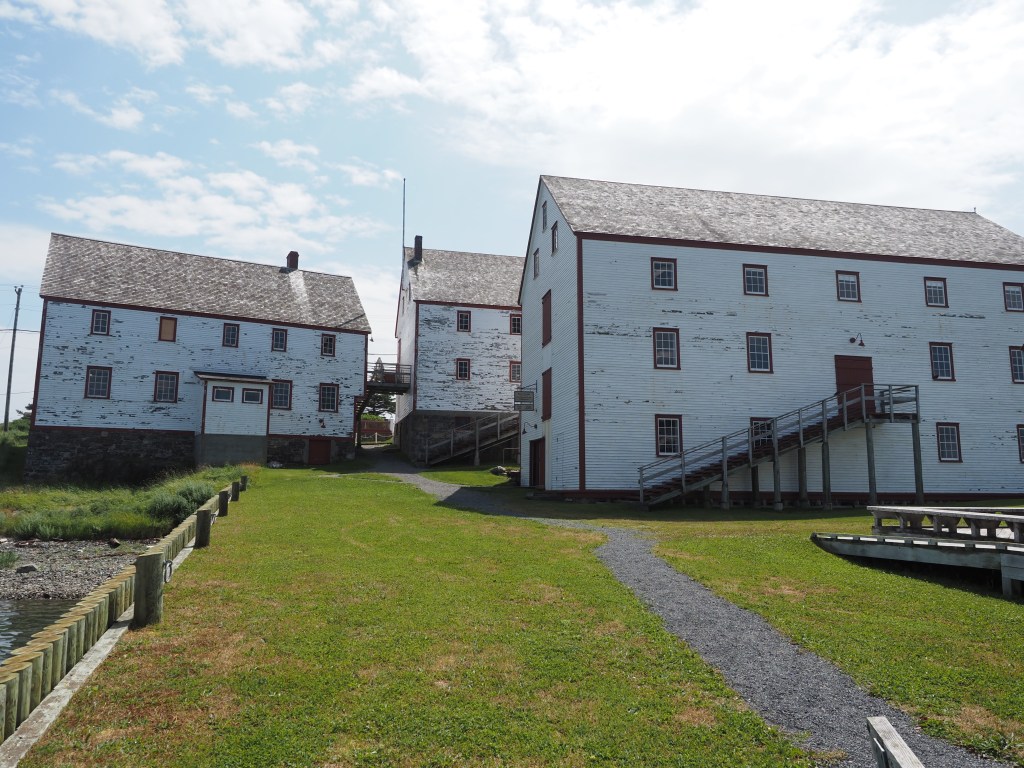
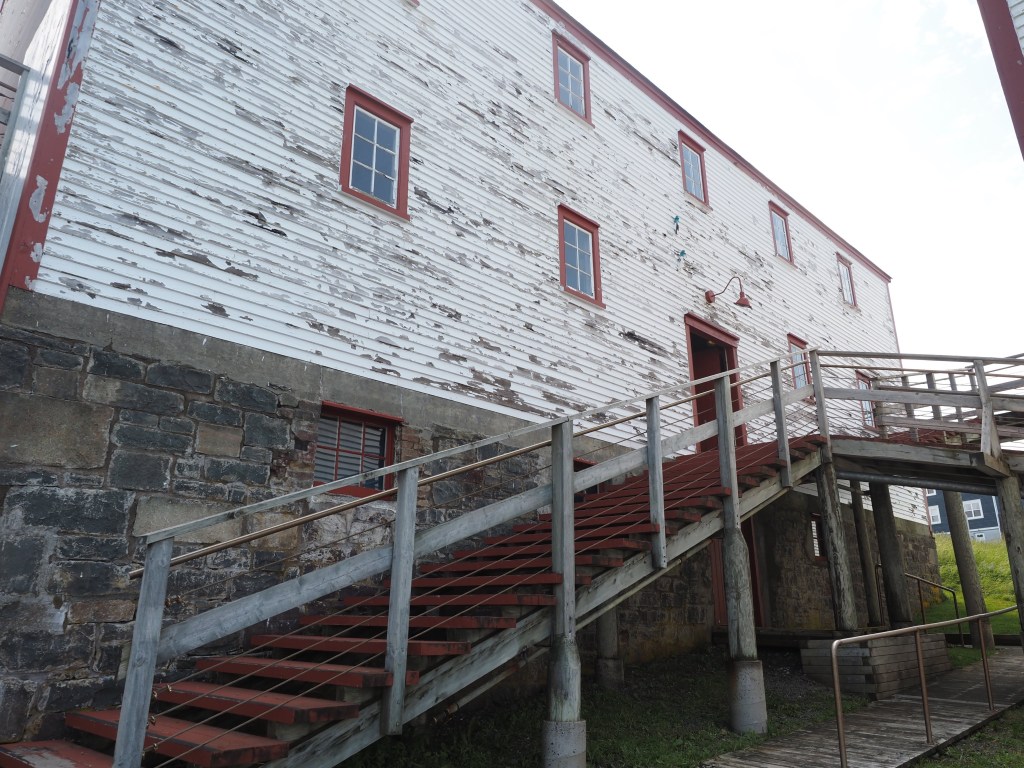
The NHS is located in the restored Ryan’s premises along the Bonavista waterfront – in these white clapboard buildings.
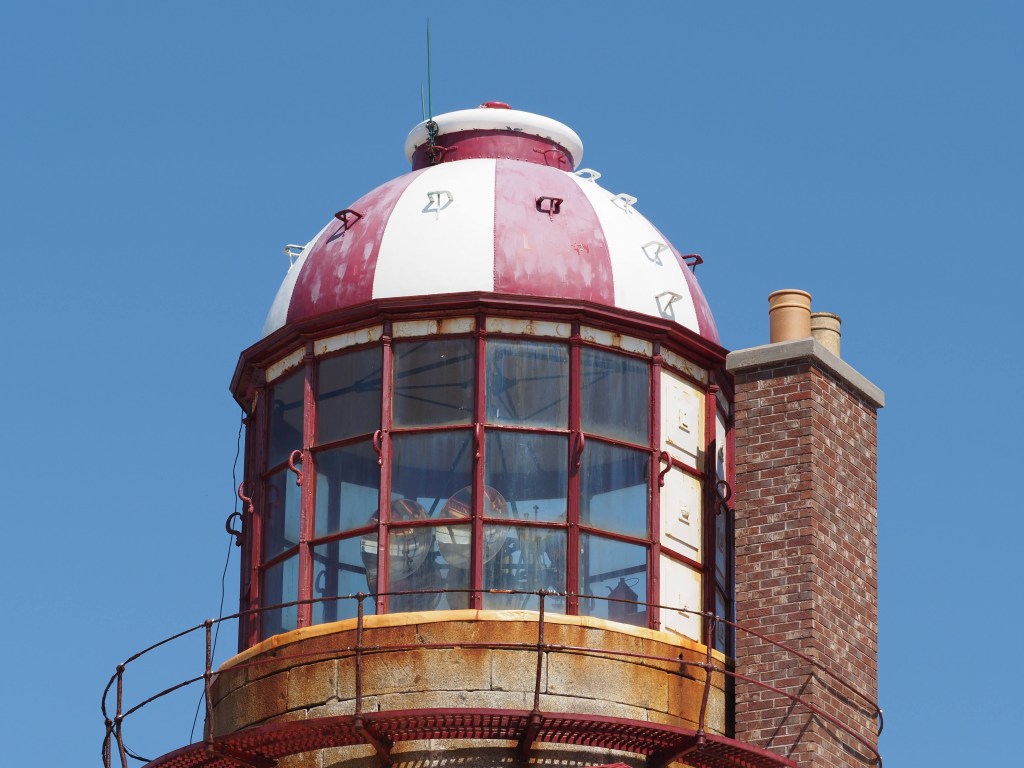
Afterwards we went out to Bonavista Lighthouse. The lighthouse was built in 1843 to guide ships heading to Labrador and alert them to Bonavista and Trinity peninsulas. The lighthouse is furnished as it would have looked in the 1870s. This Lighthouse was closed in 1962.
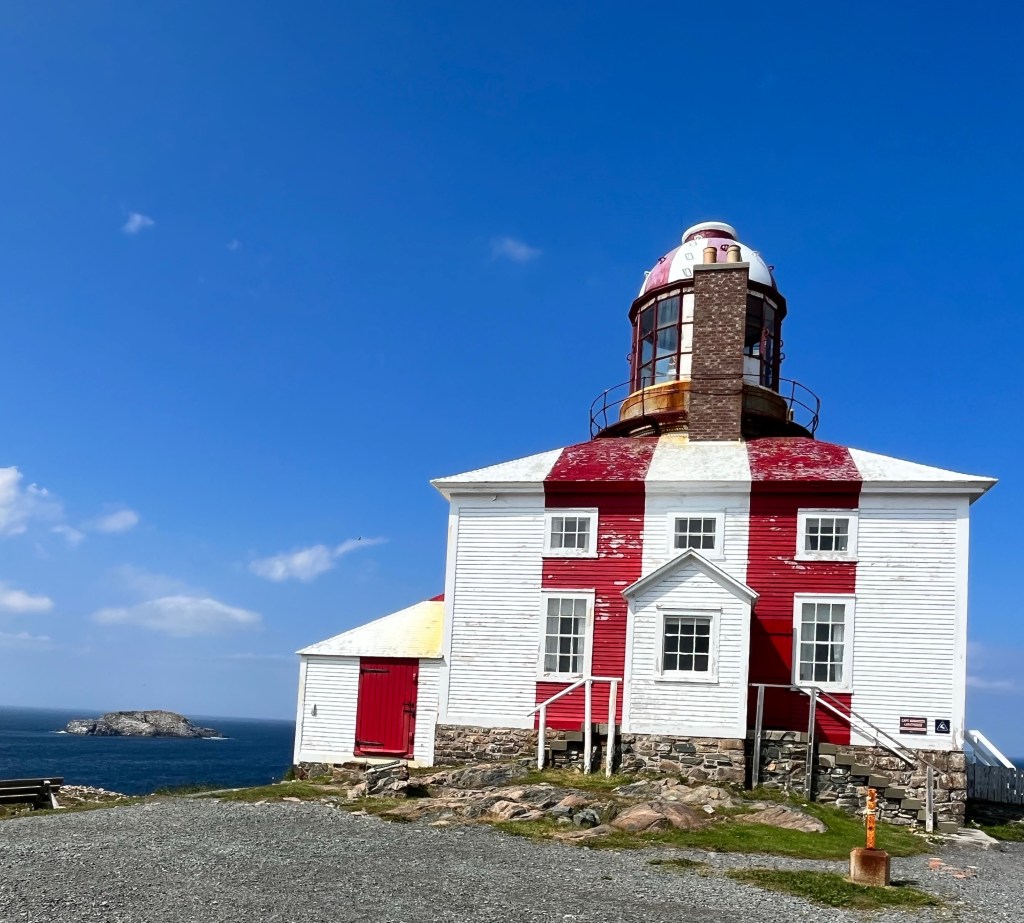
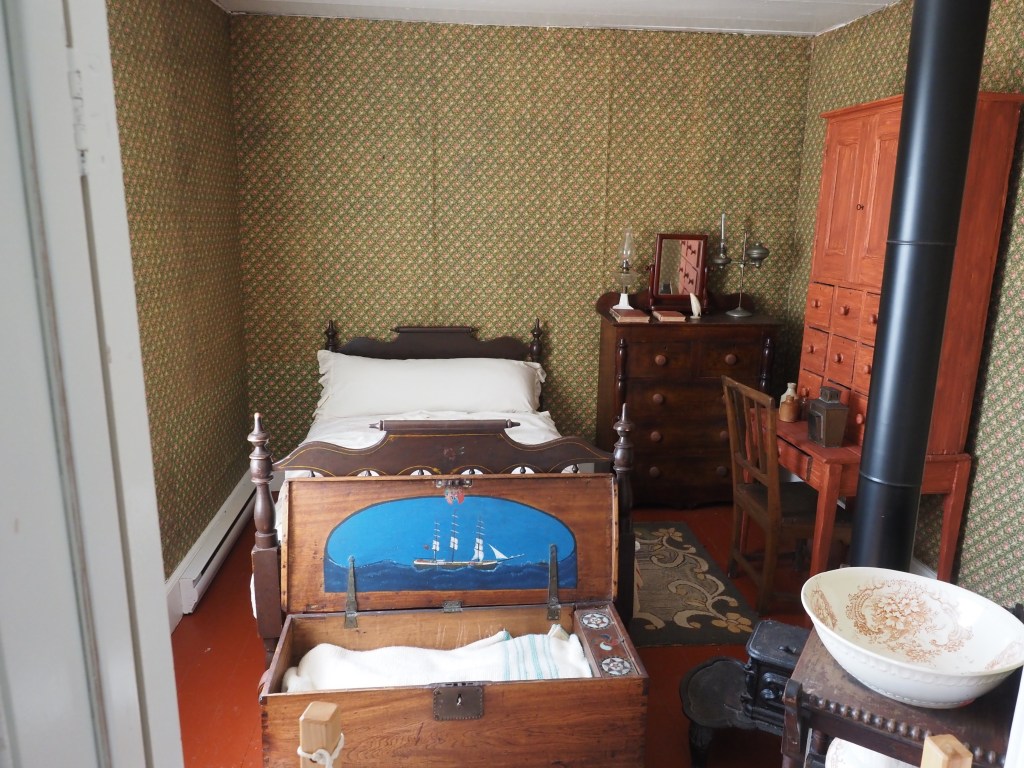
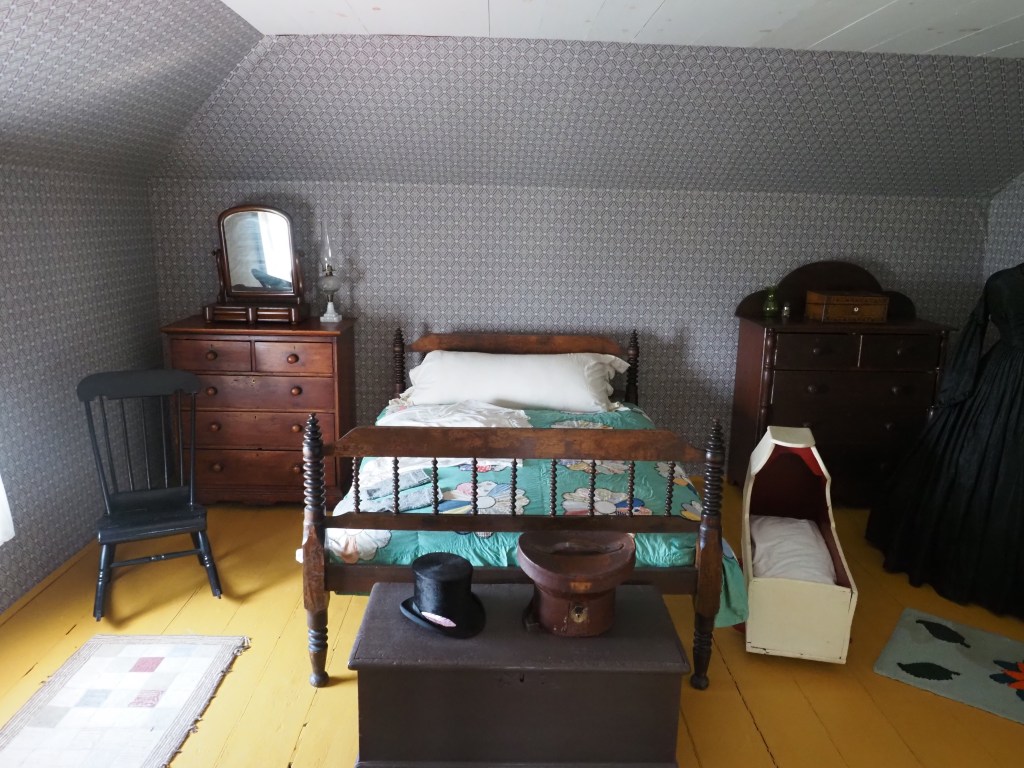
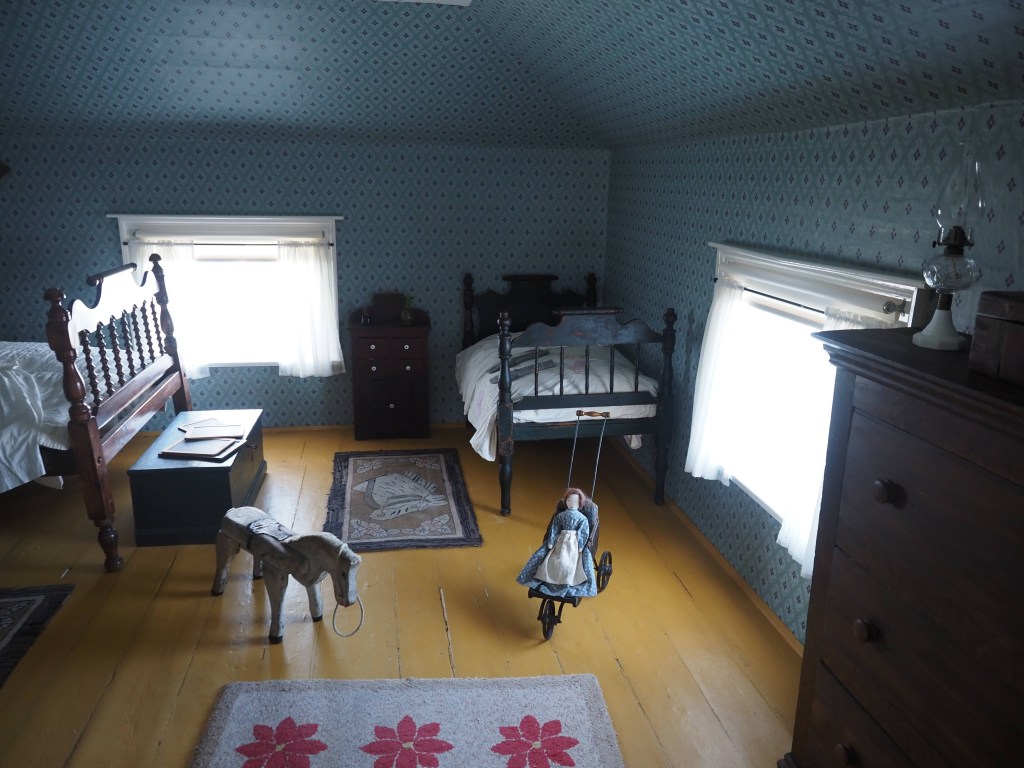
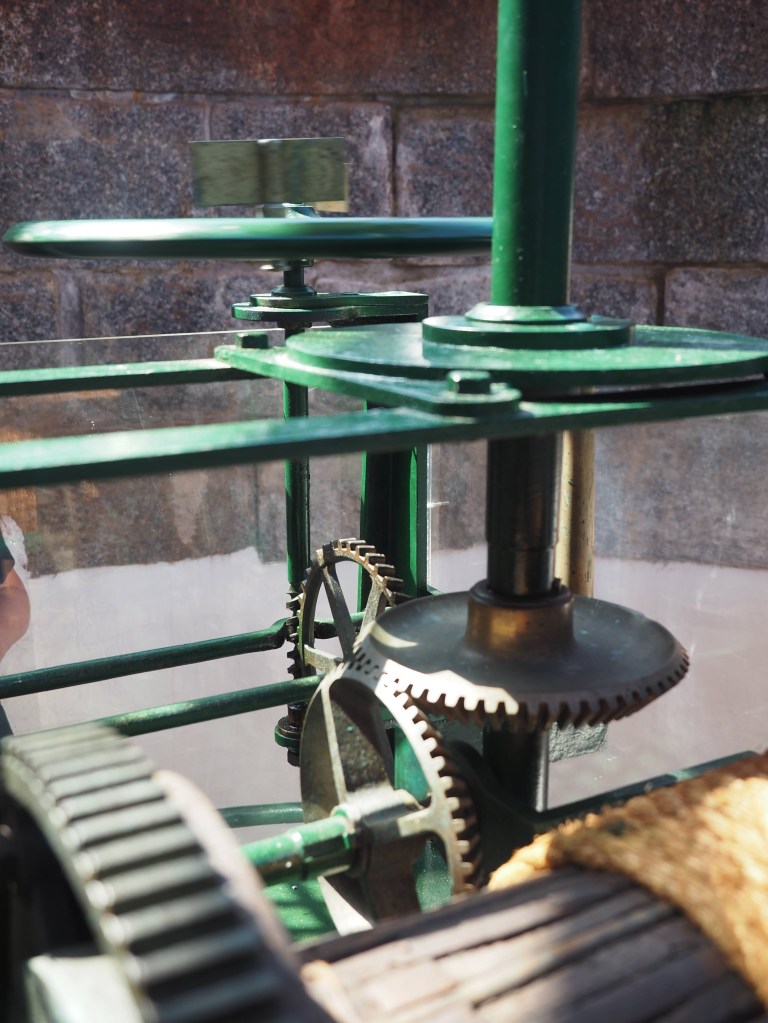
We’ve seen a few lighthouses but each is unique in some respect. This lighthouse has the only remaining catoptric light apparatus (made up of Argand oil lamps and parabolic mirrors of polished silver) and the light is powered by a lead-weight pulley system that controls the rotation of the light signal. The keeper has to wind the weight to the top floor and then gravity powers the system for 4 hours until the pulley reaches the kitchen on the bottom floor. So at the 3hr 45min mark it was time to wind the weight again!

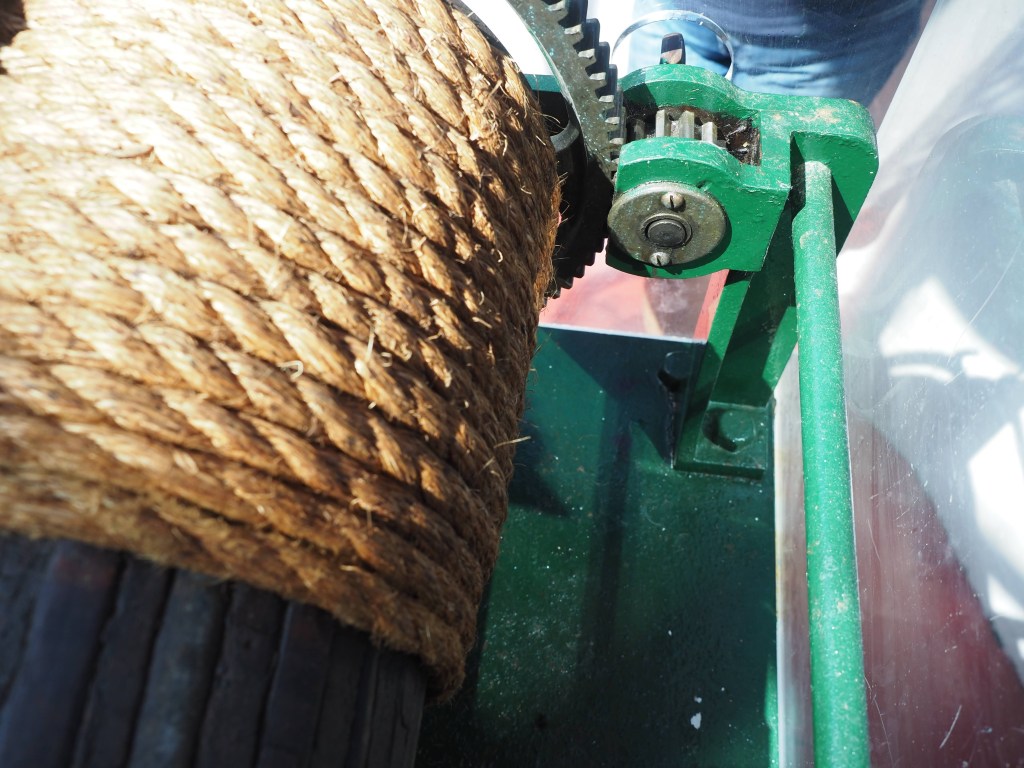
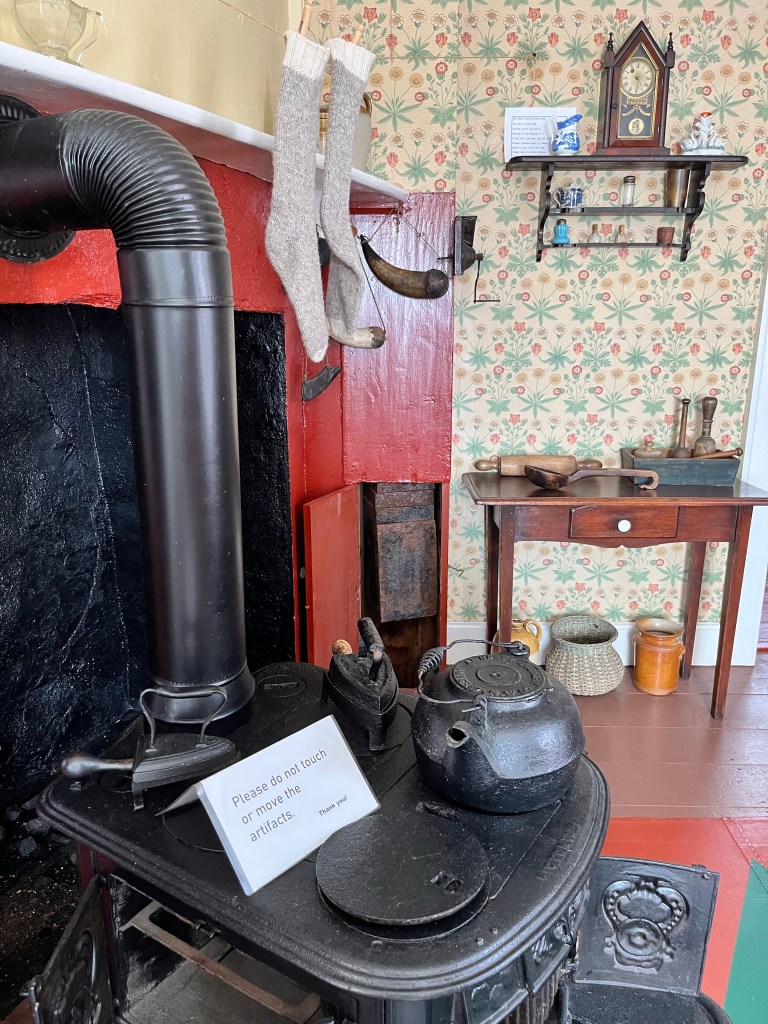
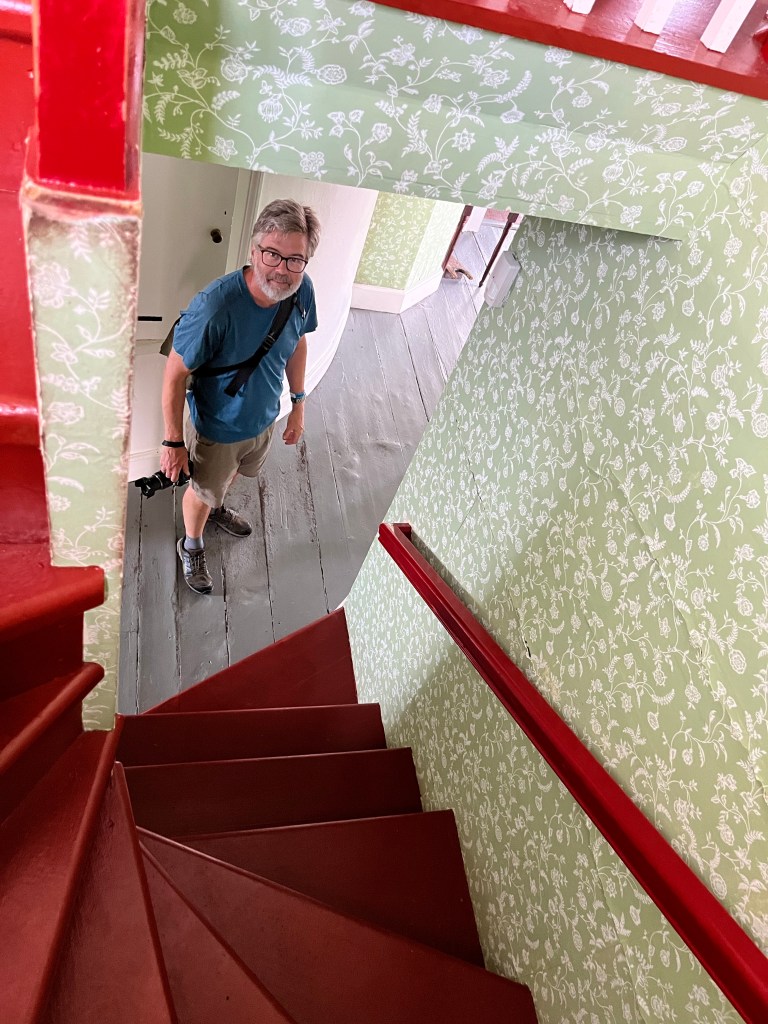
Nearby we went to Dungeon Park to see a deep chasm that is inland. Two sea caves collapsed and this is the result.
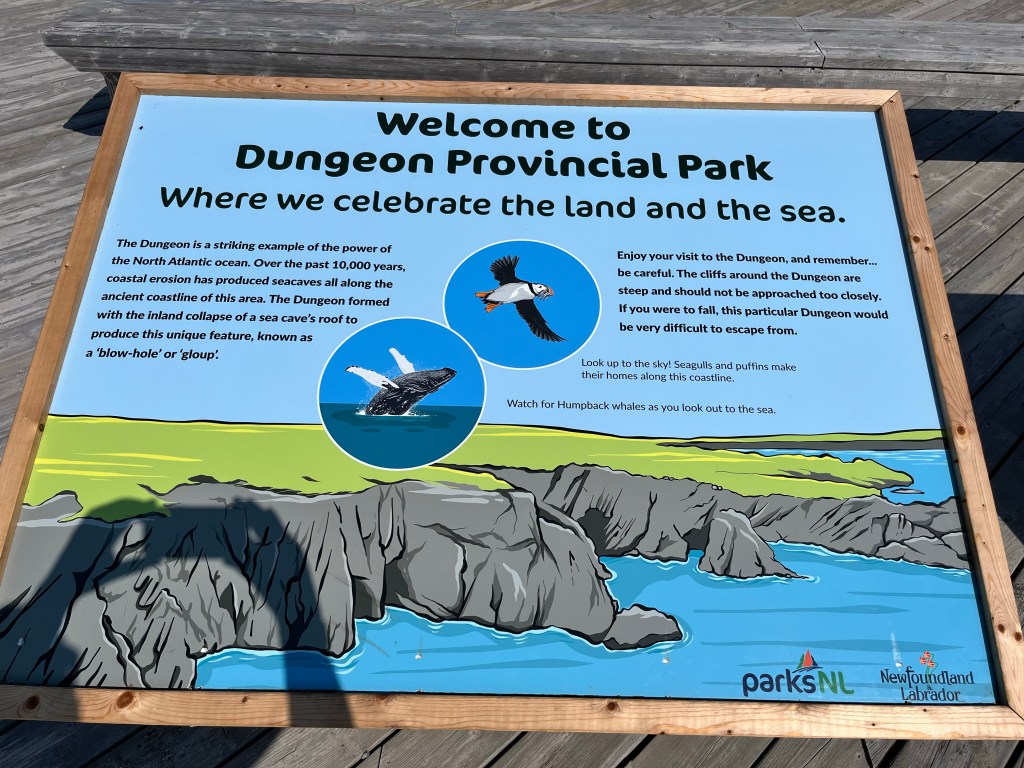
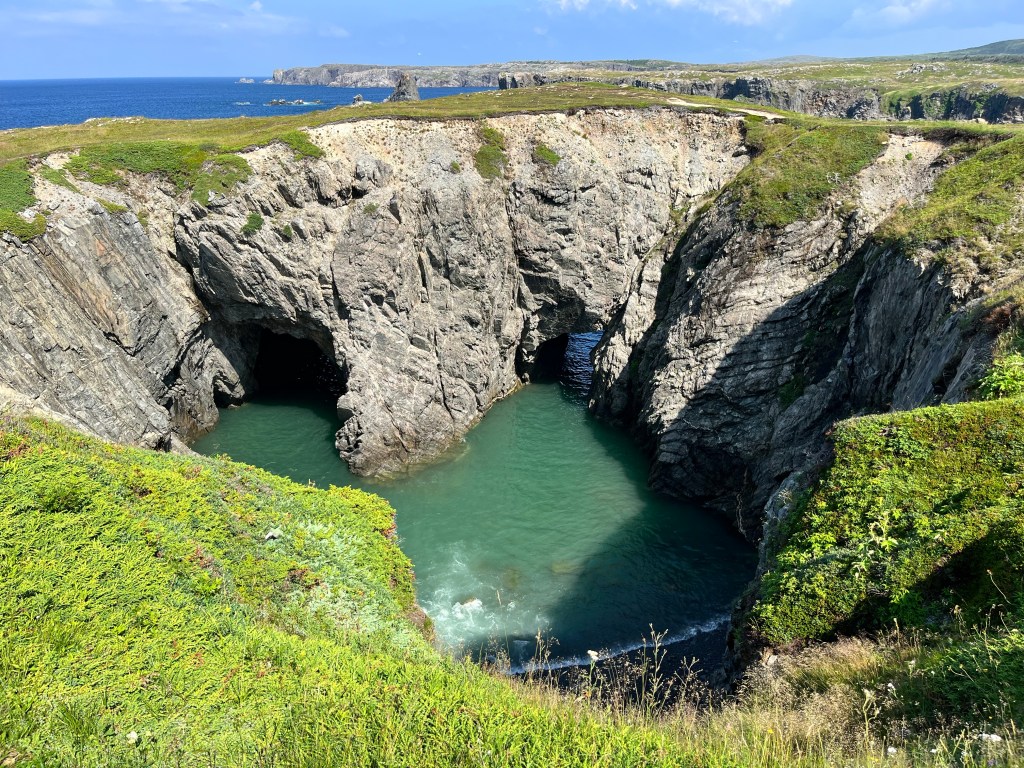
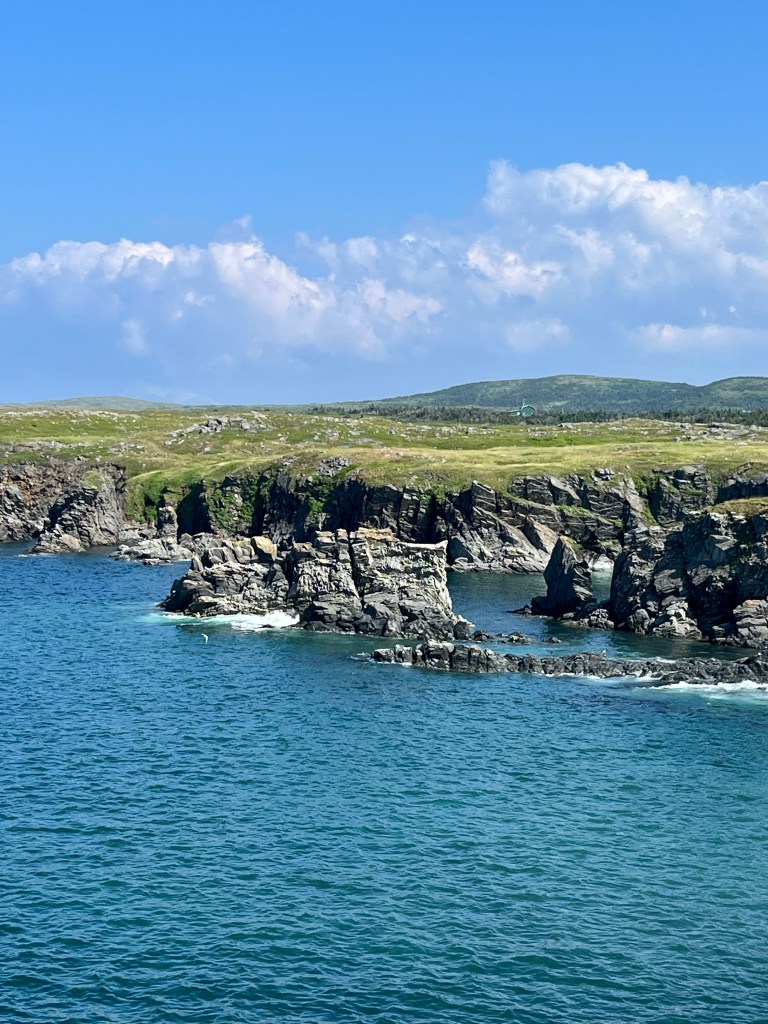
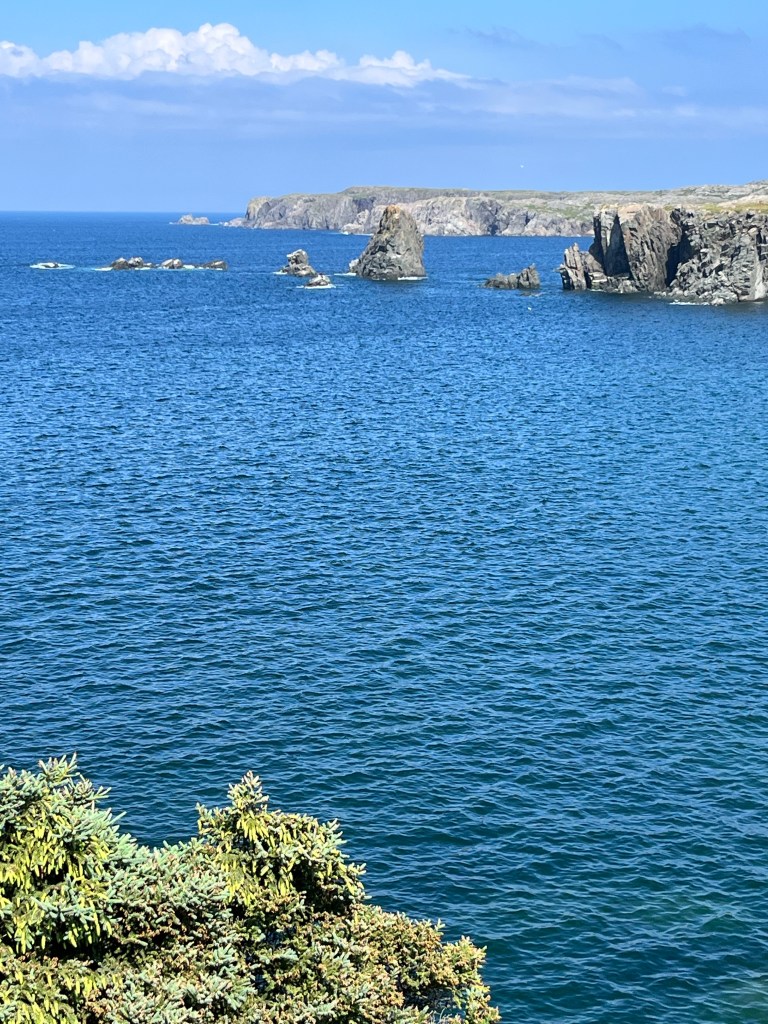
The nearby vistas are stunning.
And we finished up down the road in Port Union. The town was organized as a union town. Interesting…..
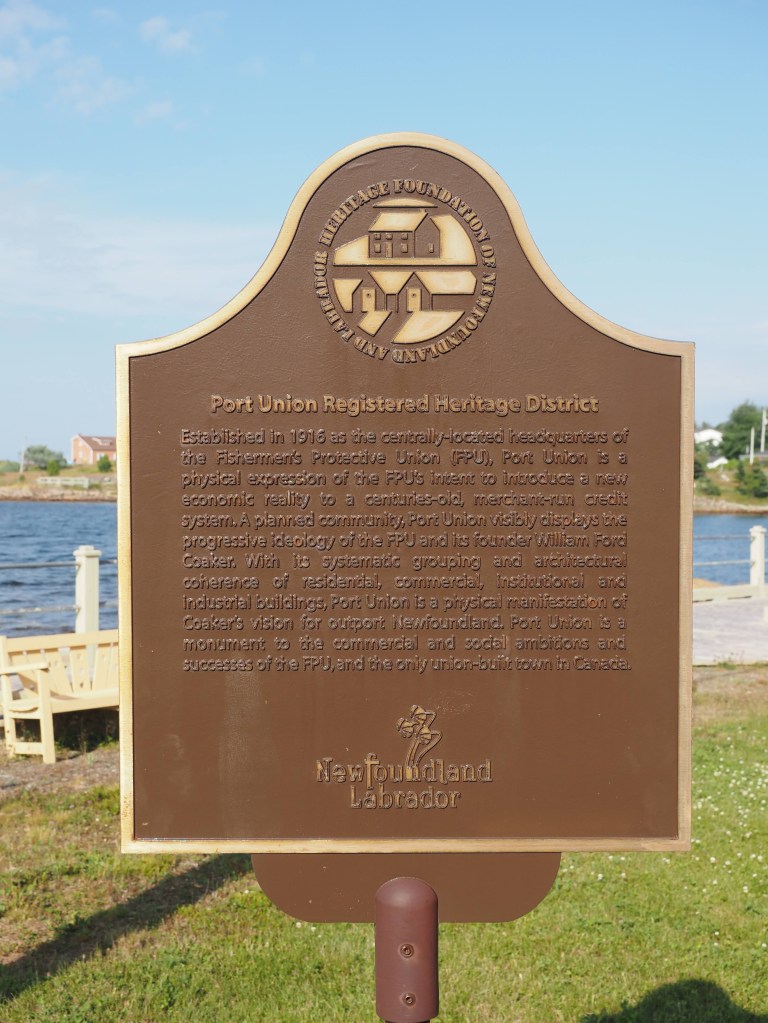
In 1916 the Fisherman’s Protective Union formed. William Coaker was the founder of the union. Curiously, he was not a fisherman. Coaker convinced the fishermen to take back power over their fish catch from people like James Ryan. The town was built and run as a cooperative and everyone was paid $$. The profits were shared more equitably. At the time everything about Port Union was progressive. It was the first town on the peninsula to have electricity.
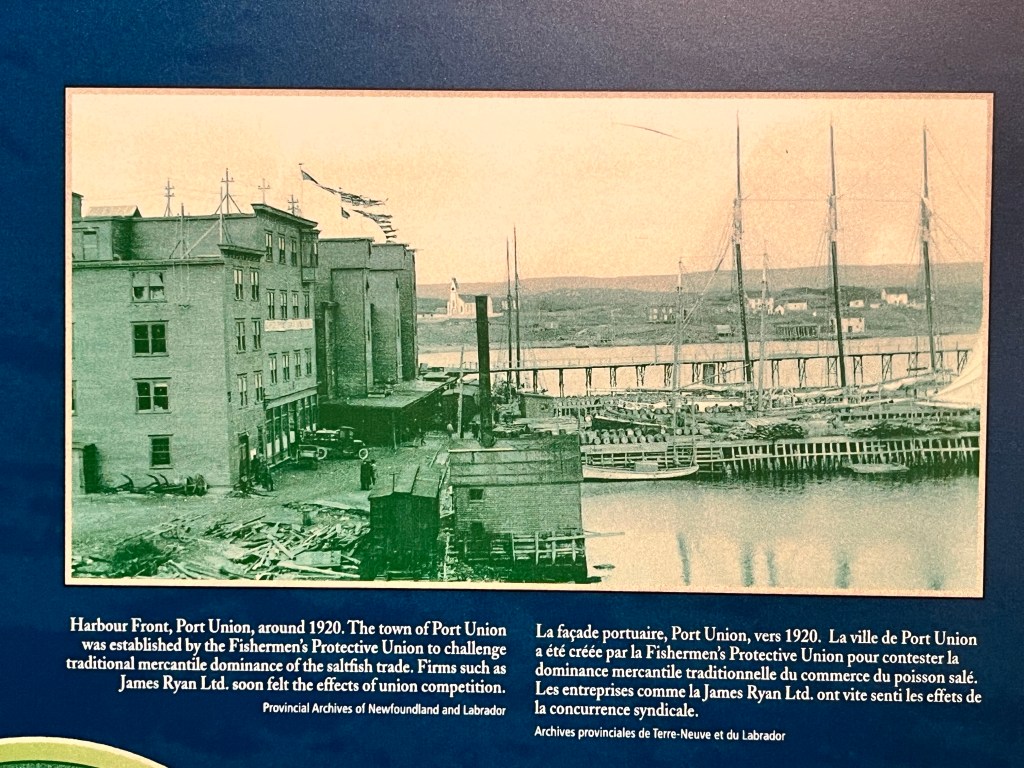
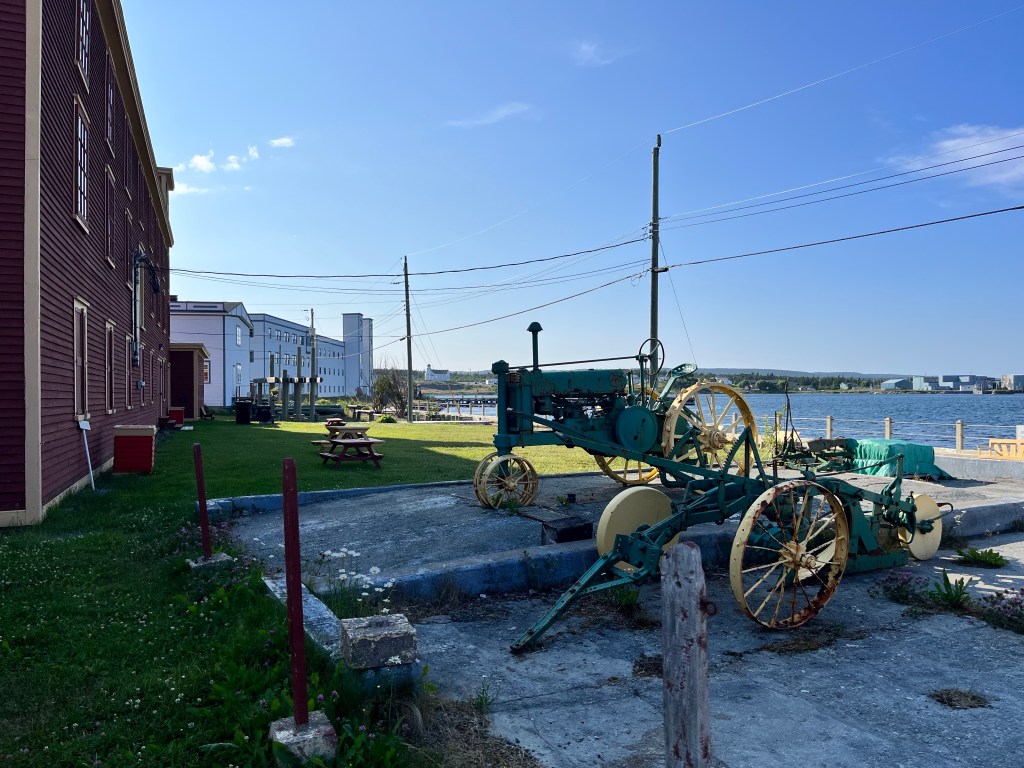
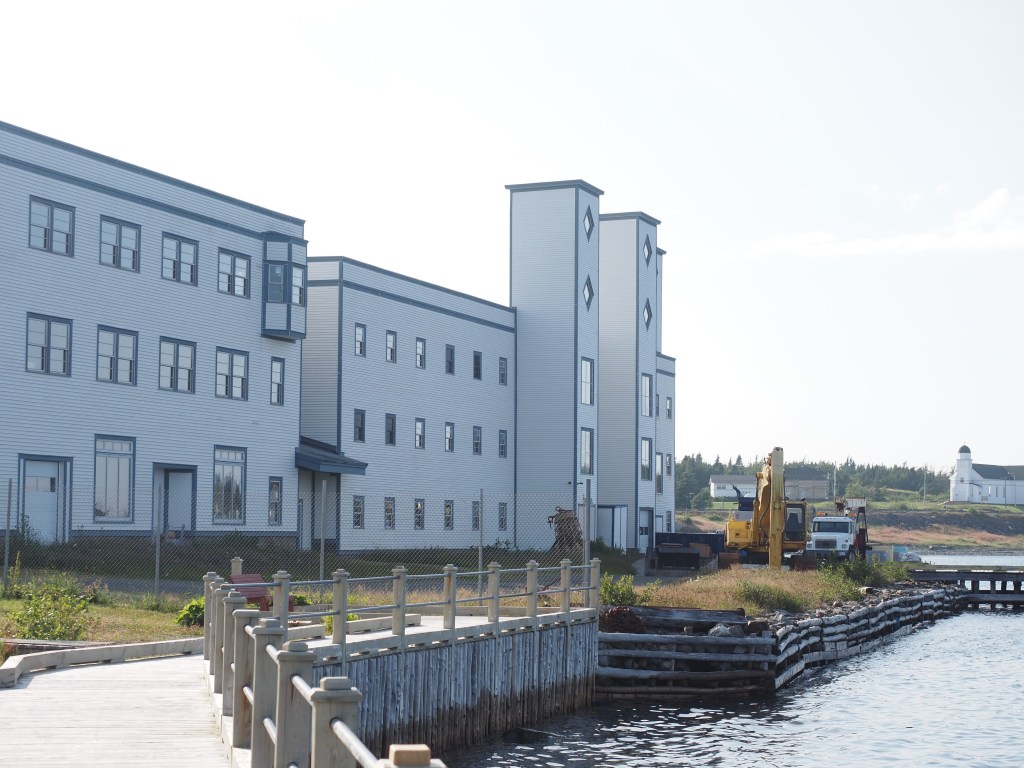
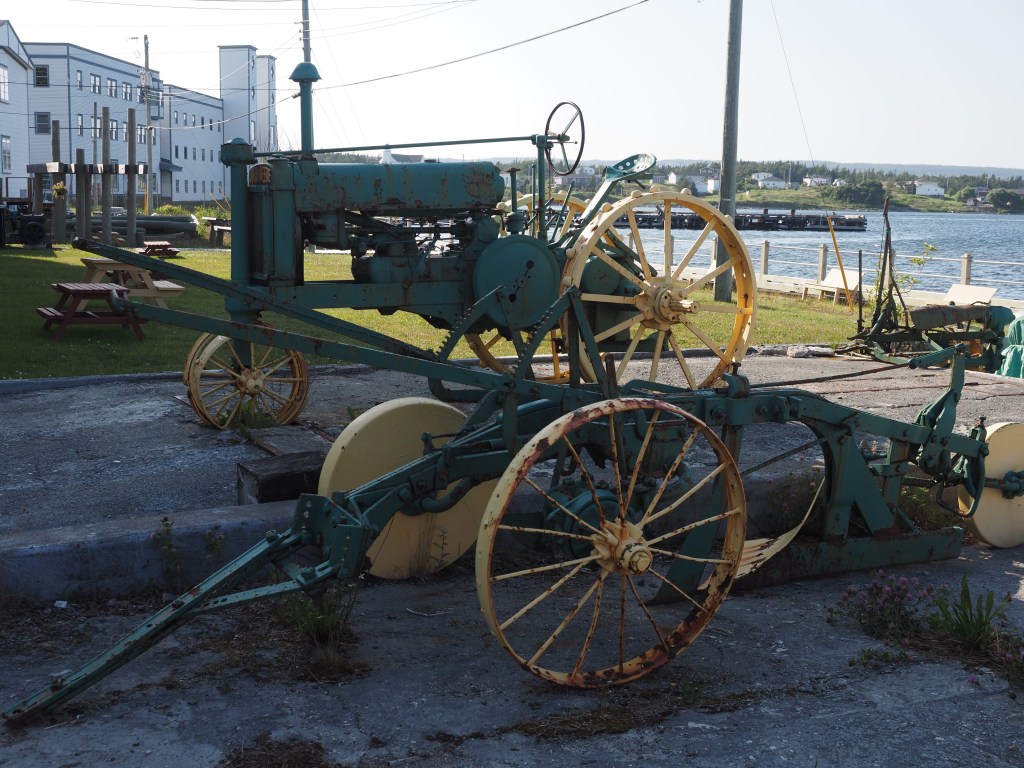
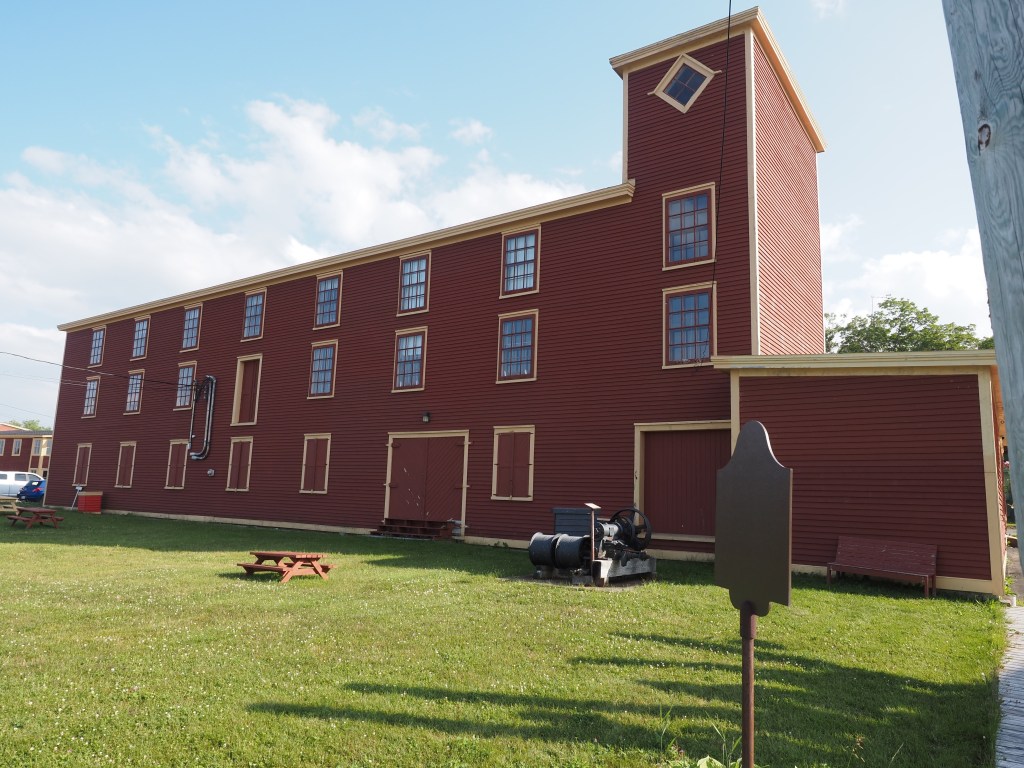
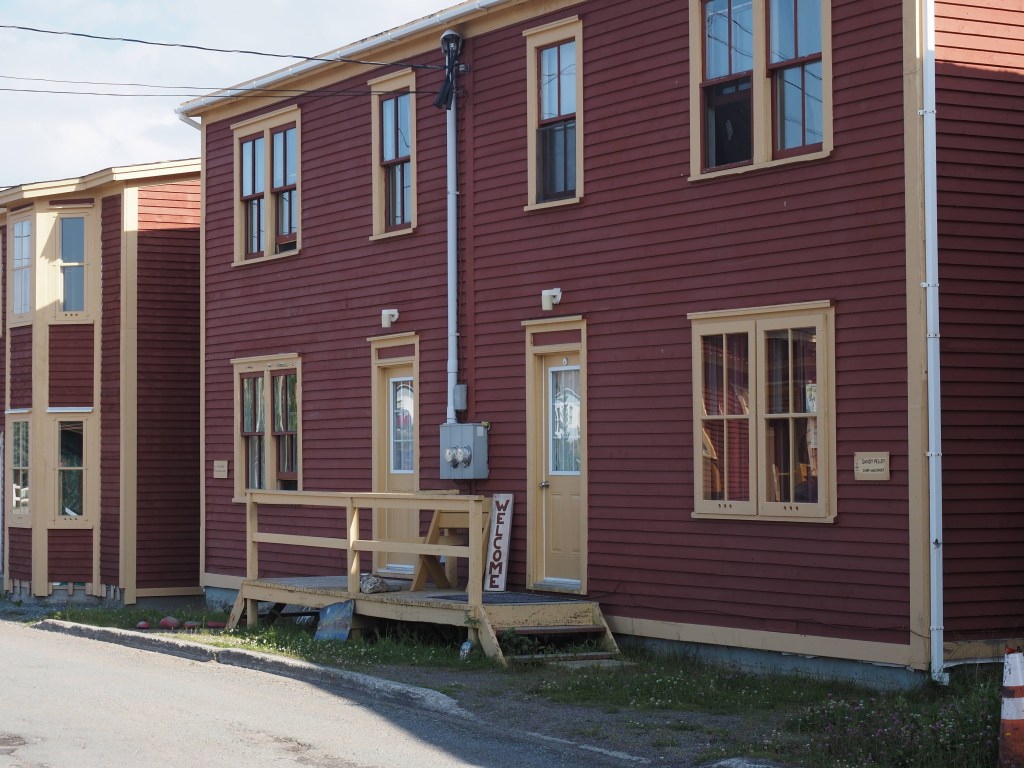
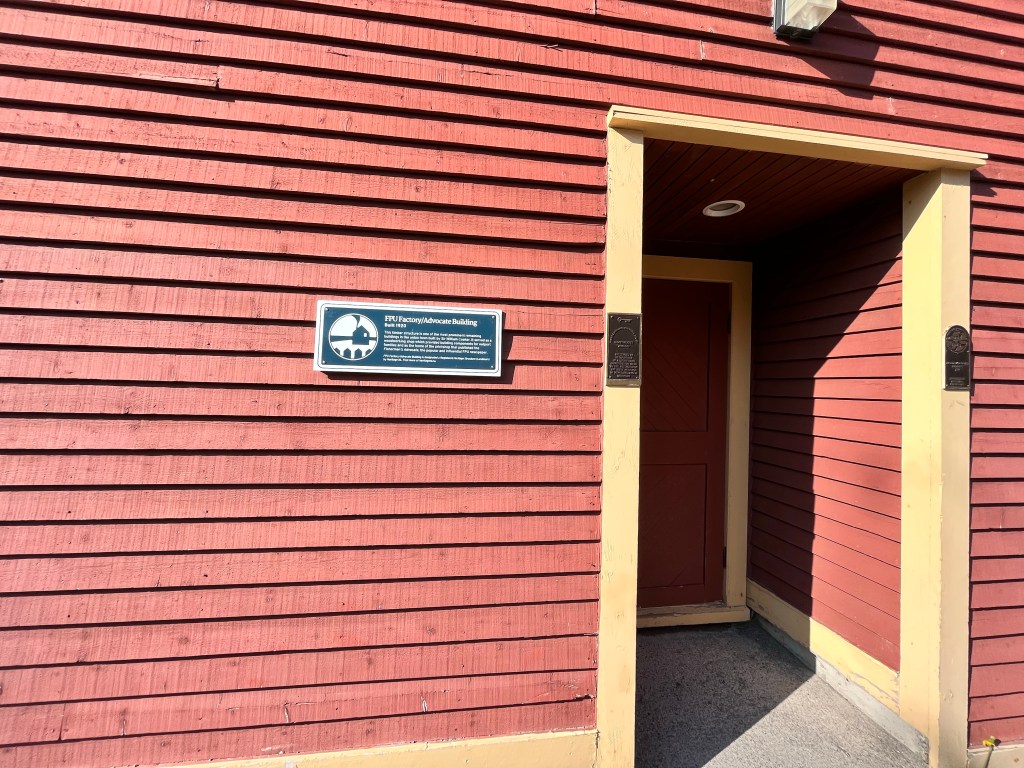
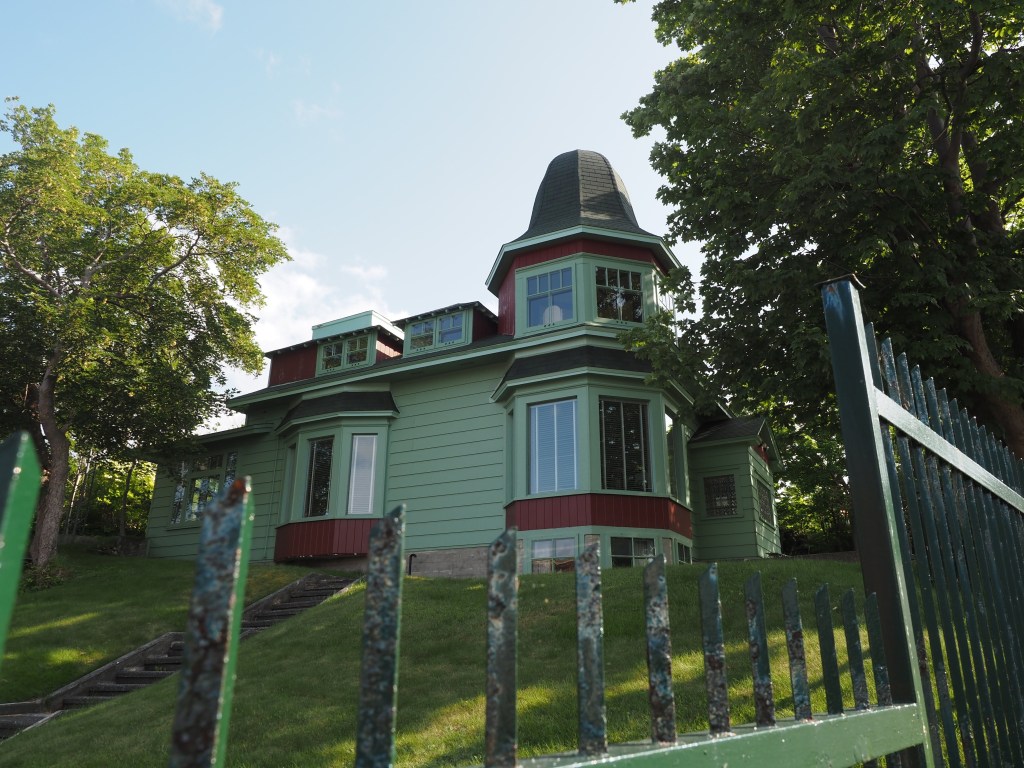
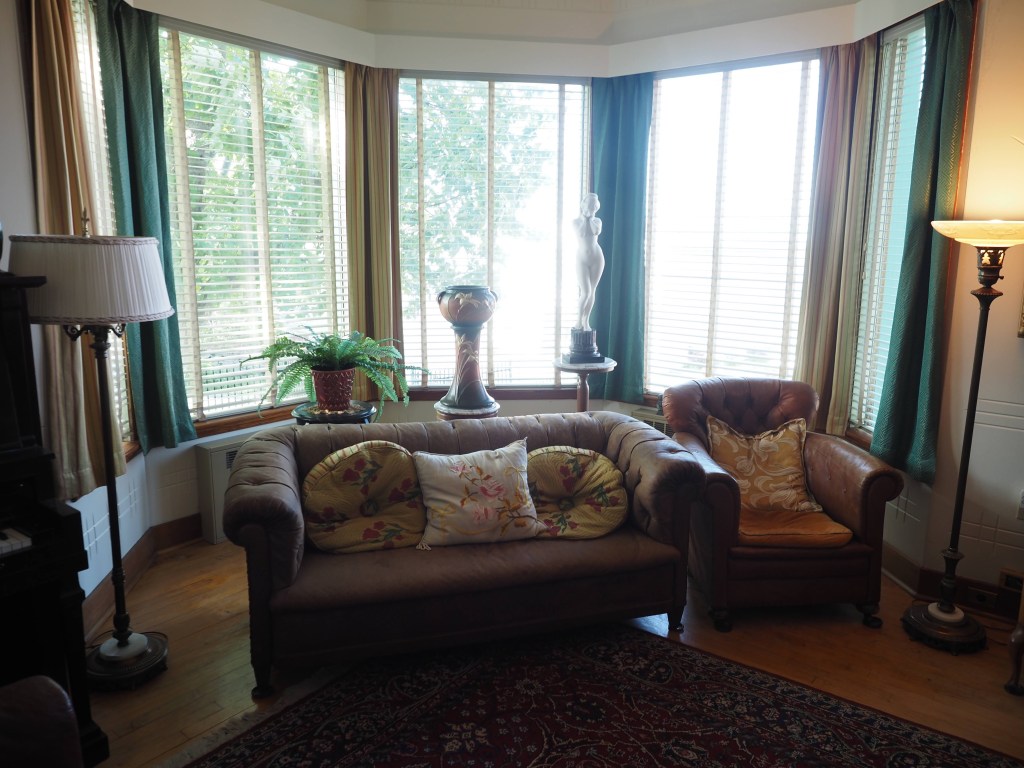
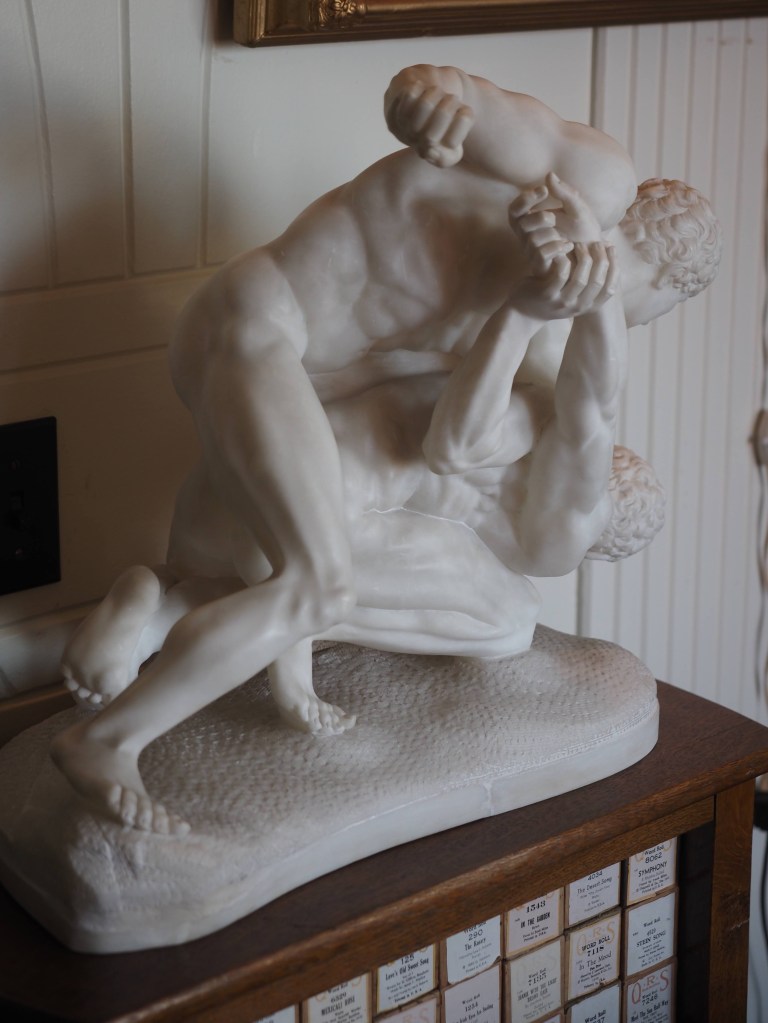
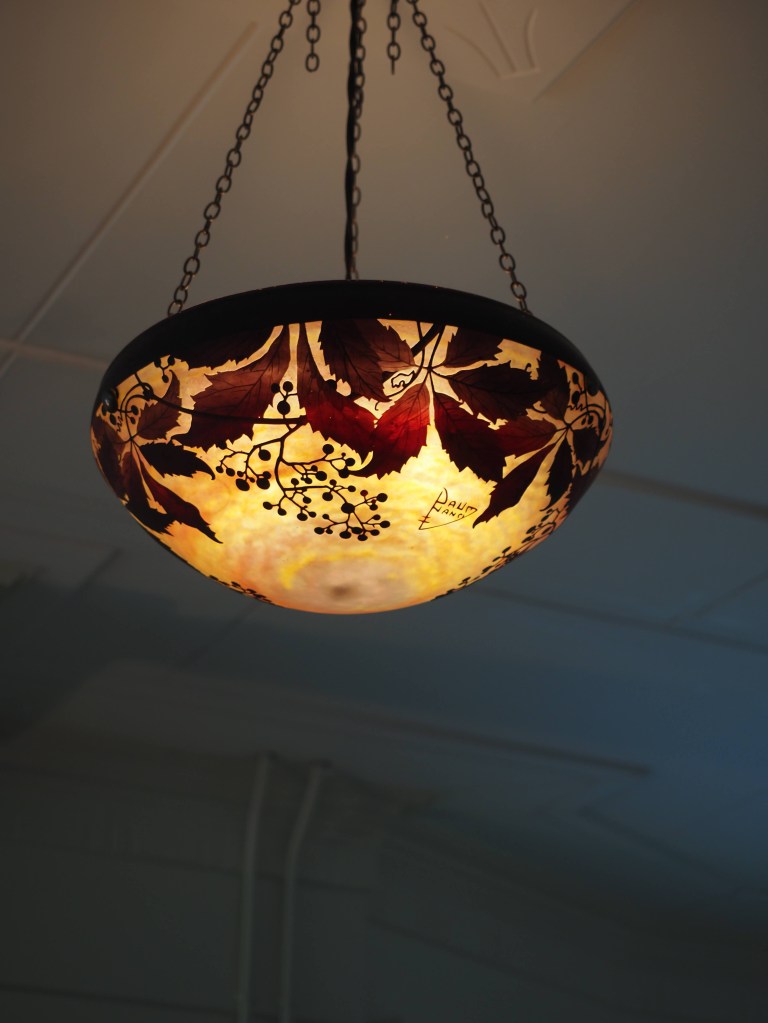
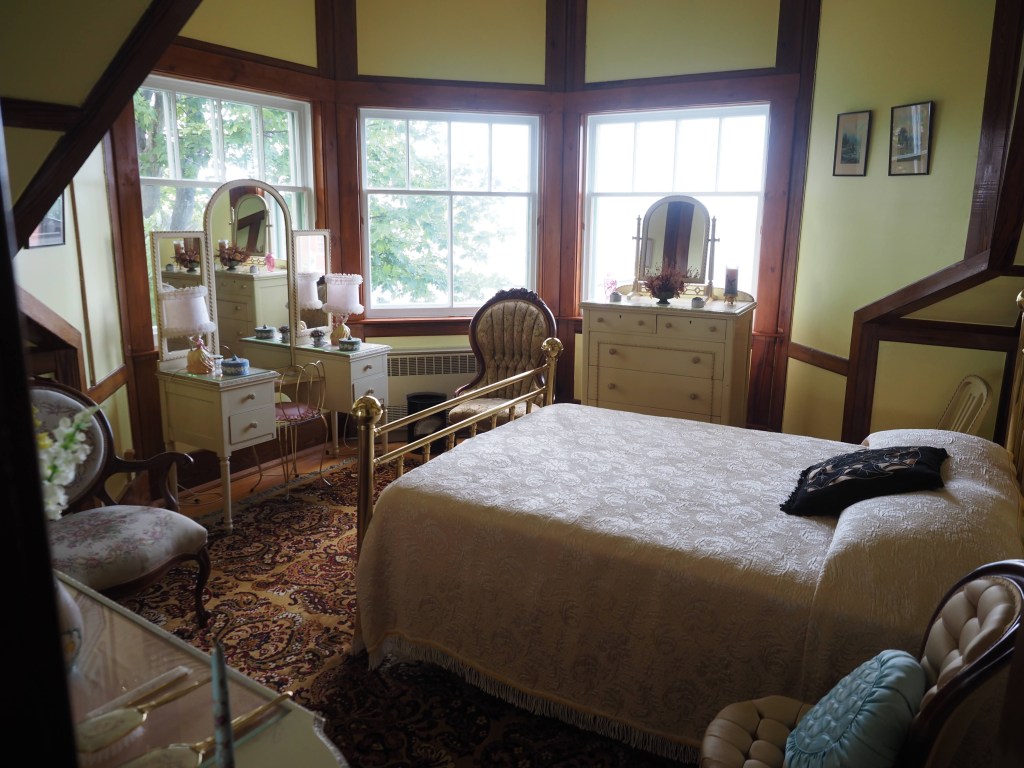
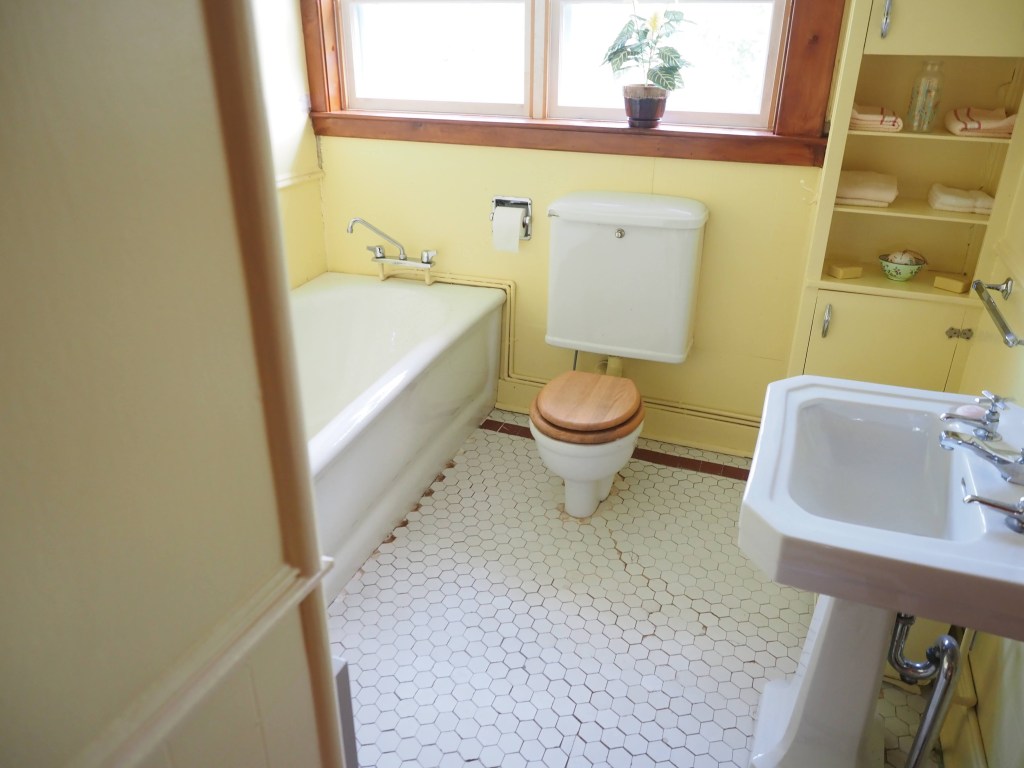
We had a tour of William Coaker’s home. For it’s time the house itself was impressive as were the stories of many important politicians and business people who met with Coaker here. The tour was terrific and shed light on the concept and success of Port Union.
Here are some photos.
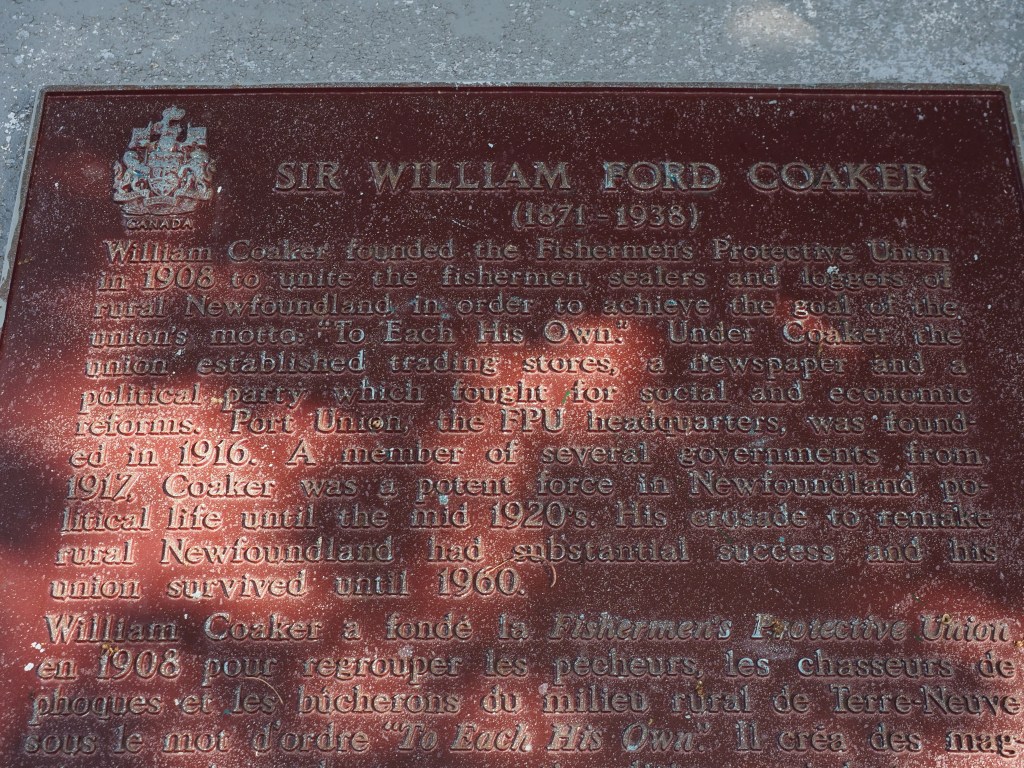
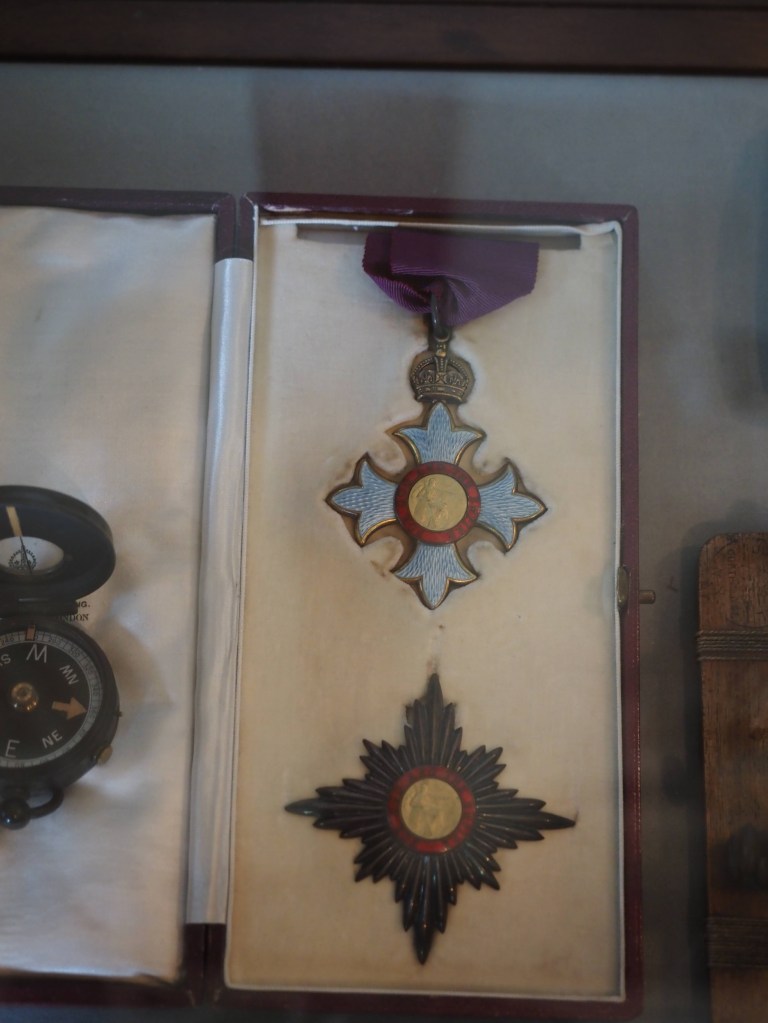
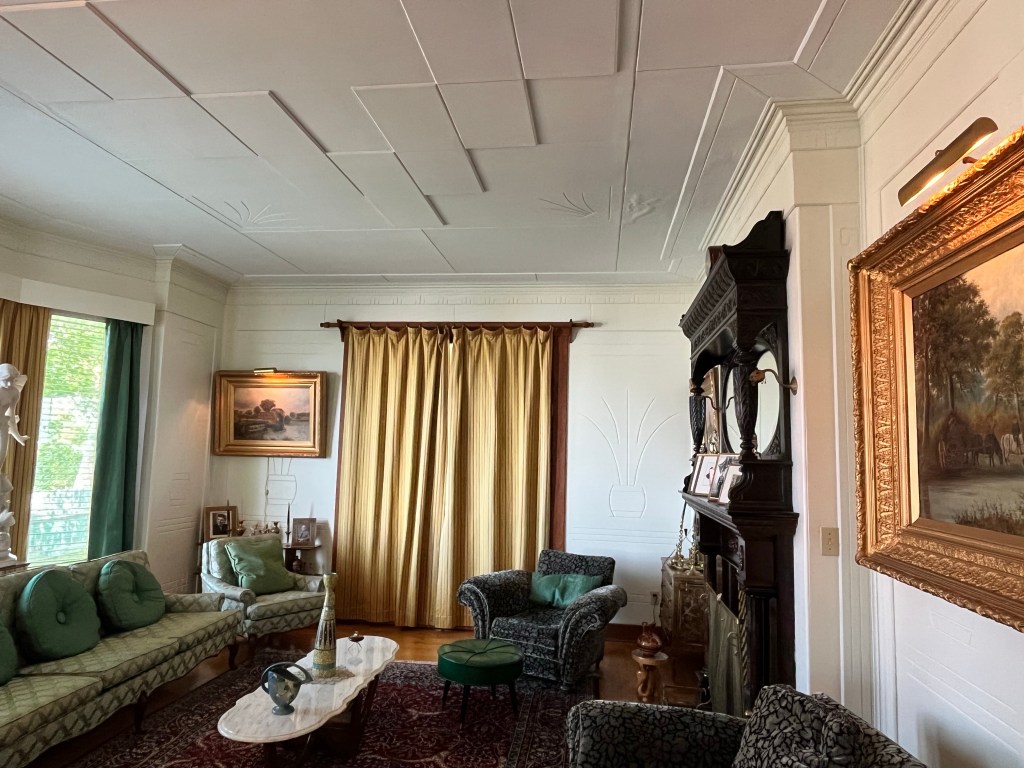
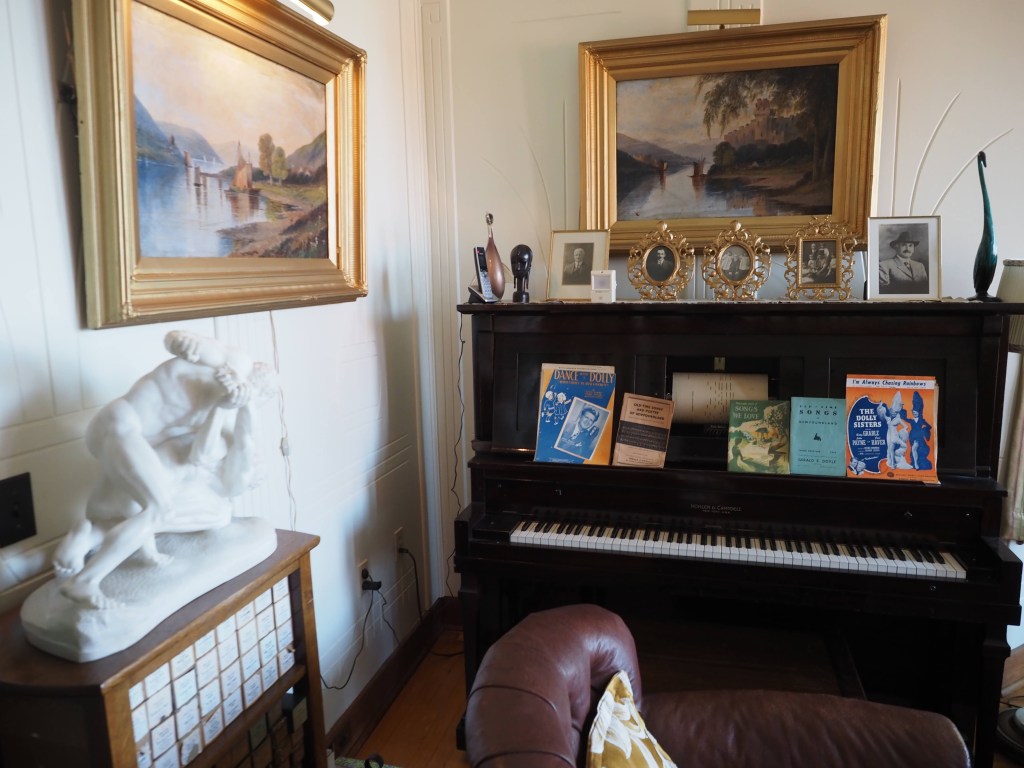
An aside!
Fun facts for the geography nerds….. we have mentioned the term peninsula a lot. Being an island, Nfld is many, many peninsulas joined together – some very thin and others more broad. Of course there is a big land mass in the middle but at the many edges you find peninsulas and endless coves. And most of the roads (so the tourists) stick to the perimeter. Oh yes, and you see ponds everywhere (these come in all sizes including large lakes). So water is never far away. We were surprised to learn that anywhere in Terra Nova National Park (which felt inland) is no further than 5km from the ocean and has 134 ponds. And some new terminology – the term ‘tickle’. A tickle is a short narrow straight say, between an island and the mainland.


 Two Sore Backs
Leave a reply to Pat McGuire Cancel reply