“If we are talking, we say Saigon. If we are writing, we use Ho Chi Minh City”. We heard this from a few people, even some from the north, but let’s go with Saigon anyway.
Saigon seems to have a reputation for being super crowded and fast paced. It’s definitely busier than Da Nang, but we found it comparable to Hanoi.
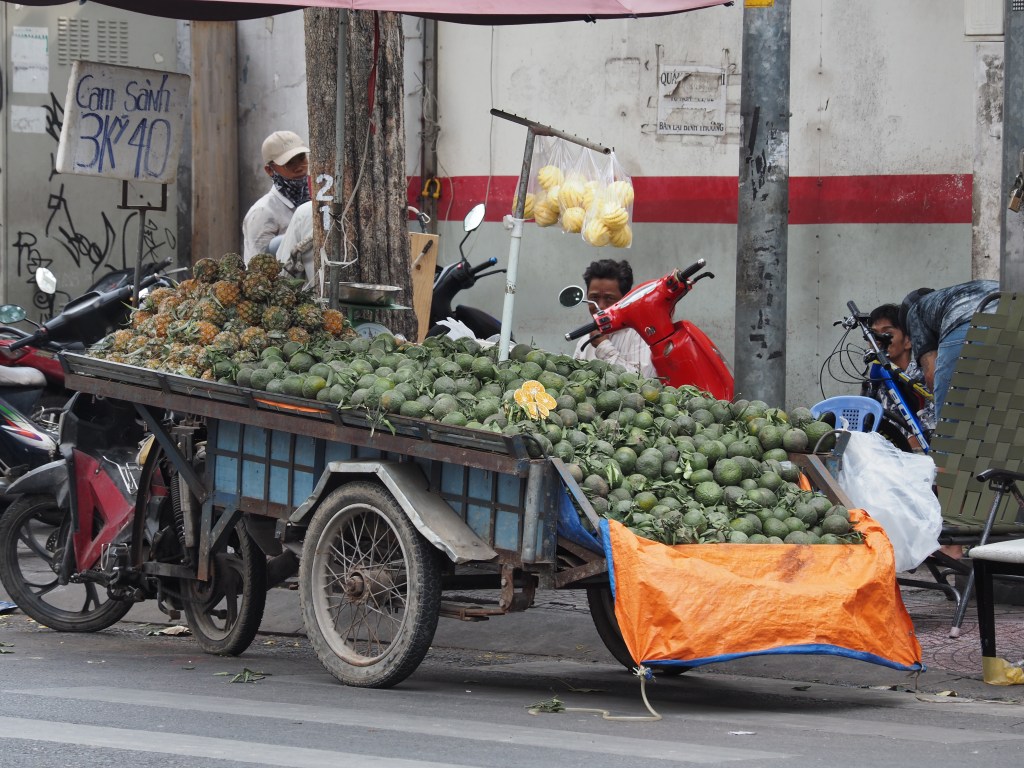
There’s still room for farmers’ carts on the downtown streets.
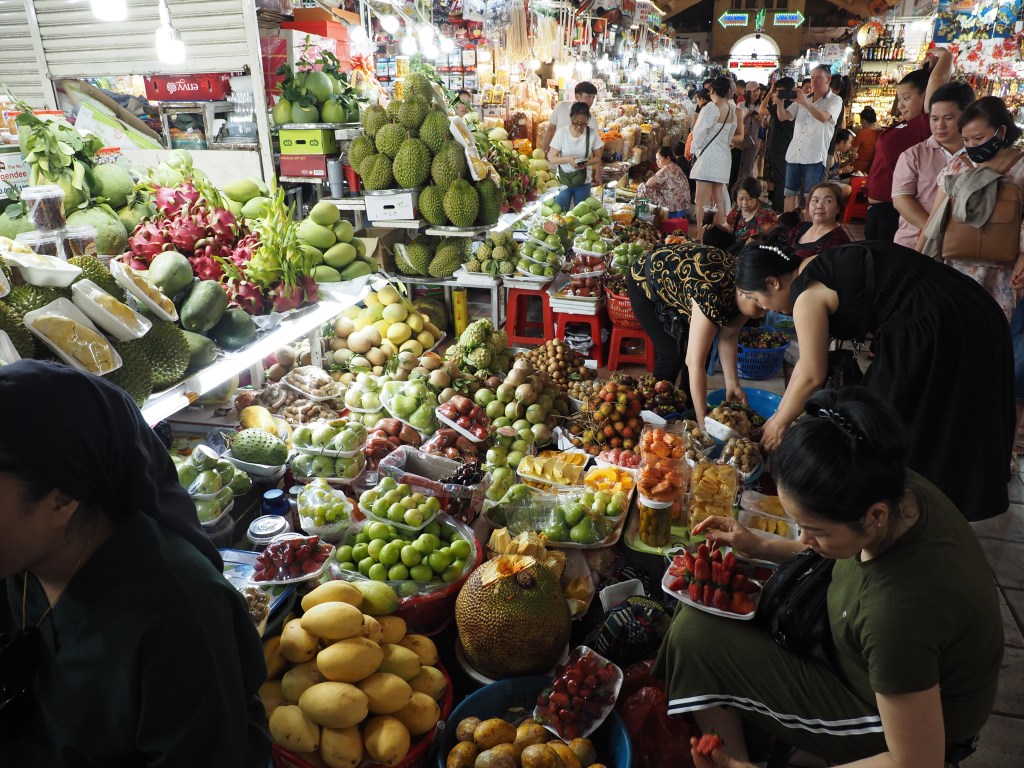
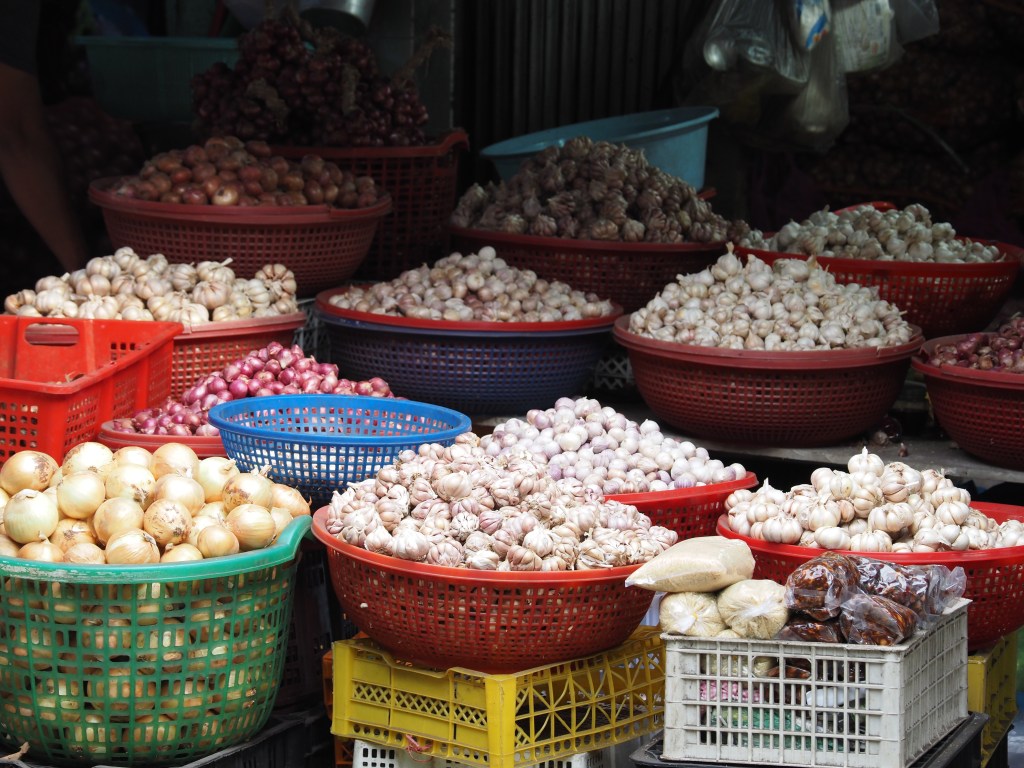
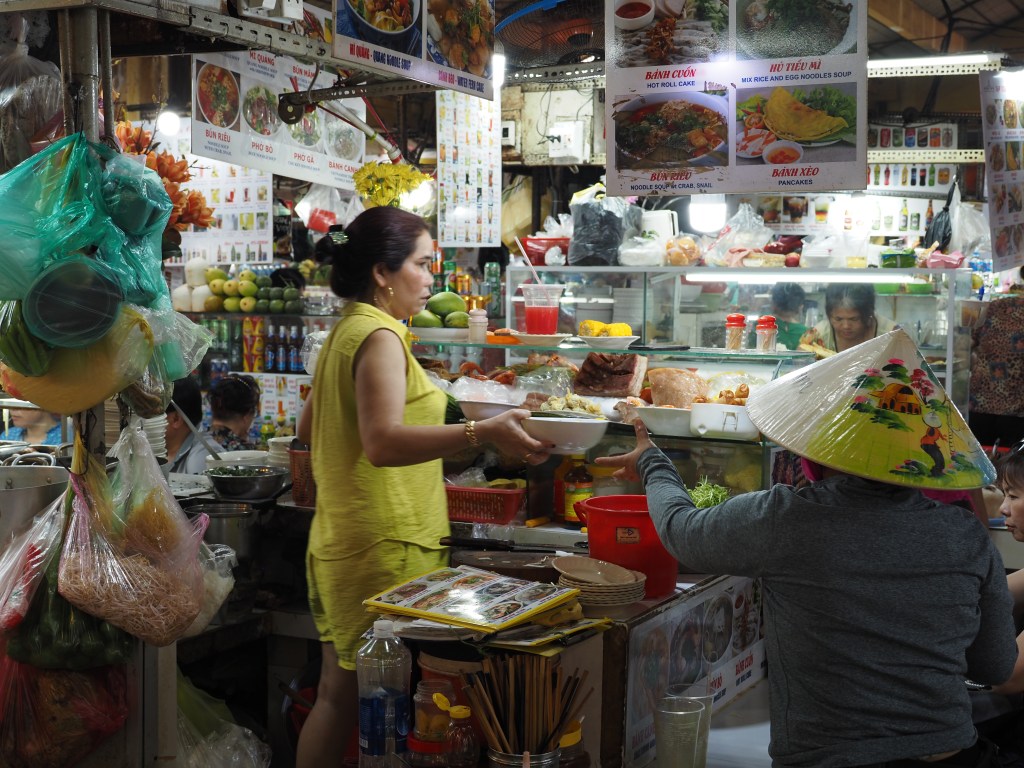
Even though we had arranged a food tour for that evening, it had been a while since breakfast, so we decided to have a light lunch at one of the market stalls.
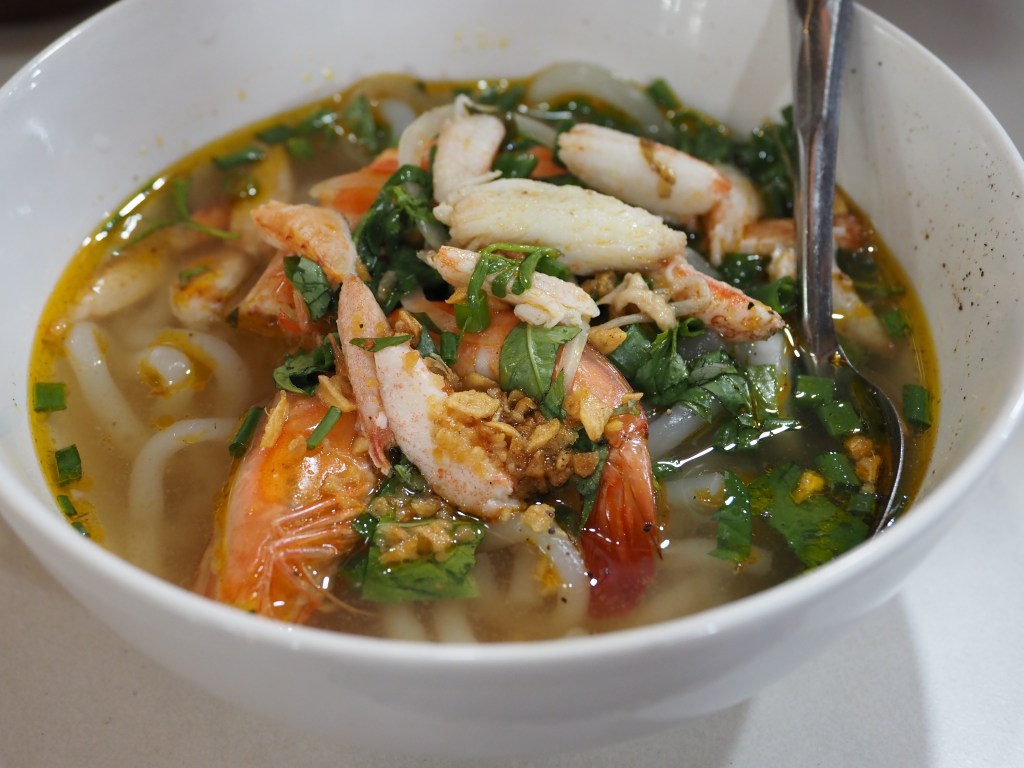
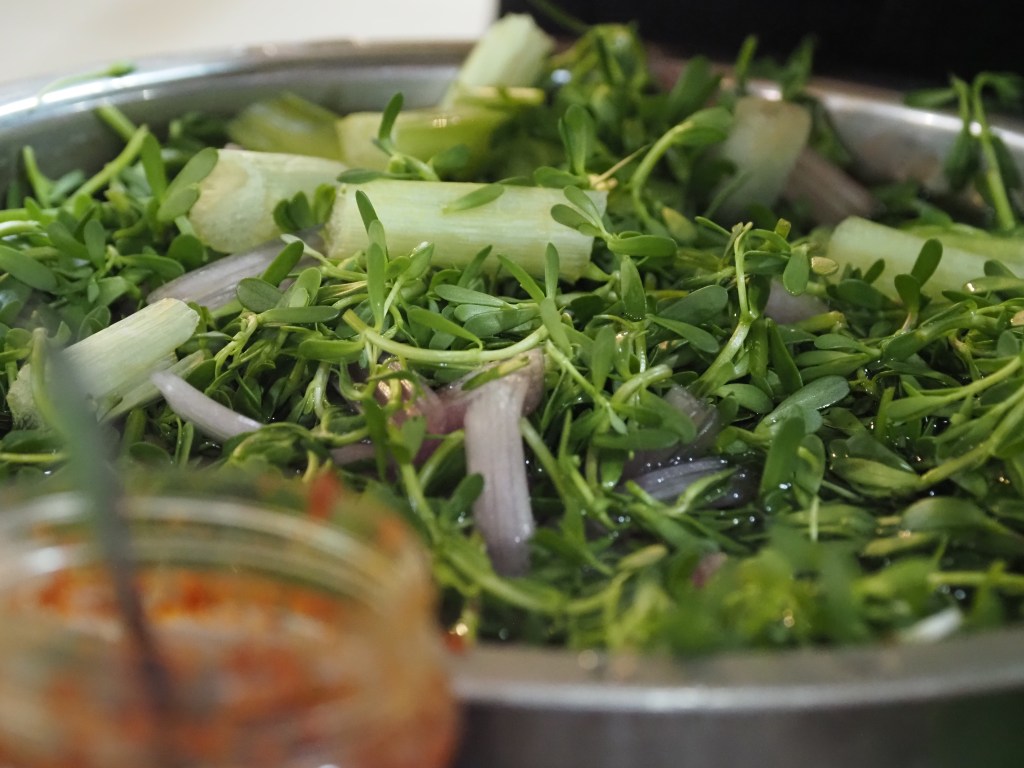
Later that afternoon our guides picked us up for the most amazing food tour. We’ll cover that in a separate post.
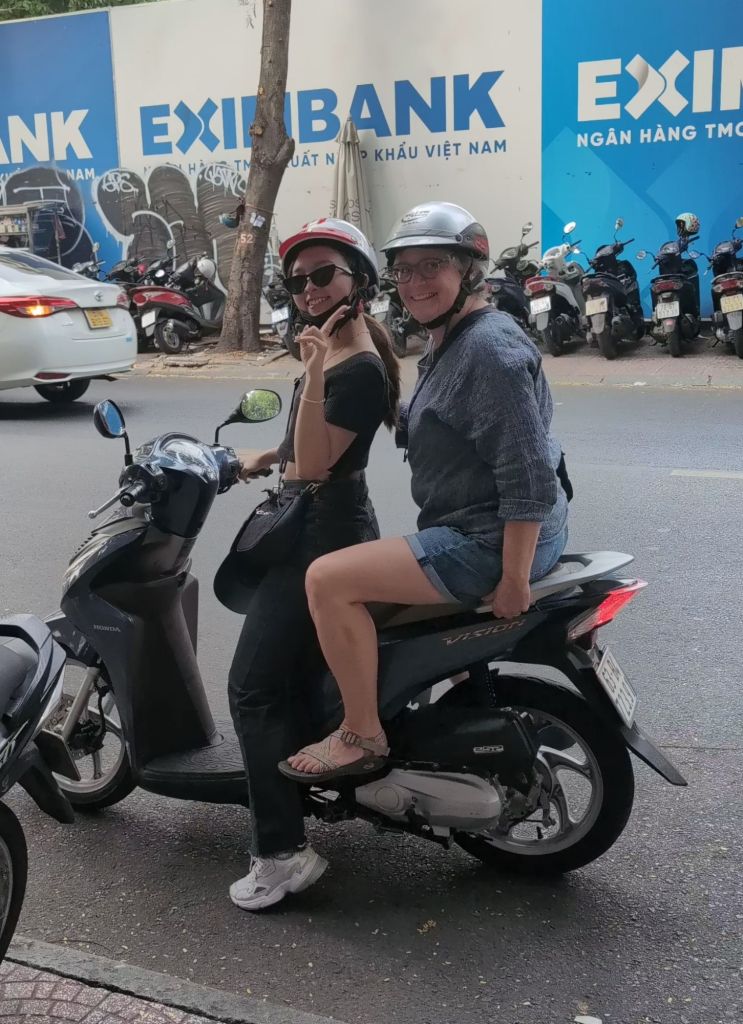
The following morning we went on a quest for coffee. First up, The Old Compass Cafe and Bar. We read about this place in an old Lonely Planet, saw that it still gets 4.6 stars on Google Maps, and then noticed it was one of the places that Tony, out food tour guide from the night before, had recommended. Turn into a filthy alley, look for the sign, pass through the grimy doorway, climb three flights of stairs and you are in one of the coolest spaces. It had just opened, so we were the first customers.
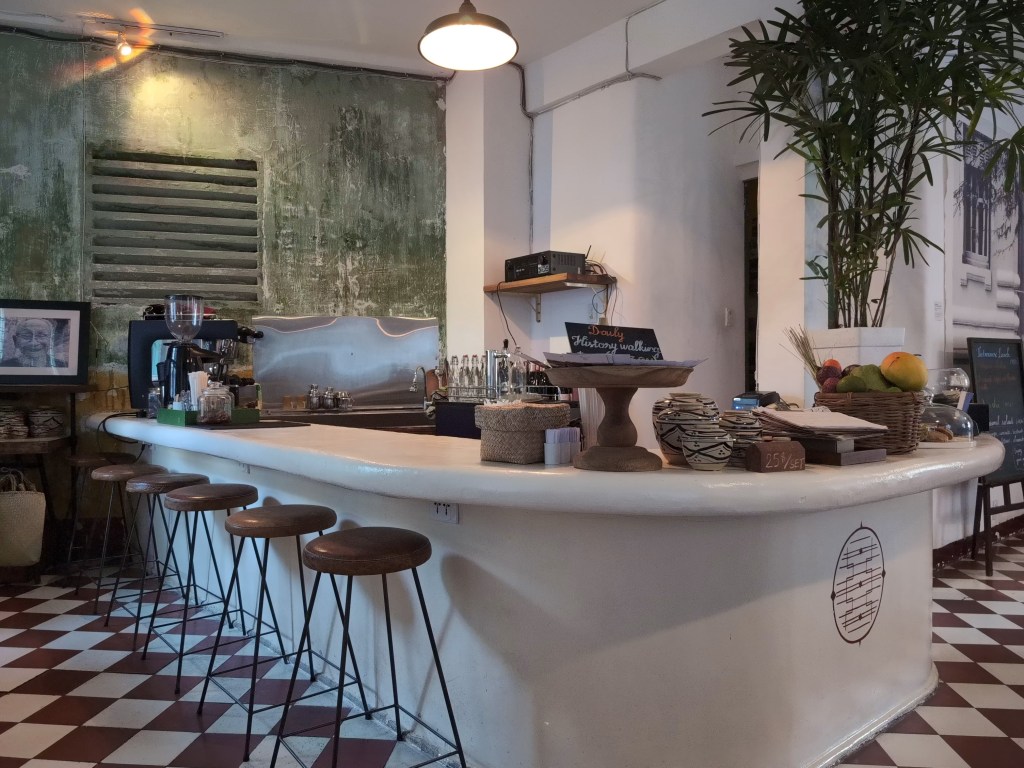
The coffee was great, breakfast was very good as well, and you can’t beat the music and atmosphere.
Second stop was Cong Caphe, also recommended by Tony.
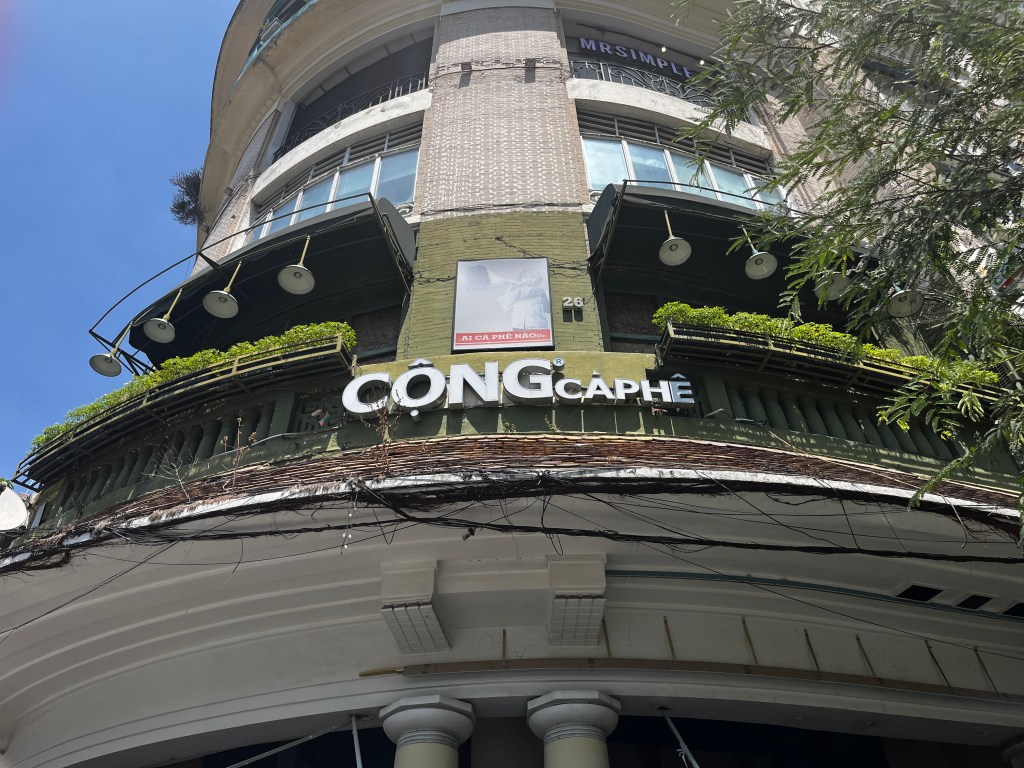
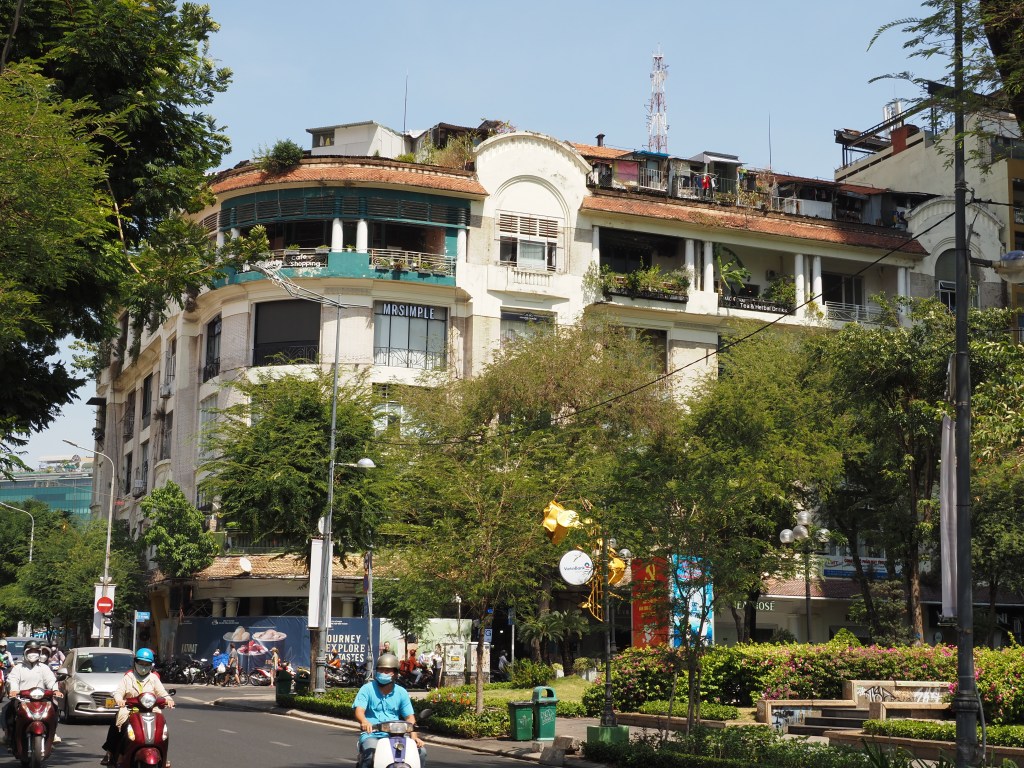
What makes this place interesting, besides the great Vietnamese coconut coffee, is the building it’s in.
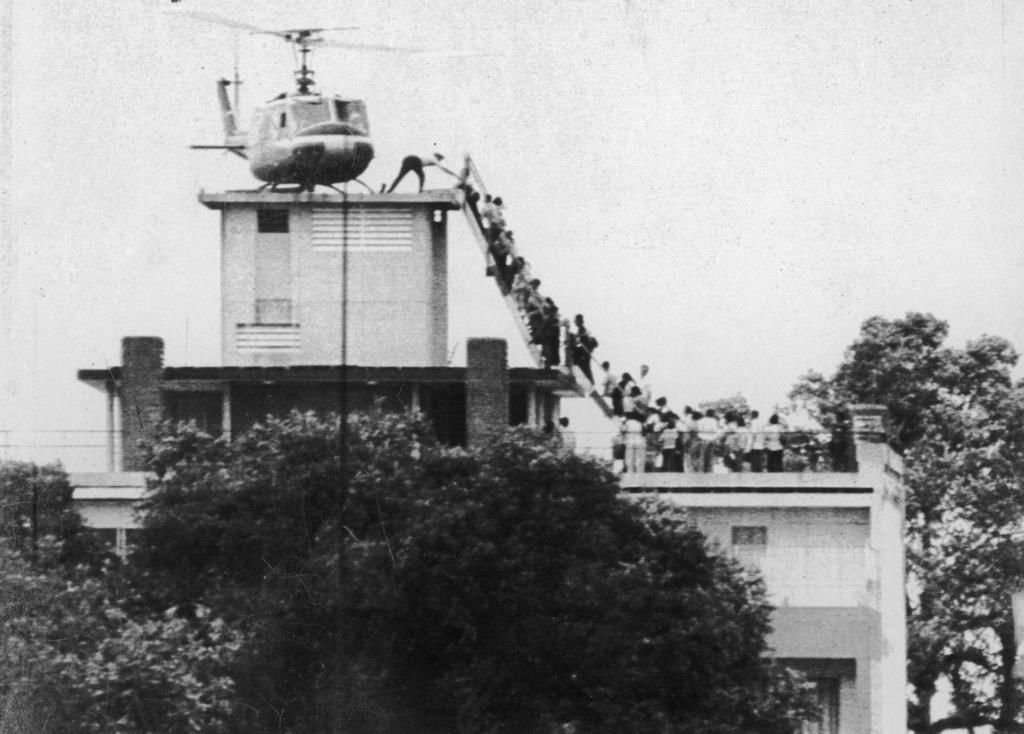
It’s where the last evacuation flight took off from when Saigon fell on April 30, 1975.
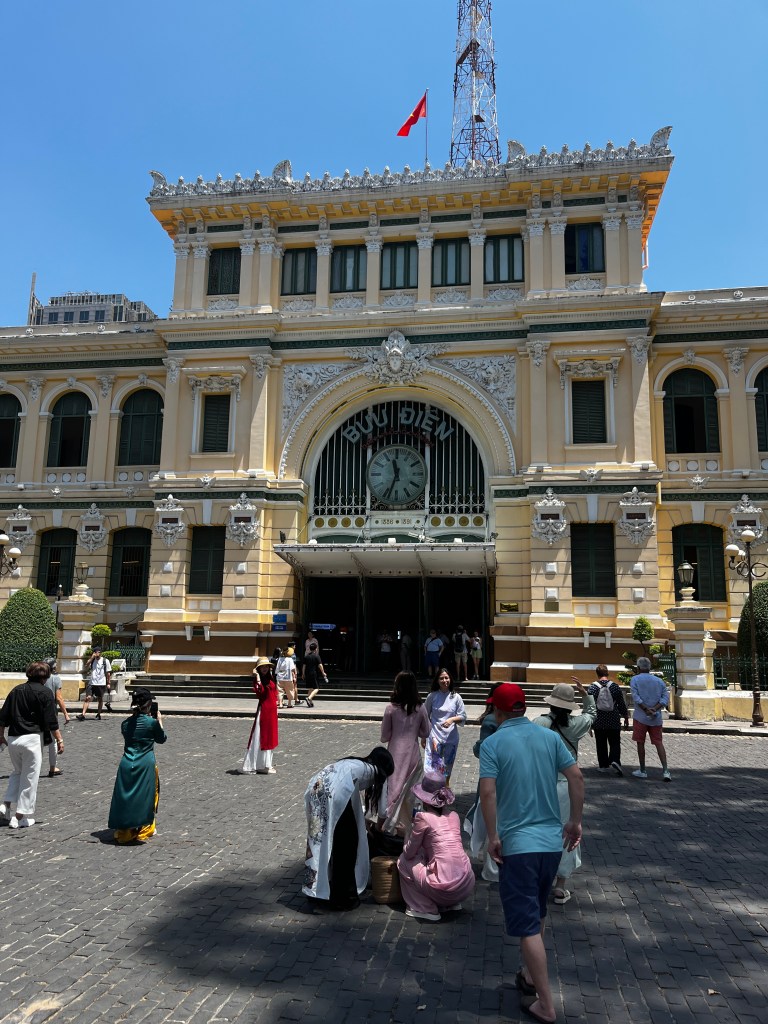
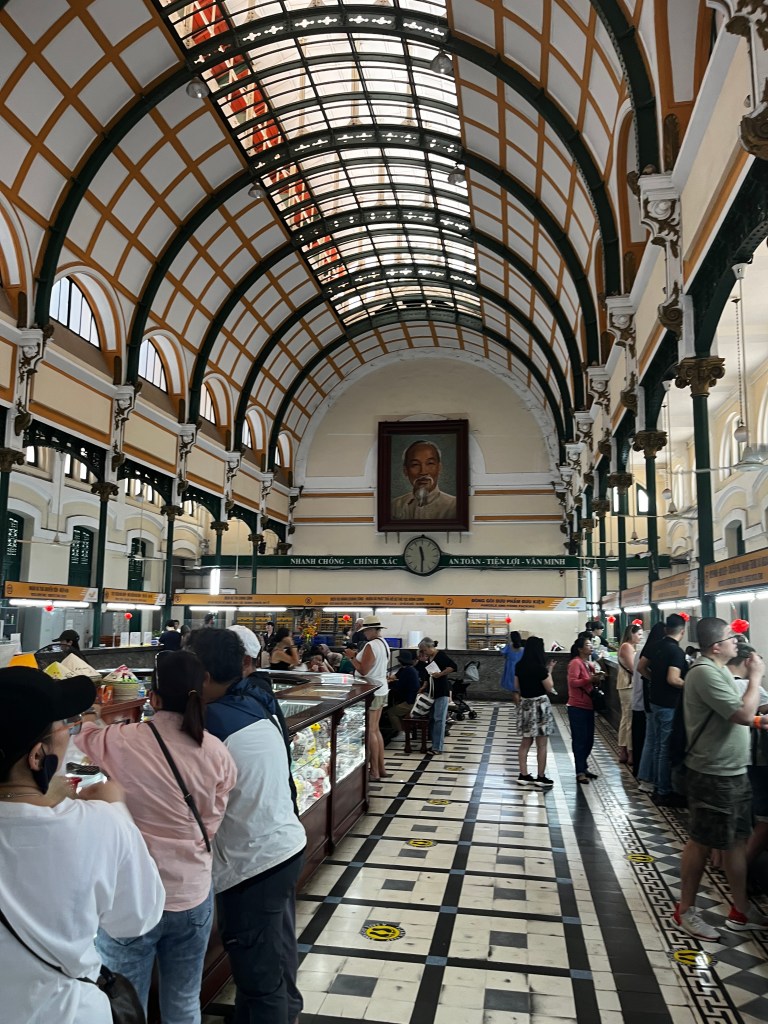
Now that our caffeine levels were sufficiently through the roof, it was over to the old post office. Val wanted to send a postcard from this historic location.
Then it was back to the hotel to get ready for a tour of the Cu Chi Tunnels.
There were over 250 km of these tunnels, concealed in the jungle northwest of Saigon. The Viet Cong used them to move fighters and weapons, and to provide cover during the day.
They were built on three levels, the deepest of which could withstand bombing from B52’s.
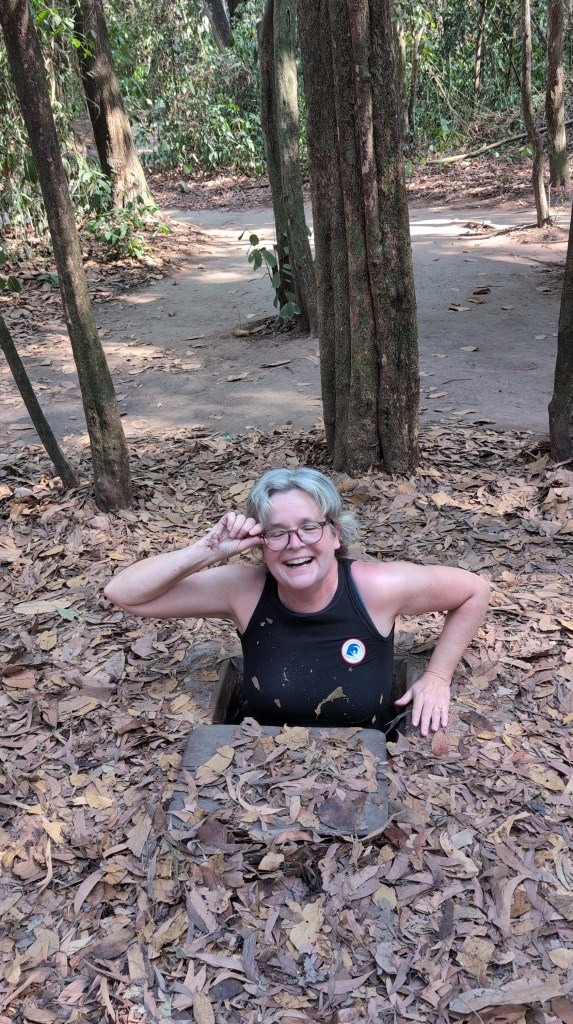
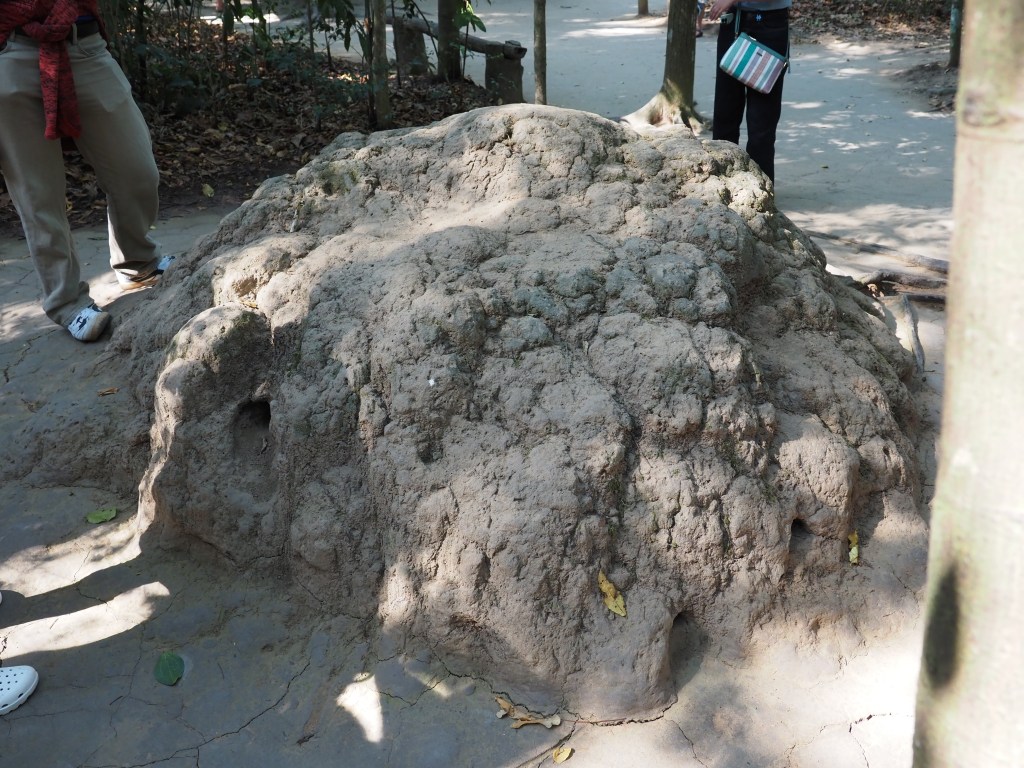
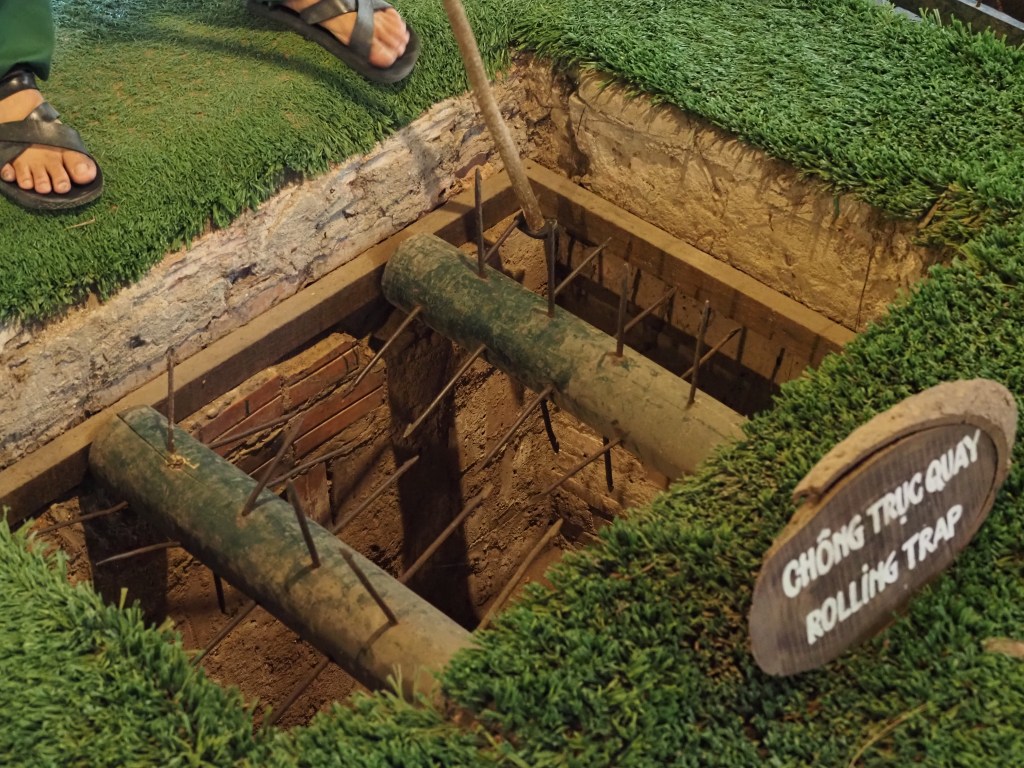

Conditions in the tunnels were miserable. Besides the constant fear of enemy attacks, lack of ventilation, snakes, rodents, scorpions, spiders, and having to avoid their own traps, most who lived in the tunnels contracted malaria, and virtually everyone contracted serious parasite infections.
Moving through the tunnels was really difficult. Granted, the Viet Cong were small people, but wow.
And it was misery and terror for both sides. Can you imagine being sent into these tunnels, as a bewildered kid, with nothing but a handgun, to kill the enemy? Unspeakably horrible.
The tunnels were quite an experience.
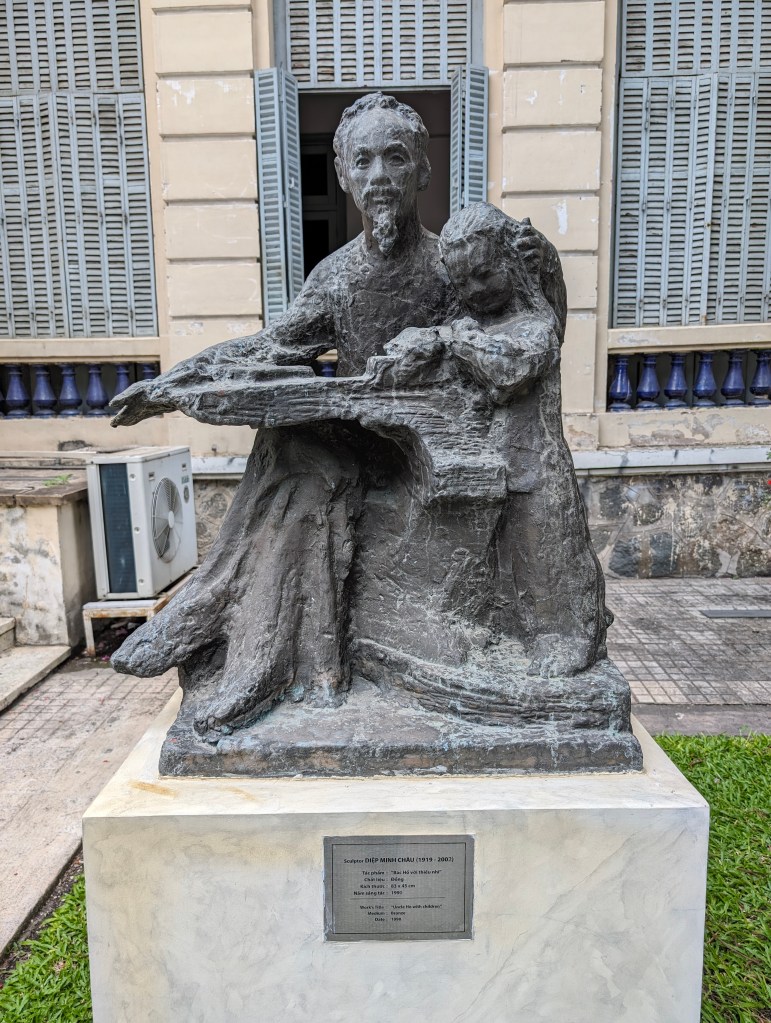
The following day, we realized the Ho Chi Minh City Museum of Fine Art was a stone’s throw away from our hotel. So we checked it out.
The art is extensive, but war was the theme of a good portion of it.
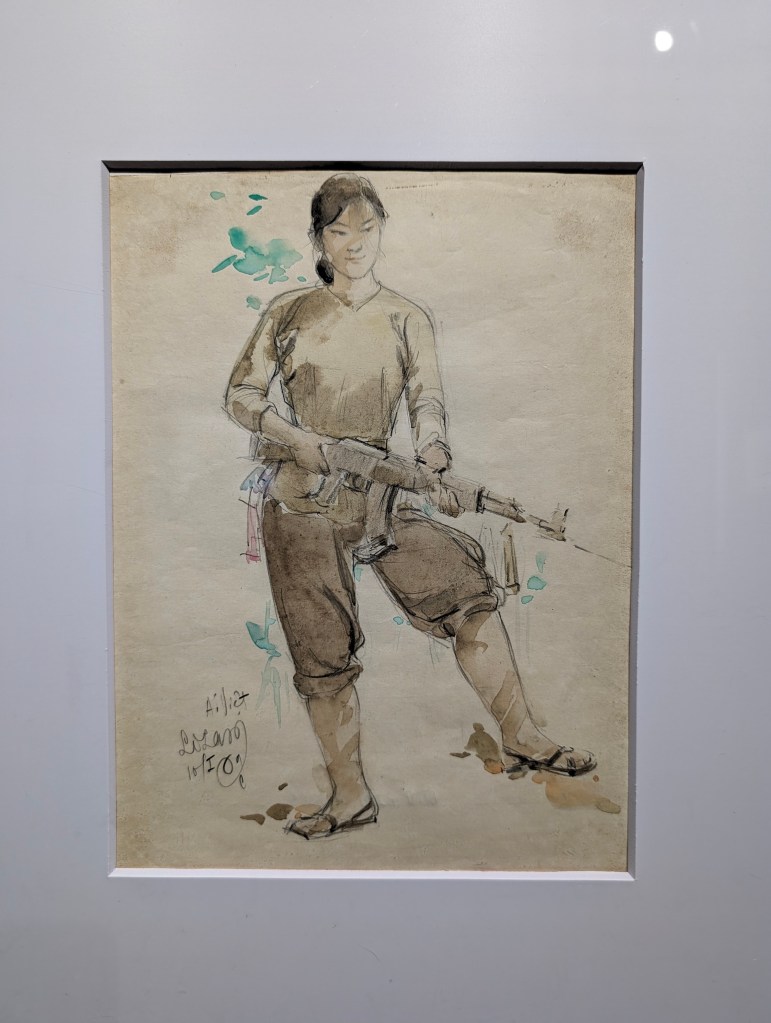
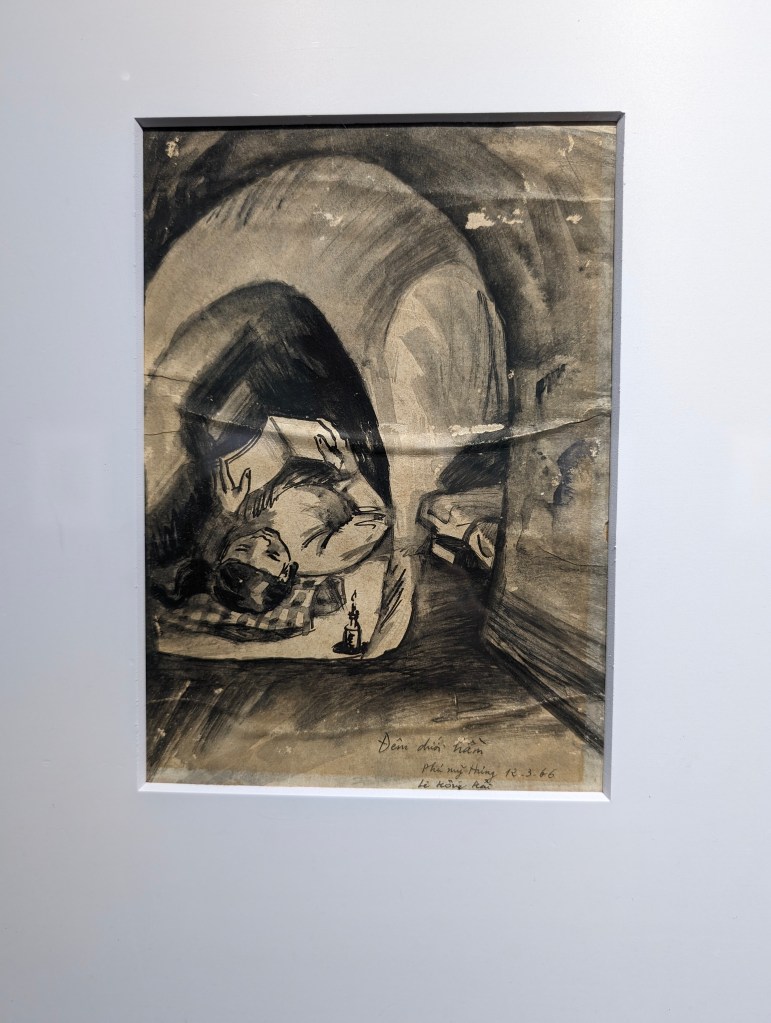
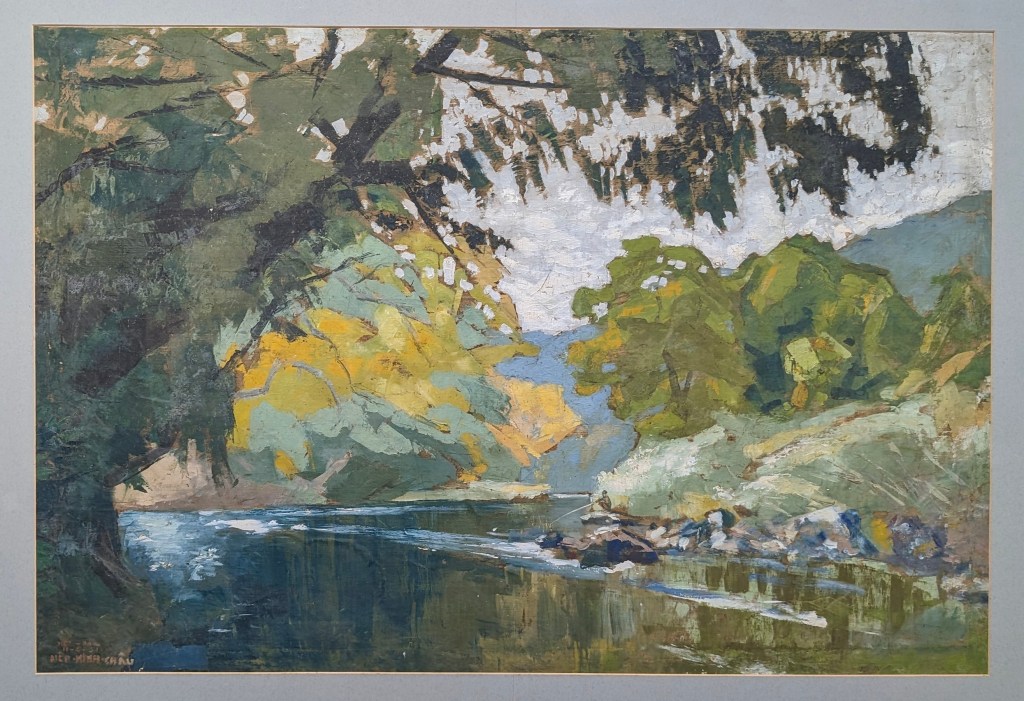

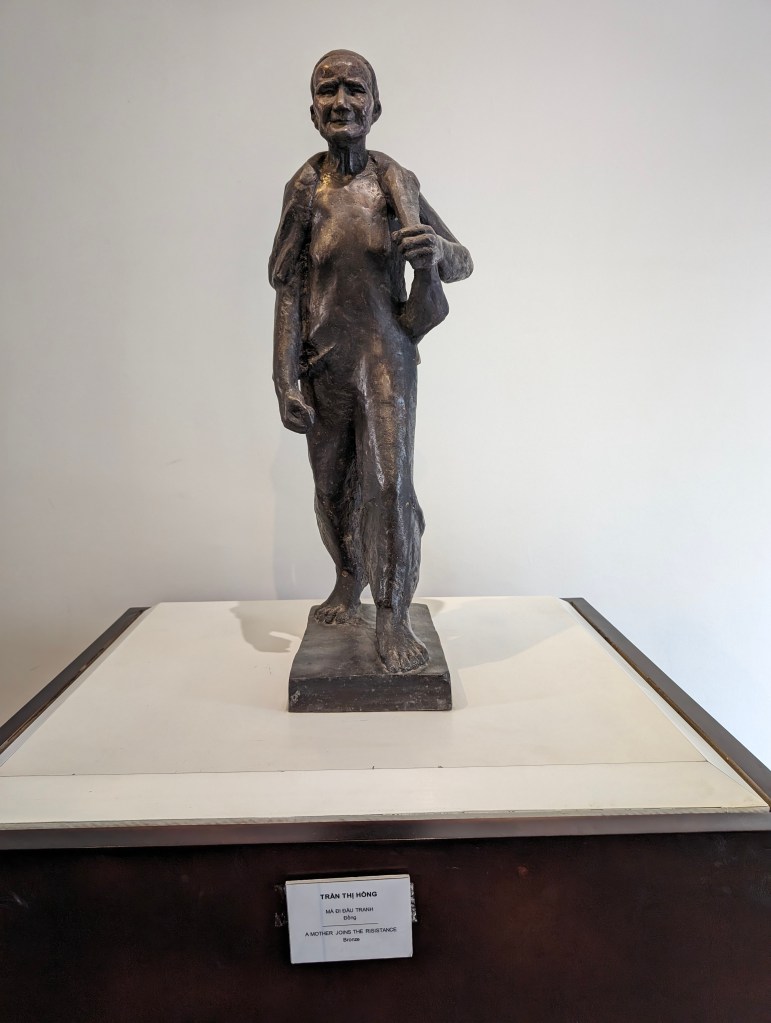
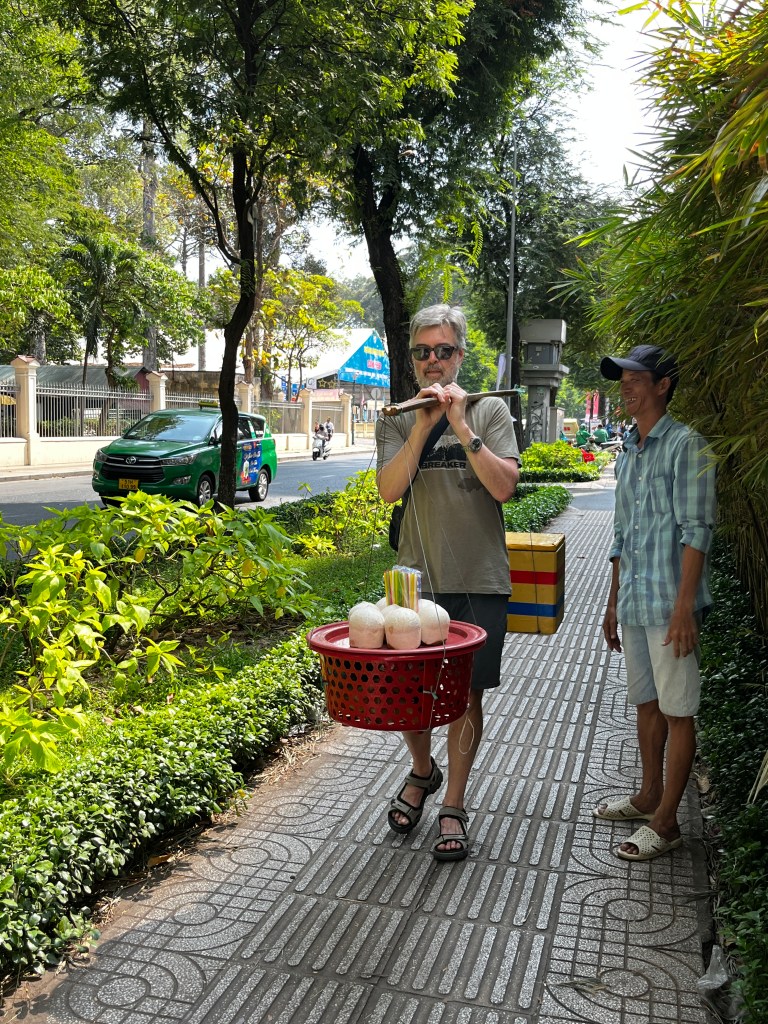
After the Art Gallery, we walked to the War Remnants Museum. Along the way we met a street vendor who was interested to see how I would do carrying his wares. It was heavy! But I think I did OK.
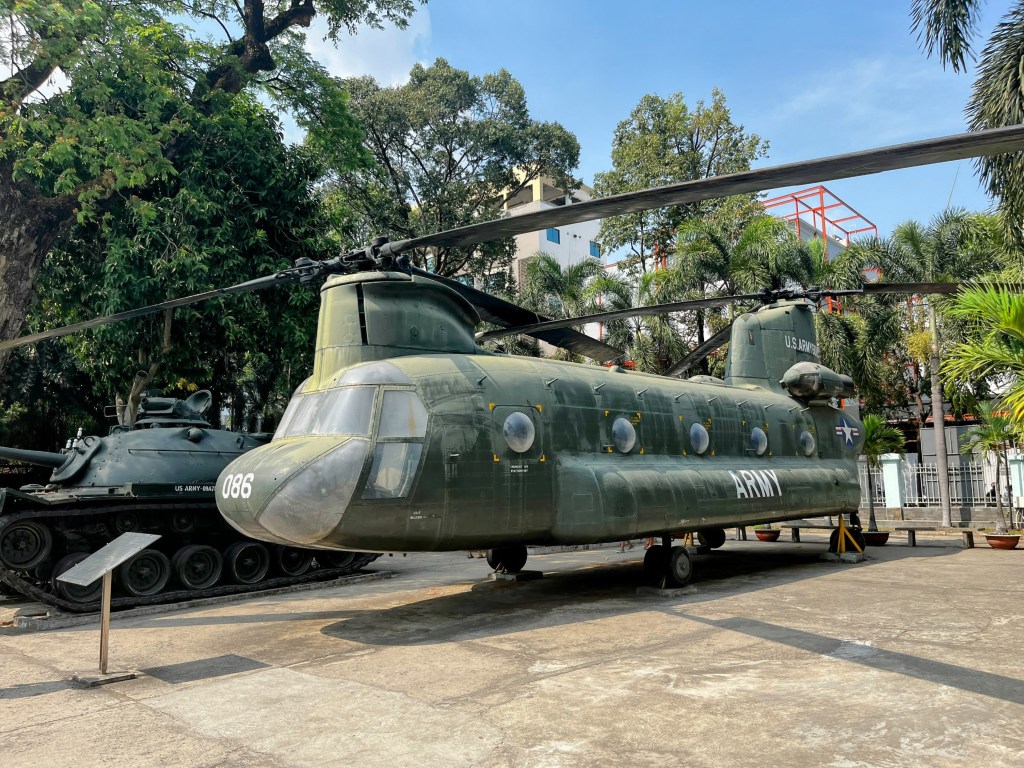
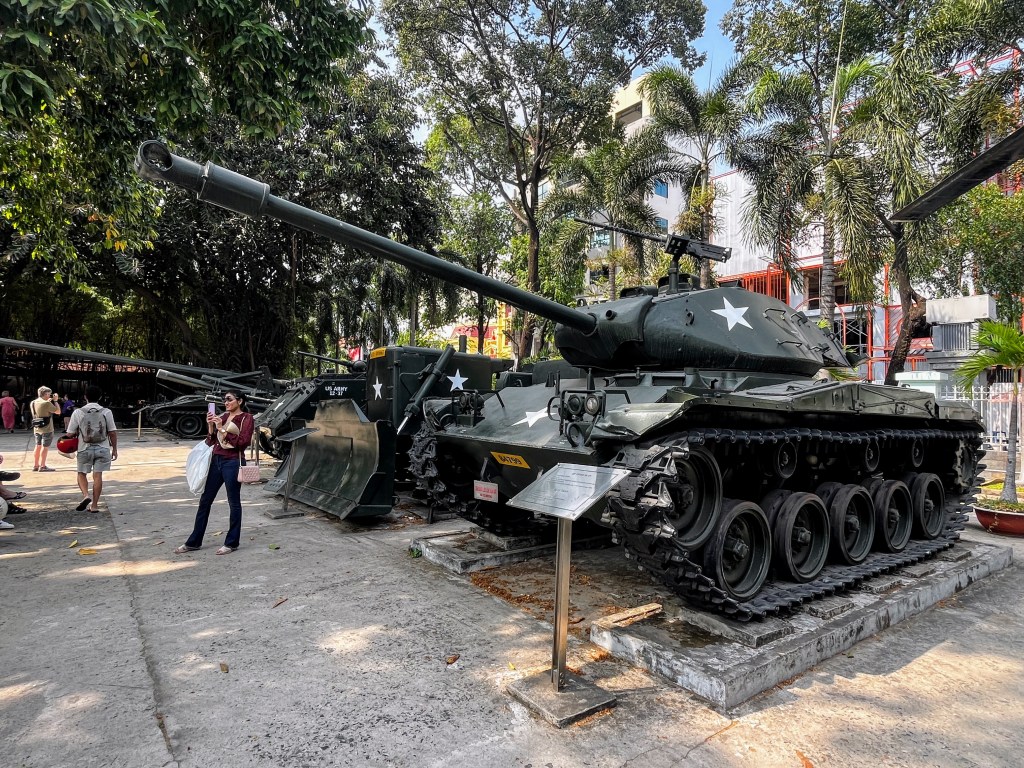
The War Remnants Museum started out simply enough, with displays of American weapons that had been recovered.
But once inside, the exhibits were very difficult.
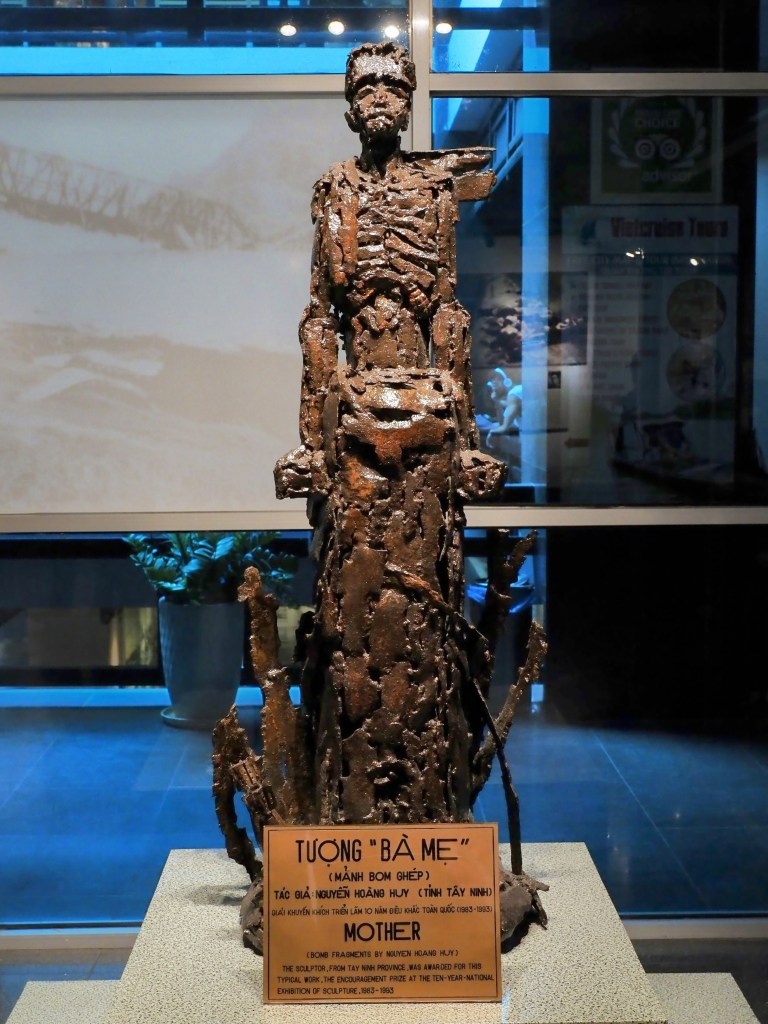
An entire wing was dedicated to the theme of American war crimes. Another focused on Agent Orange – it’s impact then and now.
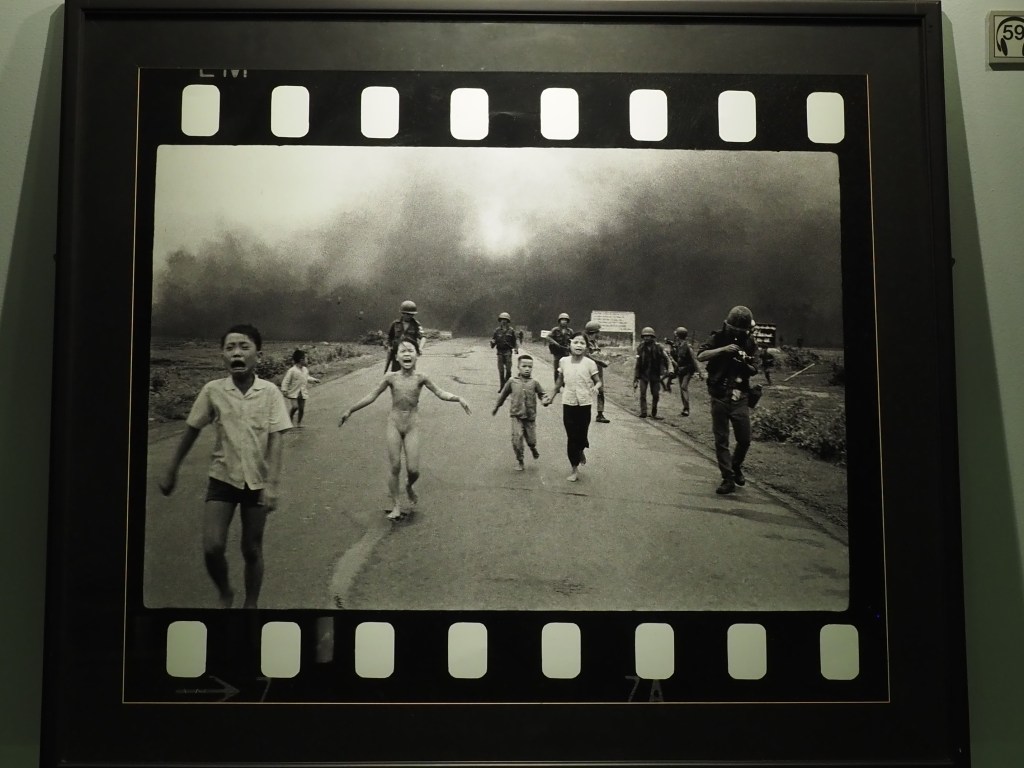
The last display was dedicated to the photographers who documented the war in horrific detail. It was a huge display, with hundreds of gut wrenching photos, and many stories about photographers who lost their lives taking them.
We highly recommend the War Remnants Museum.


 Two Sore Backs
Leave a reply to Pat McGuire Cancel reply