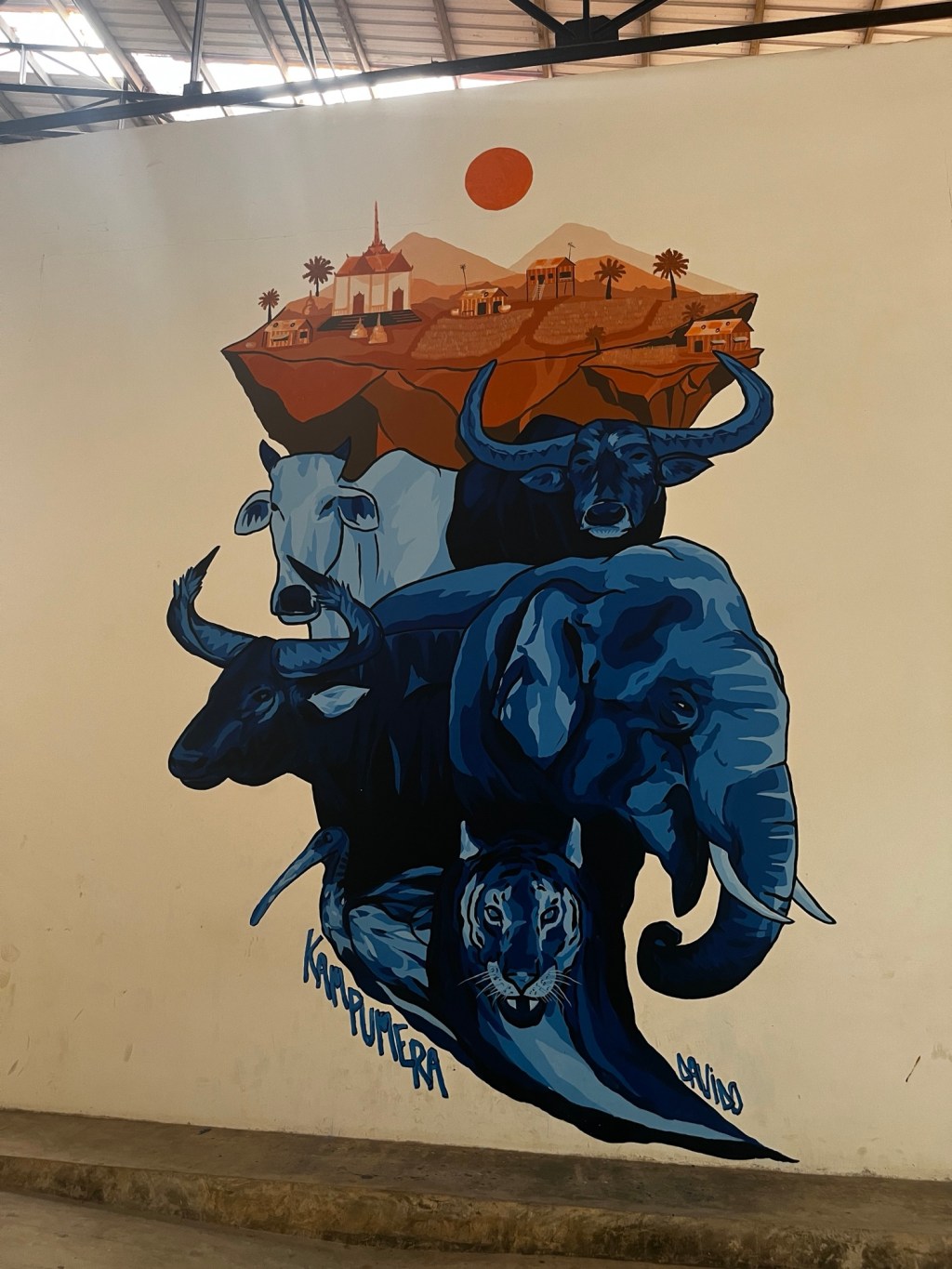
Pronounced p-nom-pen
We have enough time for coffee and a street breakfast before our bus departs for Phnom Penh.
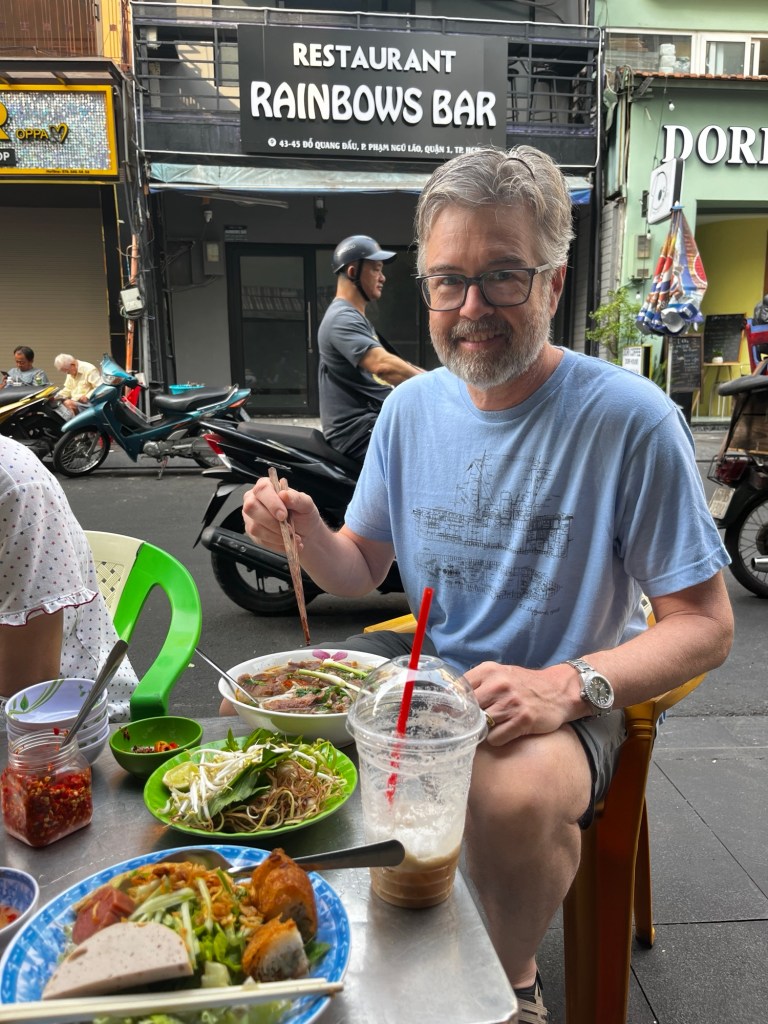
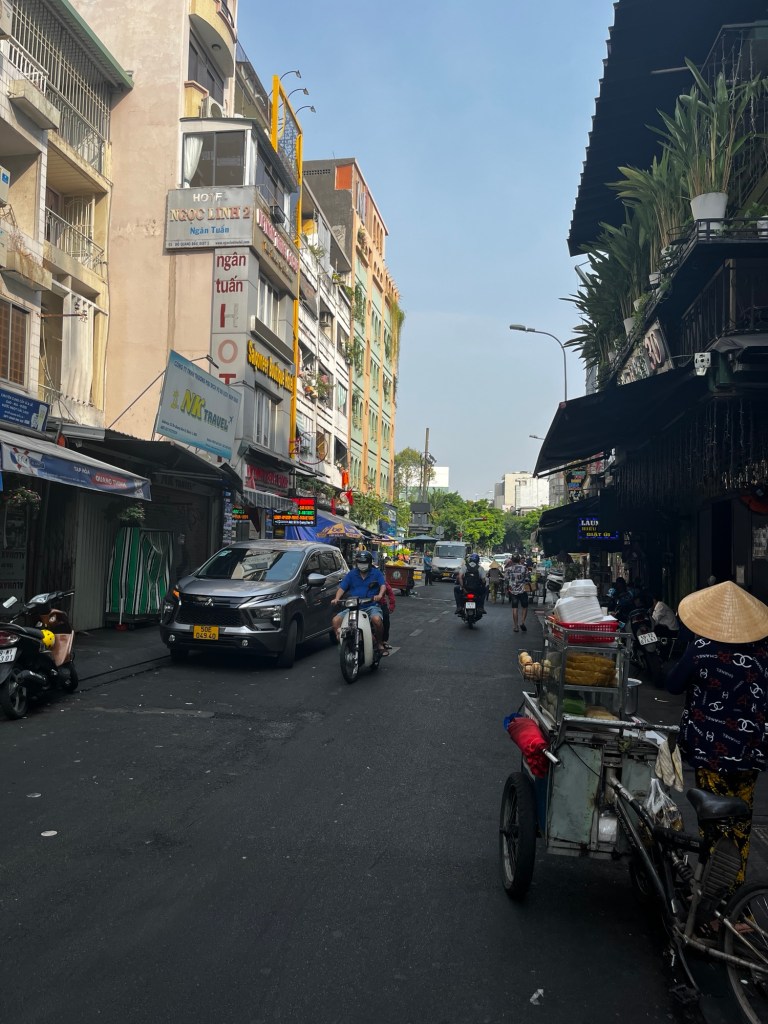
This is our first bus trip and it is smooth sailing across the border into Cambodia.(There is the part where passengers surrender their passports to the bus company employee at the Cambodian border who disappears while the bus takes us a kilometre down the road for a lunch stop. There is no announcement so we go with the flow. After lunch, we are reunited with the employee and our passports. And our passports have a Cambodia visa – US$30.)
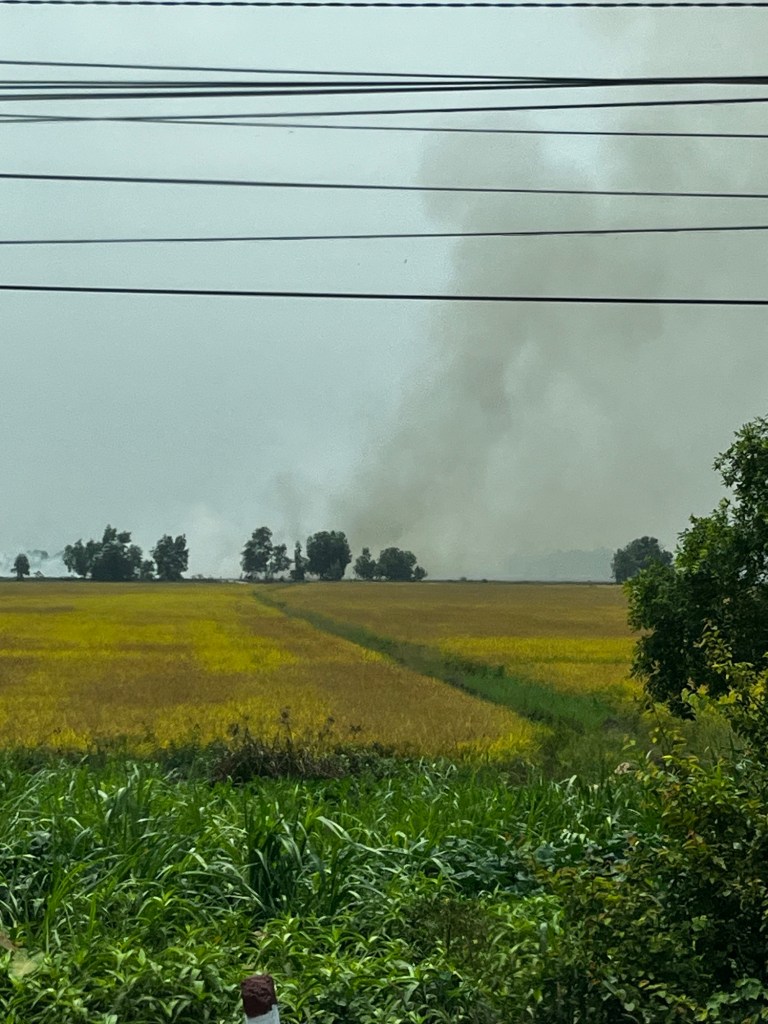
We are travelling through the Mekong delta, a tremendous rice growing region in both Vietnam and Cambodia. Throughout our travels we have seen fires in the fields. This practice is more expedient than weeding.
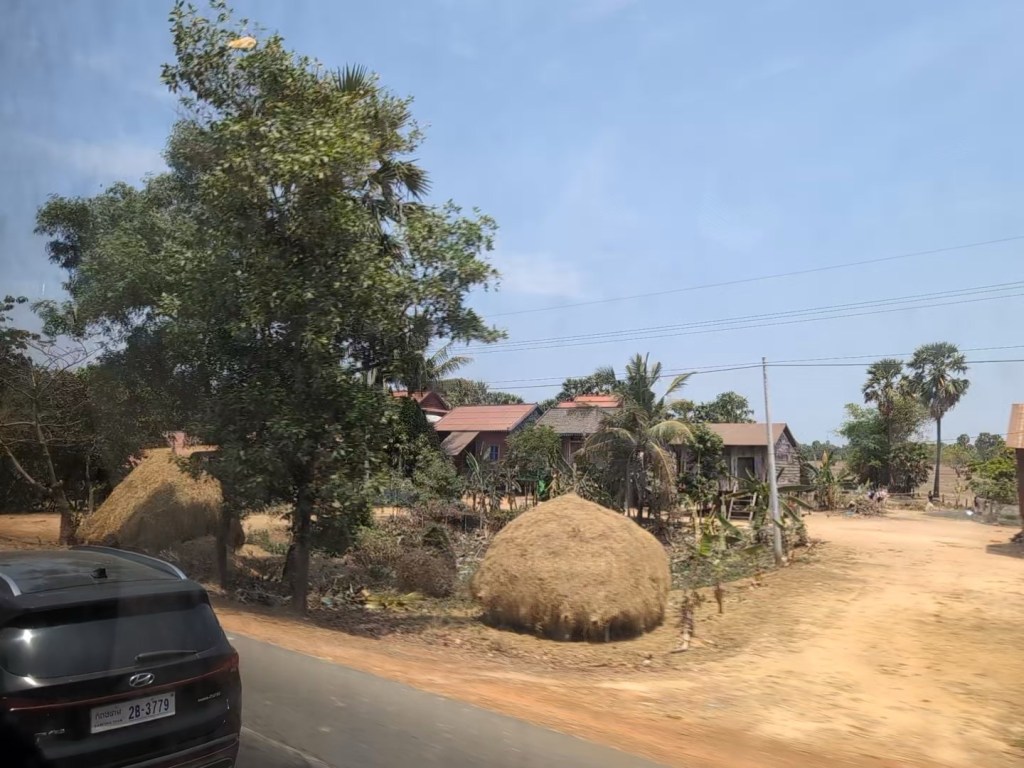
These large bushels are mounds of drying rice. The farmers get three harvests each year.
Six hours later we arrive in Phnom Penh.
Food and Beverage
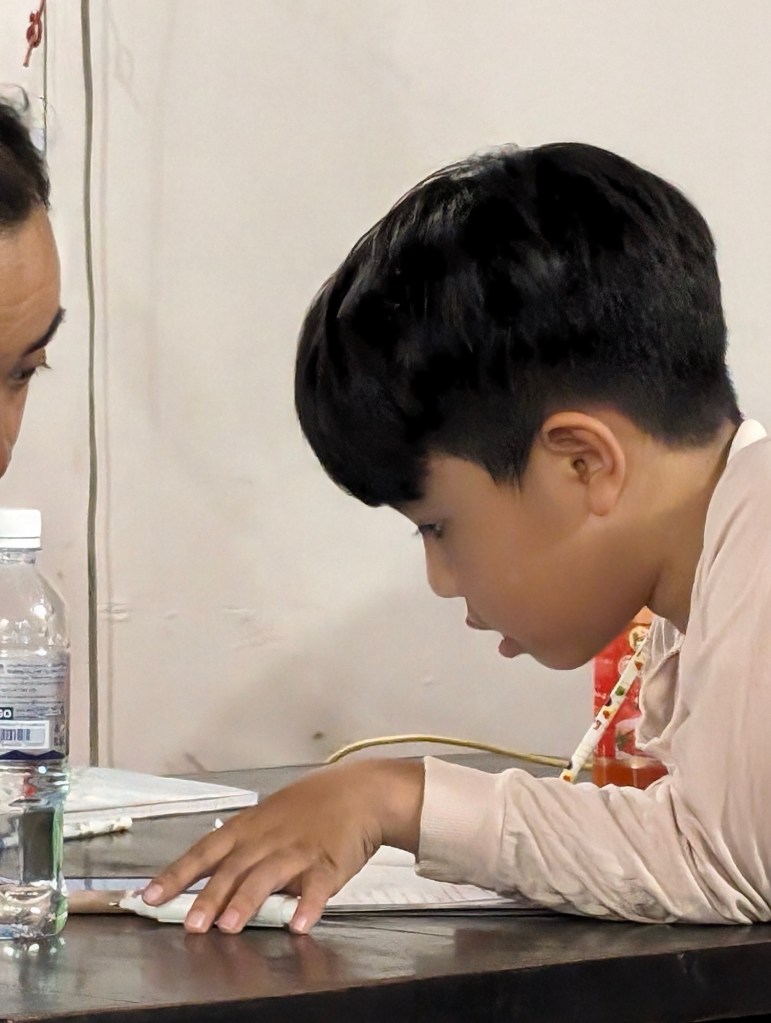
For some reason sitting on a bus is tiring. We find a nice restaurant – Khmer Women Food – close to our hotel for dinner. This restaurant is small and family run. The elder gentleman greets us and then his son takes over. The grandson is at a nearby table doing his homework with some help from his mom when she isn’t cooking. The elder lady is also cooking.
While waiting for our food, we meet an expat Aussie who teaches at a Canadian sponsored international private school. The school was started by a Cambodian Canadian businessman and his wife. They were living in Canada and she would return to Cambodia only if her children could receive a Canadian standard education. So the idea for the school was hatched. The school follows the Alberta curriculum.
BTW – our meal is terrific. We love the fish Amok. Coming in a future post is the cooking lesson – we make fish amok!
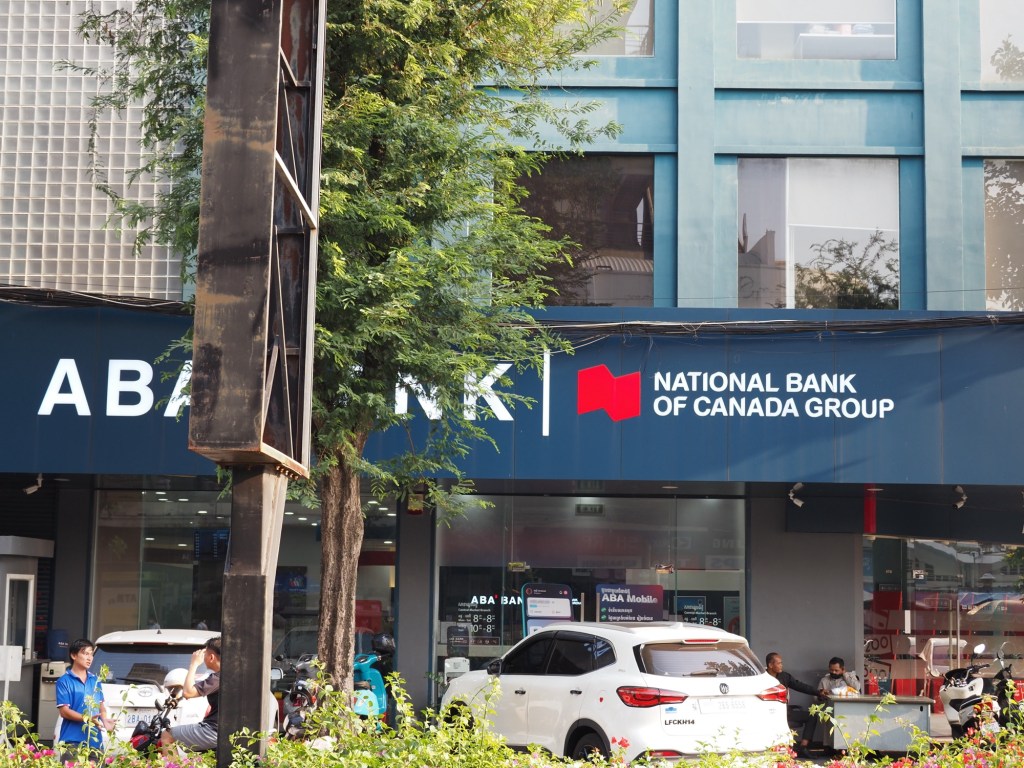
Canada has a few ties to Cambodia. ABA is the biggest bank in Cambodia. Another fun fact is the country runs in two currencies – riel or $US. You can select either at the ATM. 4000 riel to $1US. An accounting nightmare.
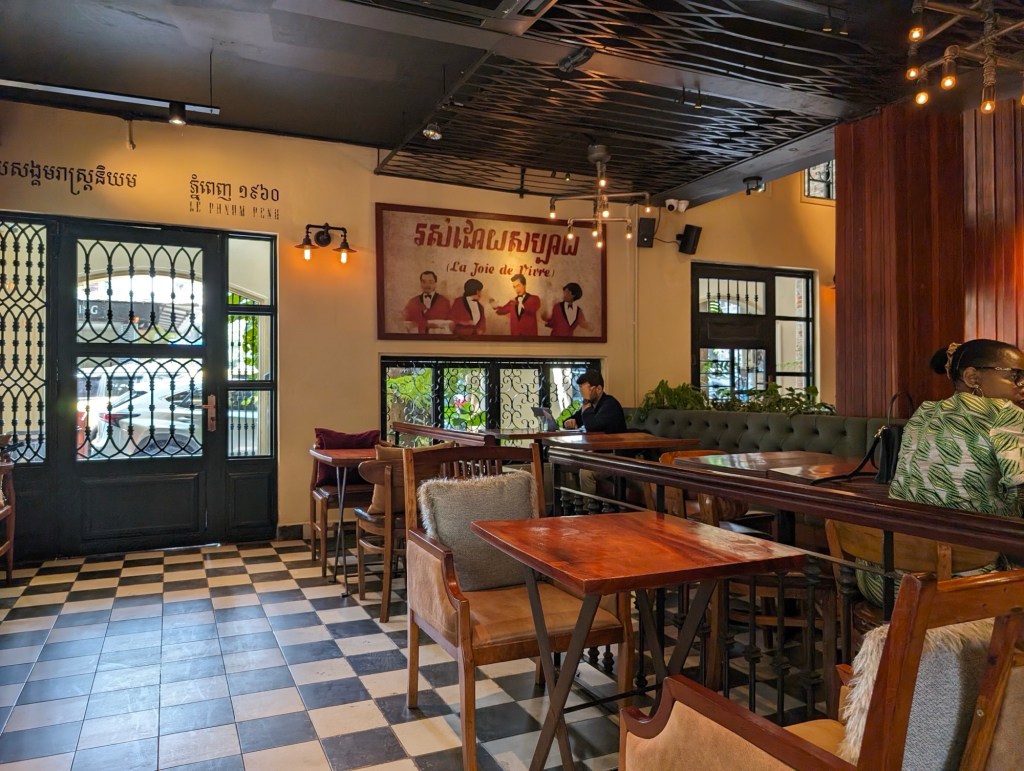
The coffee culture is alive and well in Phnom Penh. First morning we walk about 30 minutes from our hotel in search of a great cup of coffee (and breakfast). I order an avocado coffee. It is wonderful.
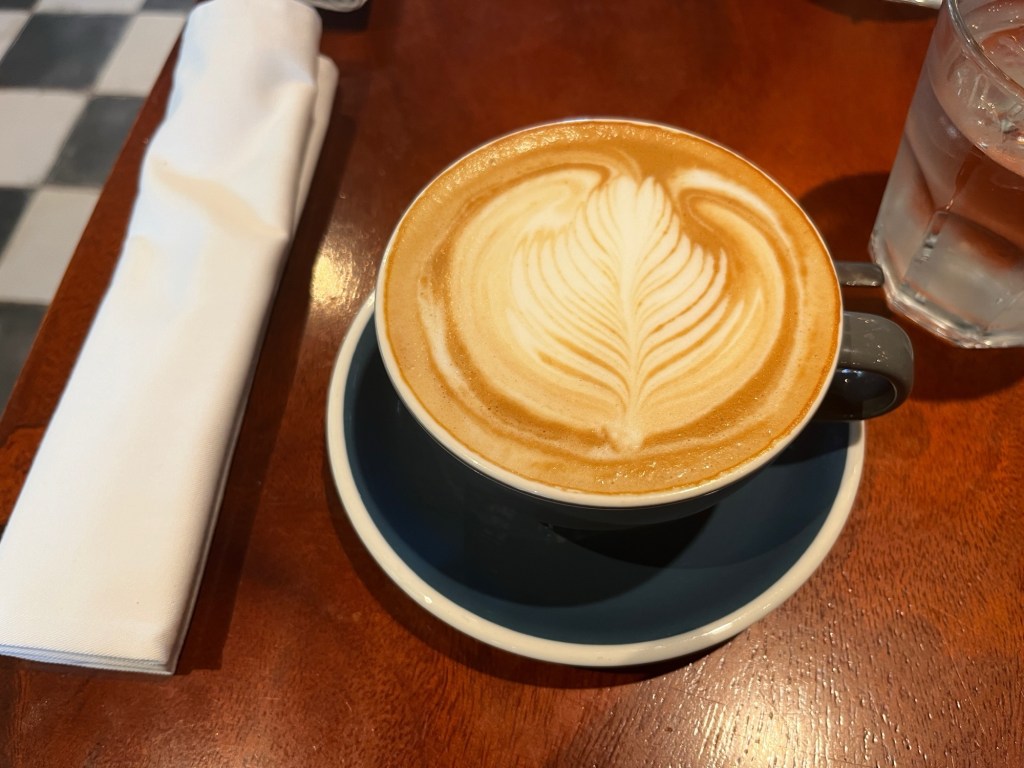
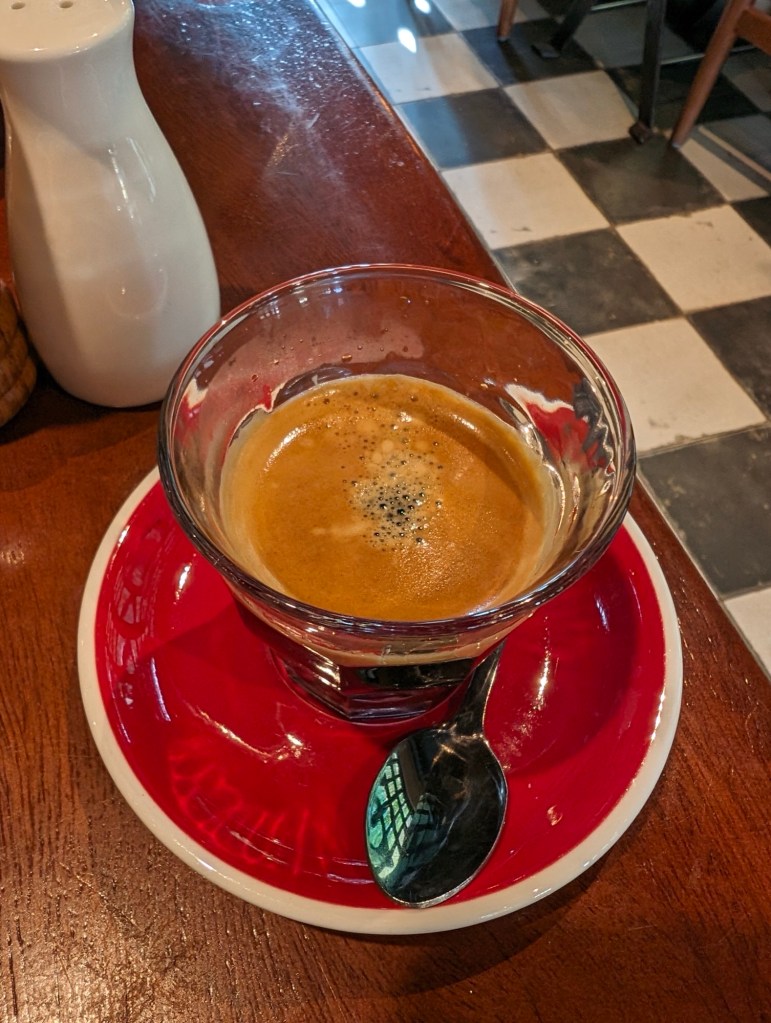
Tuol Sleng Genocide Museum
Afterwards we set out on foot for the museum, another half hour of walking.
The museum pays tribute to the 12,000 to 20,000 prisoners who were interrogated, tortured and killed by Khmer Rouge at S21 between 1975 & 1979. There were about 200 prisons throughout Cambodia where at least 1.5million people were killed. Citizens in the professional and technical ranks were especially targeted.
This former prison was an elementary school (S21) before becoming a secret prison.
Why?
In 1970 the Cambodian Monarchy was overthrown in a coup d’etat. The new leadership decided to break ranks and force the north Vietnamese out of the country.
This gave rise to the Cambodian revolution which aligned with the Viet Cong and had socialism as it’s guiding policy.
The revolution attracted Cambodians from across society, most of whom were very suspicious of South Vietnam, the CIA (USA), and unbridled capitalism. Their activity was financed in large part by the Viet Cong.
With Pol Pot as it’s leader, the revolutionaries prevailed and the Khmer Rouge took power in 1975, as the Americans withdrew from Vietnam.
Pol Pot was not content with a shift to socialism. His goal, which ultimately guided the Khmer Rouge, was to return Cambodia to a pure agrarian, communist society.
This goal lead to ethnic cleansing, which quickly degenerated to become a horrific genocide. Anyone with an education, particularly those who had studied abroad, became an enemy that was to be eliminated. With the attitude that “to remove weeds, you must get rid of them roots and all” entire families were systematically arrested, interrogated, tortured and killed. There was no system of justice – the “middle managers”, who had been trained to hate the enemy and think nothing of torturing and killing them, also became judge and jury.
S21 was one of the institutions that received arrested individuals. Going to S21 effectively meant a horrible, humiliating and torturous death. S21 was surrounded by barbed wire. Anyone nearby did not know the events going on in the former school.
In 1975, when the Kymer Rouge had ultimate power, Phnom Penh was emptied in a few days. Citizens went to the countryside to tend the fields. It was an upside down time.
Here are some photos from the museum.
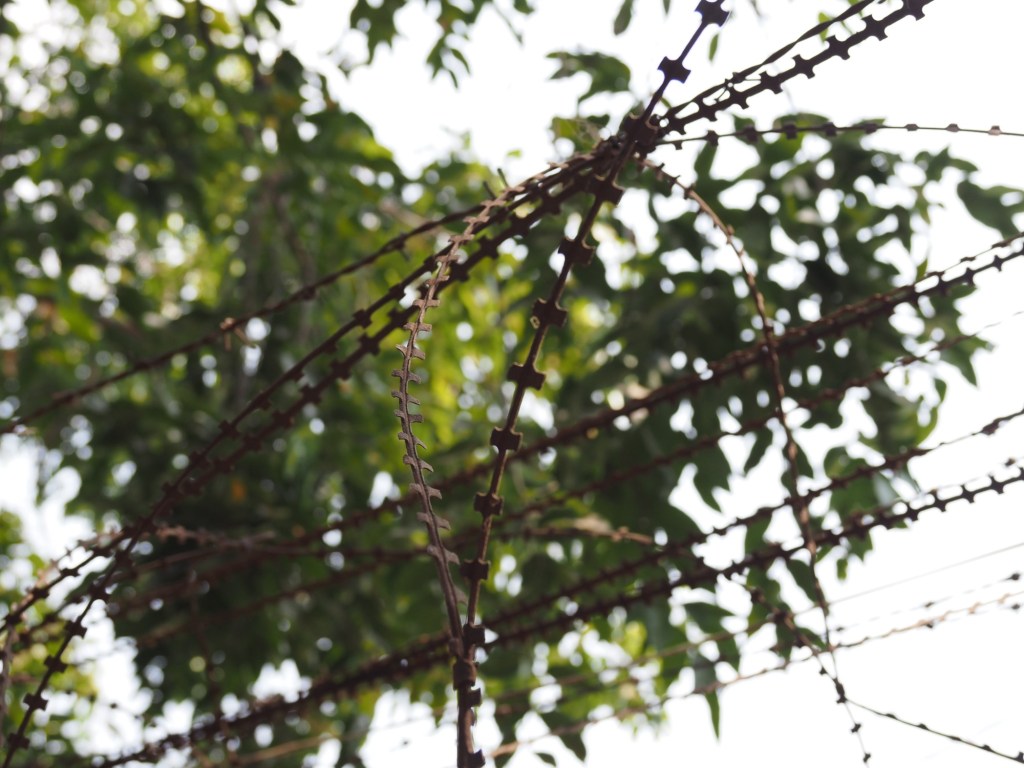
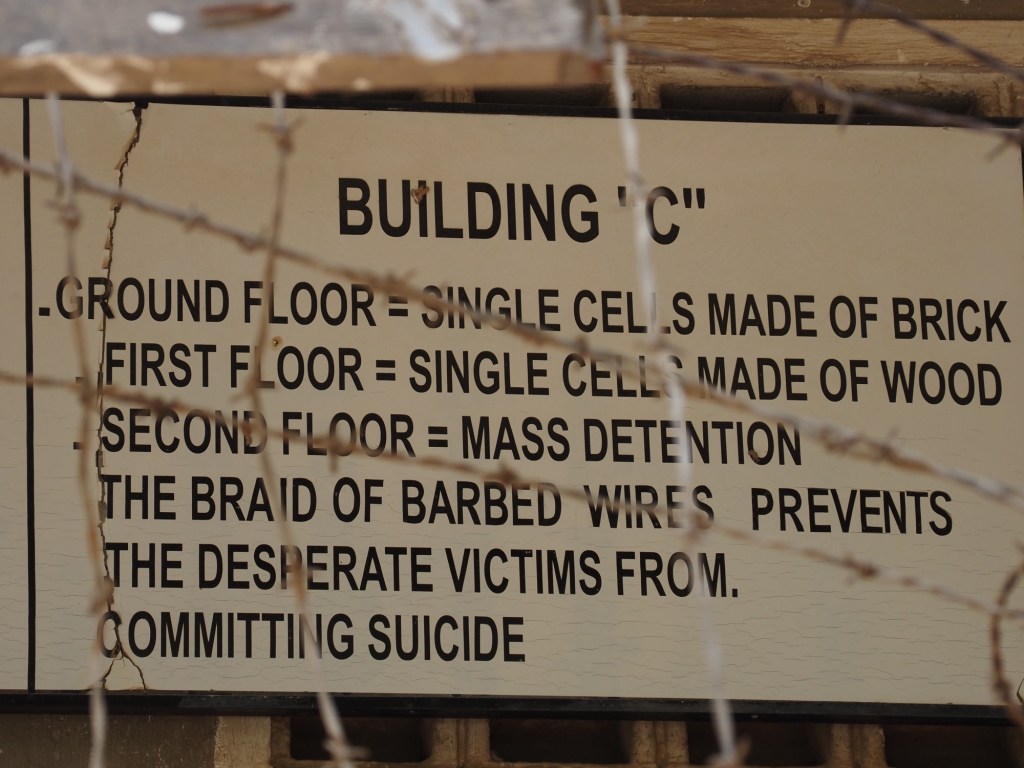
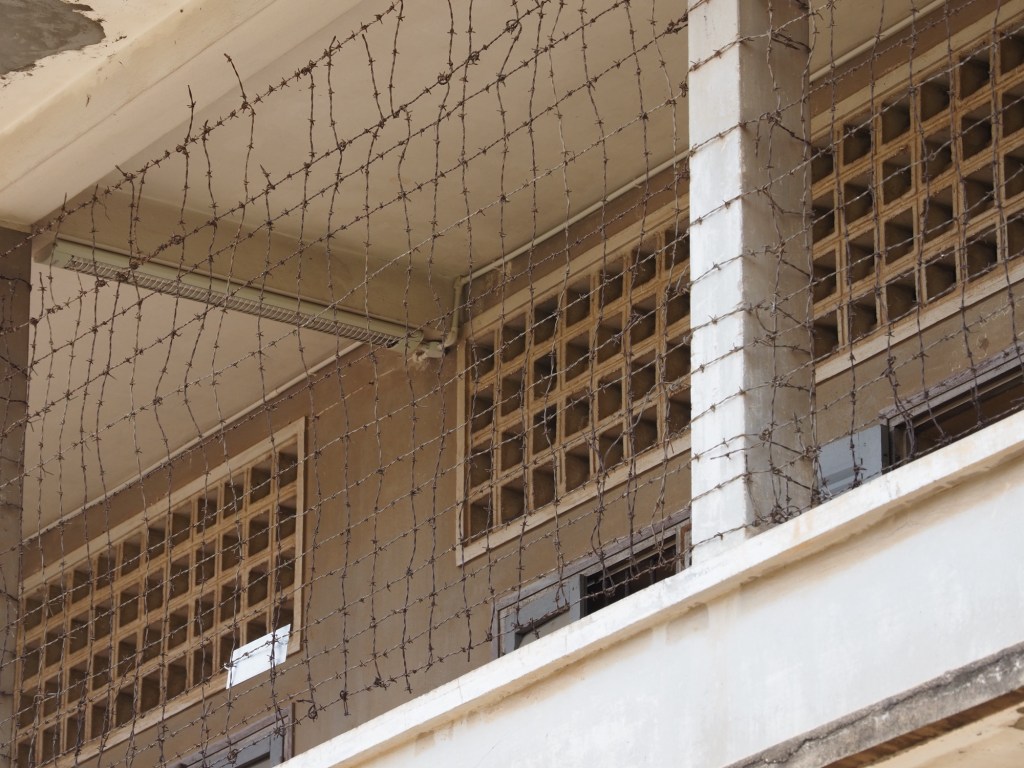
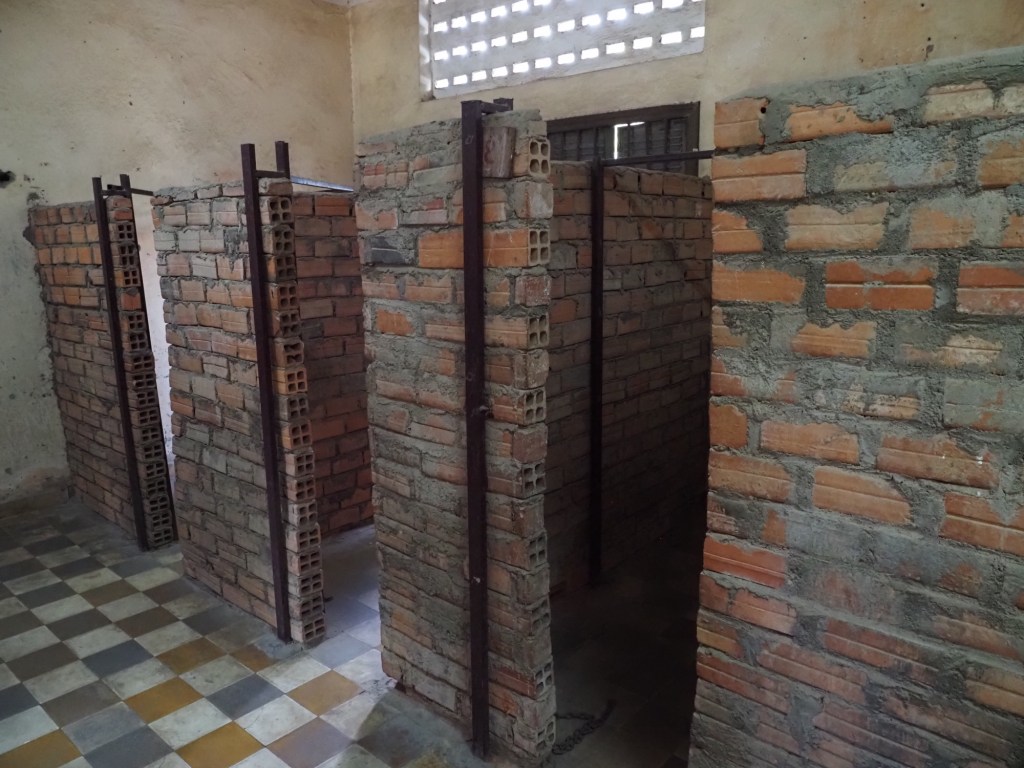
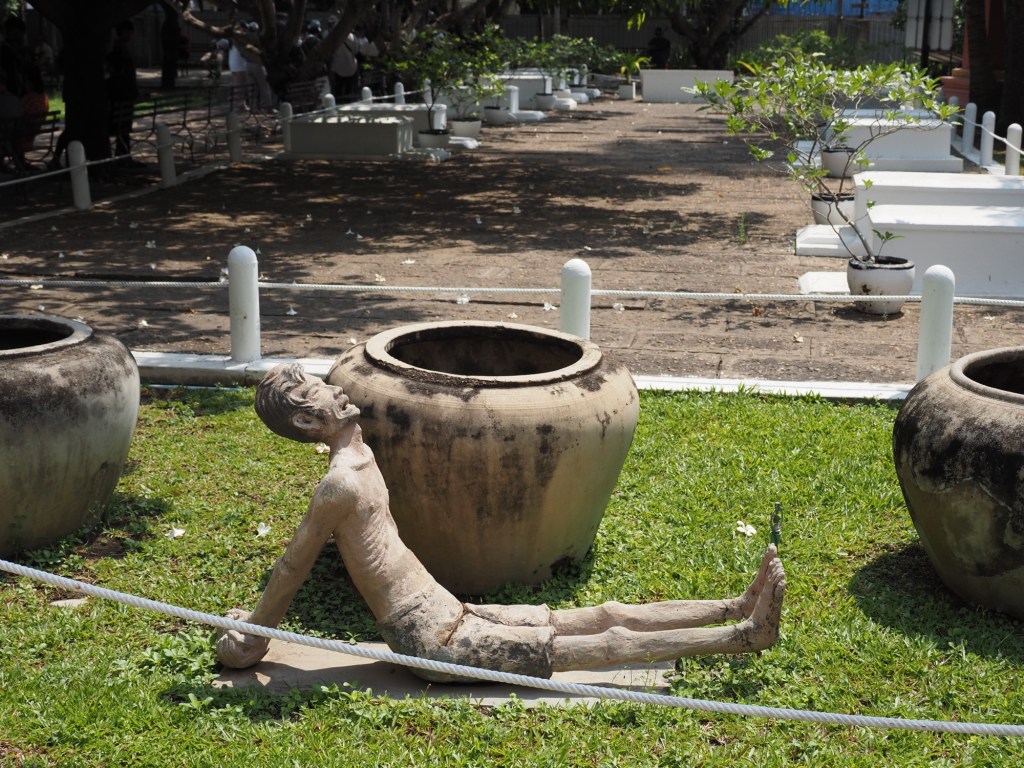
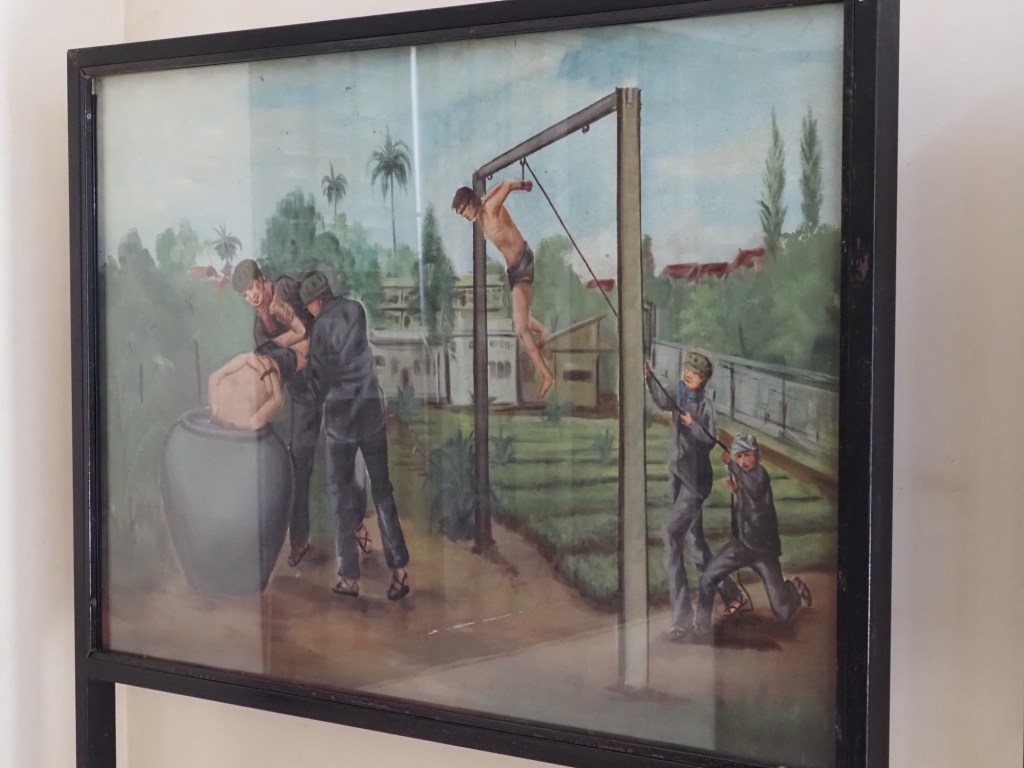
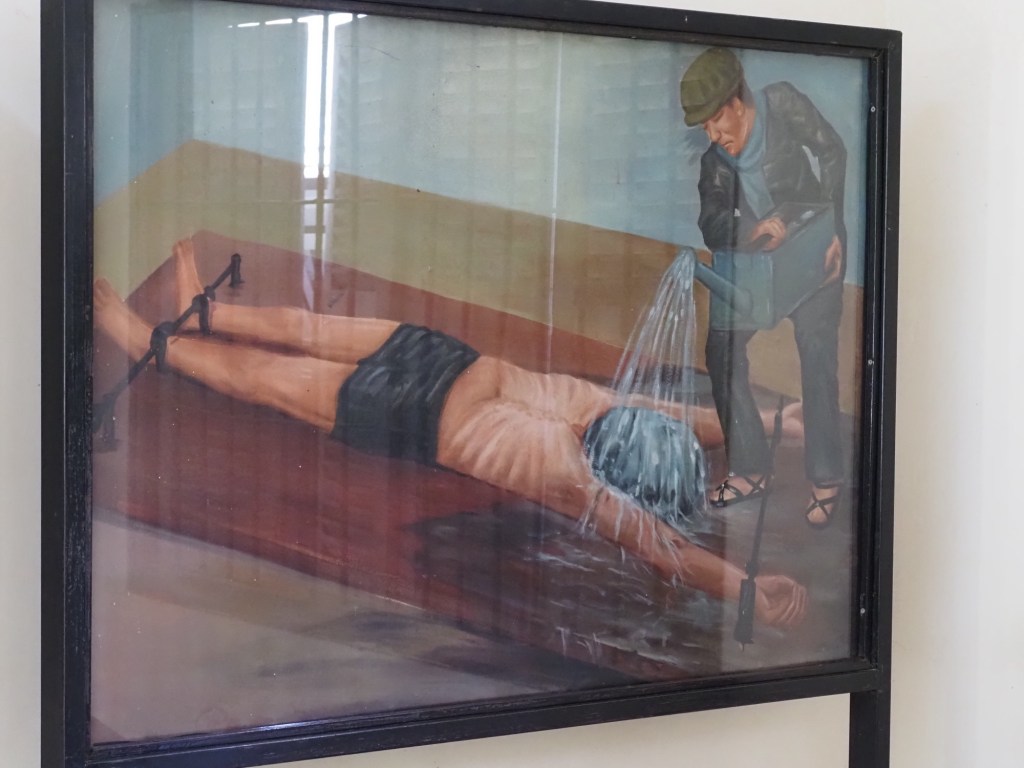
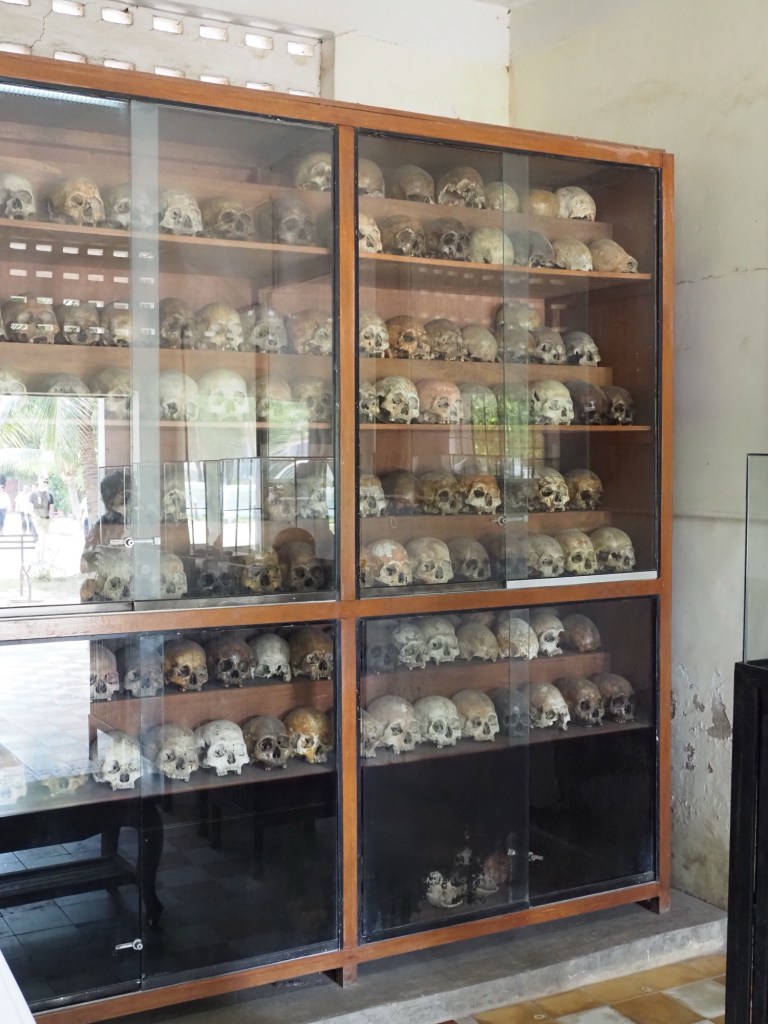
All throughout the museum there are photos of prisoners. Kymer Rogue kept photo records but not names (everyone was given a number).
The tour ends with memorials to the victims.
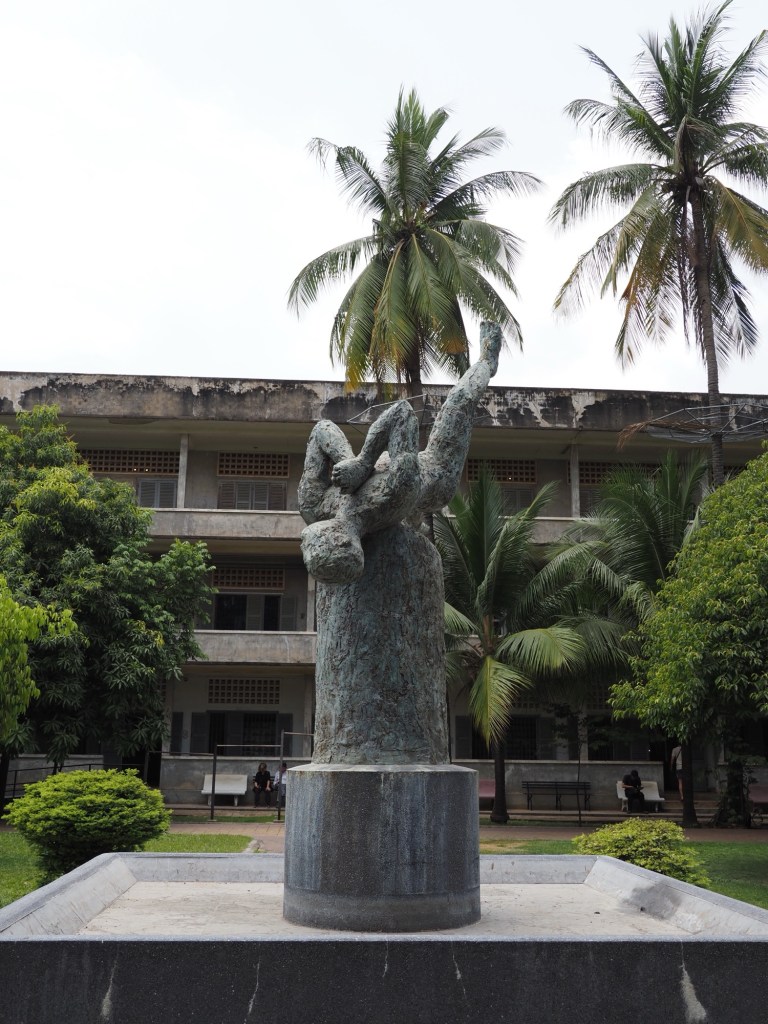
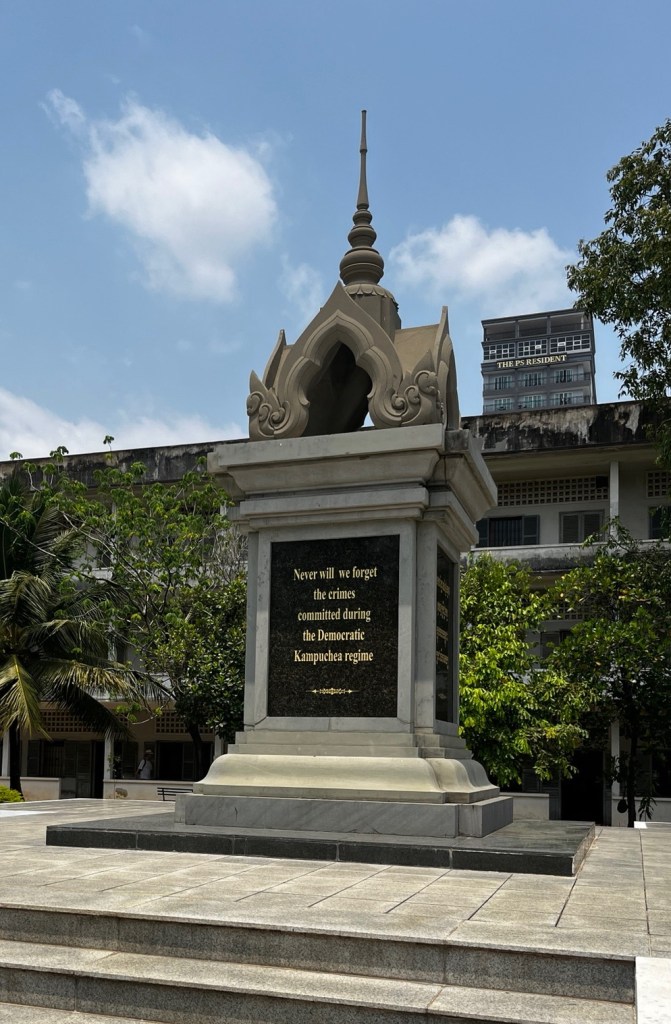
A very difficult two hour tour. Important reminder of impacts of cult of personality.
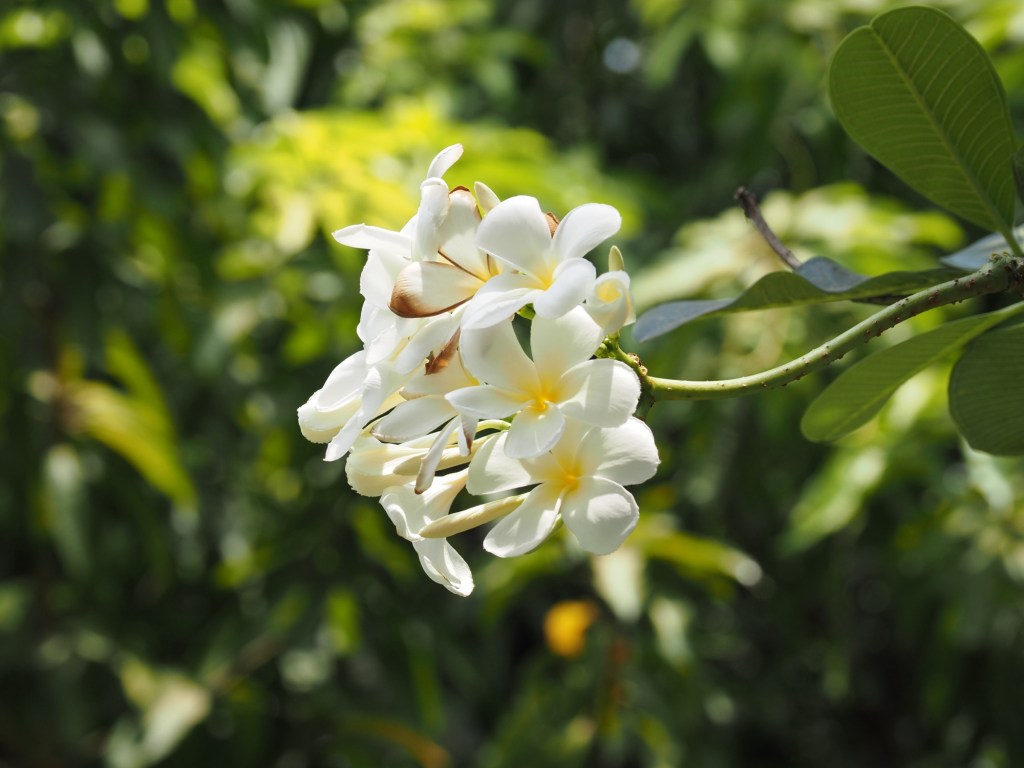
Other Sites
Another walk, then a snack and cool drink in air con bistro😀. Smarter heads prevail and we get a GRAB tuk tuk down to the waterfront.
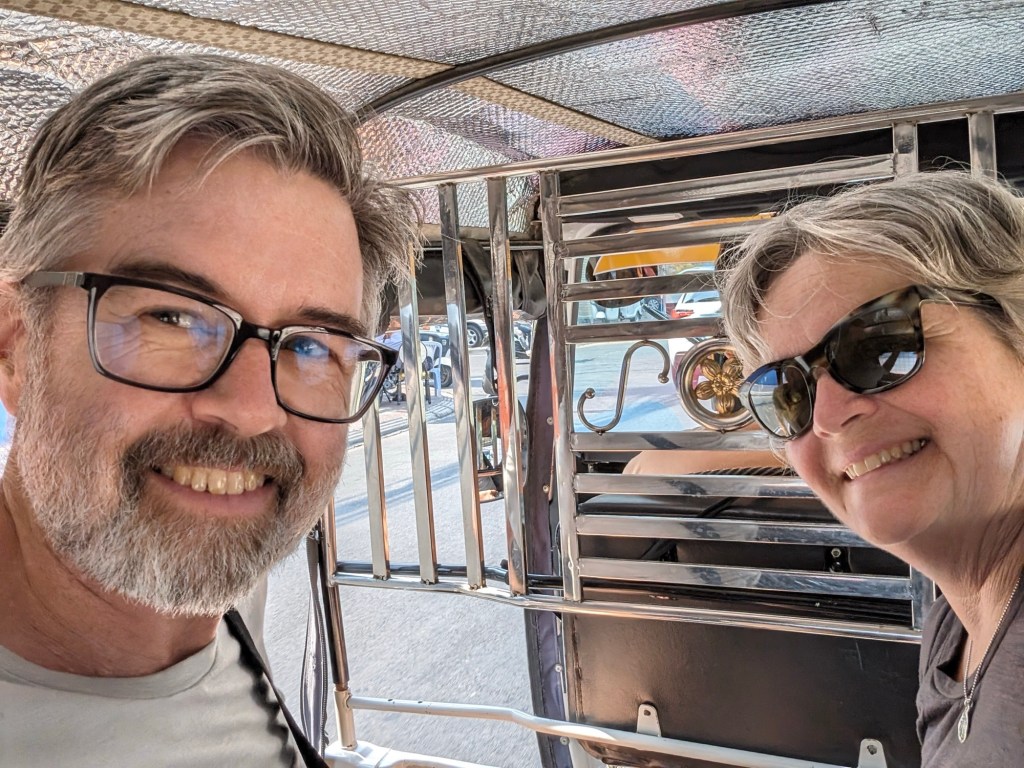
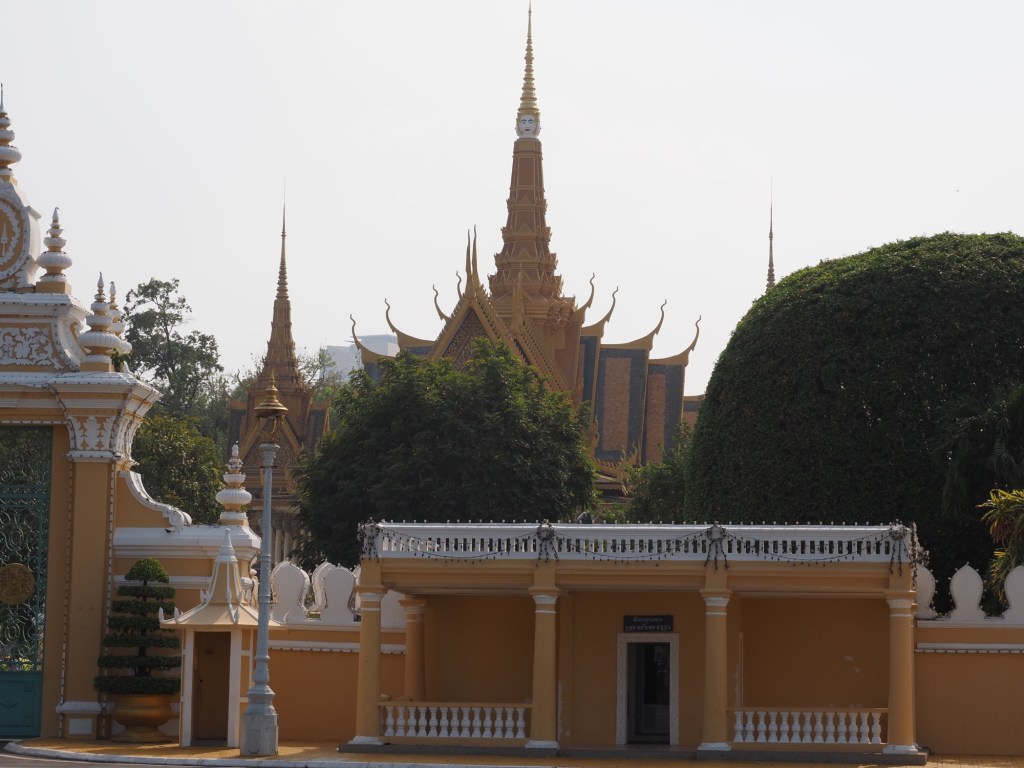

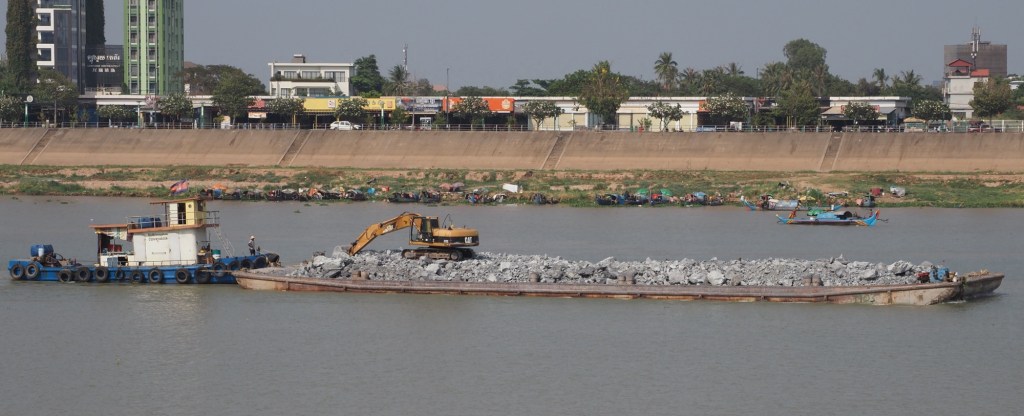
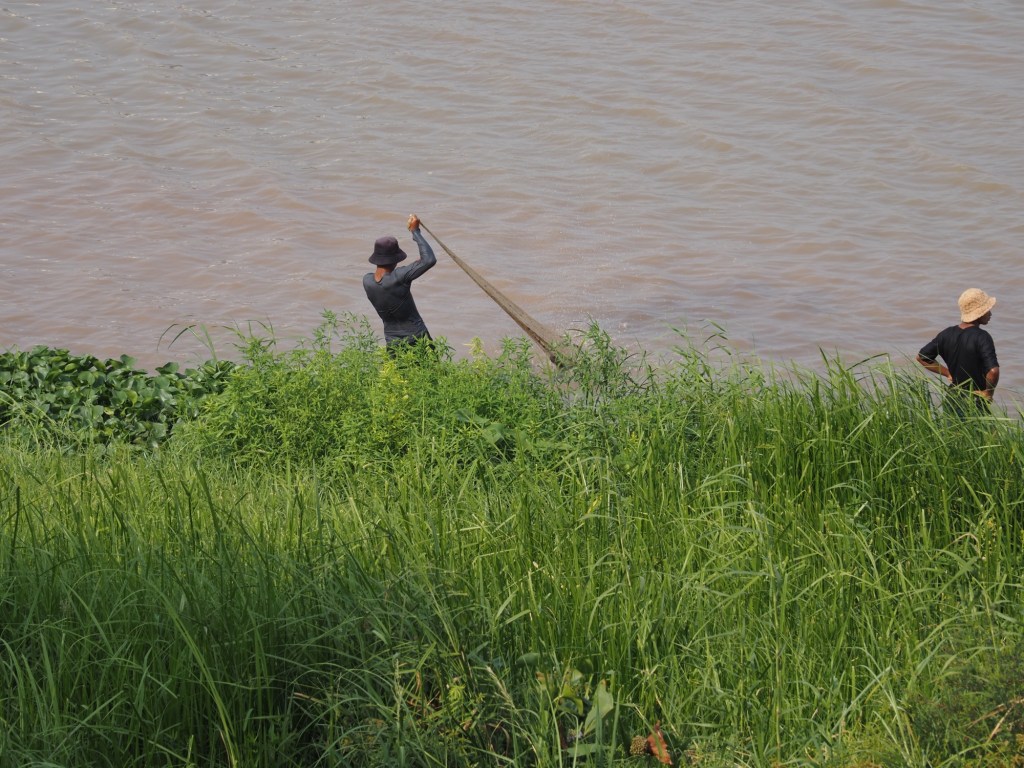
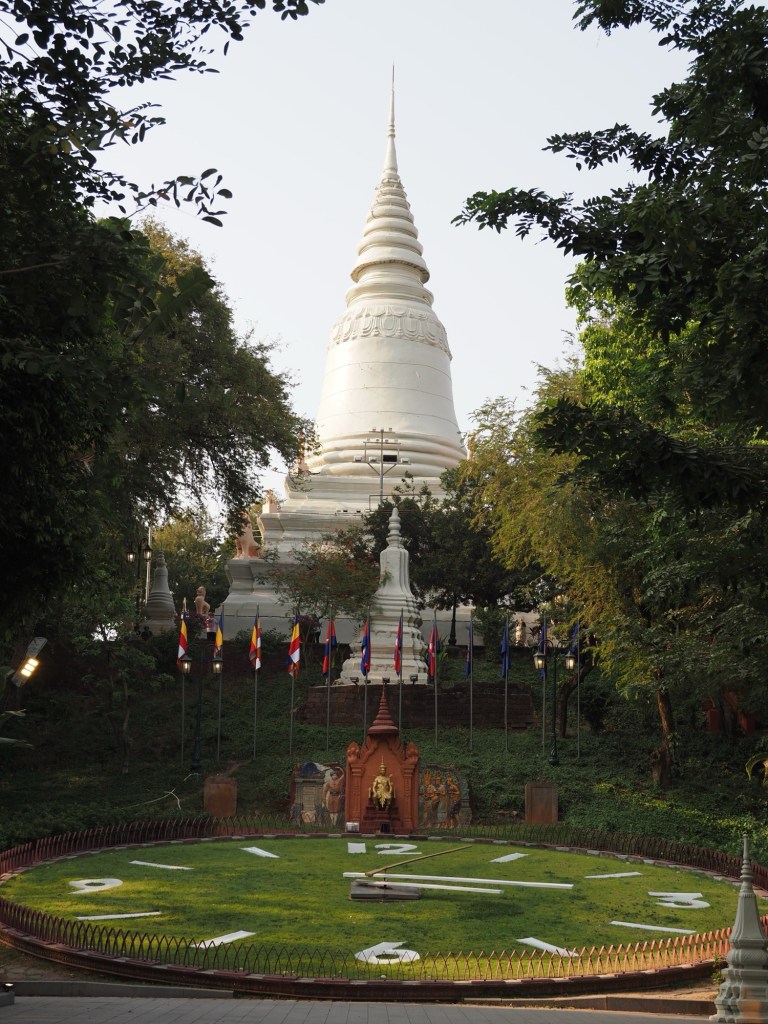
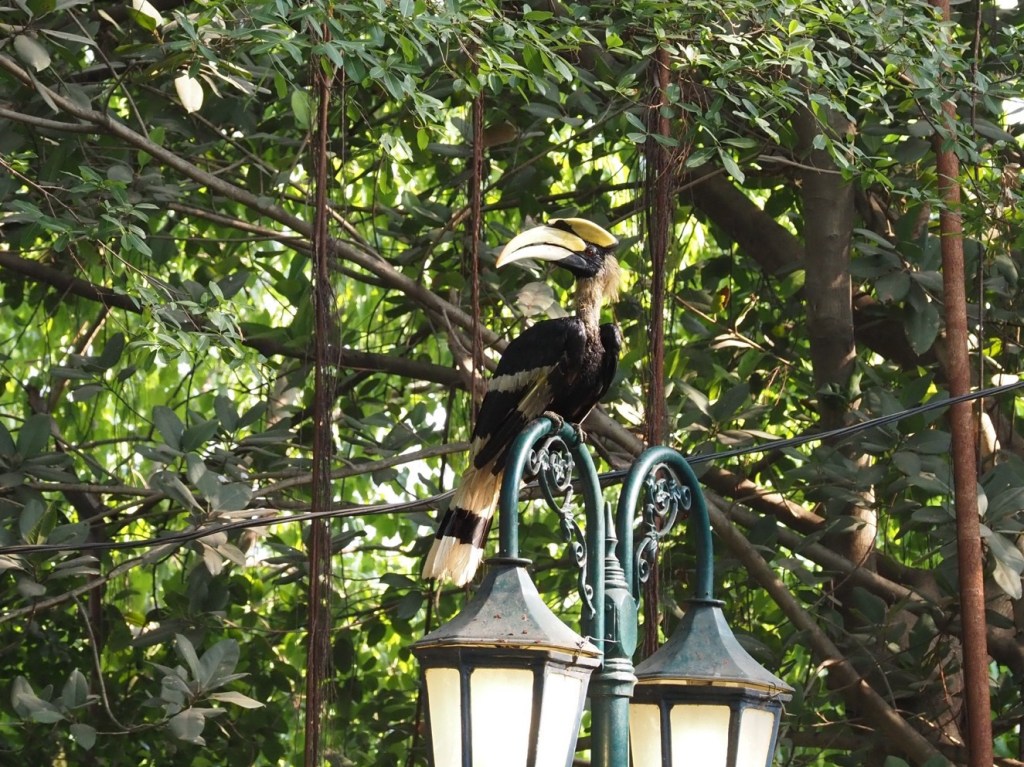
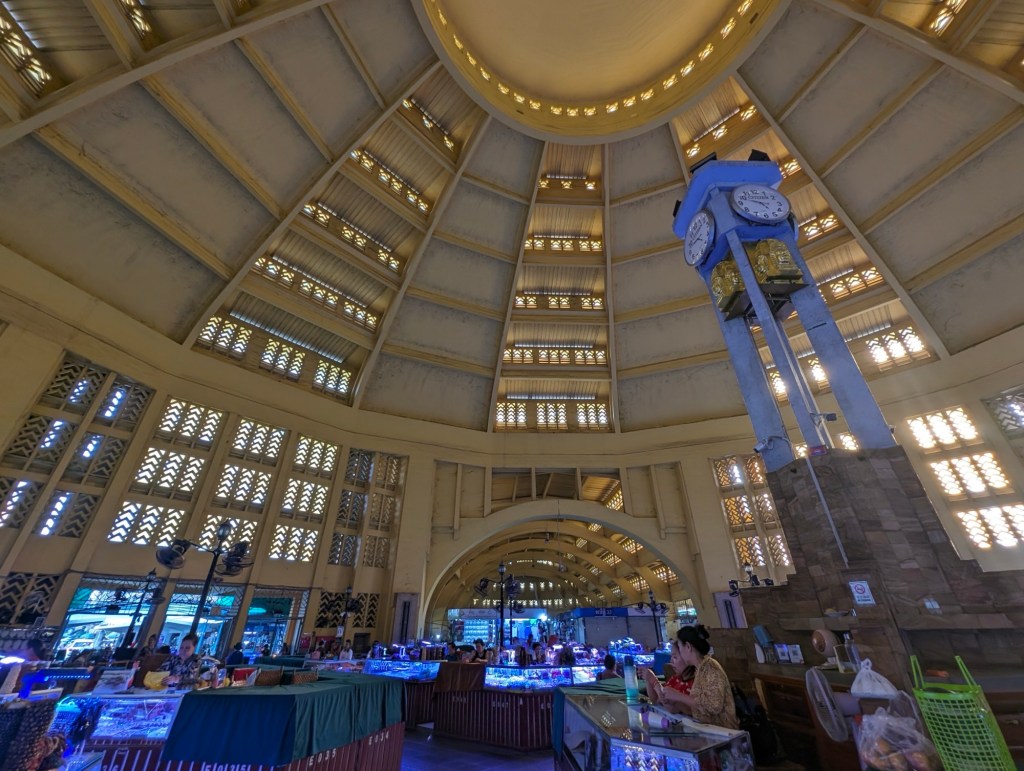
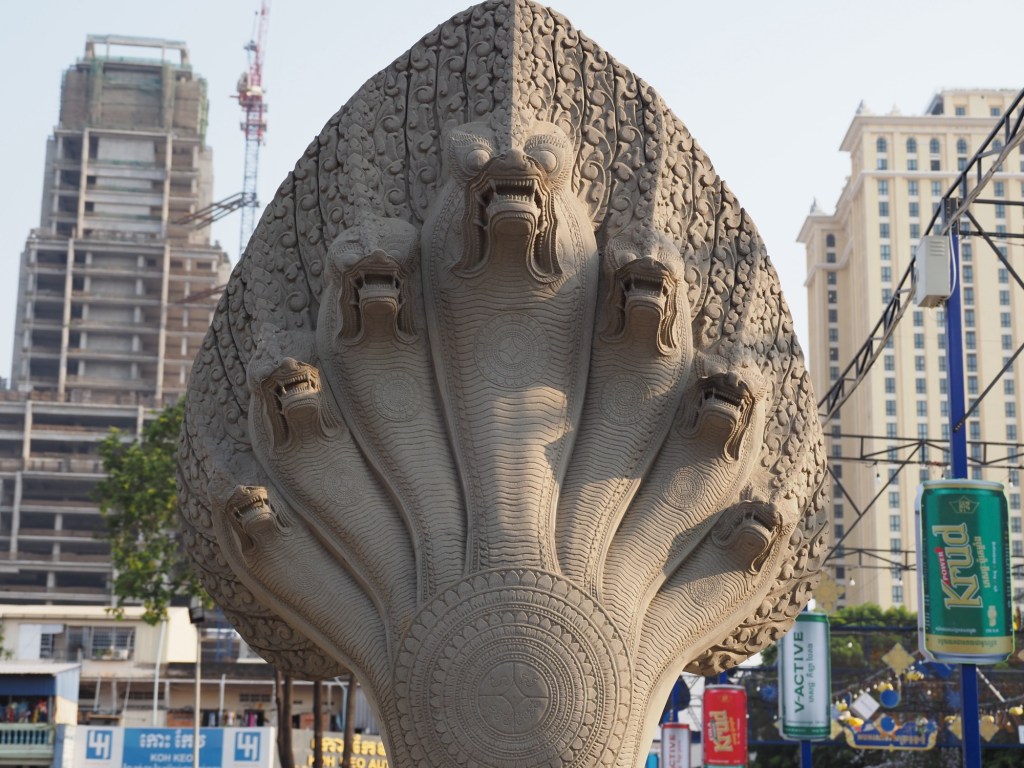
Crazily we walk to all these places and then back to our hotel. The temperature seems to settle in at 35C each and every day.
We enjoyed our first meal at Kymer Women Food so make a repeat visit. Then rest.
The Factory
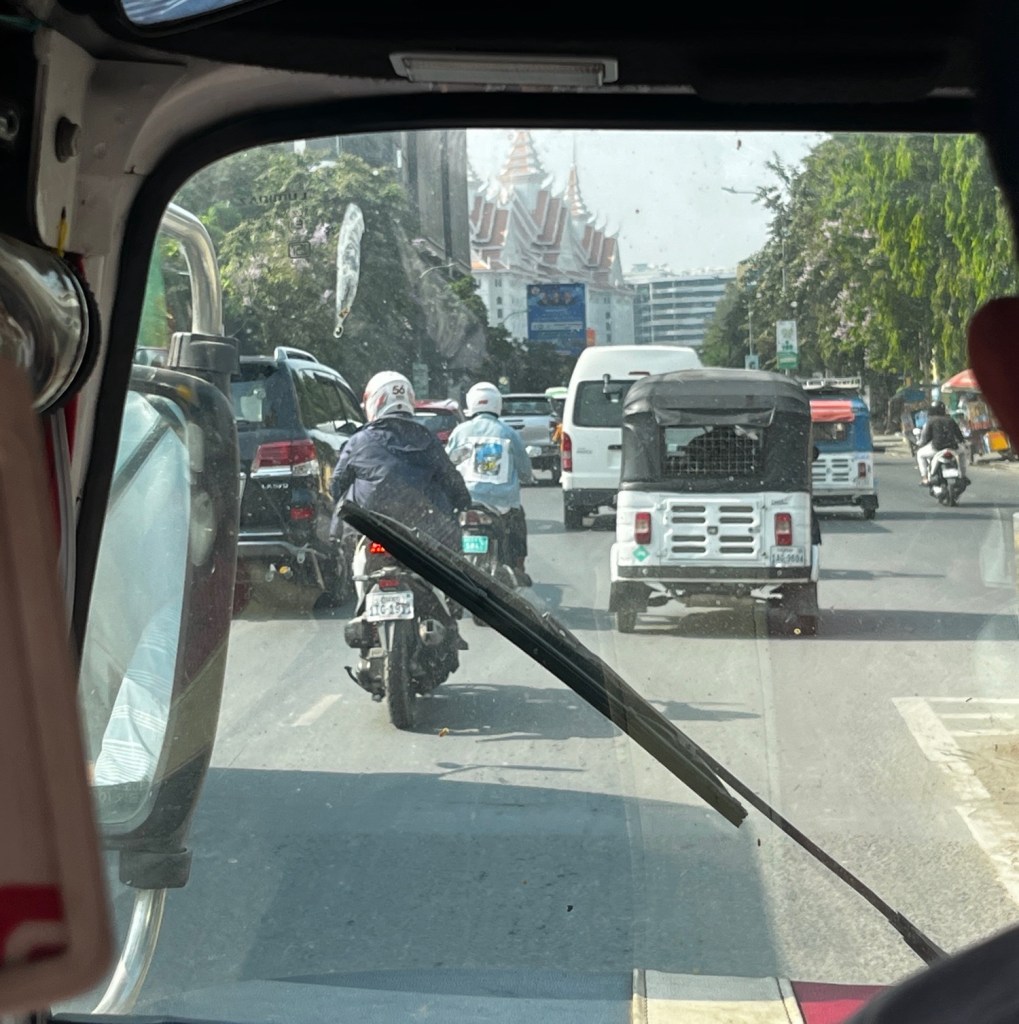
We wake up a little smarter today. We will get around by tuk tuk most of this day! We go back to LA CHRONIQUE for coffee and breakfast. Love the avo lattes!
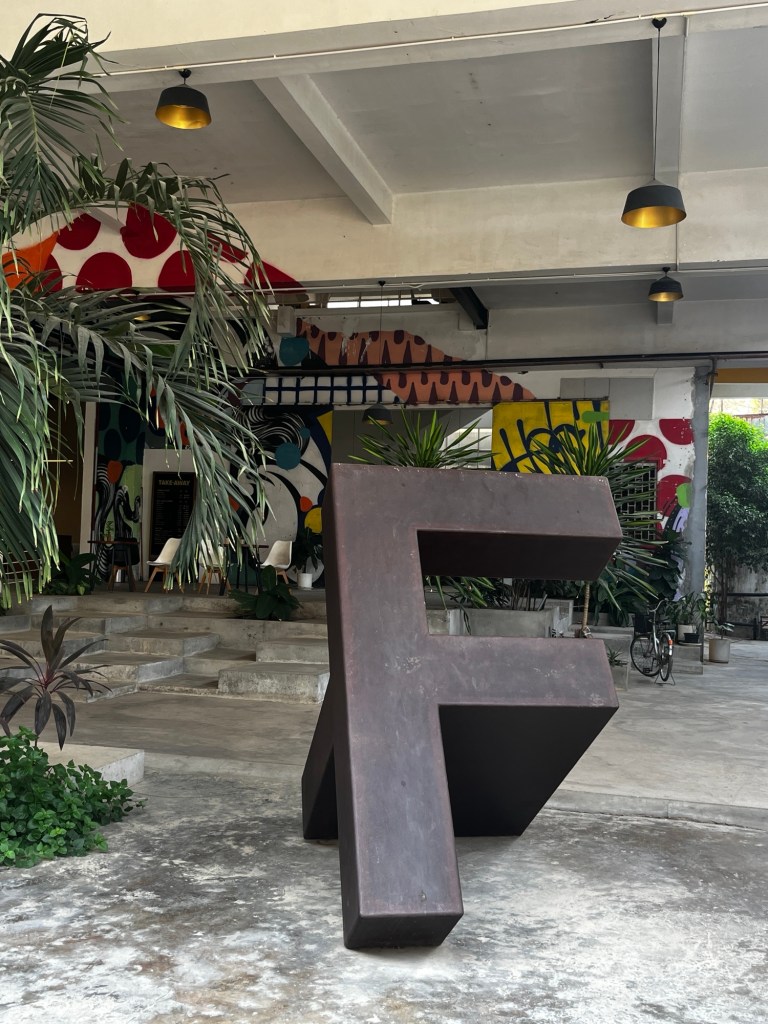
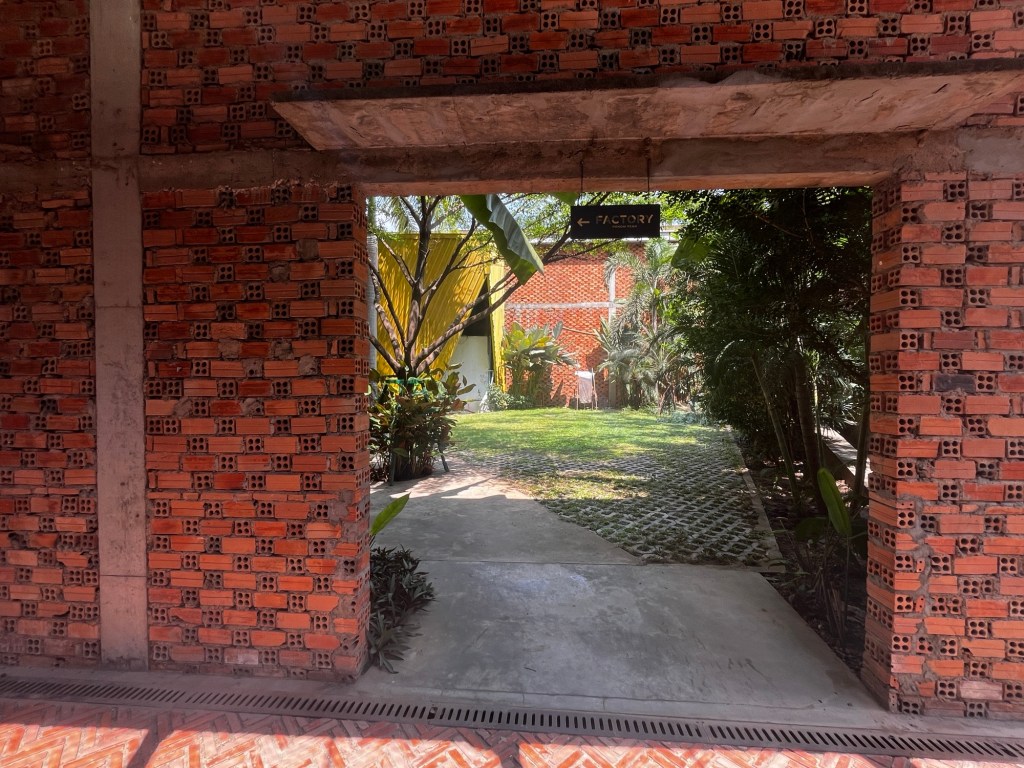
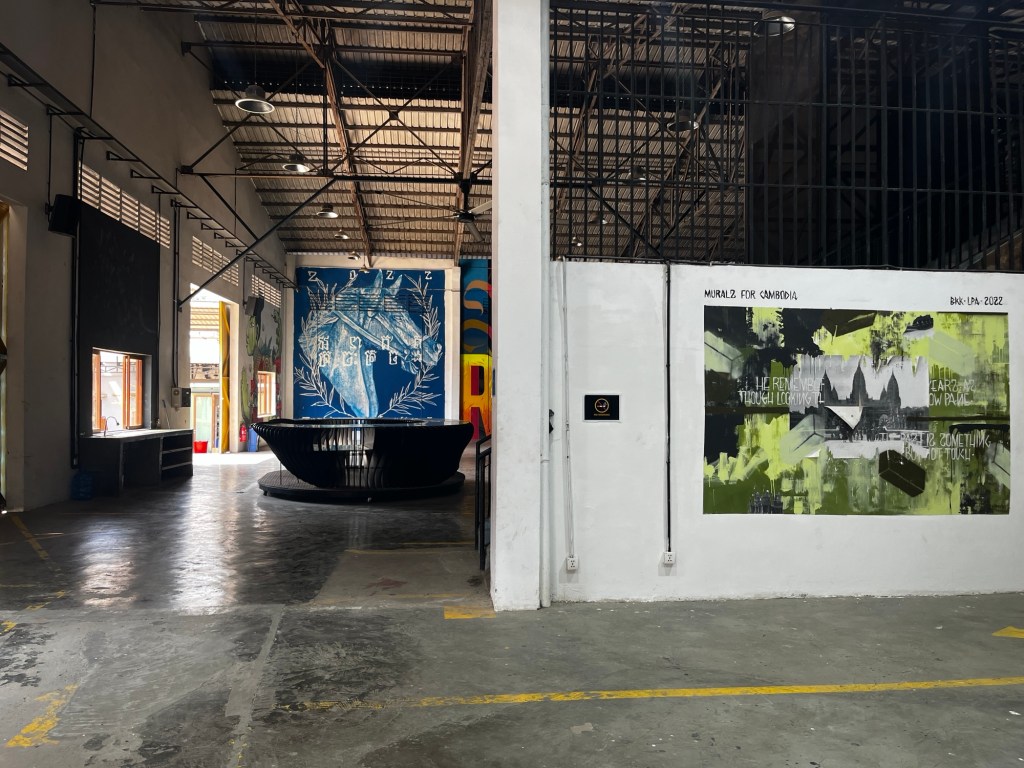
FACTORY Phnom Penh
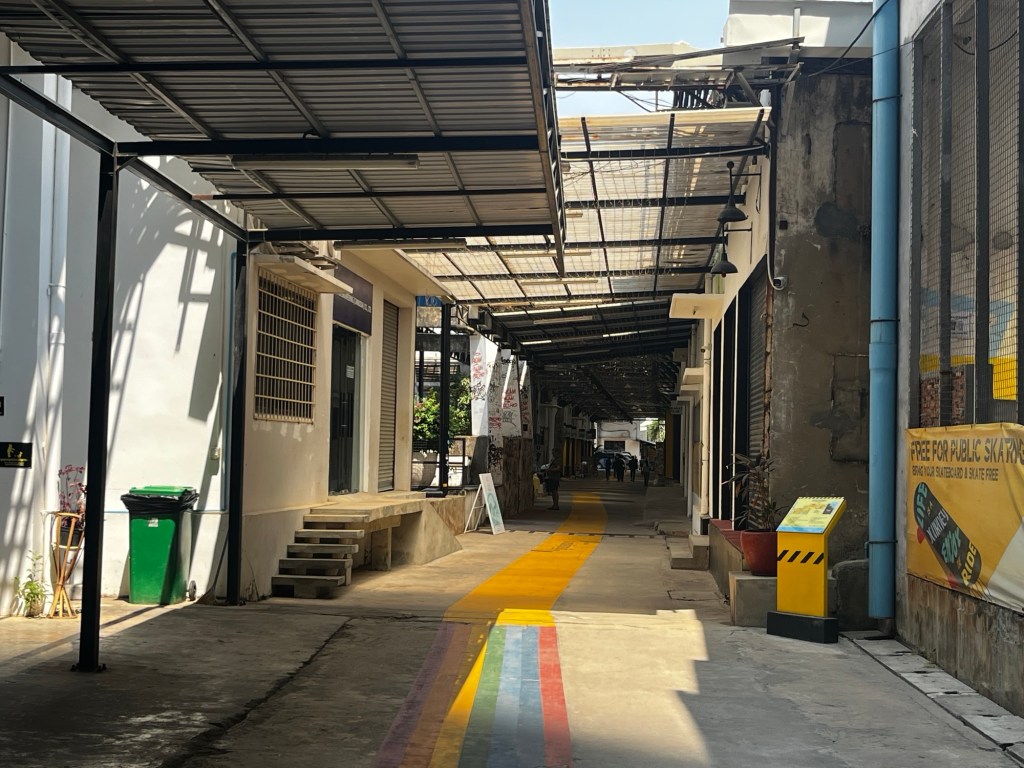
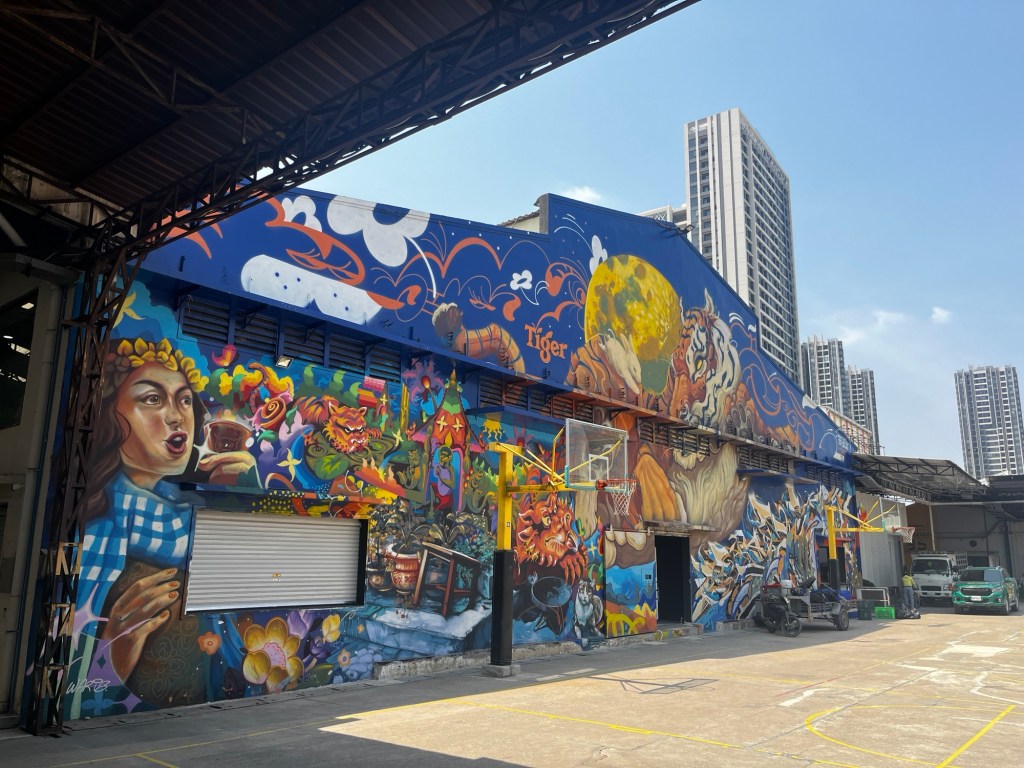
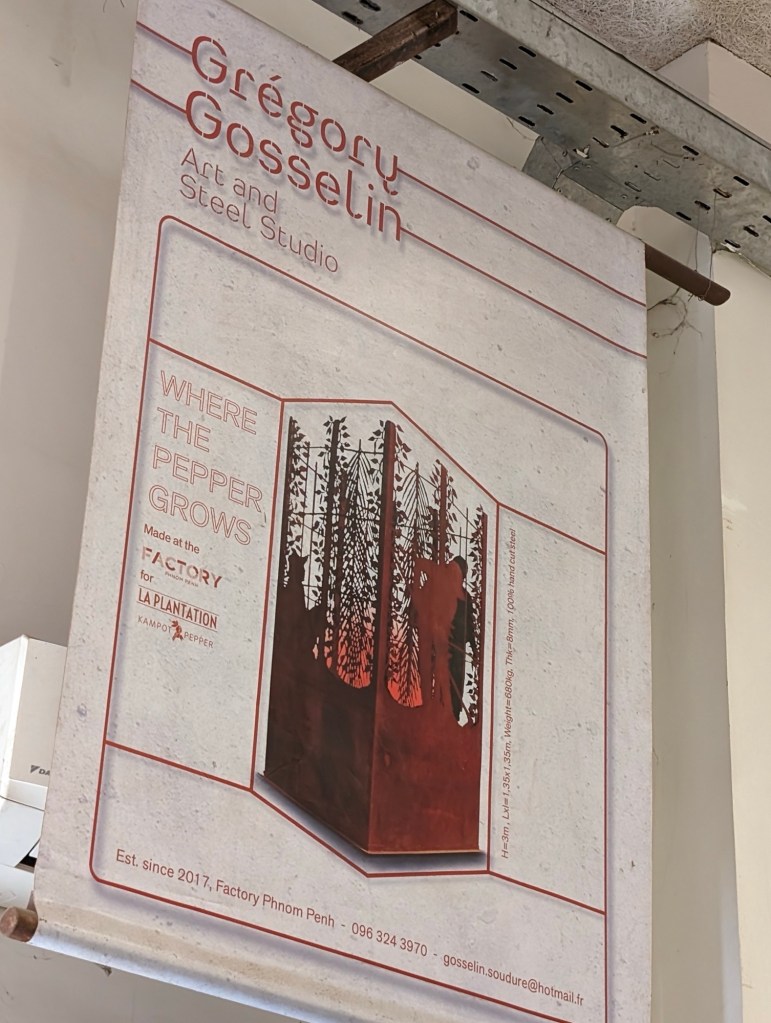
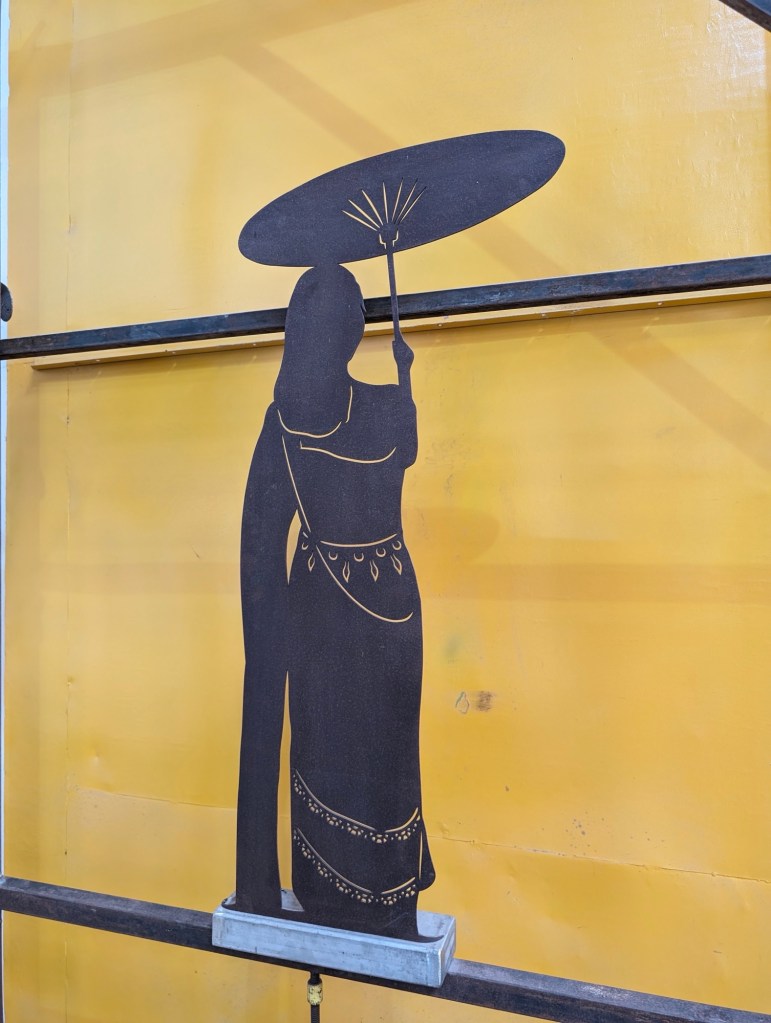
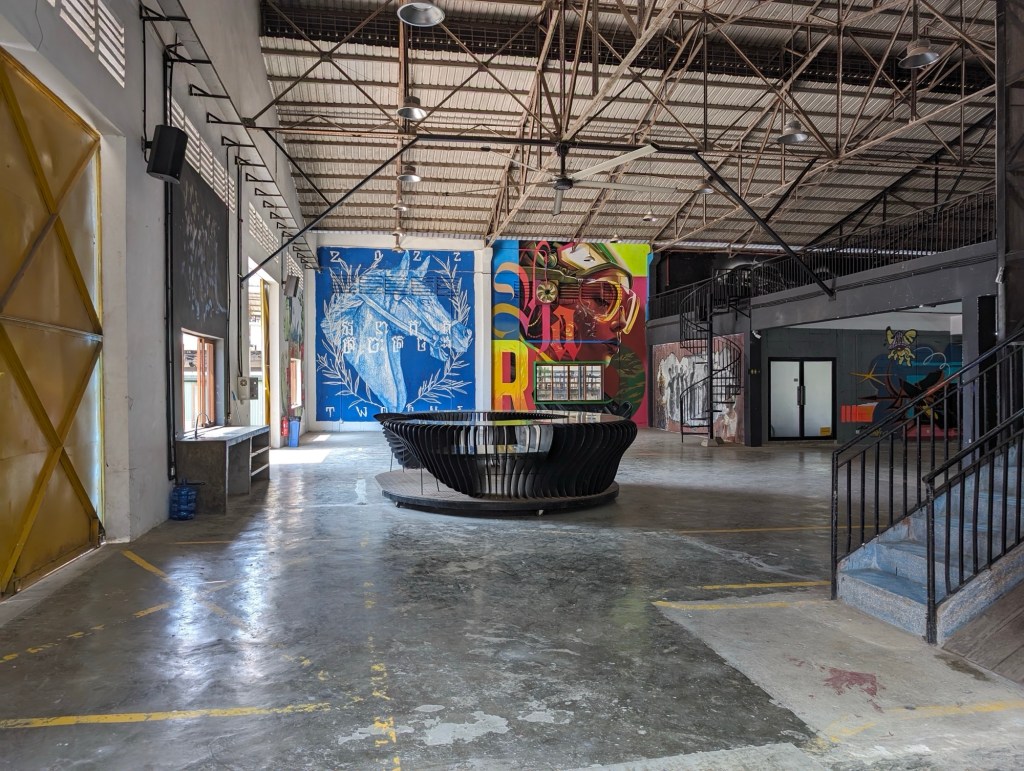
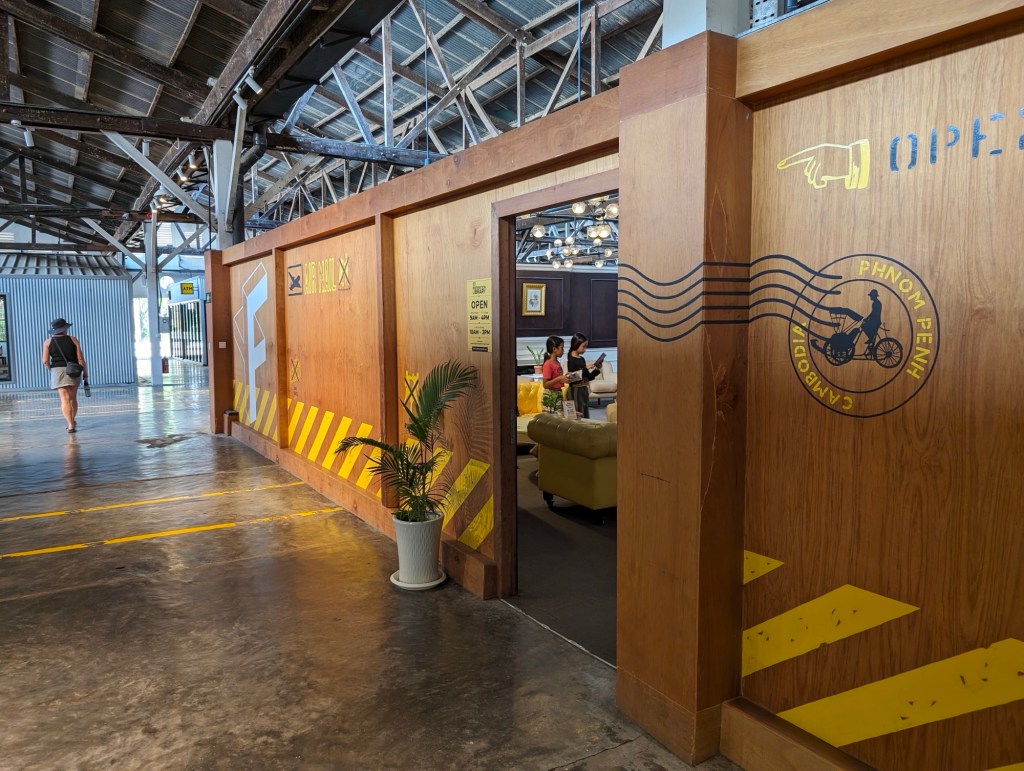
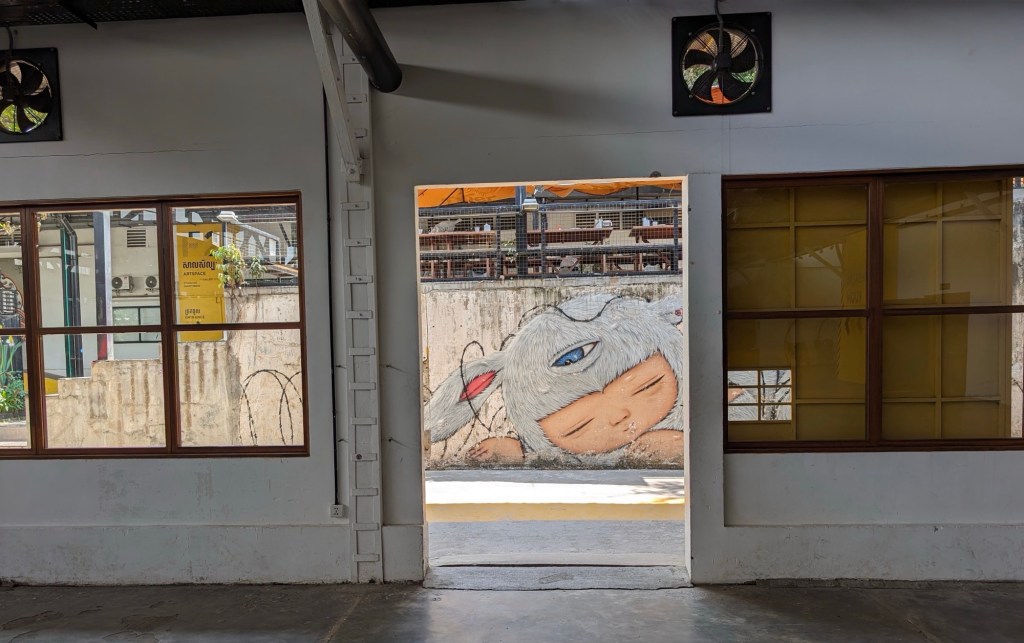
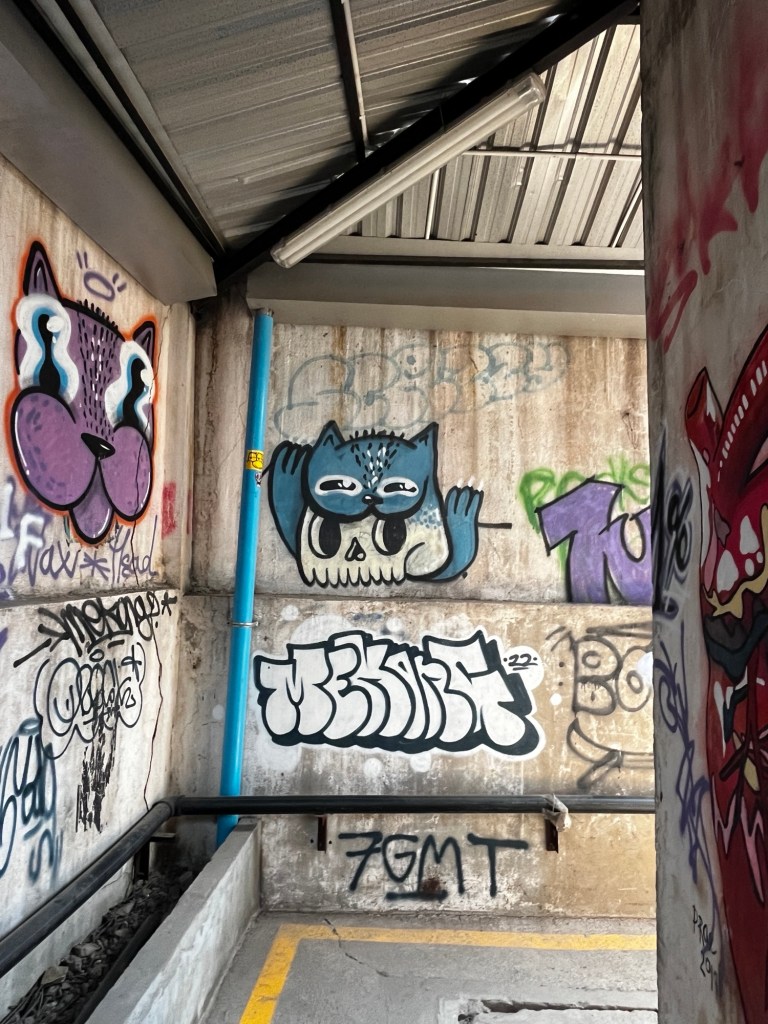
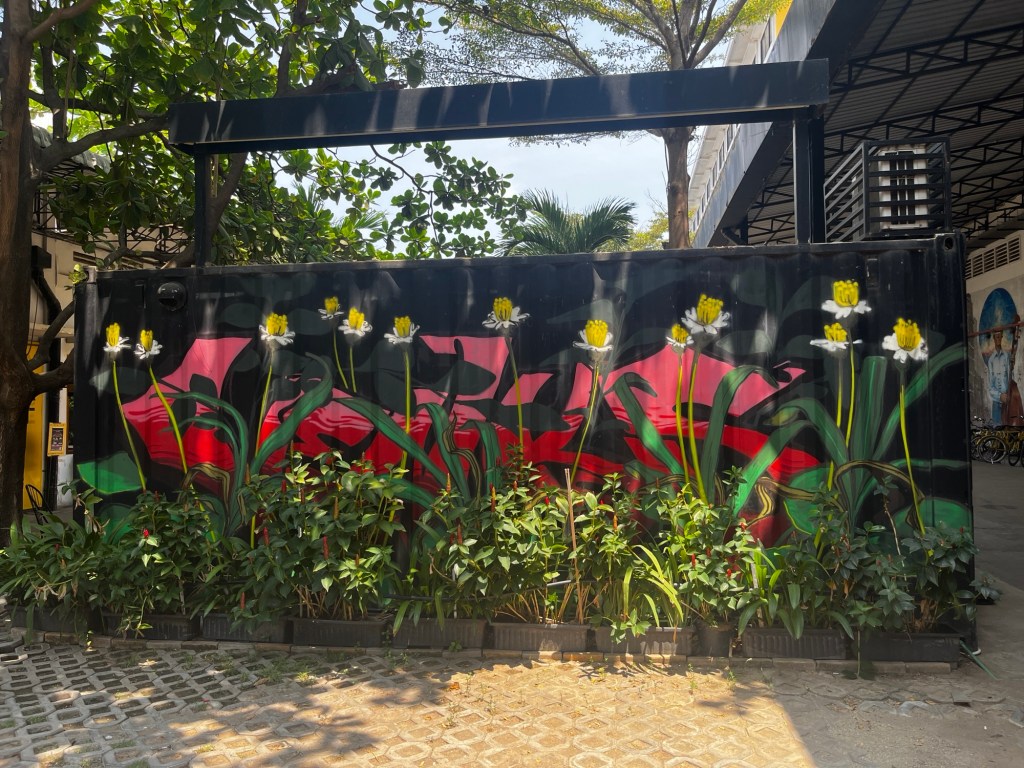
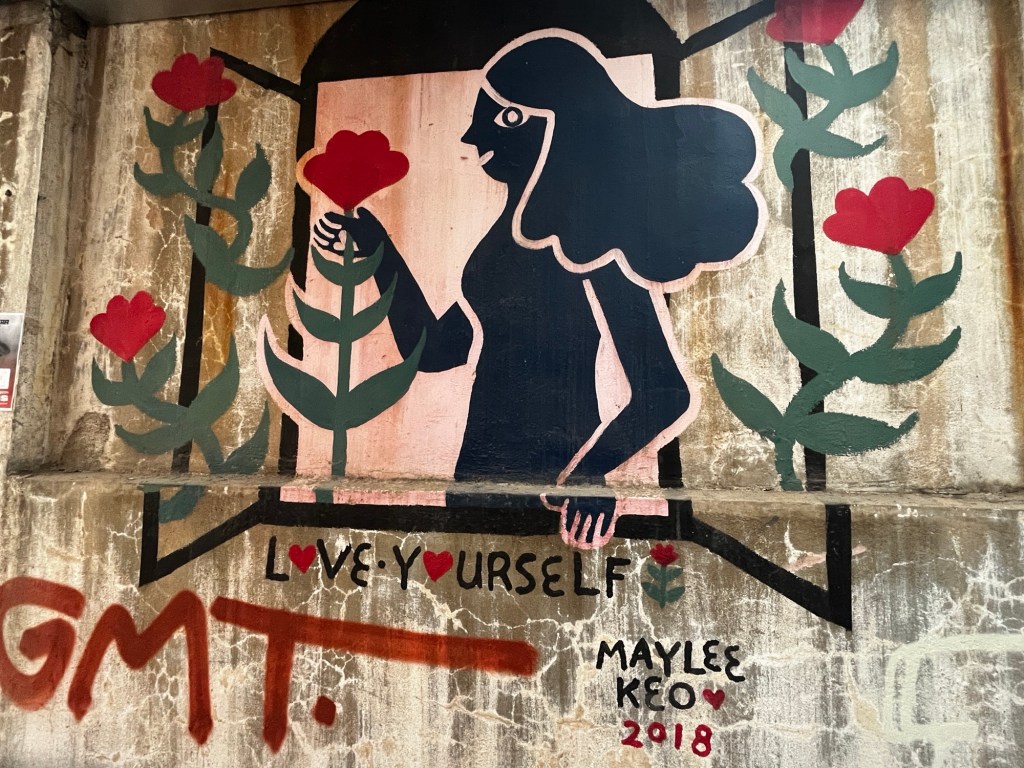
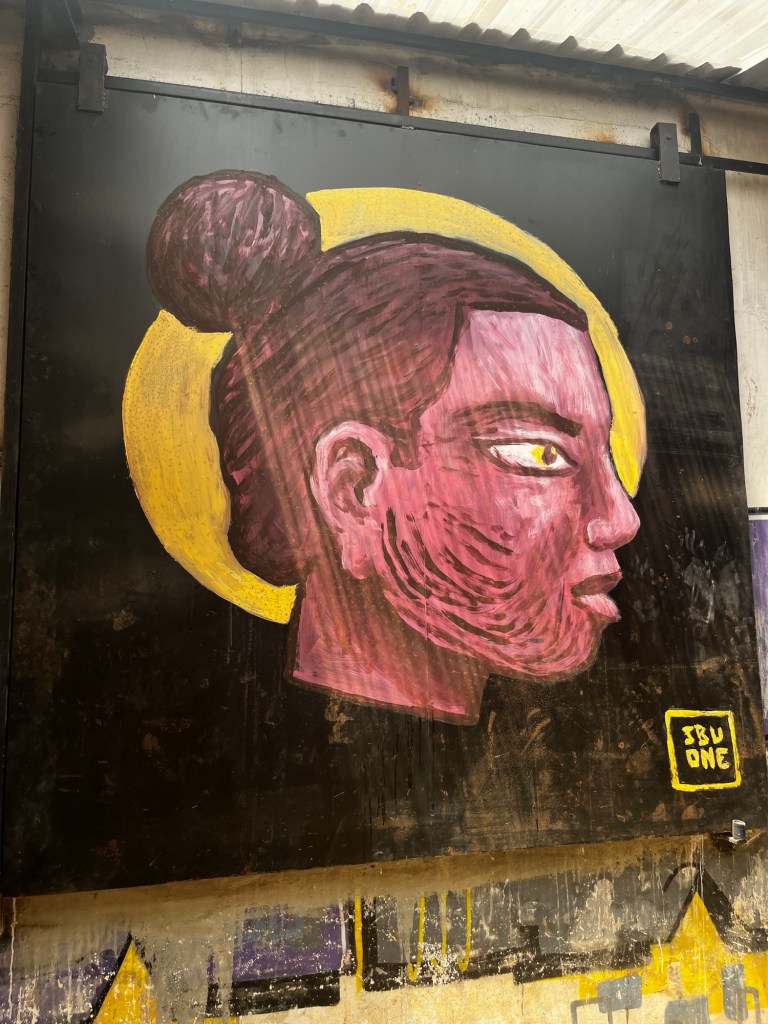
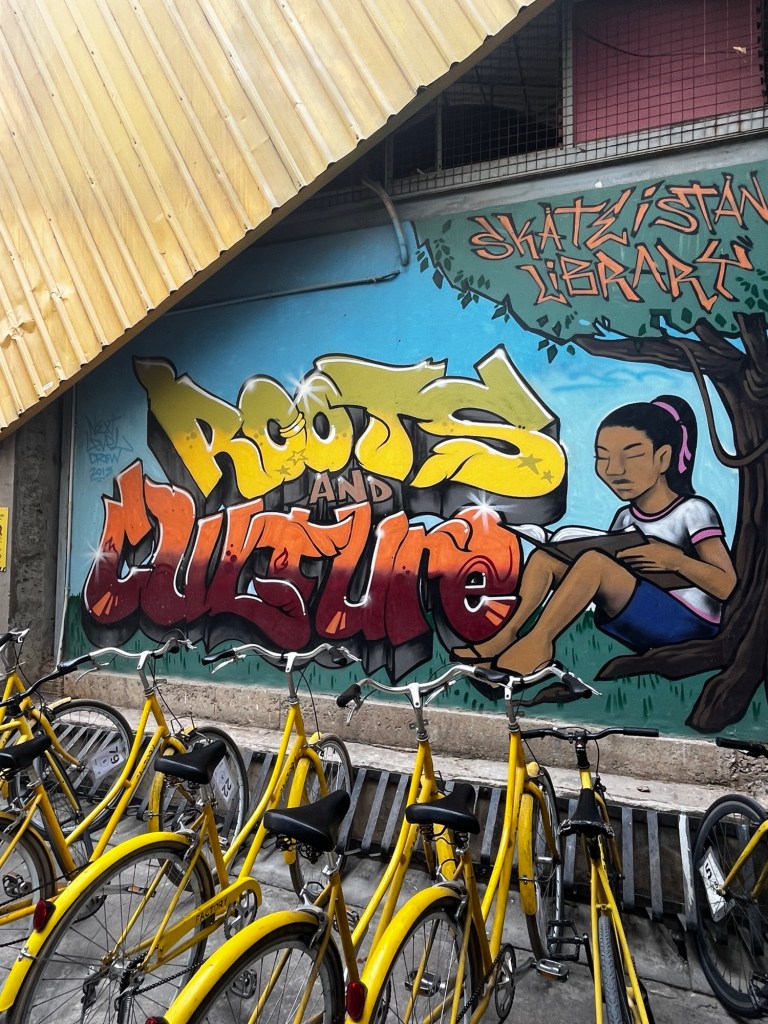
The Factory is a former Levi-Strauss factory that is being developed as a studio, co work, entertainment and restaurant space. It is well known for graffiti art.
We wander around and check it out.

Toyota Prius
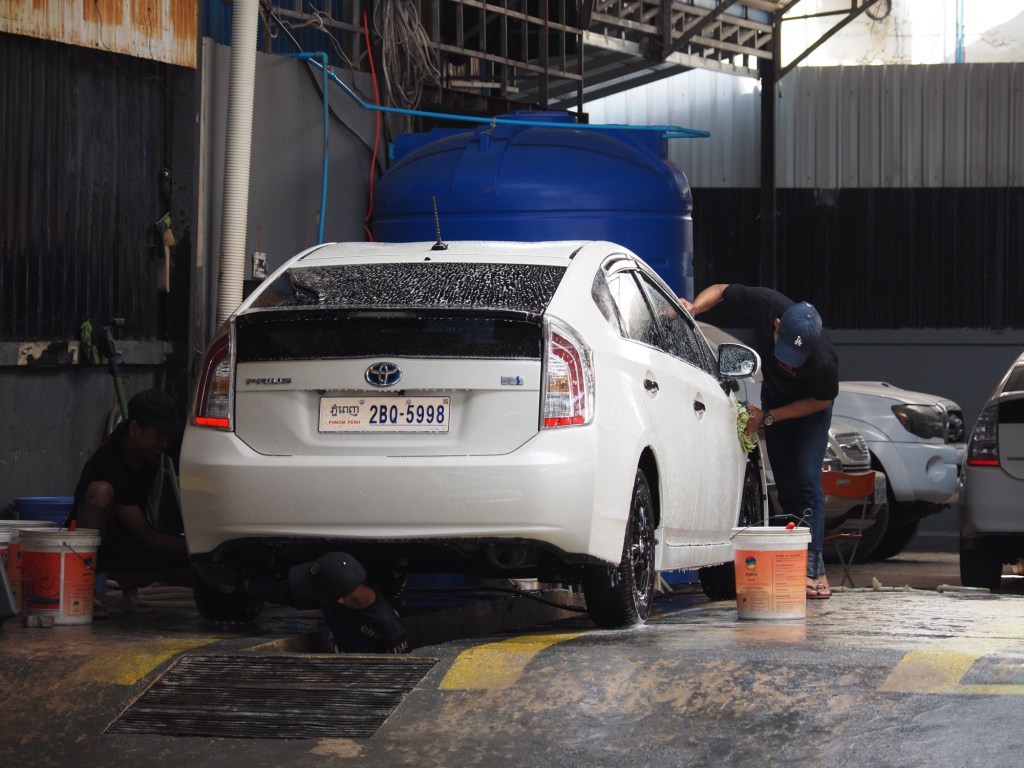
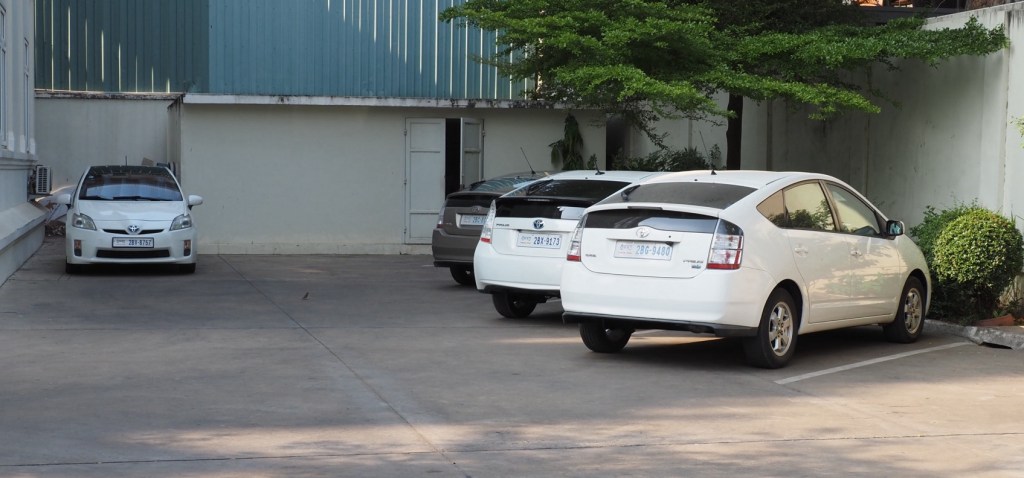
Everywhere we go we see so many Toyota Priuses. Many come to Cambodia second hand. They are relatively inexpensive to buy and operate. Val owned two of them over 20 years.
As the very first
Off to Siem Reap
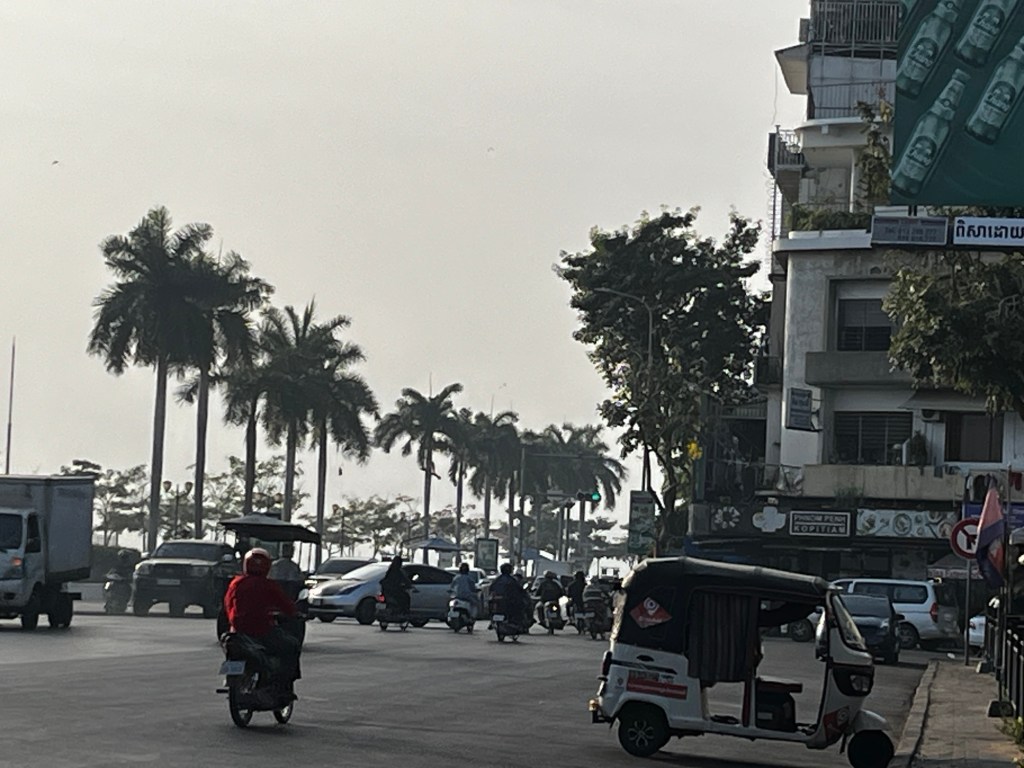
Riverside view from the bus depot. Next stop is Angkor Wat.


 Two Sore Backs
Leave a reply to valeriejwilkins Cancel reply