When Val’s grandparents lived in KL (her grandfather worked for the railroad before and after the war – stories to come), they escaped the heat by travelling to the mountains, Fraser’s Hill to be specific. Tourism has really affected that area, so we (Val) chose Cameron Highlands as our cooling off place. It has been oppressively hot, more or less, since Saigon.
The first part of the journey was, of course, the train from Penang to Ipoh. It was a great experience, cruising at up to 145 kph through palm plantations with mountain ranges to the east.

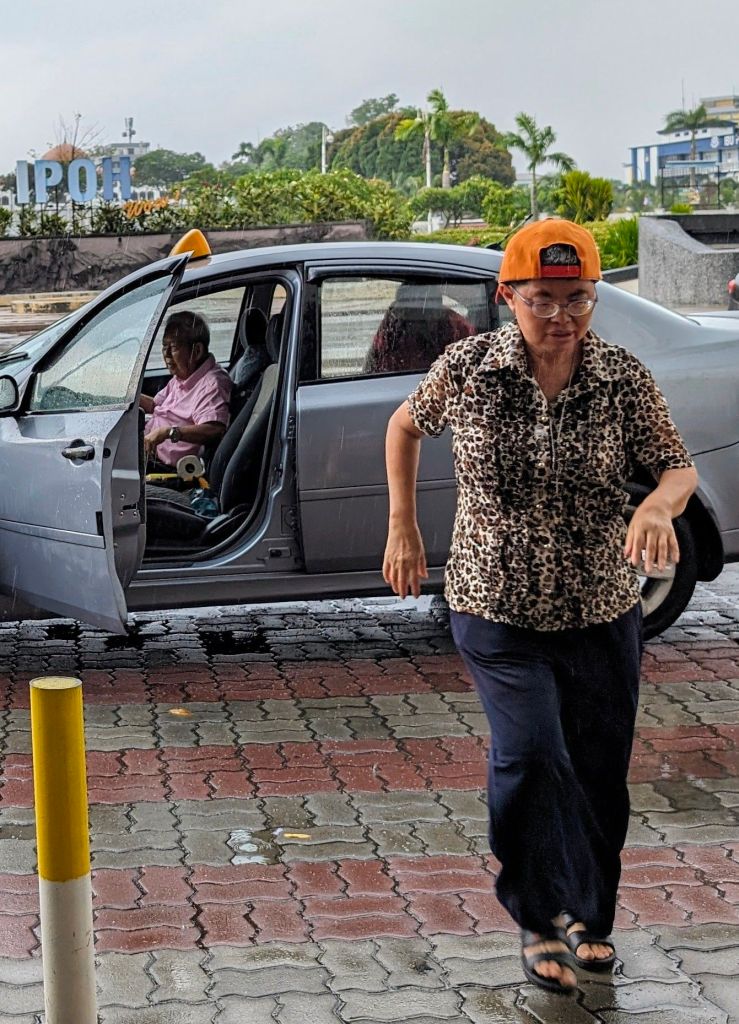
From Ipoh, we took the bus, which meant getting a Grab from the train station to the bus depot. As the Grab driver came to the main entrance, the skies opened up and in the time it took to put our bags in the trunk we were drenched. This was the first real rain we had seen since the start of the trip.
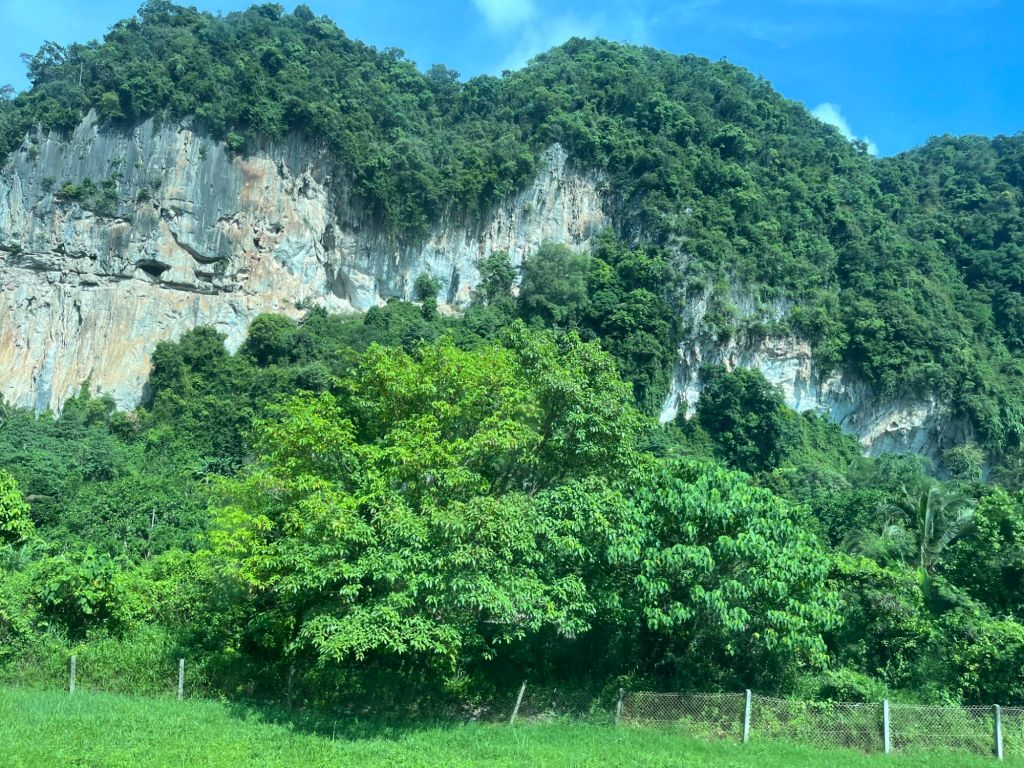
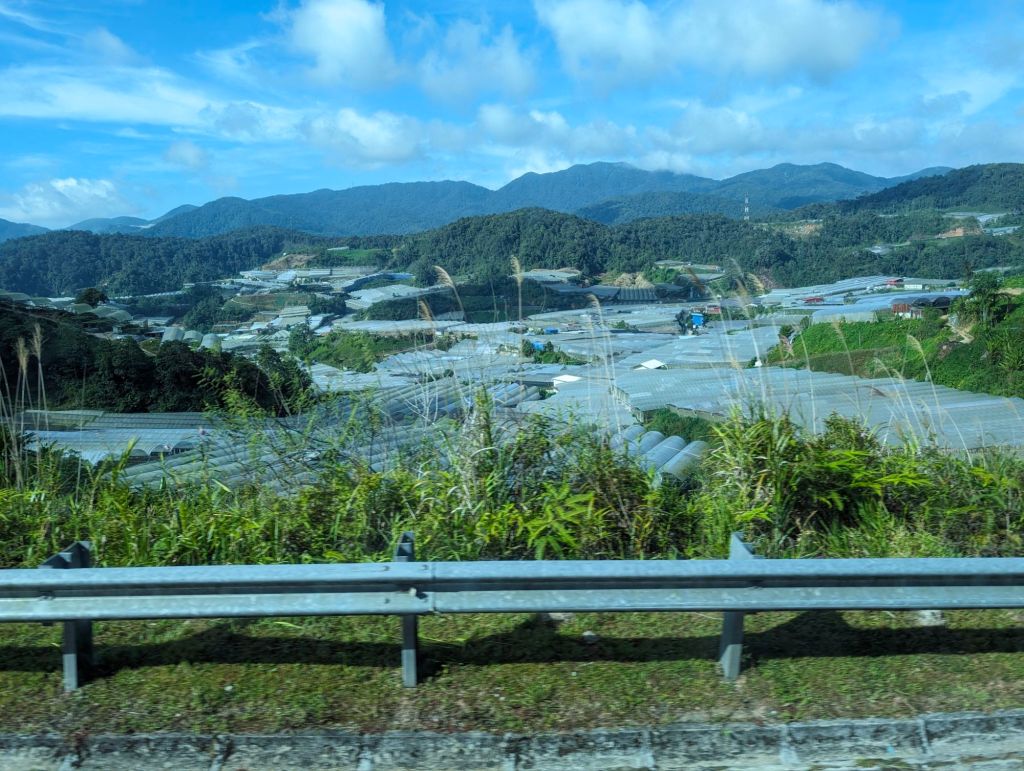
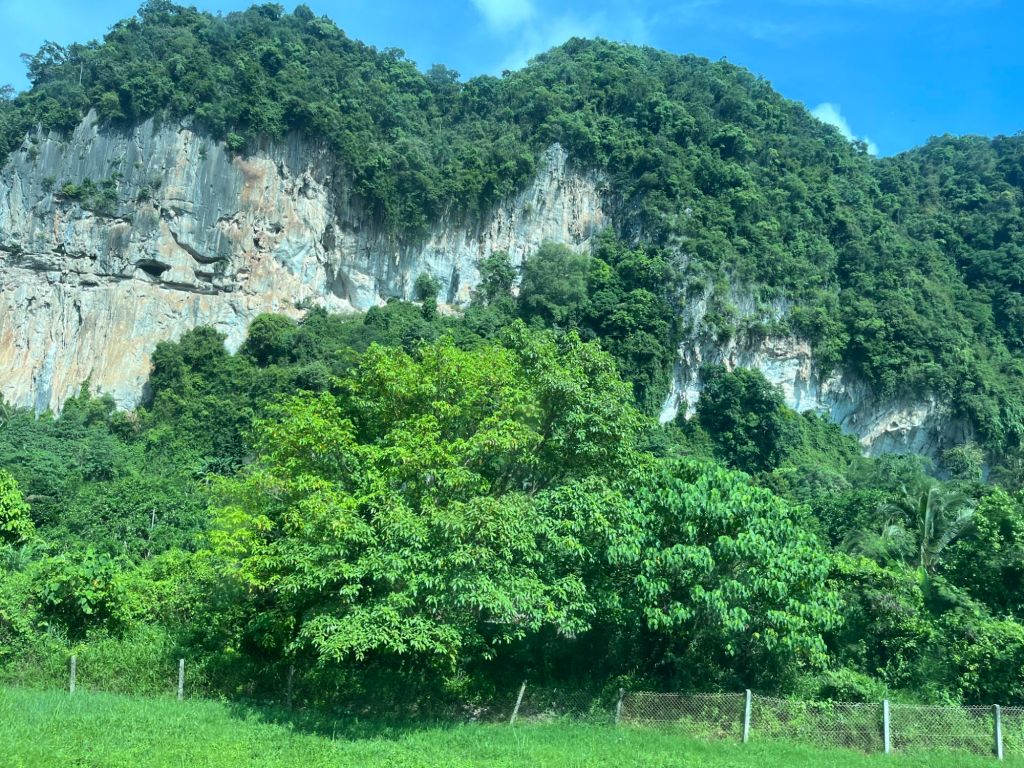
The highway from Ipoh to the Highlands was amazing. It starts outside of Ipoh in a flat river valley, green as can be, with limestone mountains jutting out here and there, reminding us of Ninh Binh in Vietnam. It then winds its way up the mountains through thick jungle, gaining close to 2,000 metres in elevation. Views of valleys below are breathtaking, and the types of trees and vegetation change rapidly as we ascend. Palm trees gave way to enormous silver ferns that we hadn’t seen since the south island of New Zealand. As the road levels off and dips in and out of valleys, we see acres of what look like greenhouses covering the hillsides. We see later they are strictly protection from rain and excessive sunlight – clear plastic over metal frames.
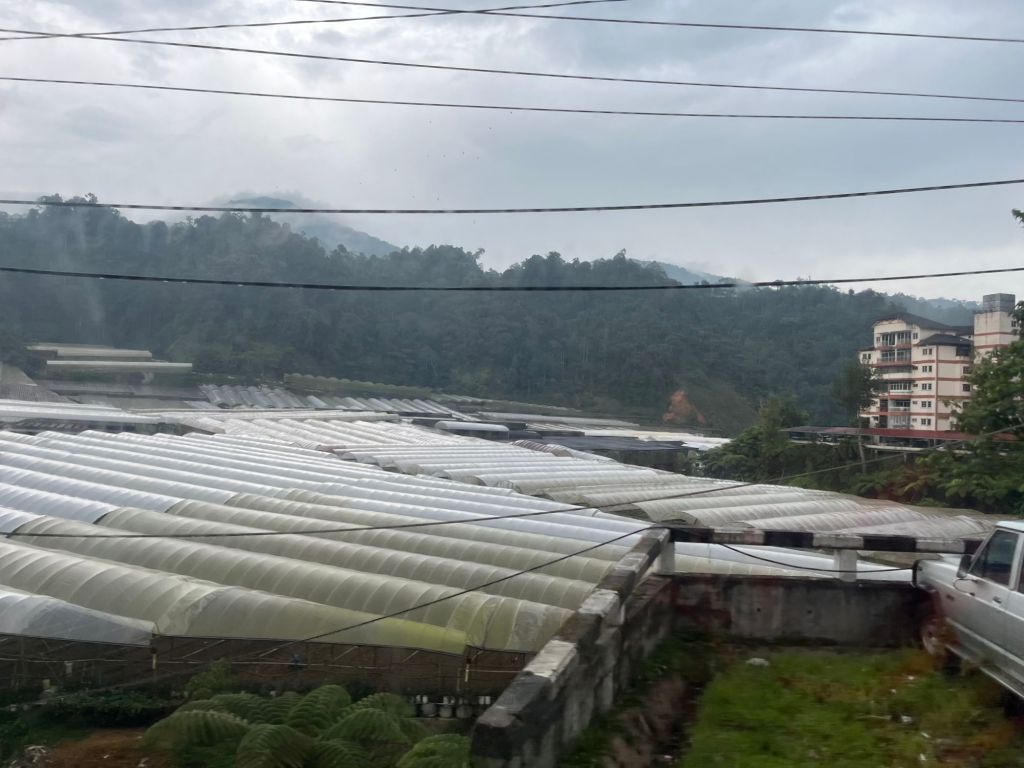
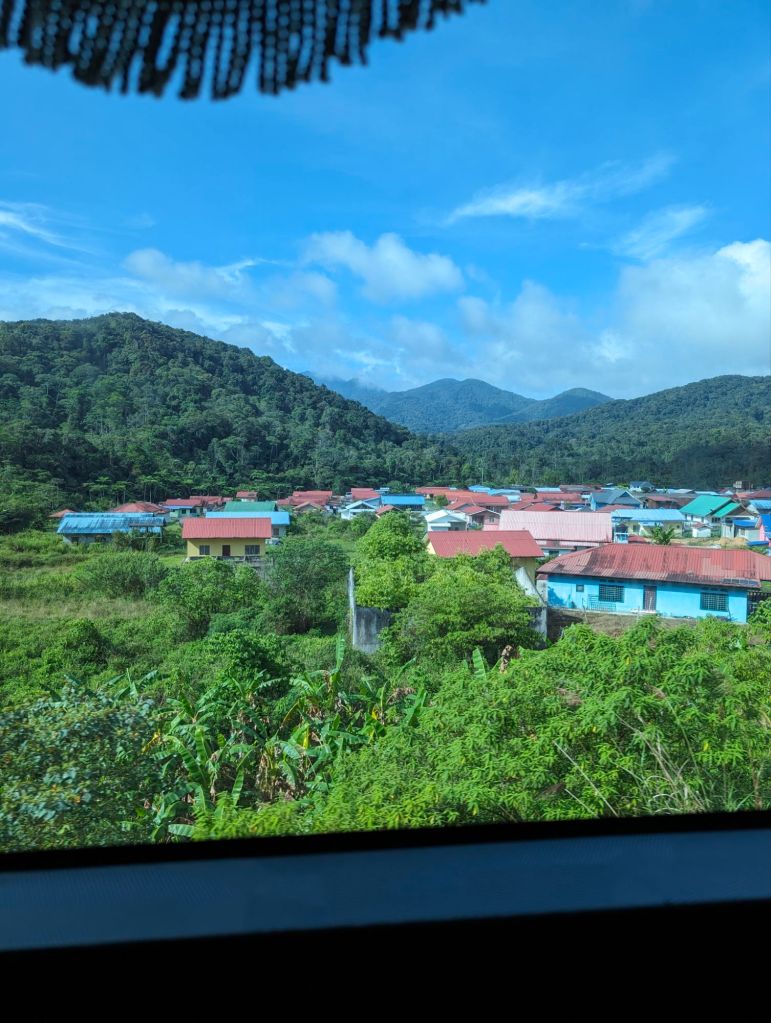
The area is pretty rough and rural, with agricultural businesses everywhere – different from what we’ve seen so far this trip.

We drive through several towns before arriving at Tanah Rata, which is more developed – it looks like there are a few tourists here.
It’s a short walk, 10 minutes or so, from the bus stop to our hotel. It was threatening to rain, but the temperature was only mid-20’s so the walk was nothing, even carrying packs. Wow, what a change from the heat of Penang.
The walk takes us through the tourist strip – basically a covered sidewalk – of Tanah Rata. We appreciate the cover as it’s beginning to rain again.
We got settled in at the hotel, signed up for the half day tea plantation and mossy forest tour the next day, and then popped back to the strip for a quick dinner – Malaysian food at Yash Banana Leaf Restoran.
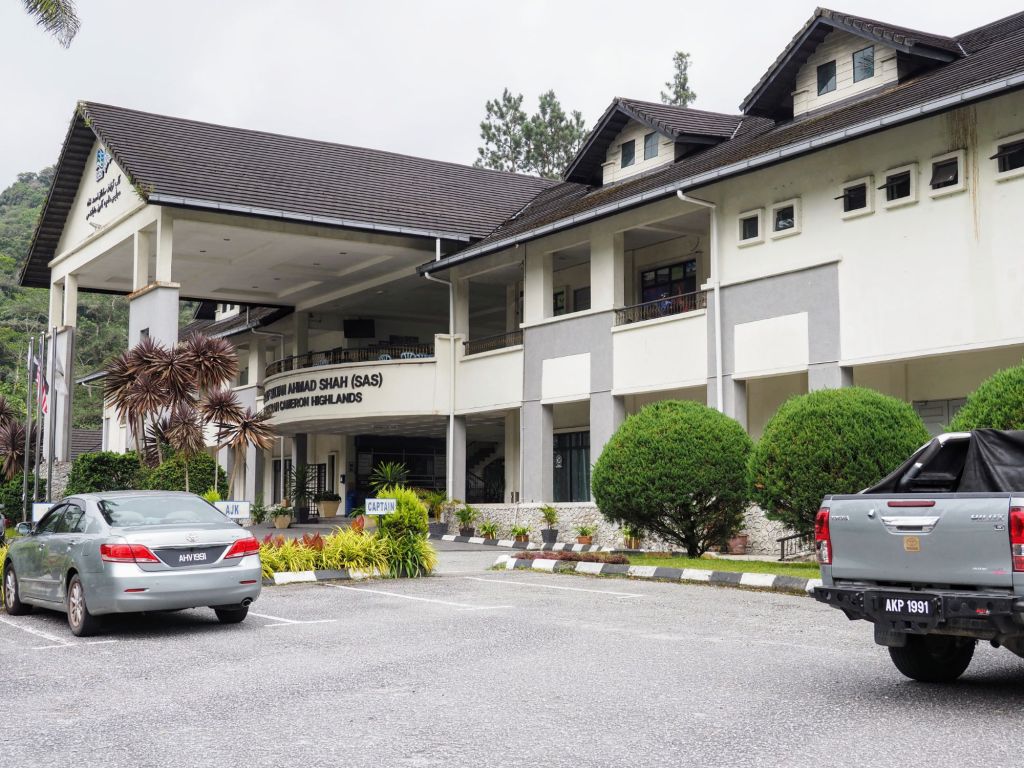
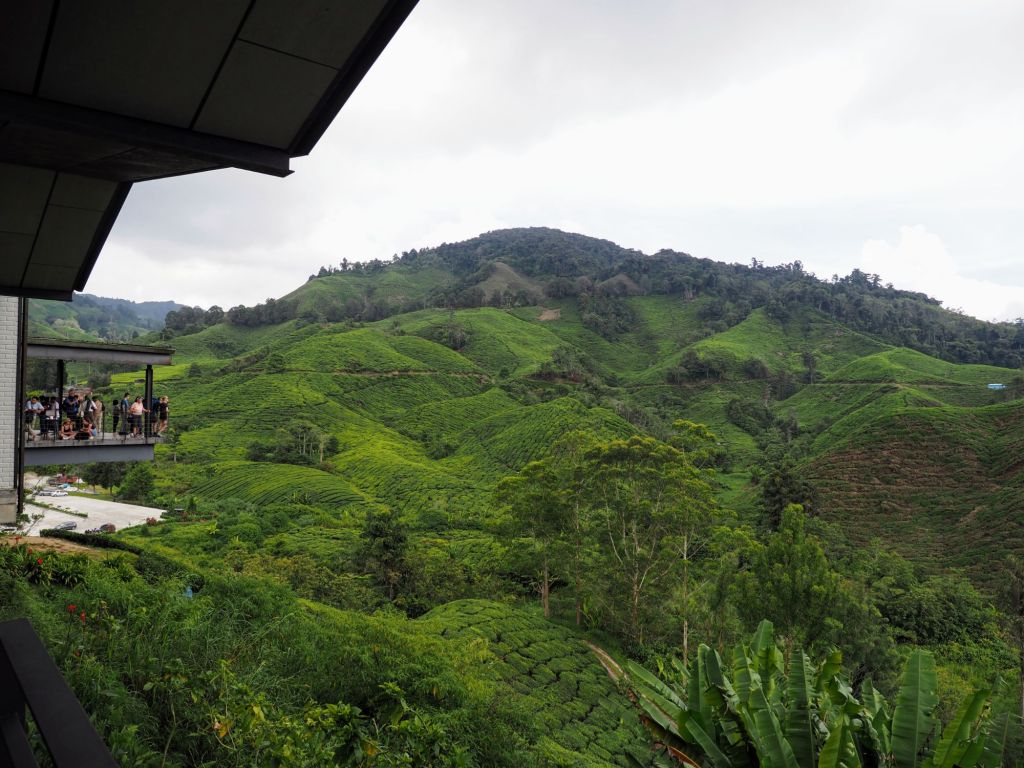
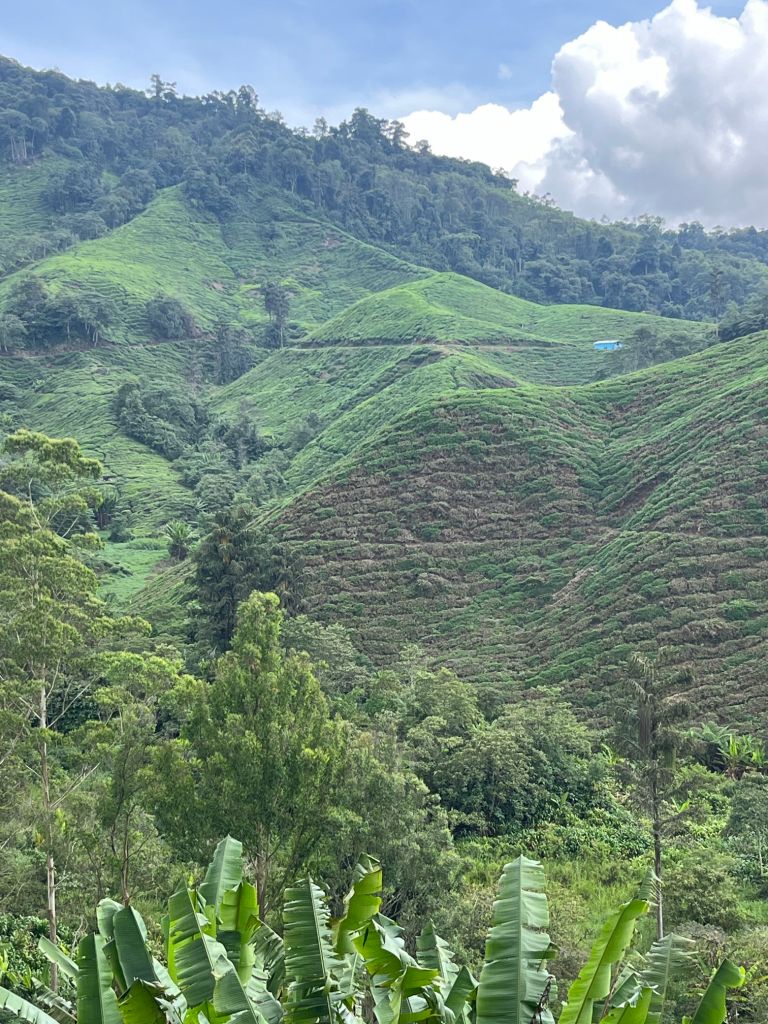
The next day we were up early to meet our guide, Tamil, for the tour. First stop was the tea plantation.
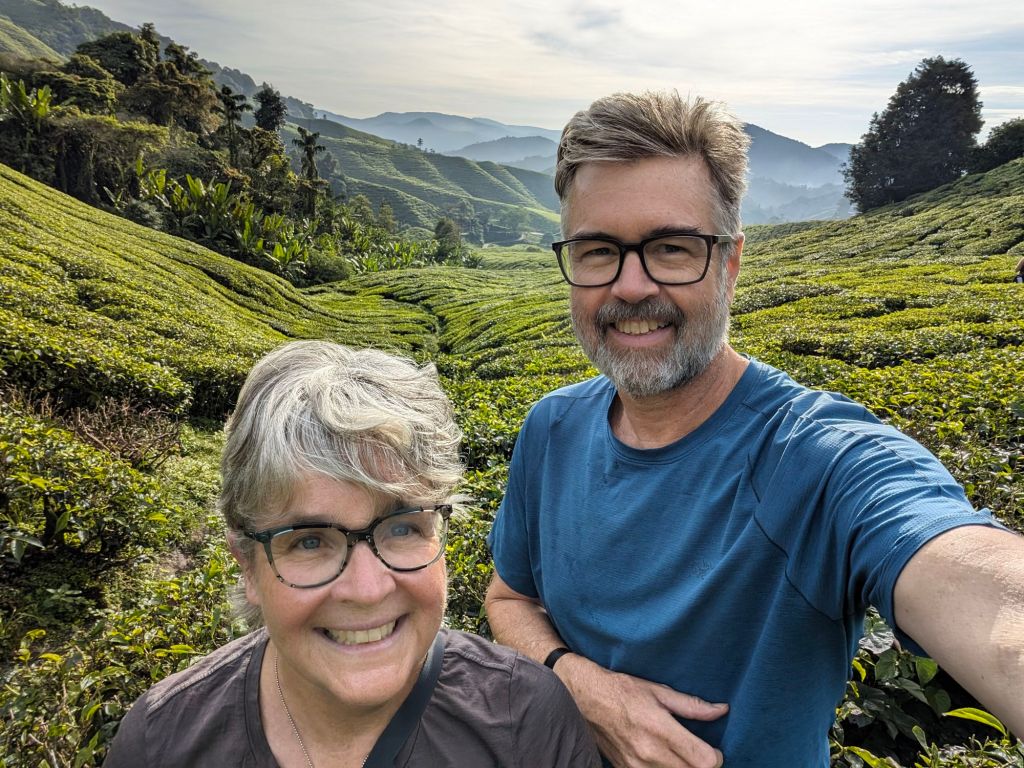
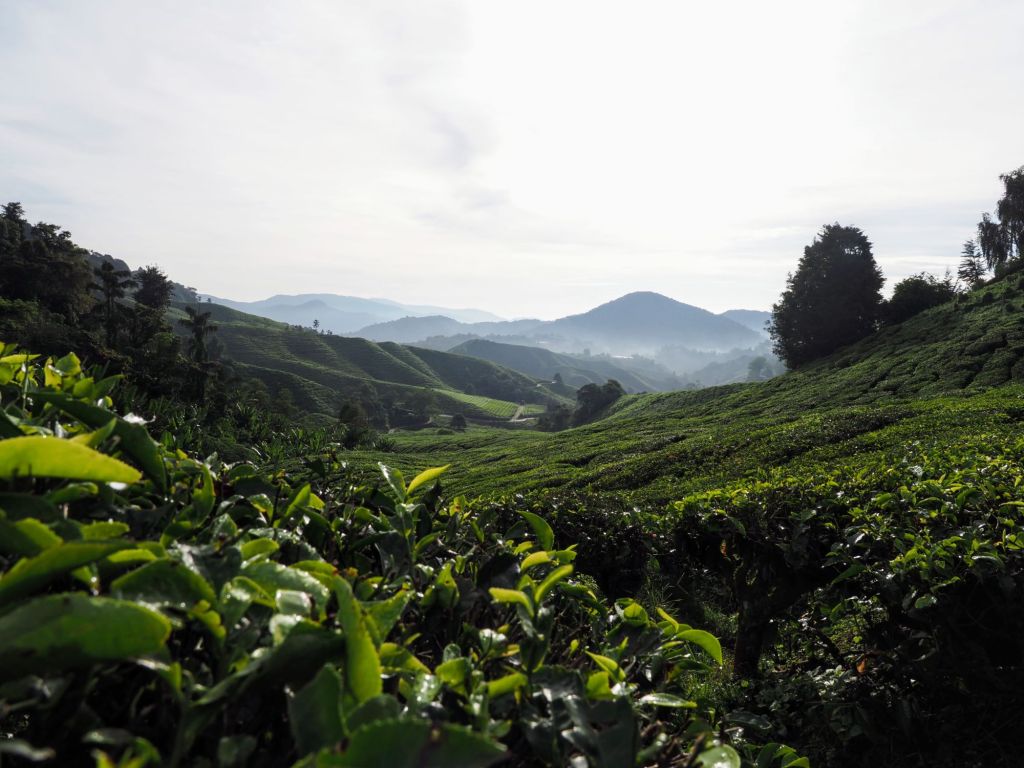
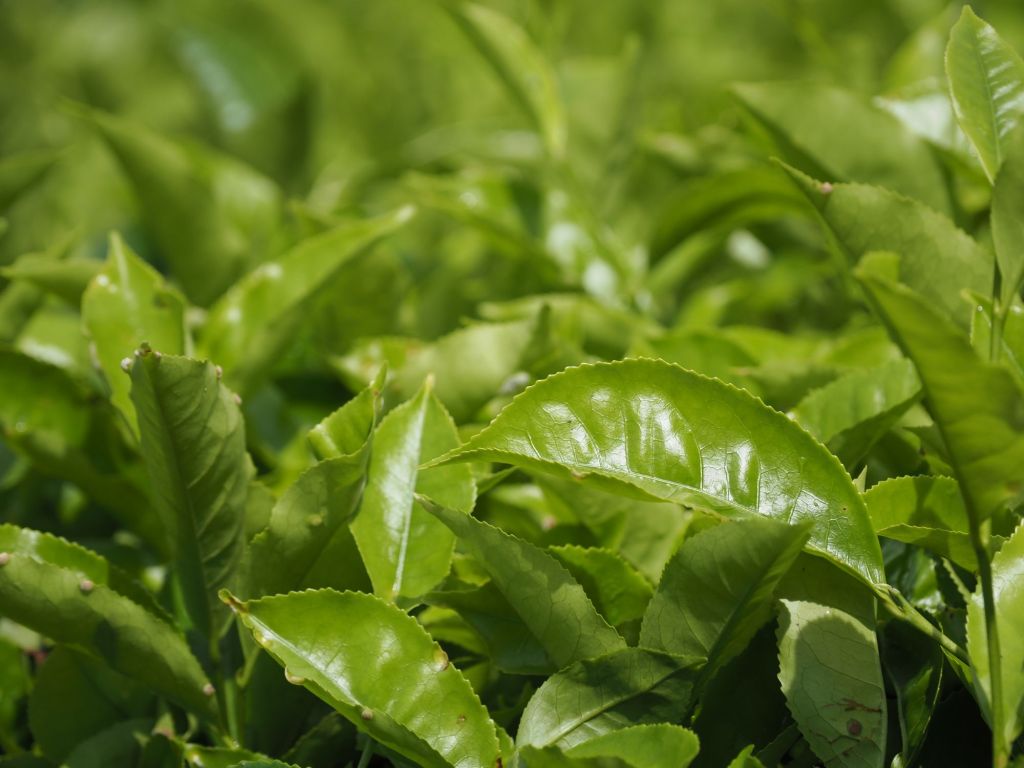
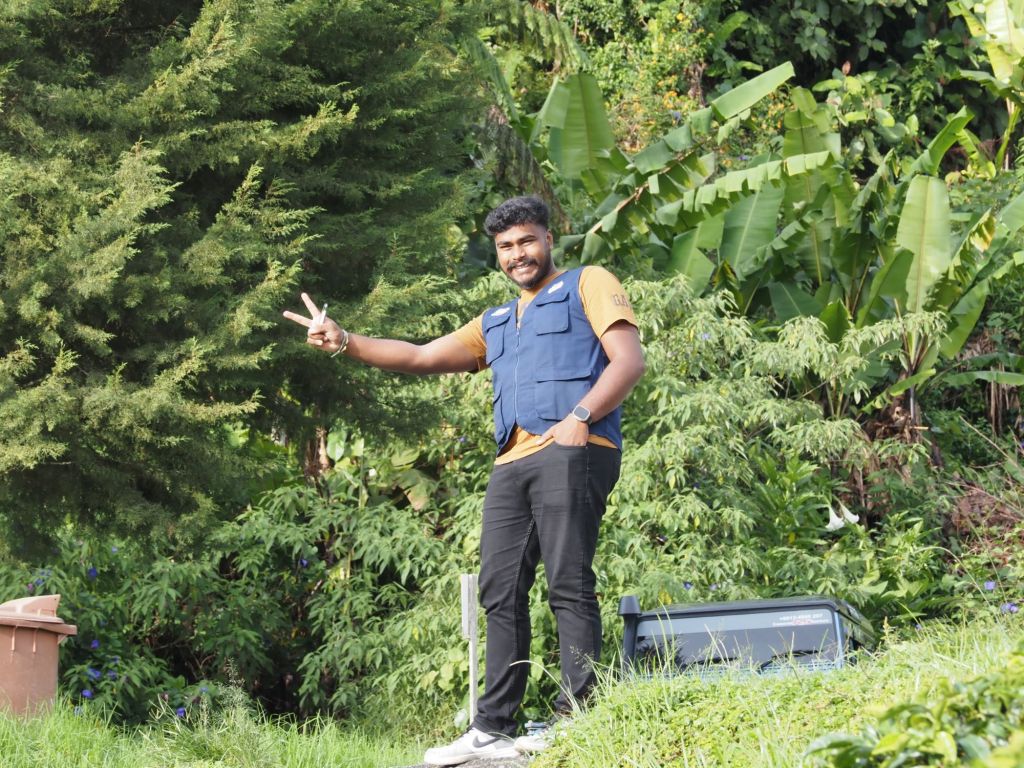

After photos and an orientation talk, we headed towards our second stop, the Mossy Forest. Along the way we spotted some plantation workers so we stopped to see how it’s done.
Where the land is flat, a mechanical shear held by two workers, one on either side of the plant rows, can be used. On steeper areas, hand shears are preferred. They are similar to ordinary garden shears, but with a plastic attachment to collect the leaves. Only the bright green new growth is harvested.
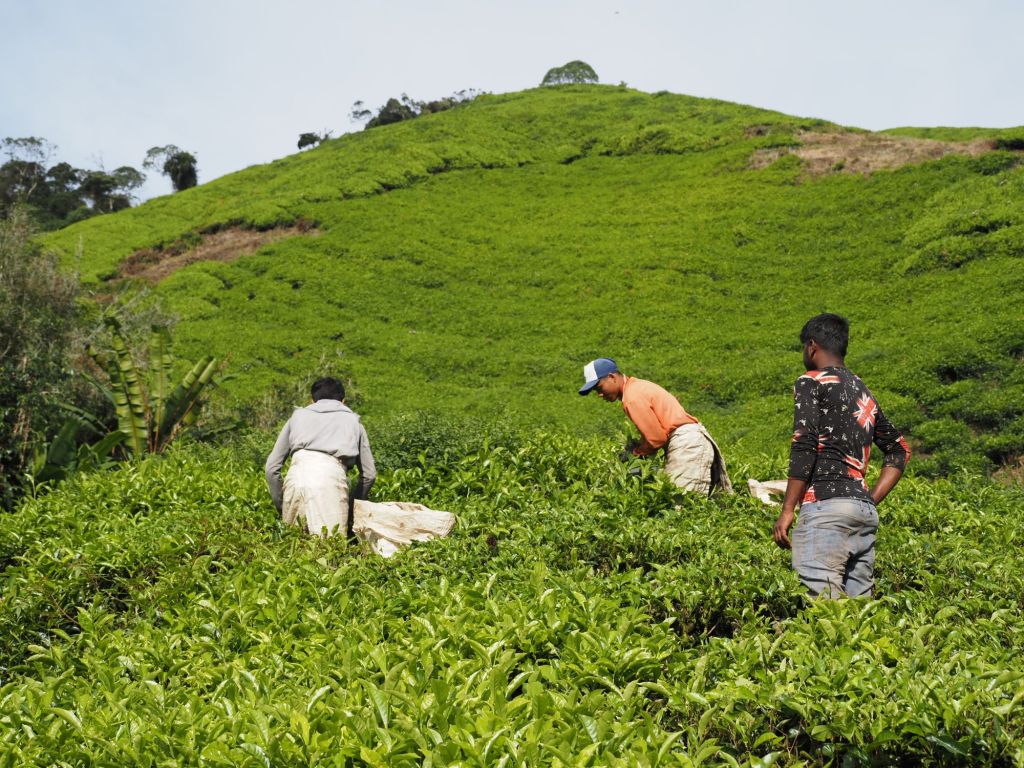
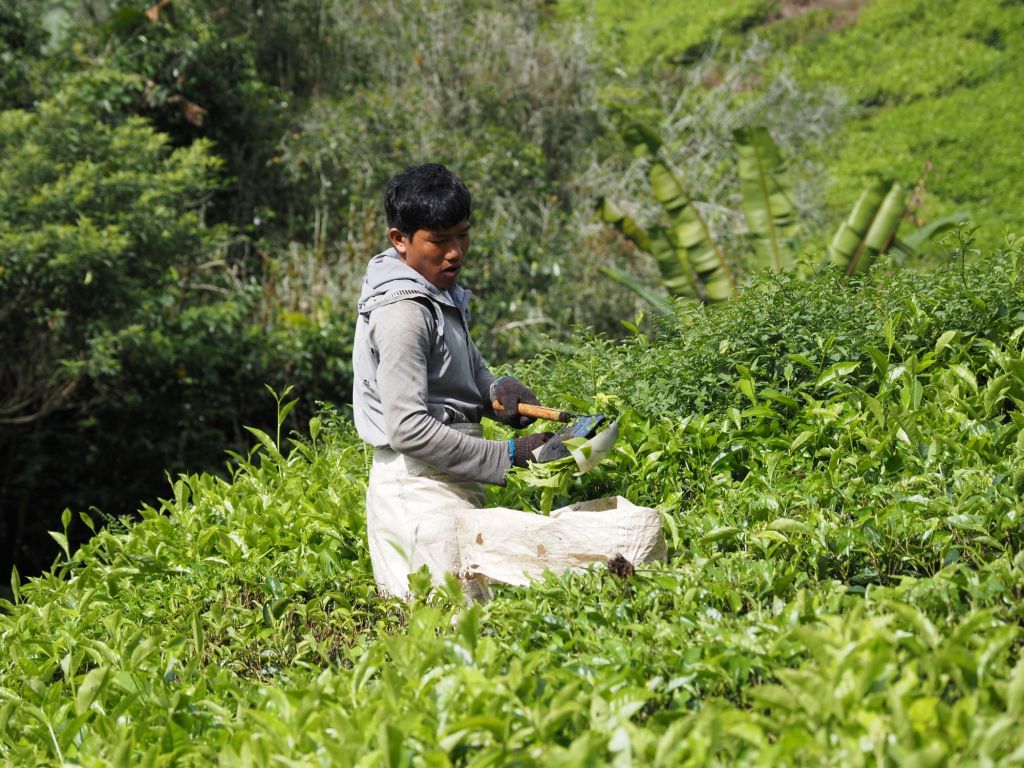
All of the plantation workers come from abroad – mainly Bangladesh. The work is “too hard” for locals to be interested. Sounds familiar.
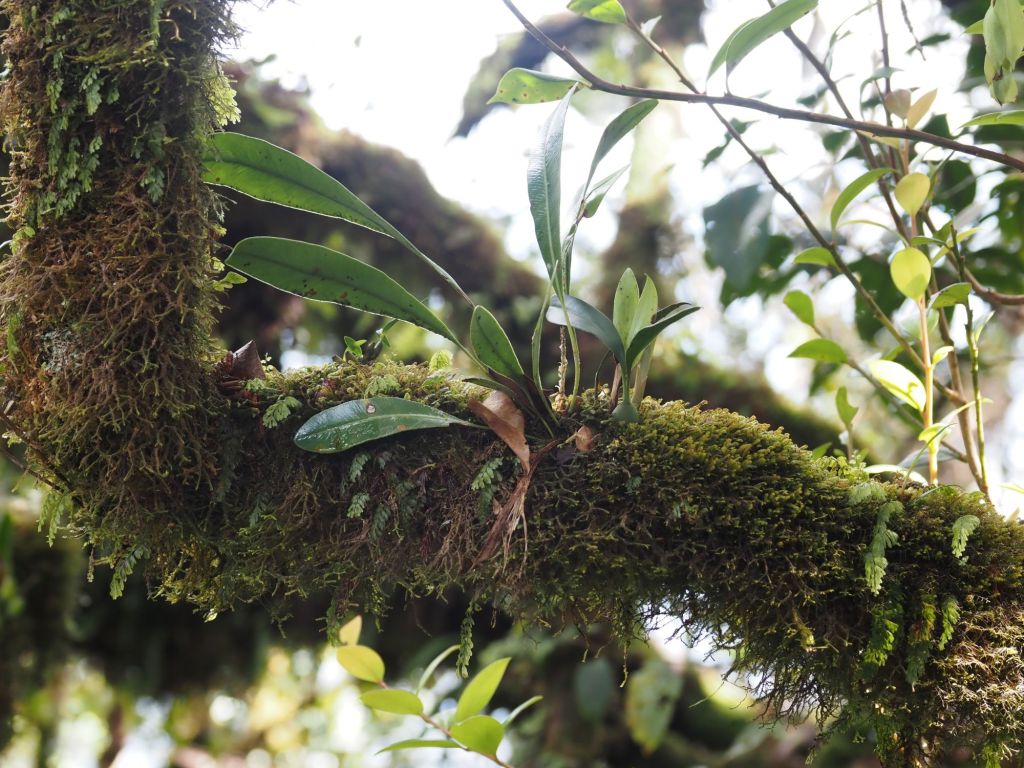
The Mossy Forest is a short walk at the top of the mountain range that separates the states of Perak and Pahang.
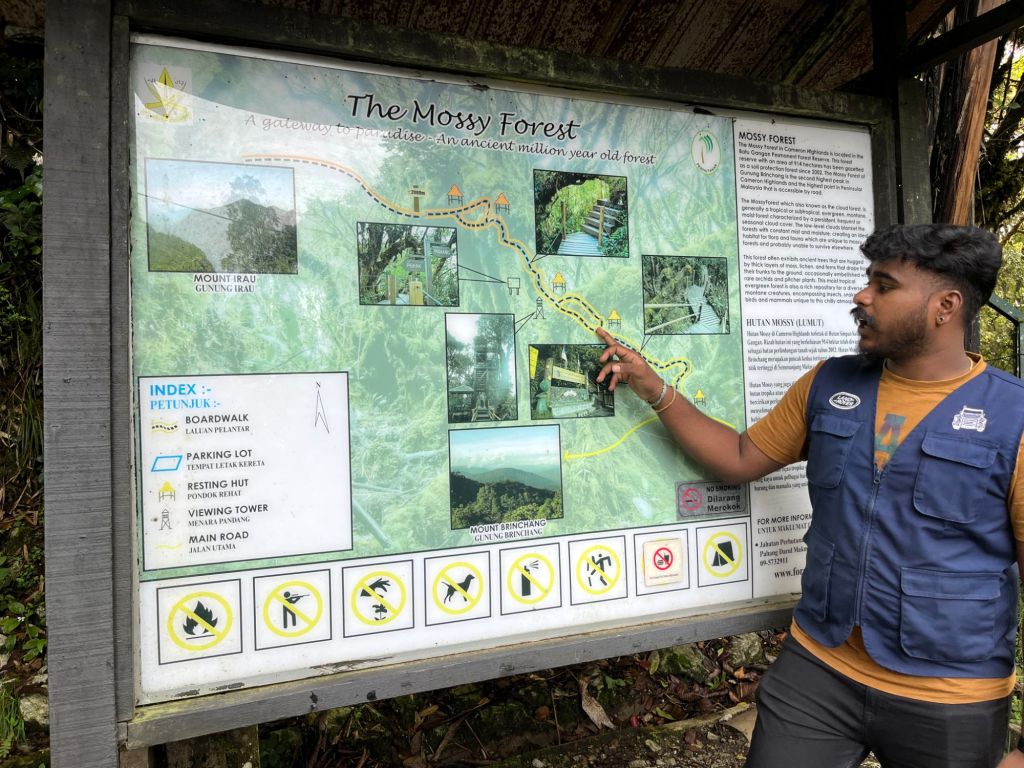
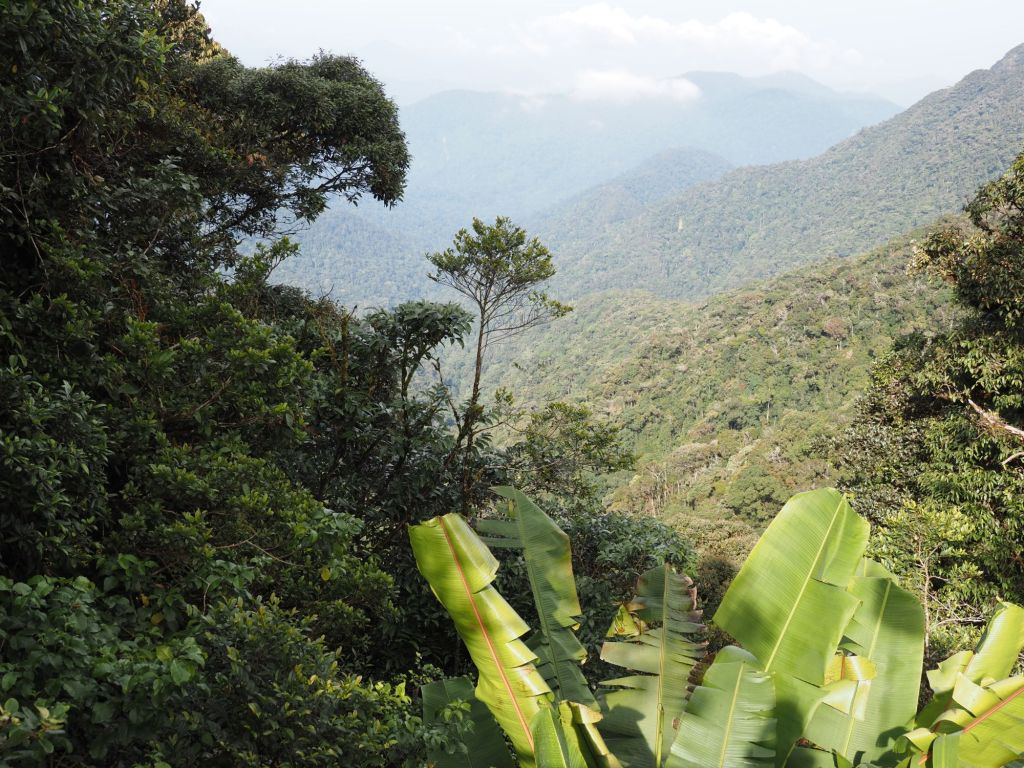
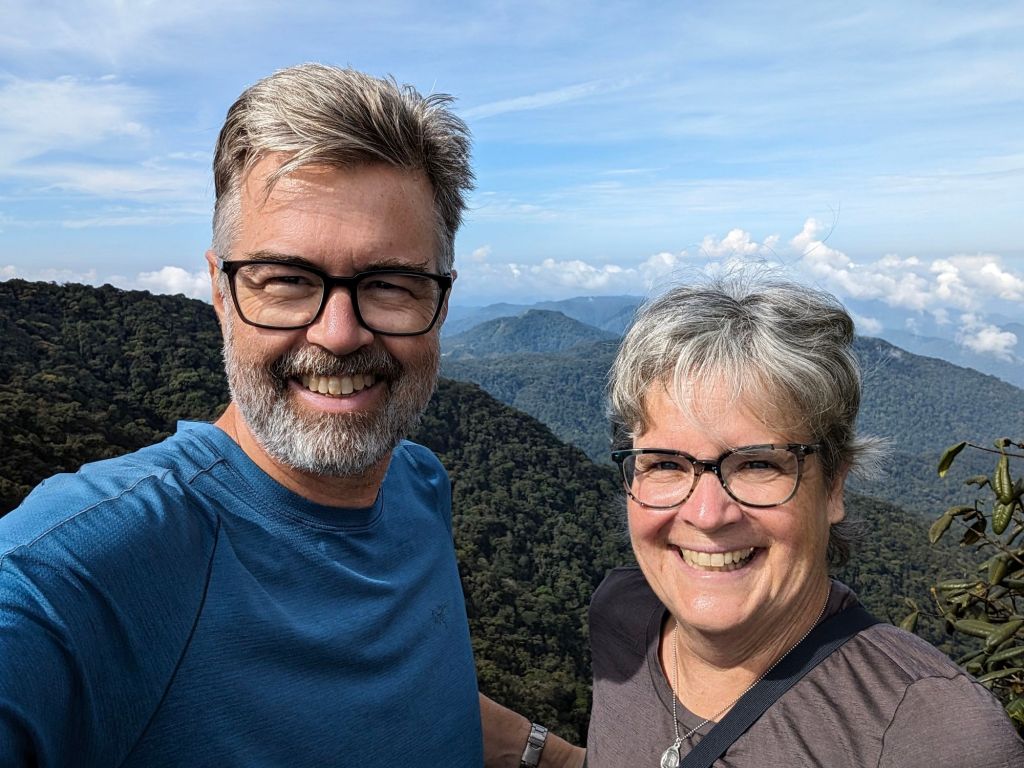
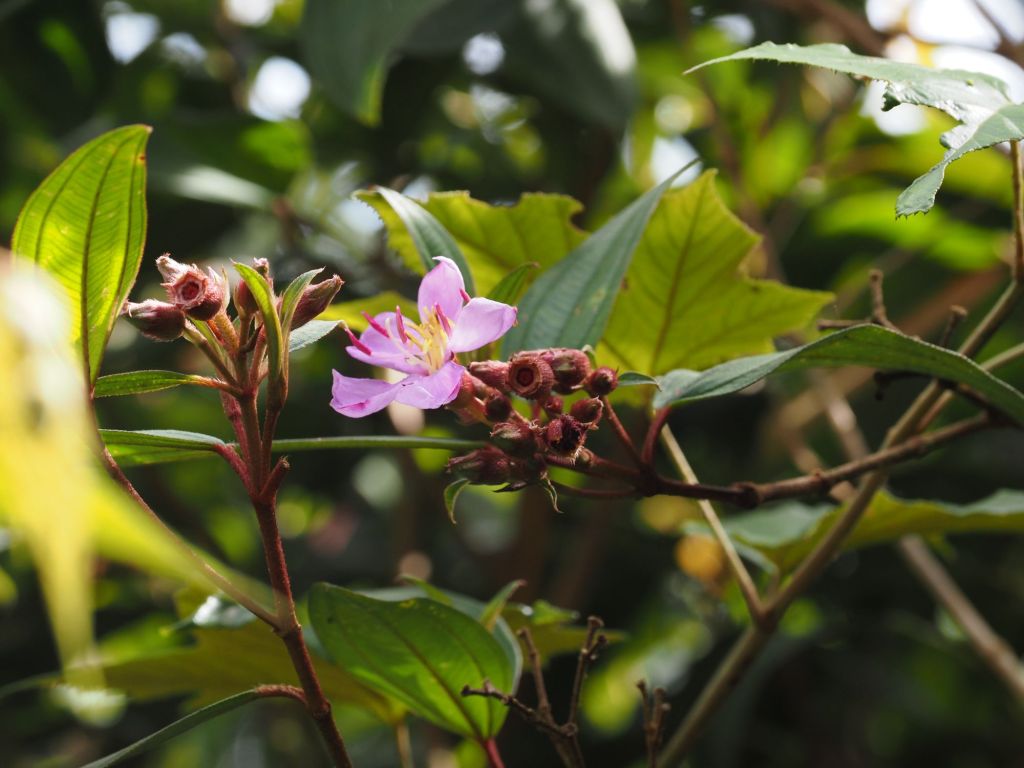
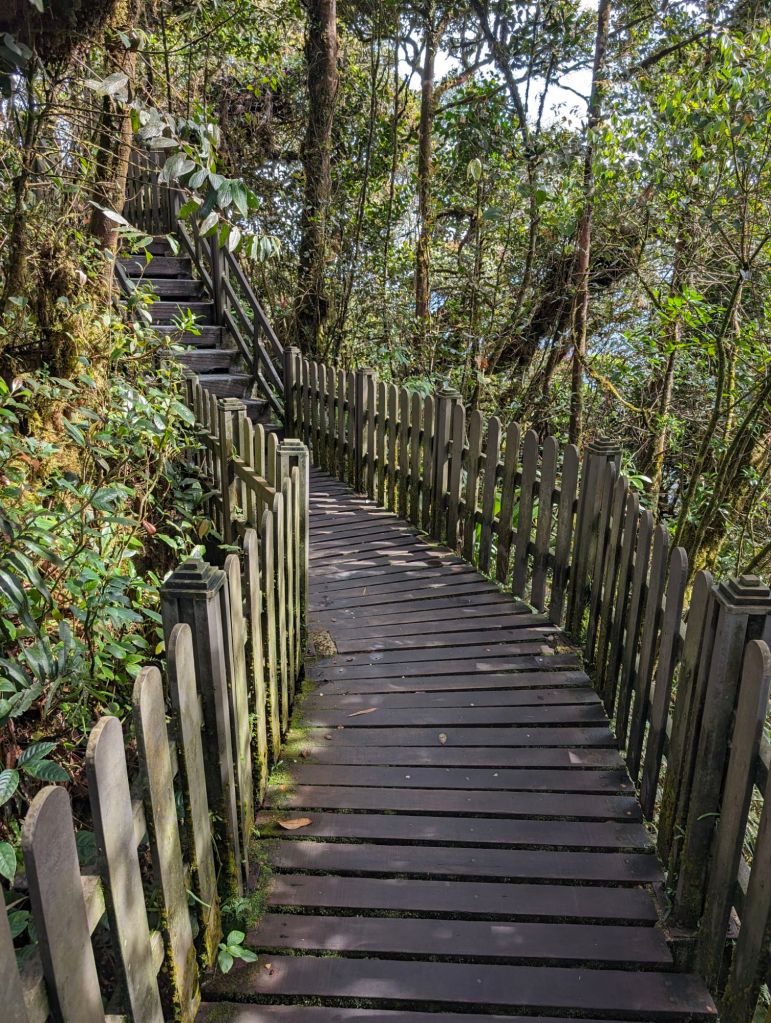
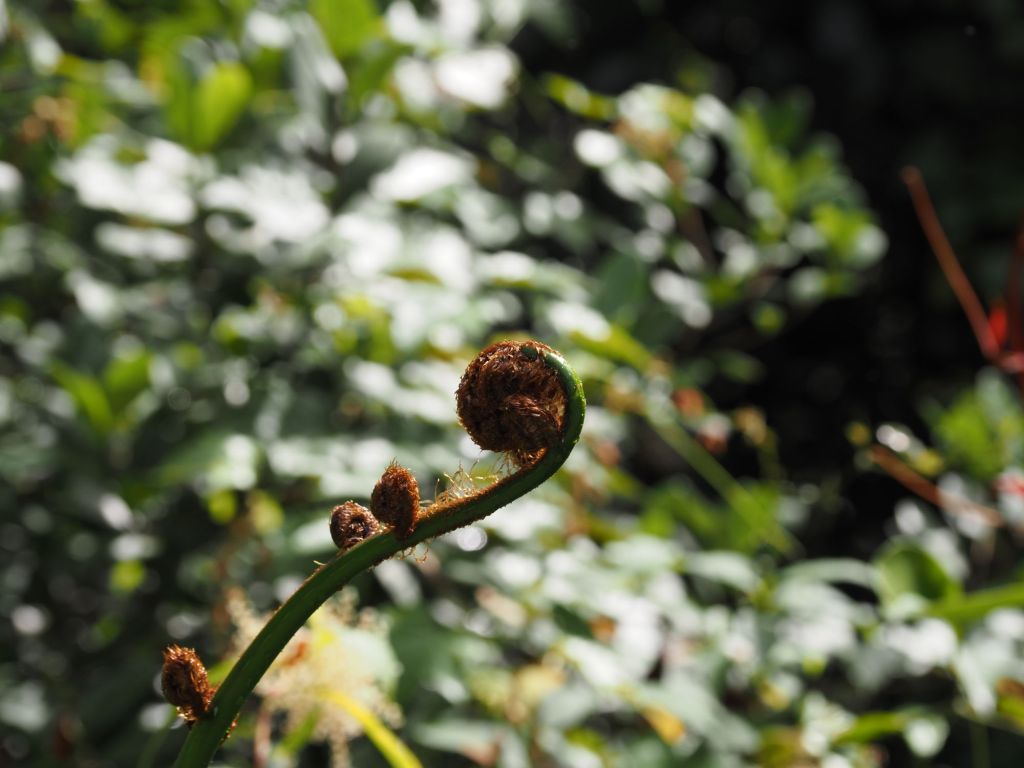
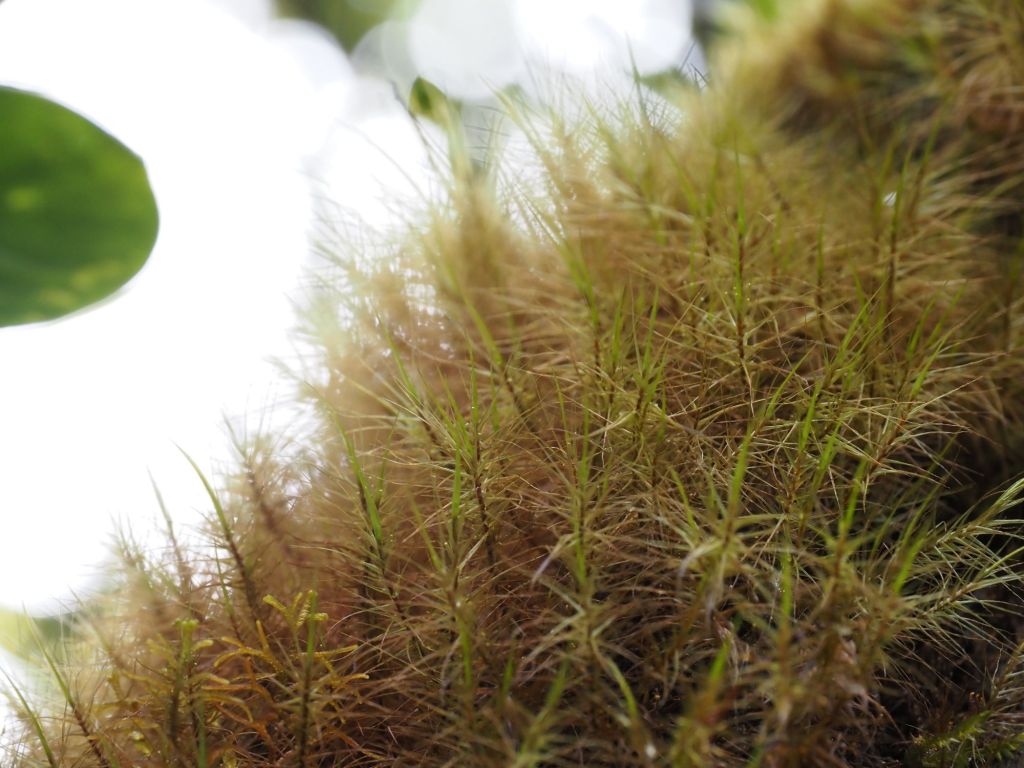
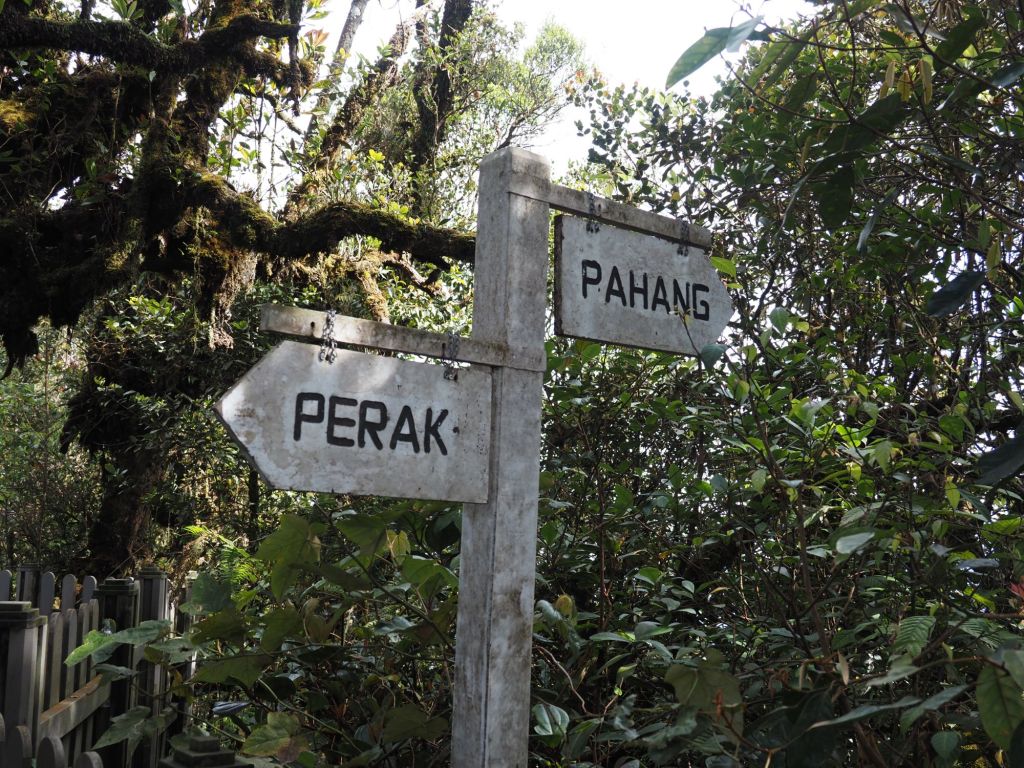
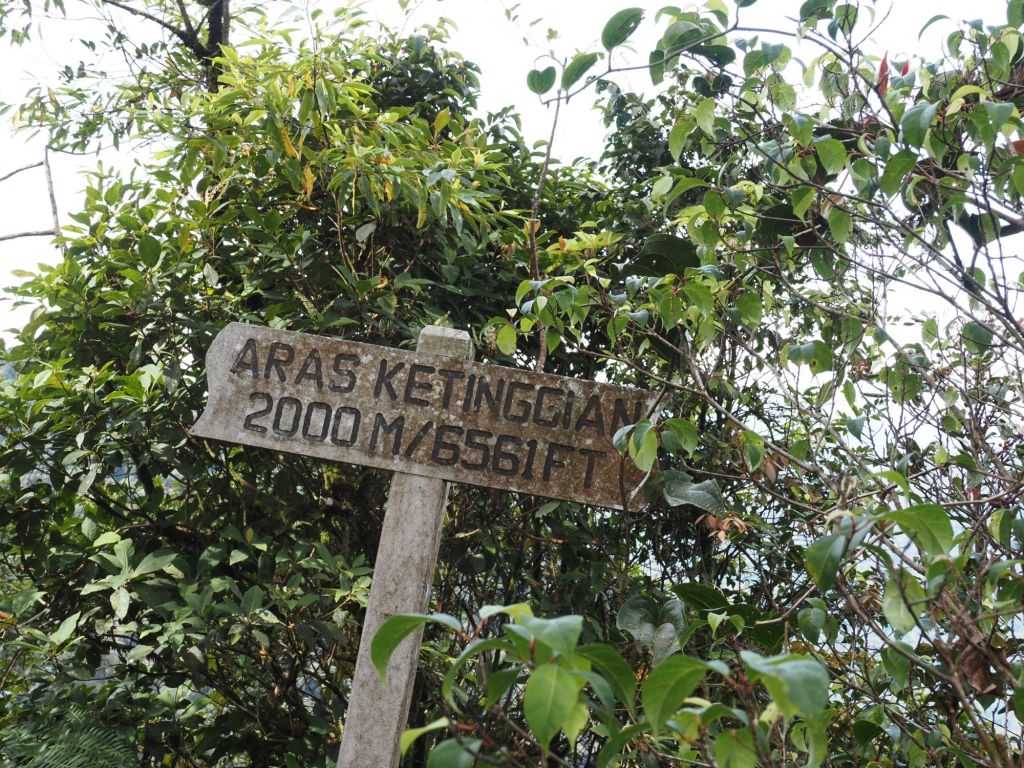
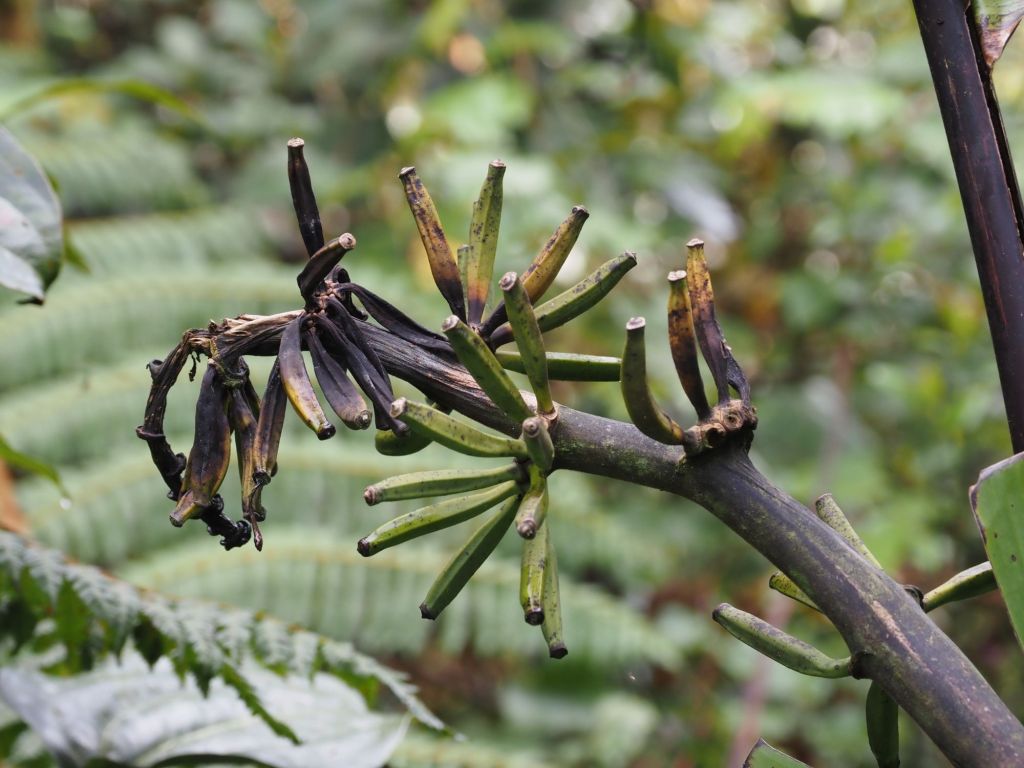
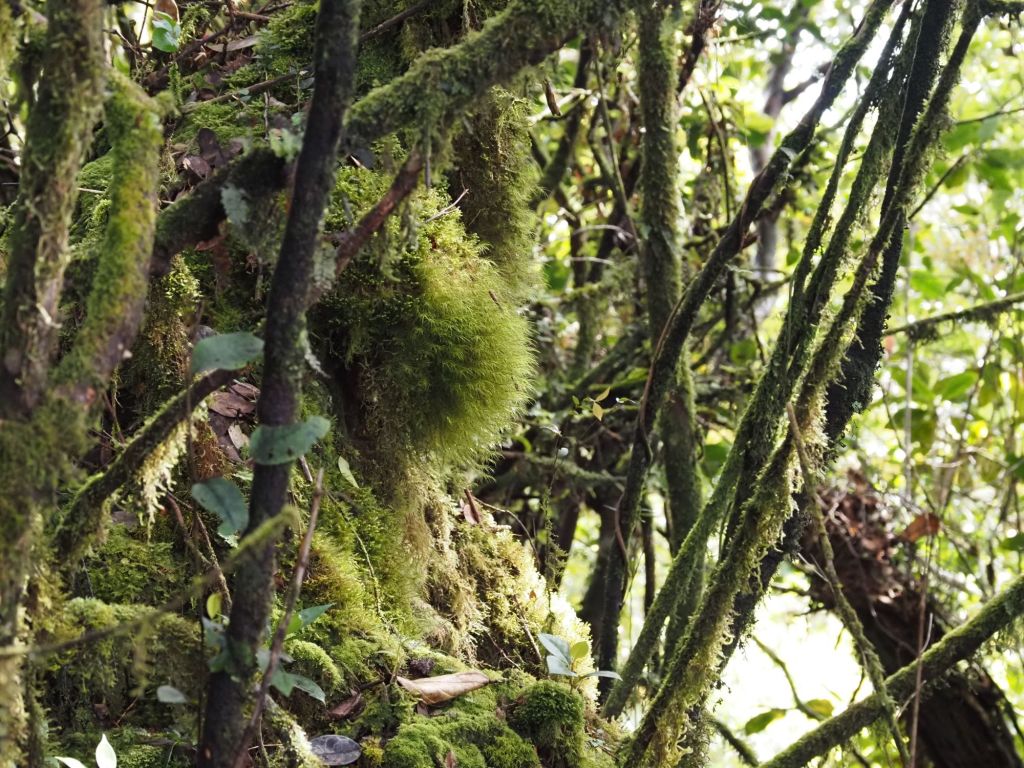
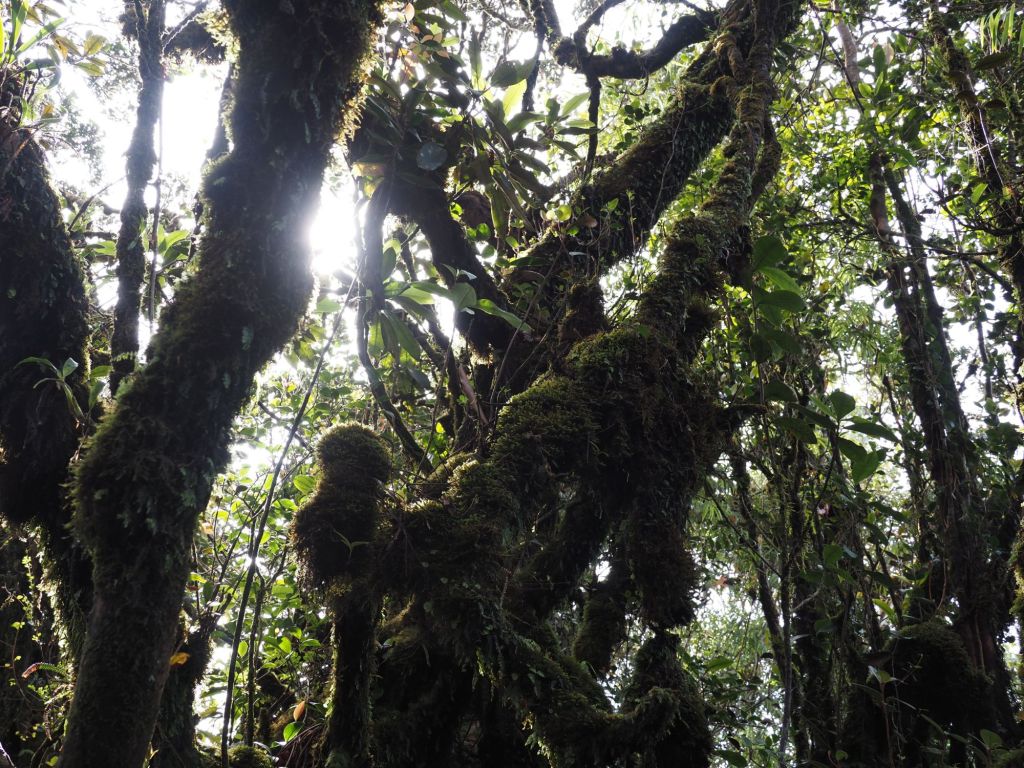
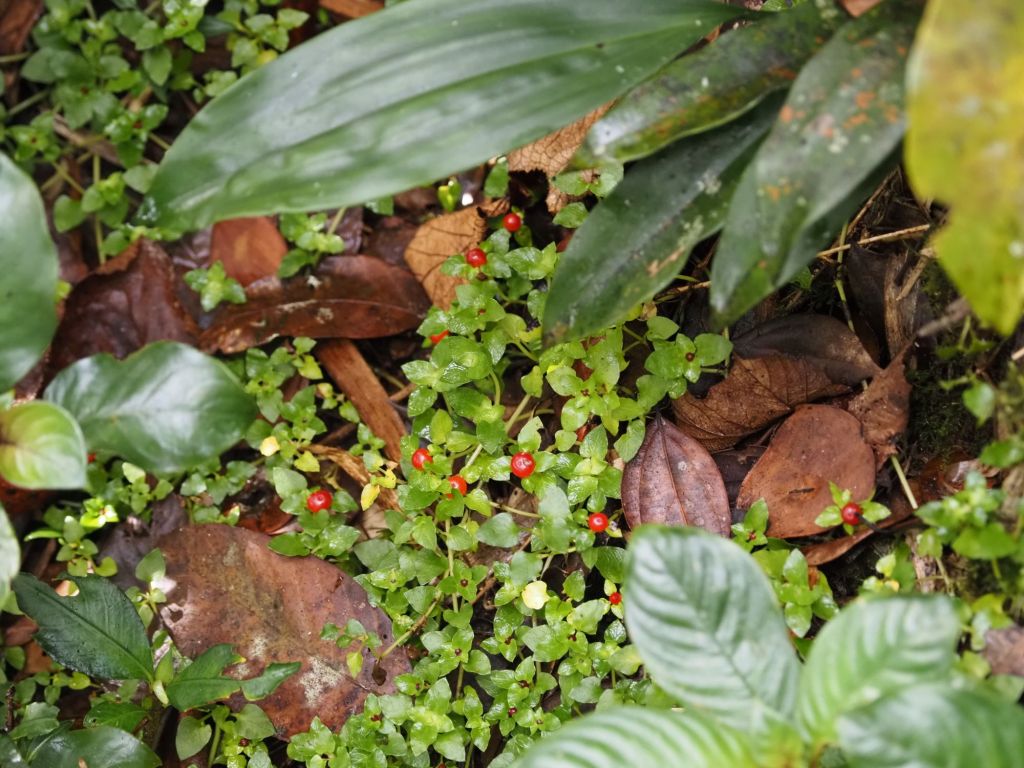
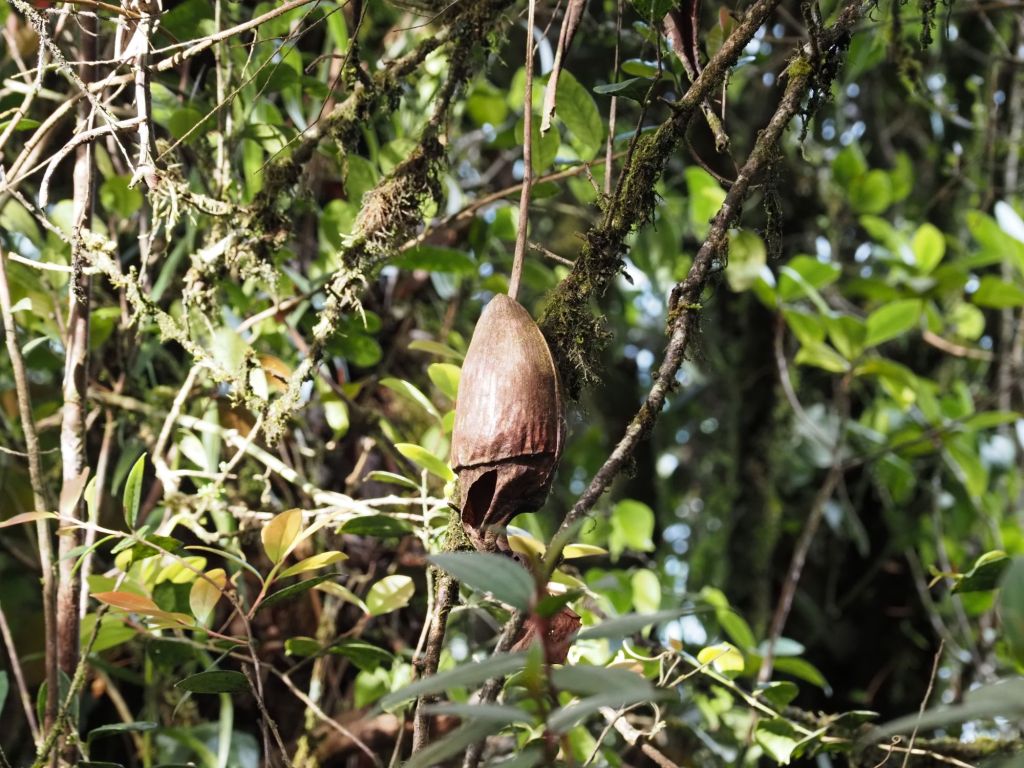

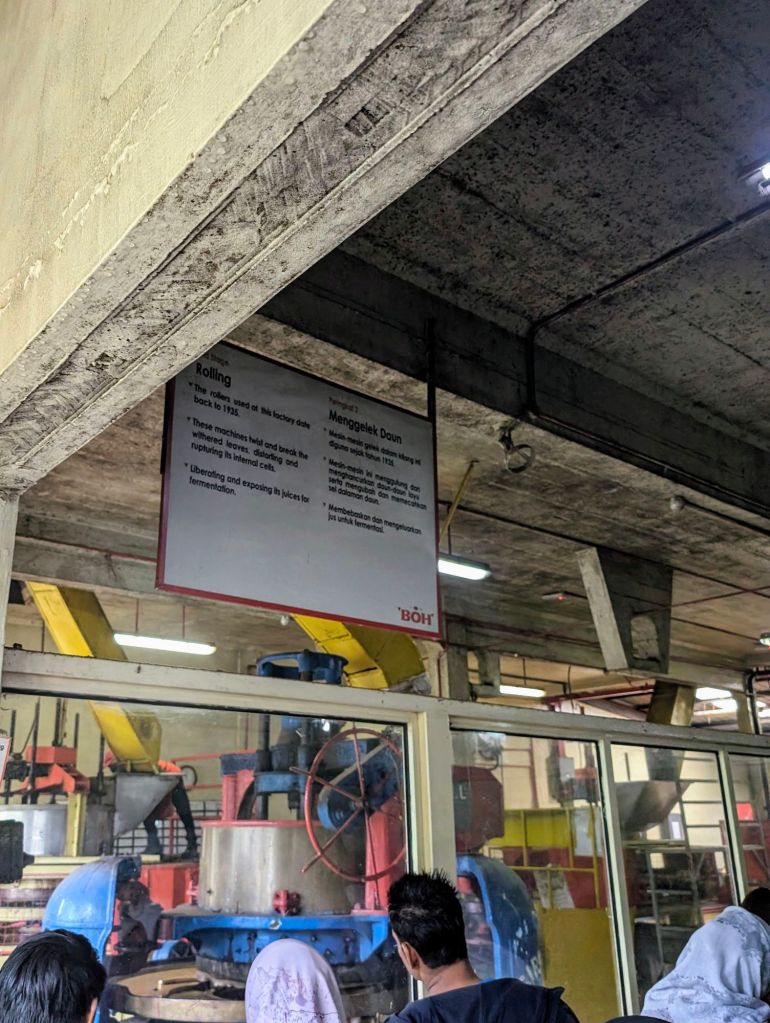
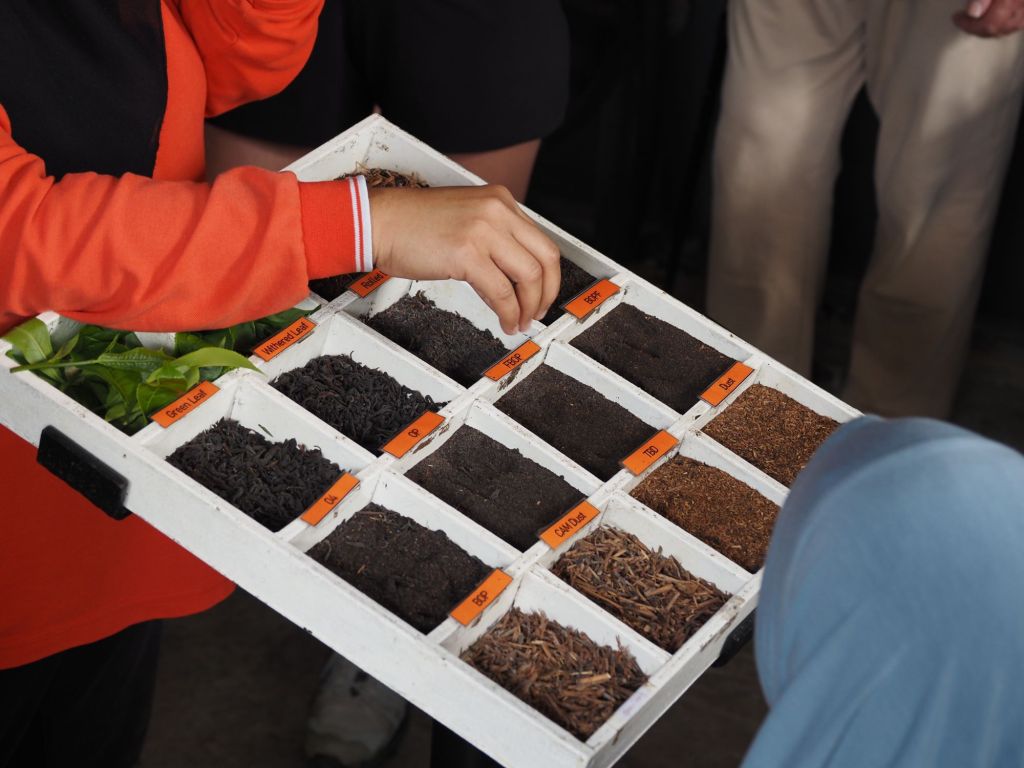
After the walk, our next stop was the Boh Tea Plantation processing plant. Photos weren’t allowed inside the plant, but it was similar in ways to the paper making process (which Val knows well having worked for Scott Paper/Kruger products for most of her career). The tea is withered – placed on perforated beds and blown with air to reduce moisture. Then it is rolled to extract juices and begin fermentation/oxidation. As the tea oxidizes it changes from green to copper colour. It’s then fed into machines that blow hot air through the tea, stopping the oxidation process. It is then dried further and sent for packaging.
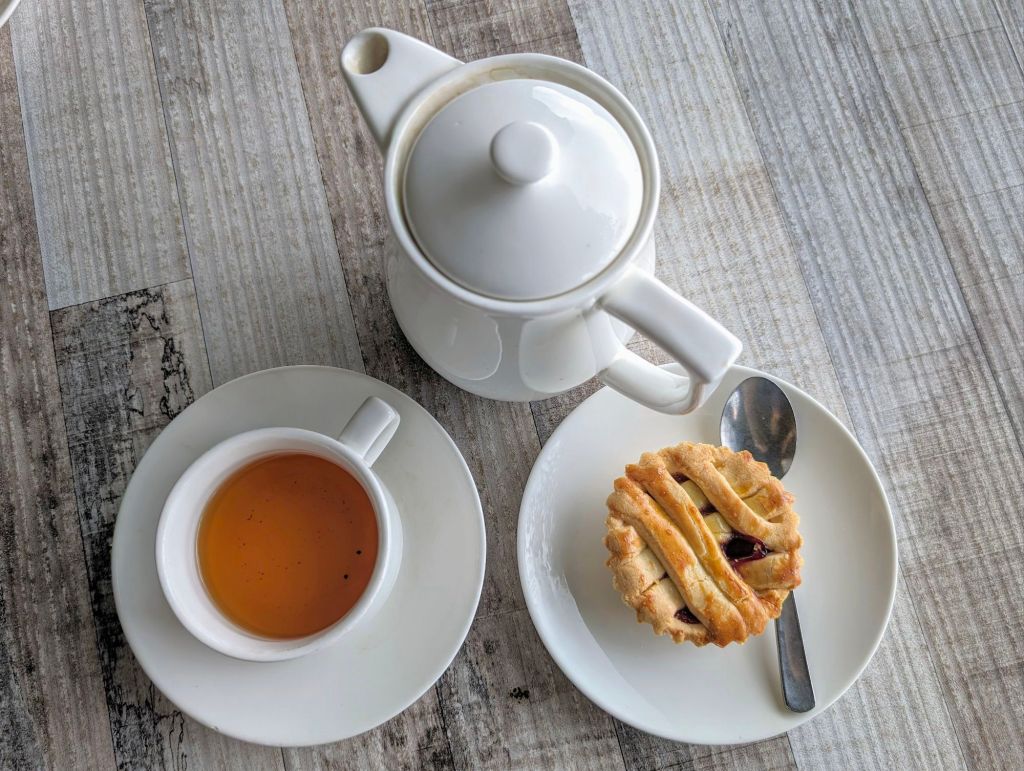
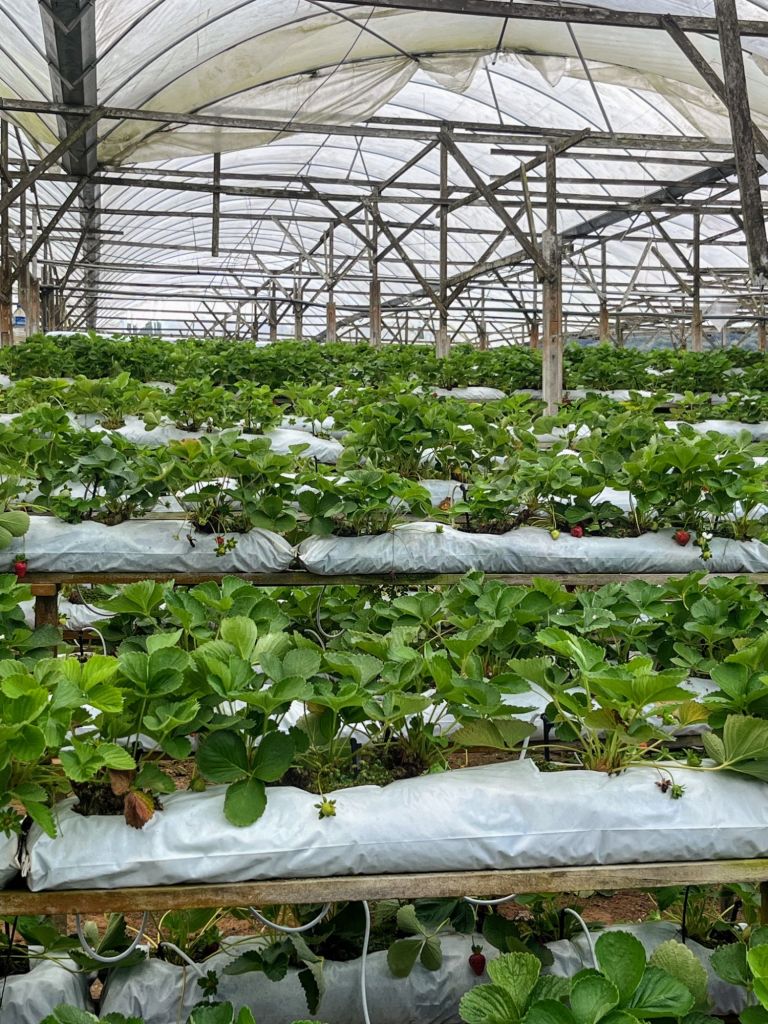
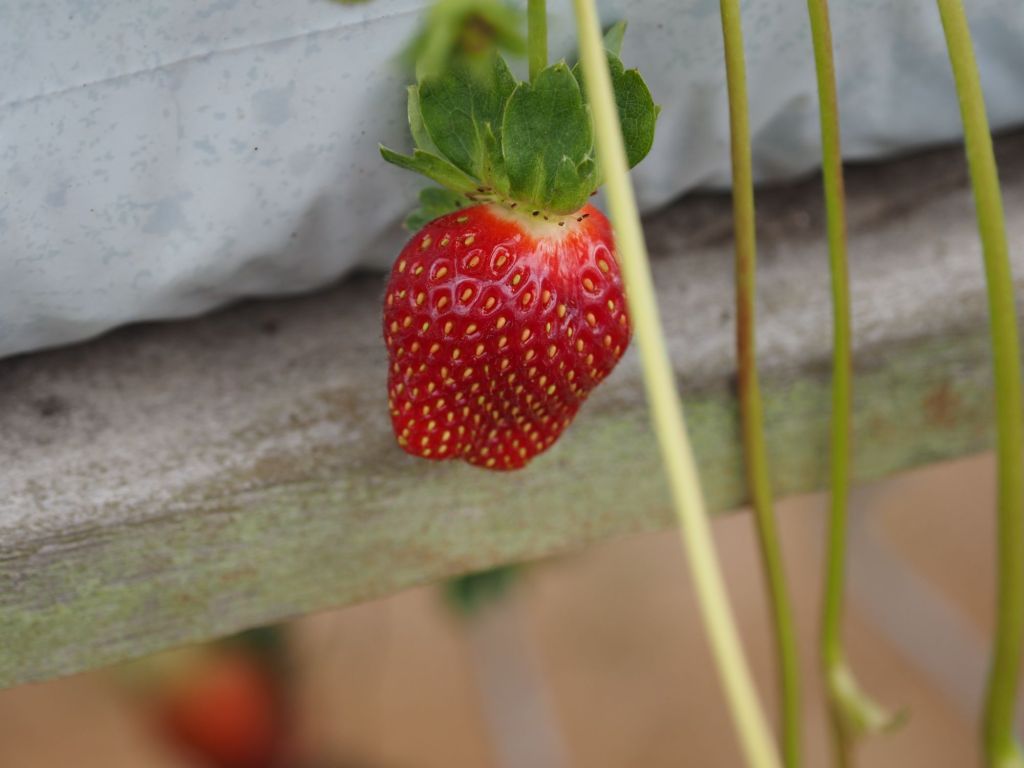
Next stop was a strawberry farm. It was underwhelming, if I’m honest, but we did learn they are mostly grown hydroponically under the plastic frames. Because the weather hadn’t been too warm, the berries weren’t all that sweet. Strawberry shakes are sold everywhere, and vendors insist they use just berries, milk and ice. They’re very good.
All in all, it was a very good tour.
We asked Tamil where it would be best to see other agriculture activities and he suggested the Agro Technology Park MARDI. We checked it out after lunch.
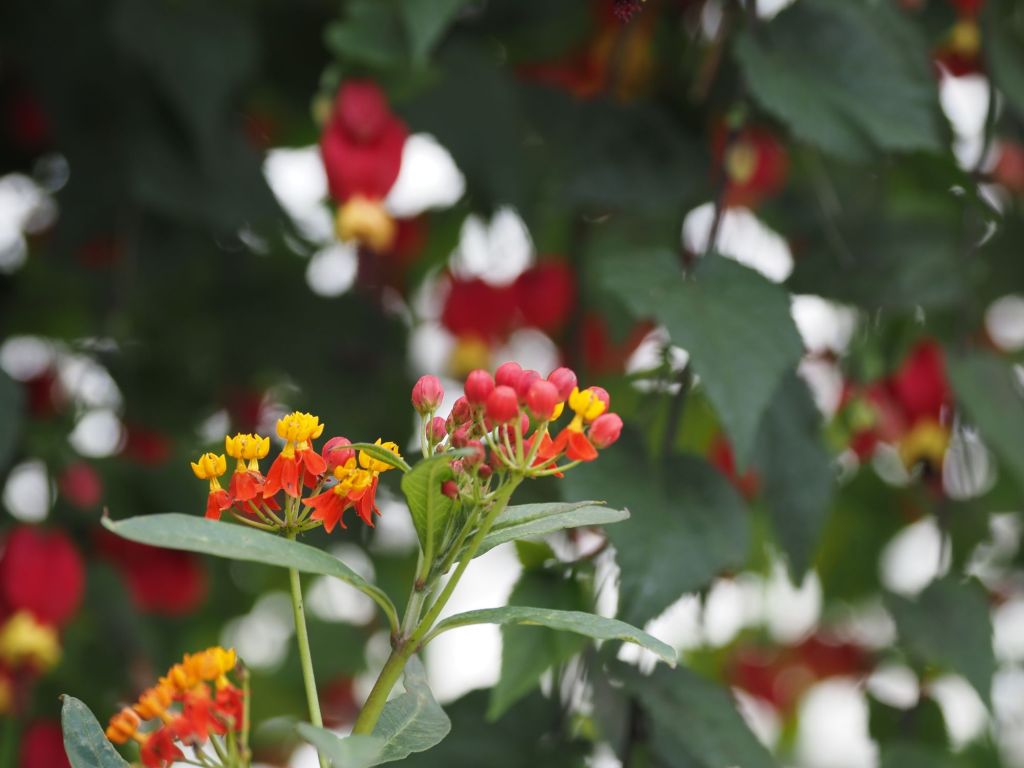
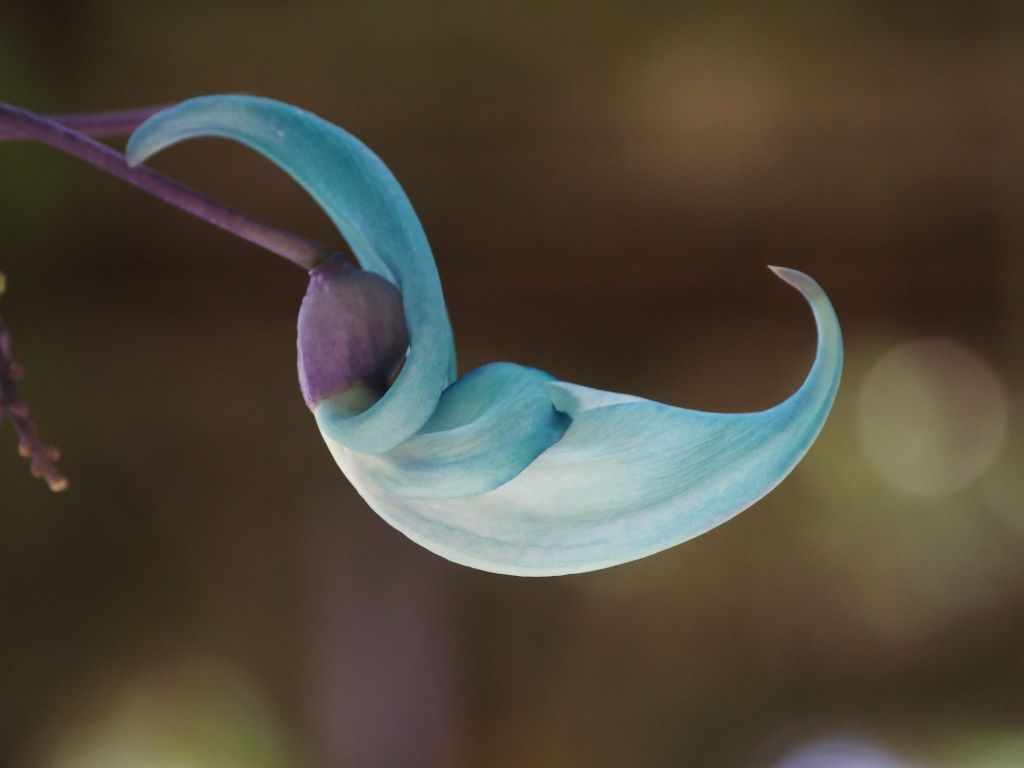
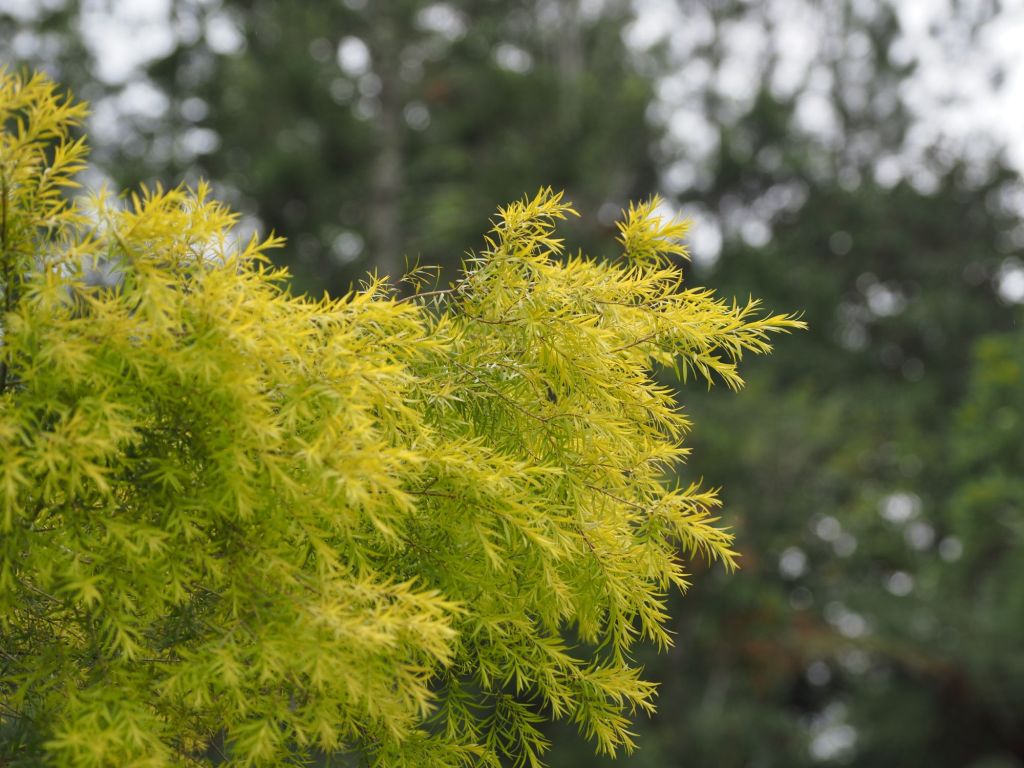
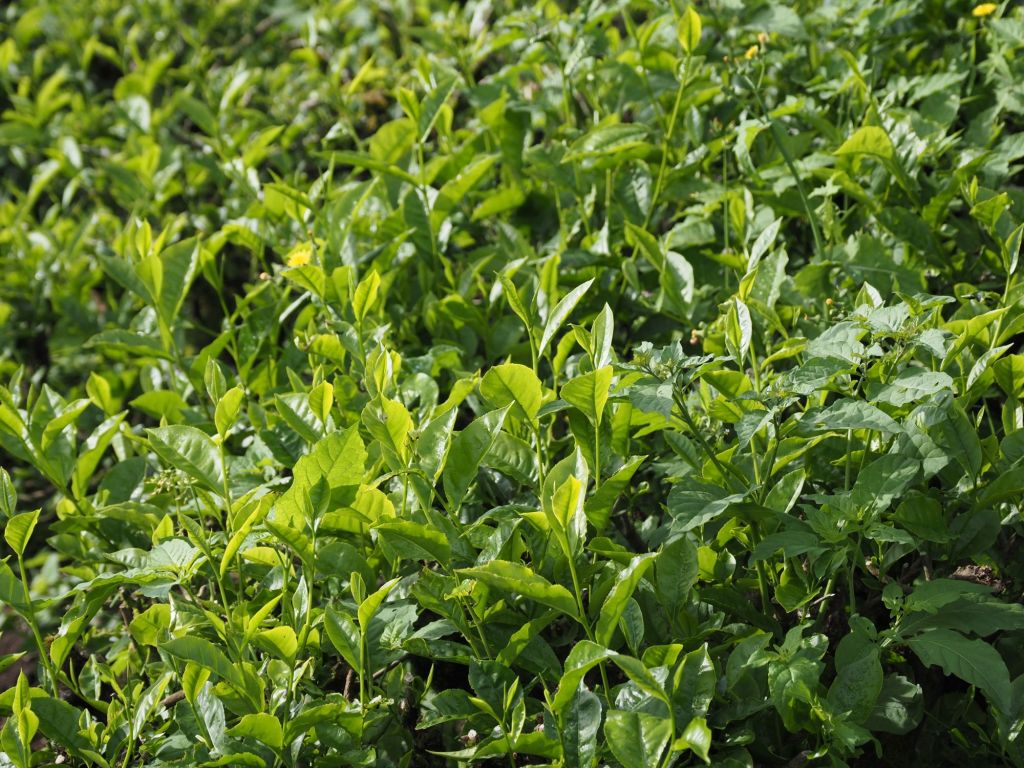
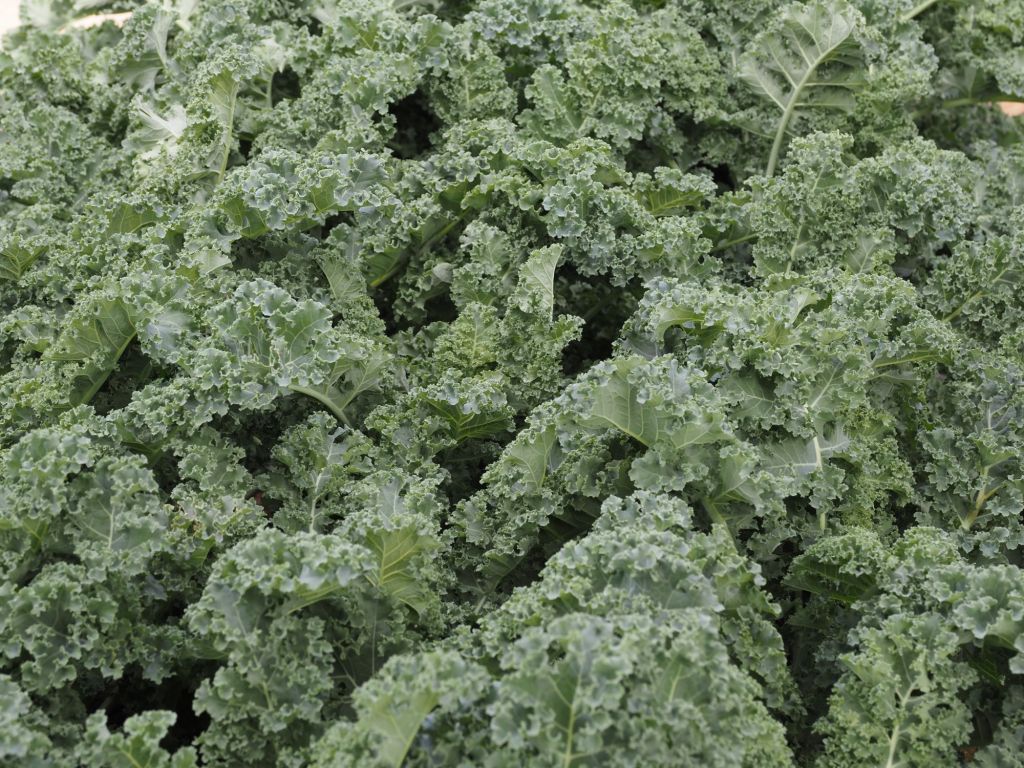
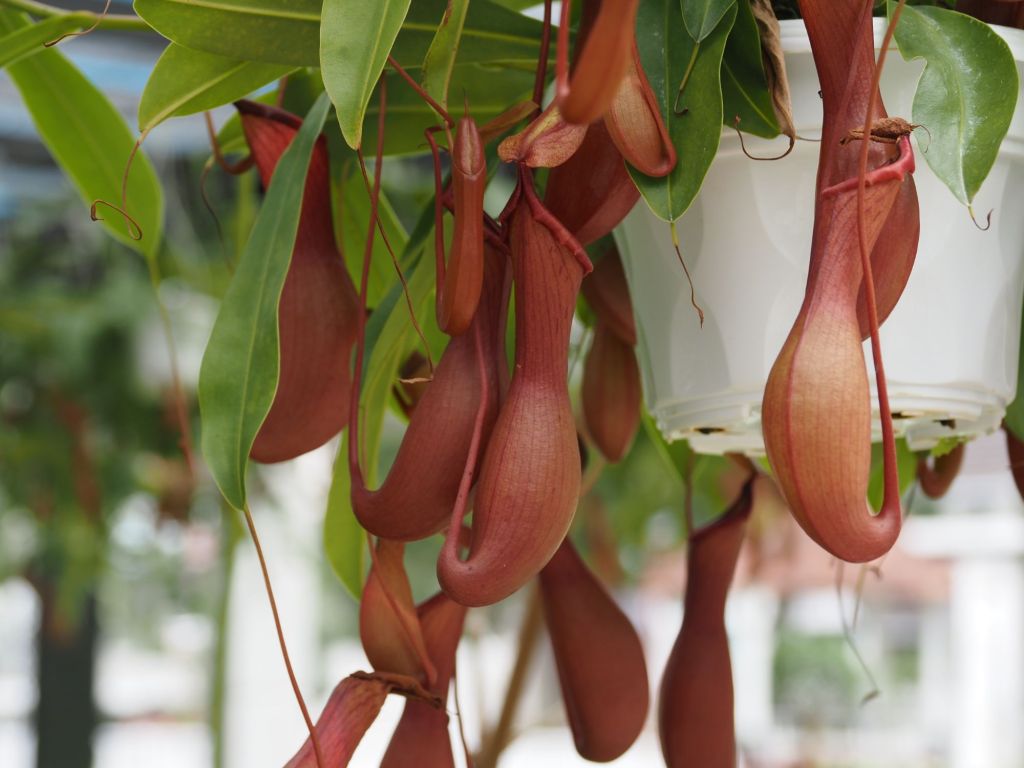
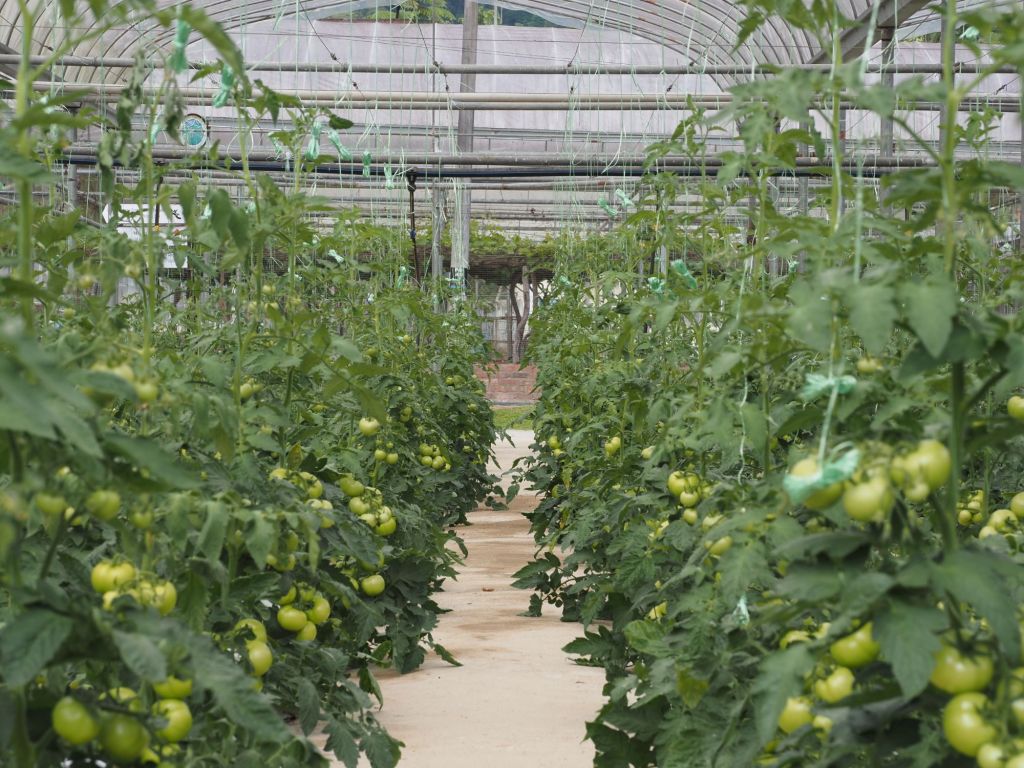
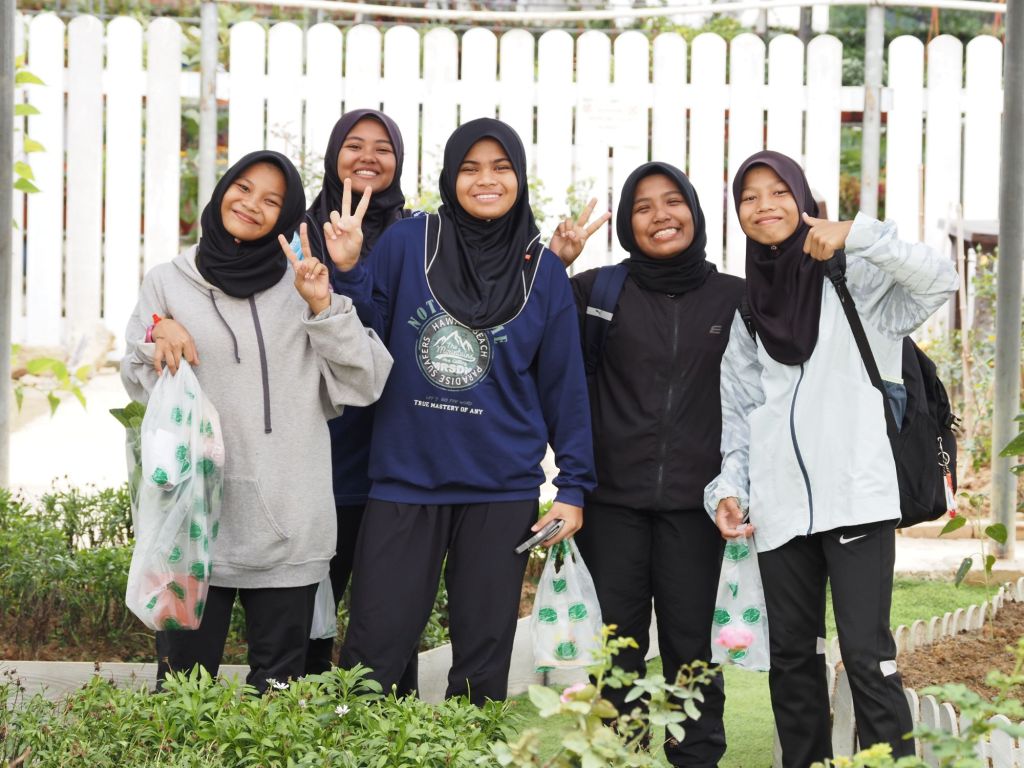
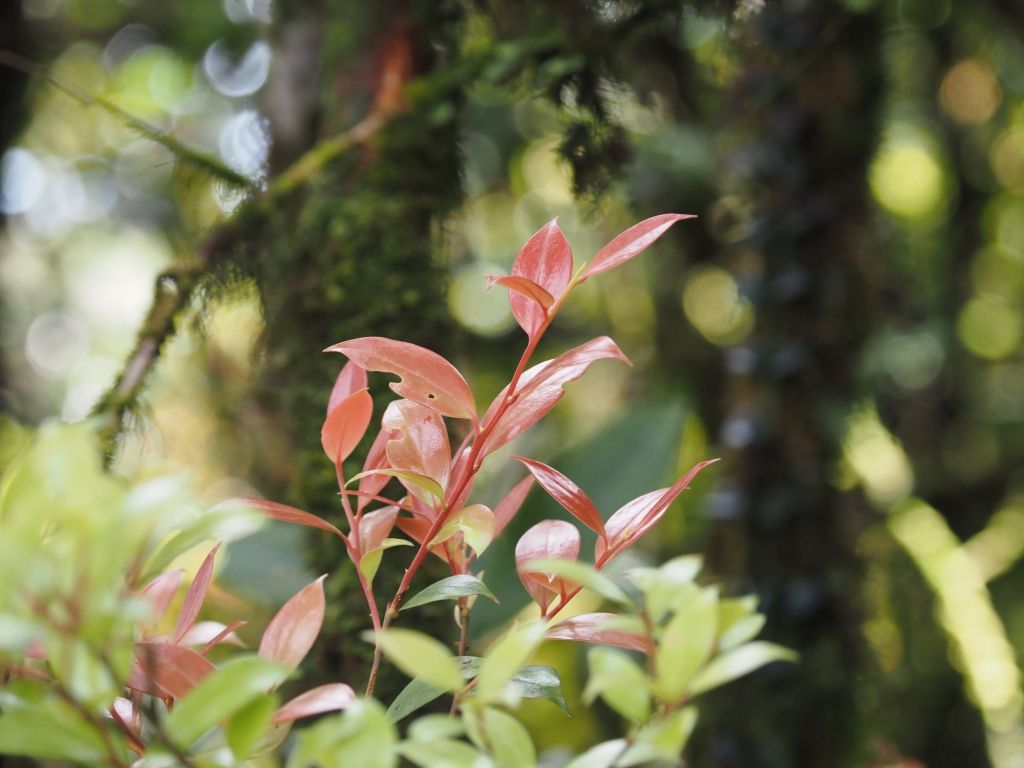
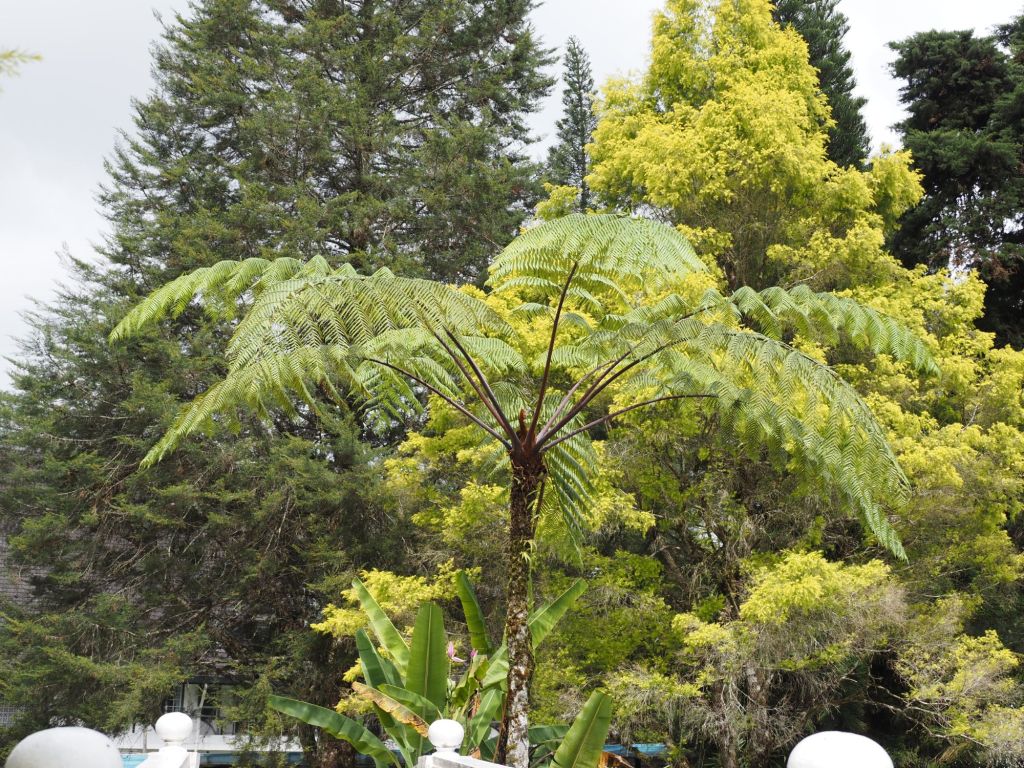
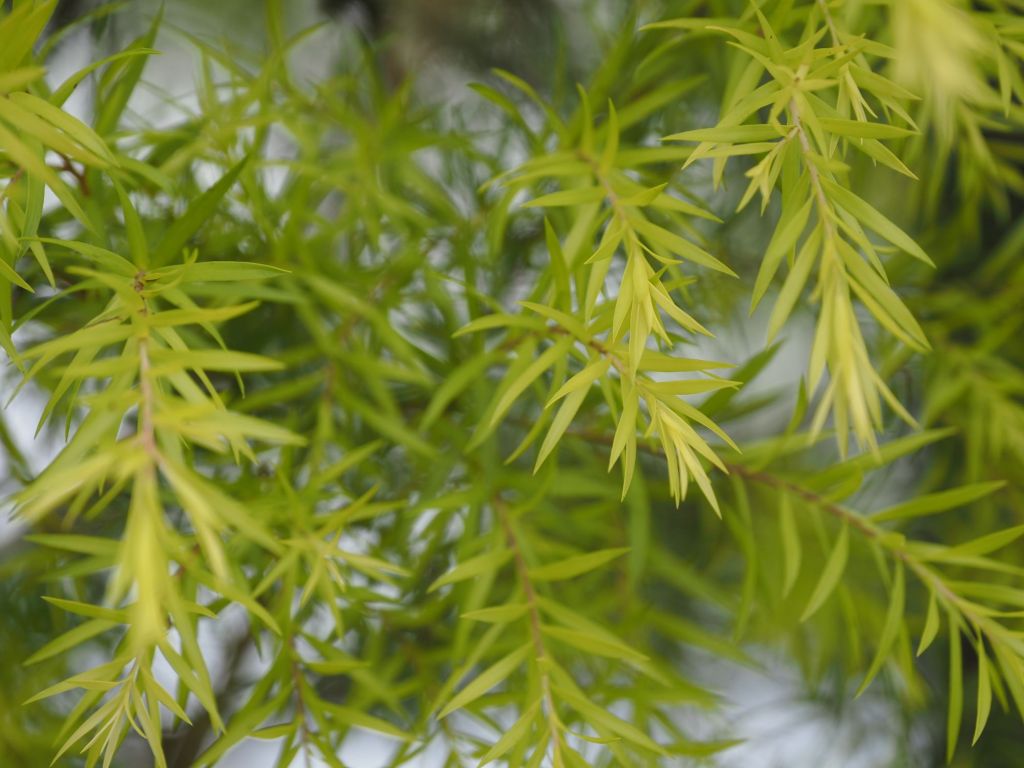
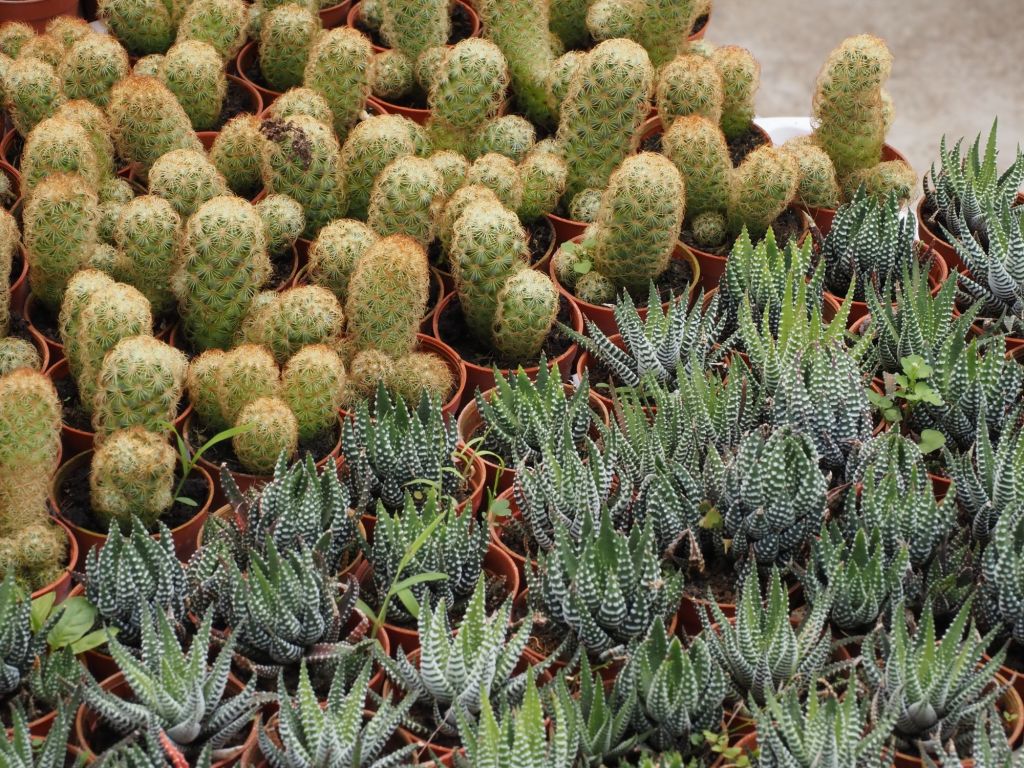
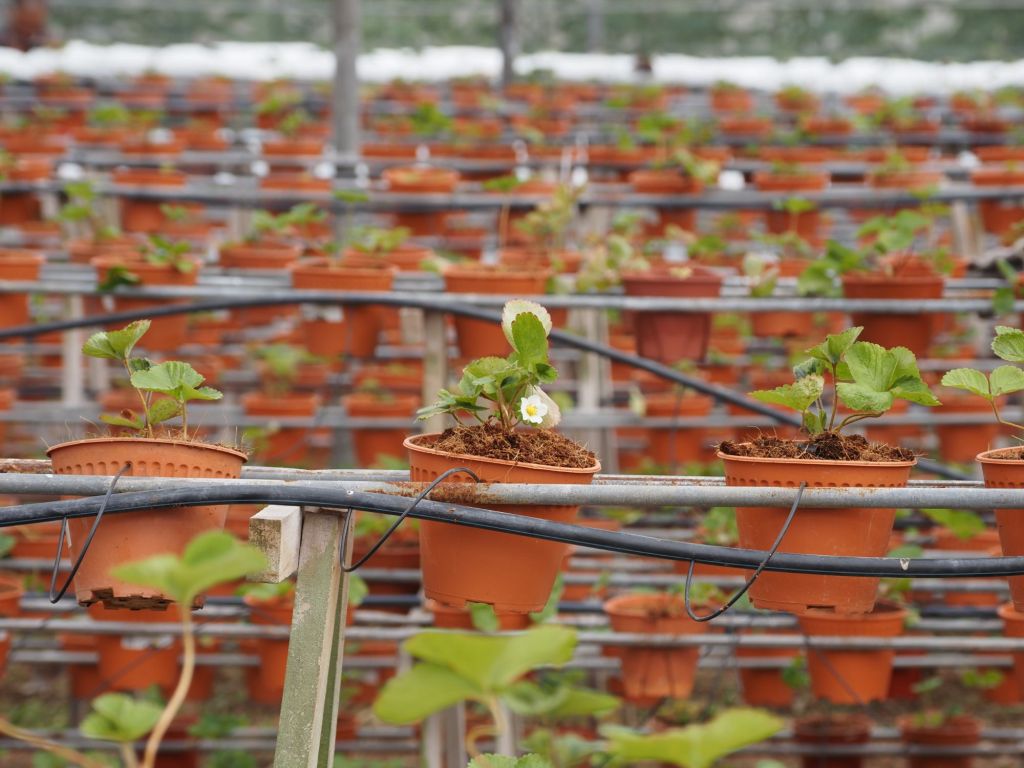
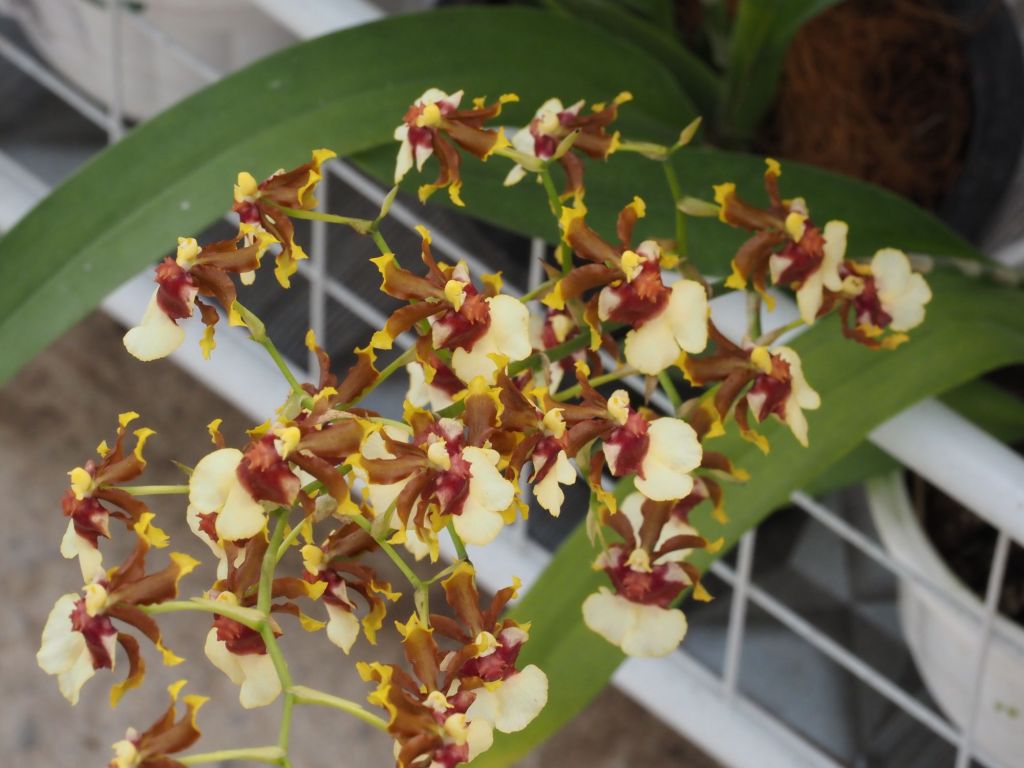
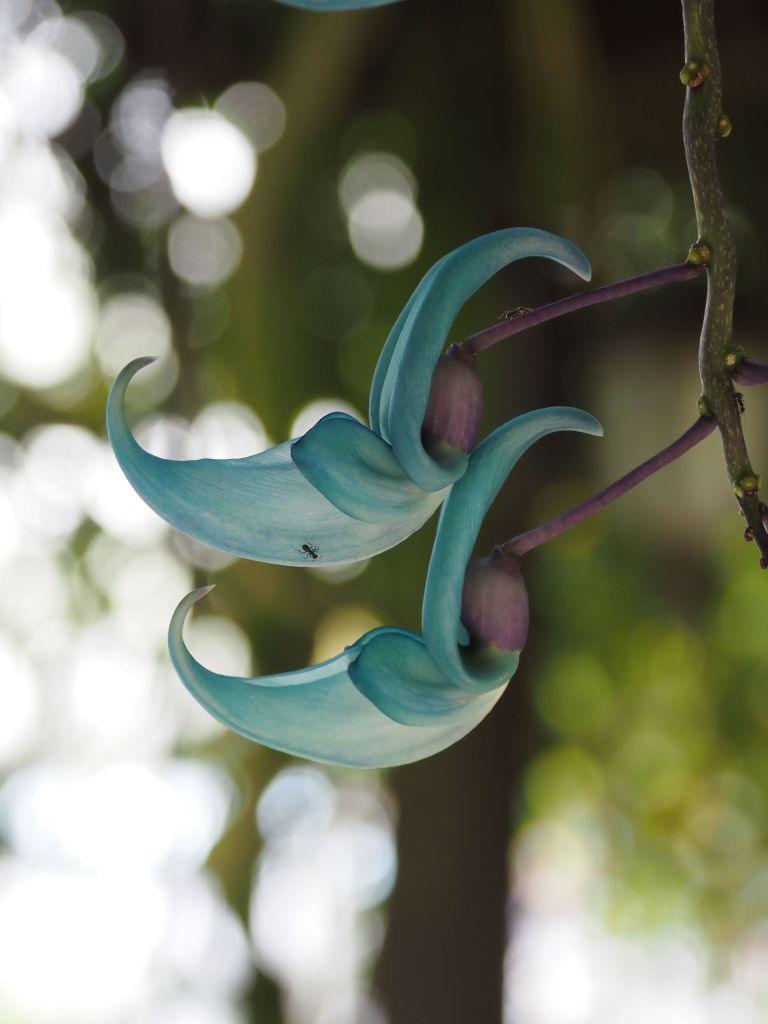
MARDI is a cool place with gardens, trees and agriculture displays. Here’s a gallery of what we saw.
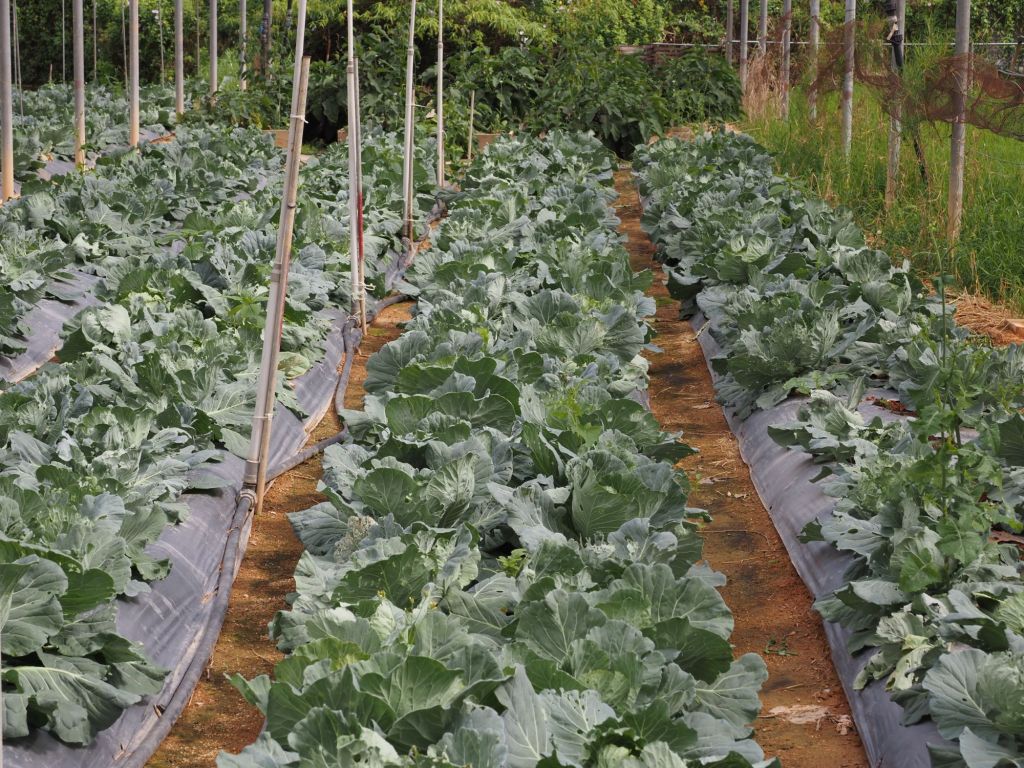
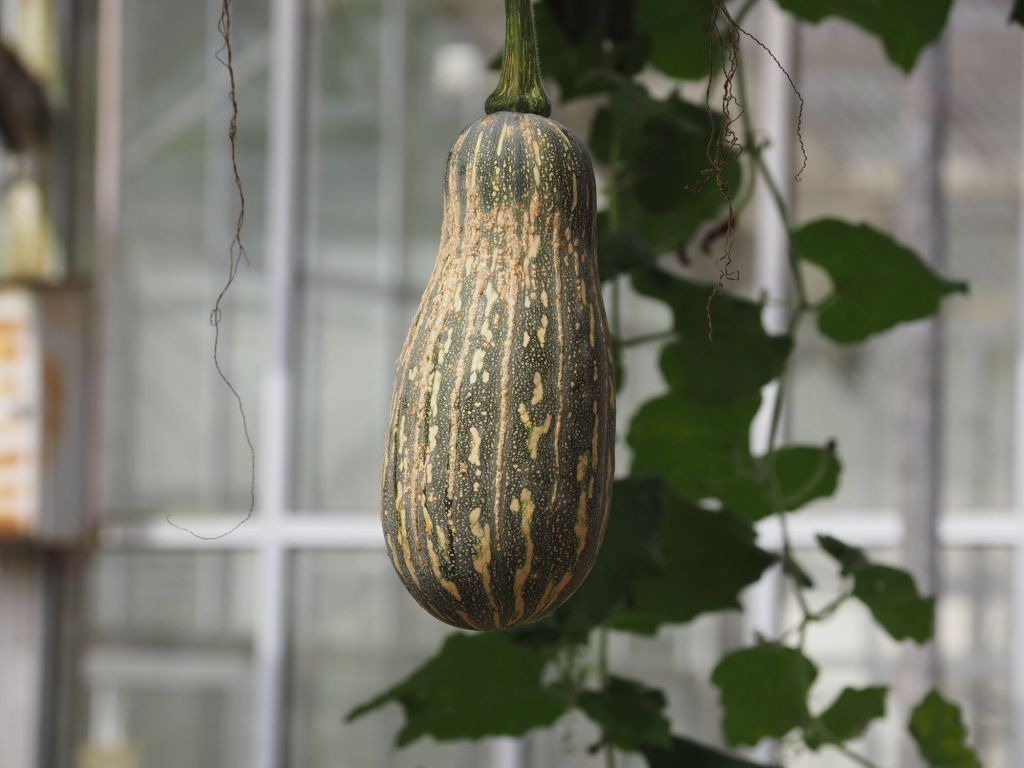
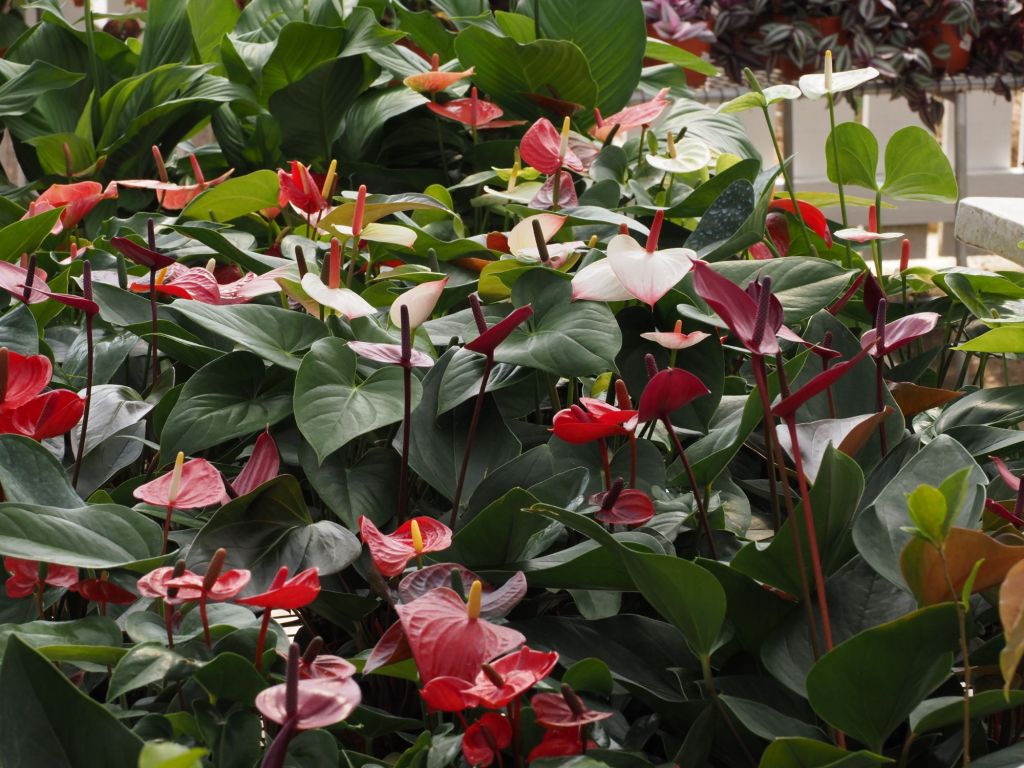
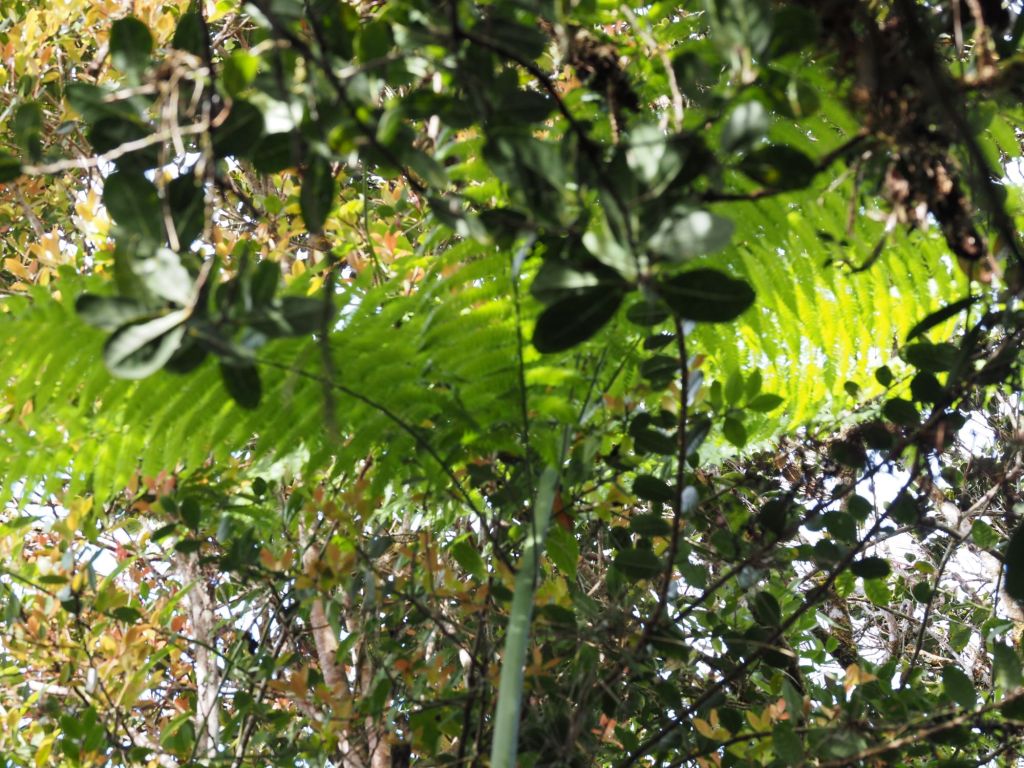
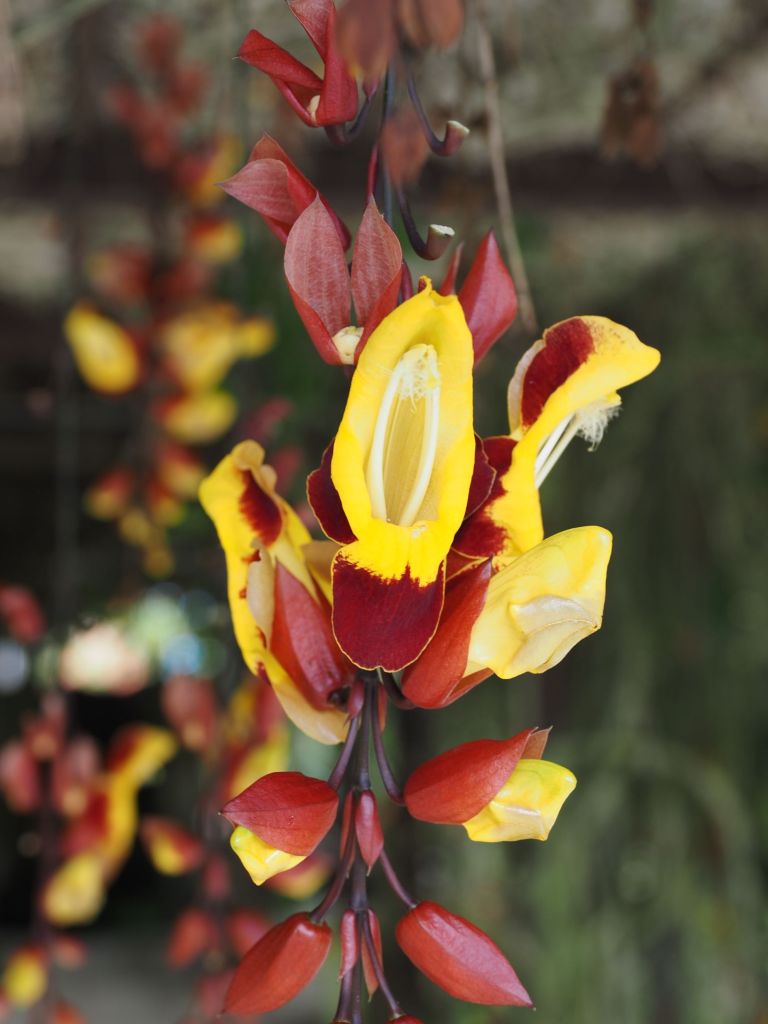
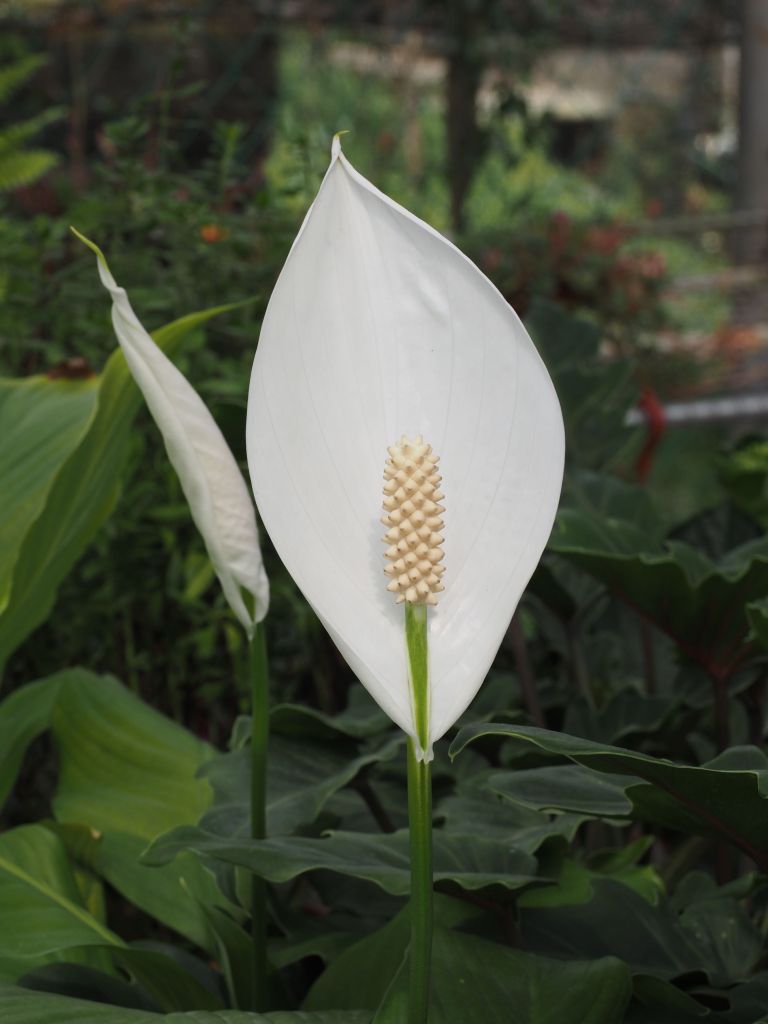
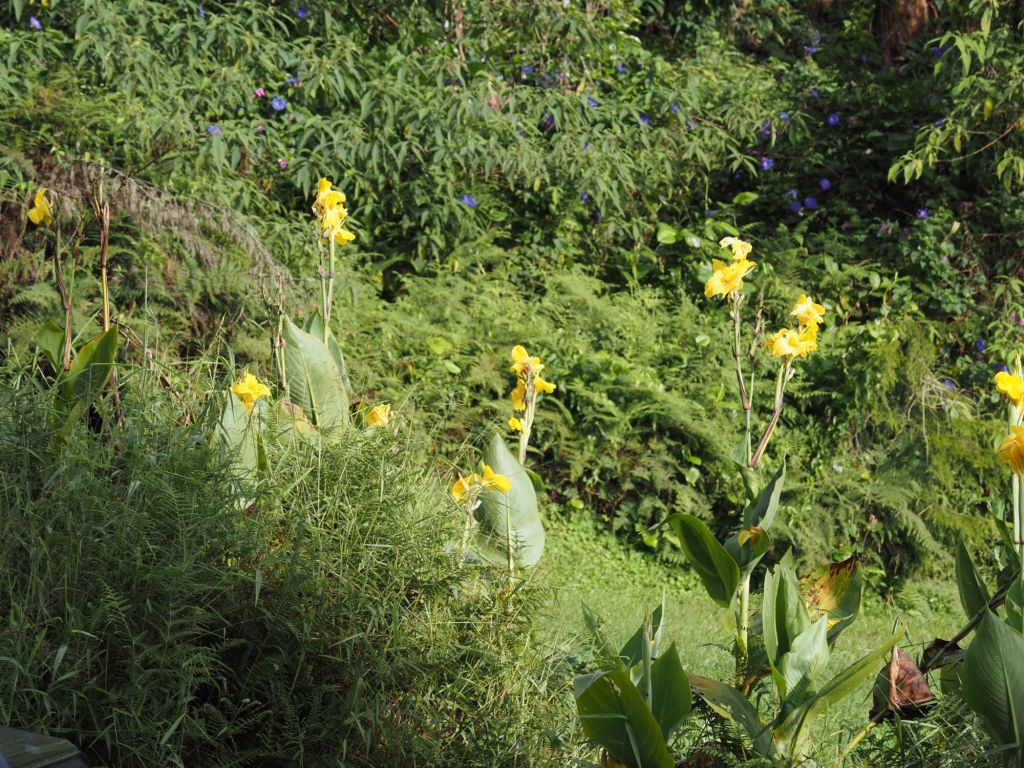
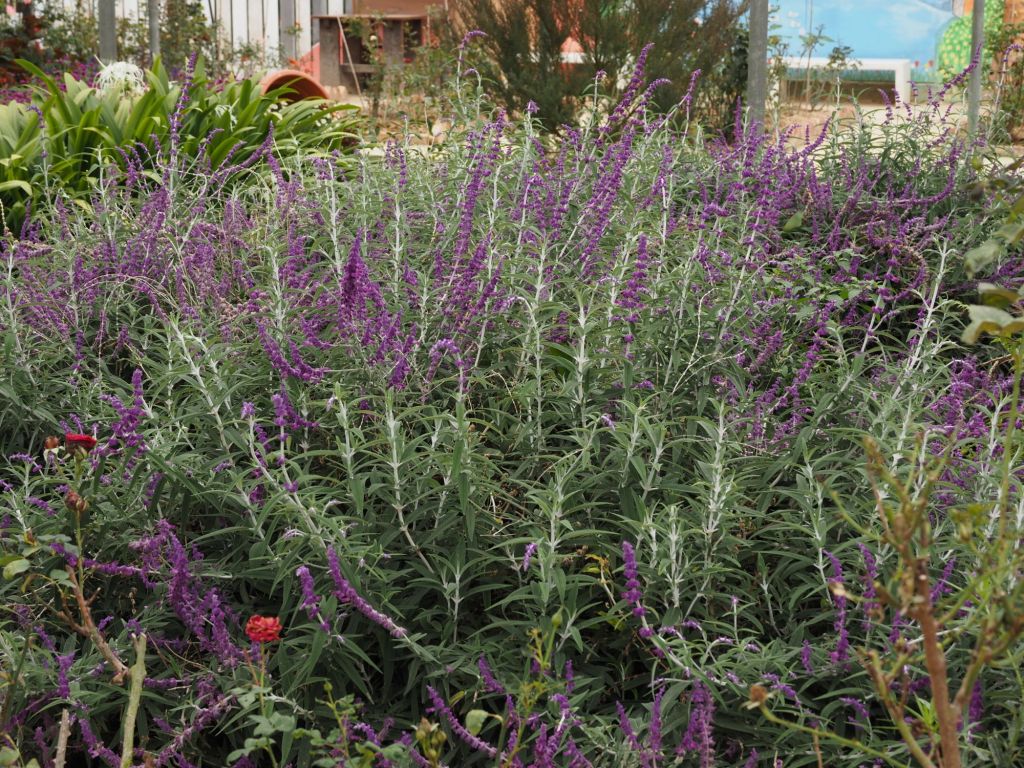
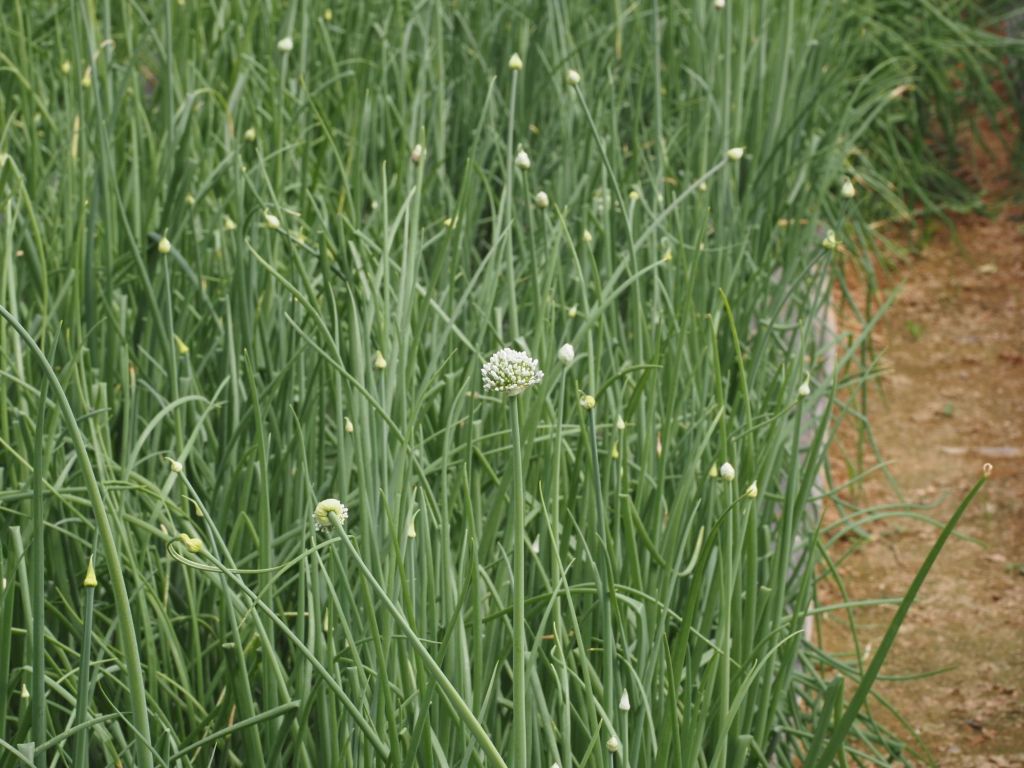
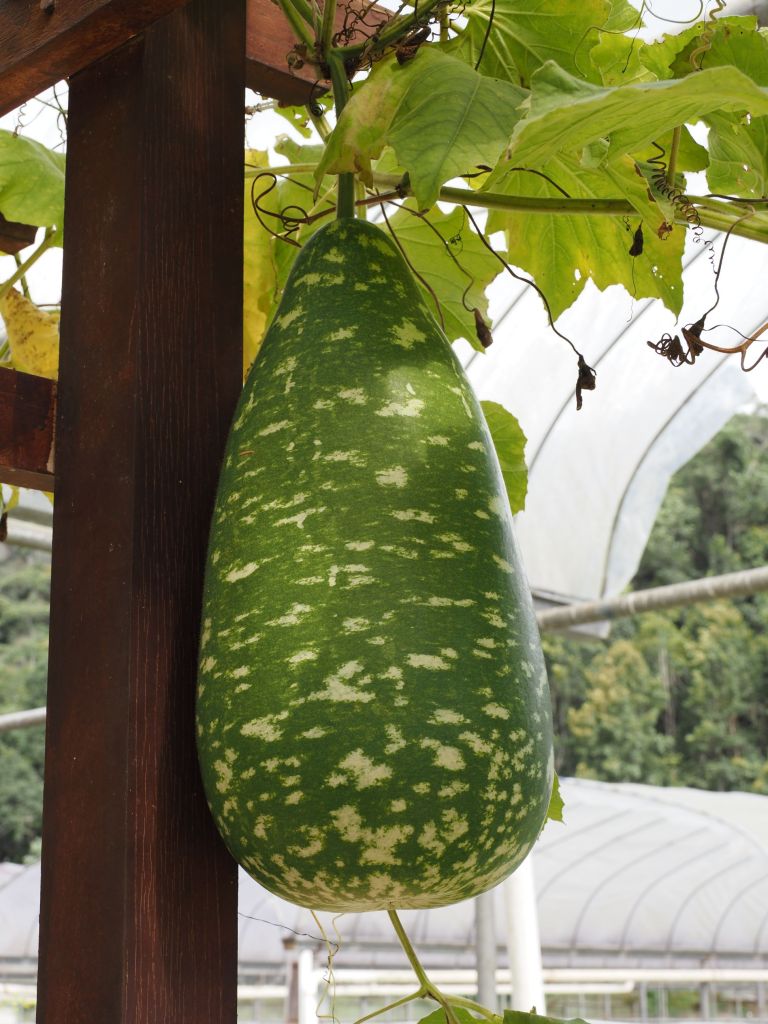
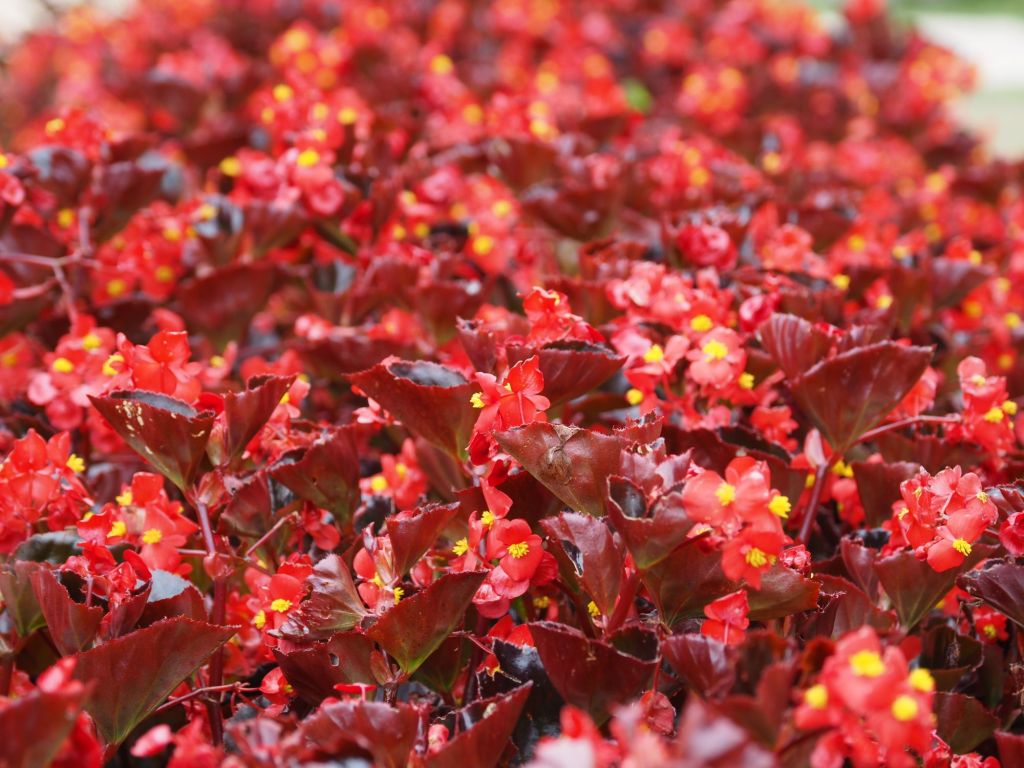
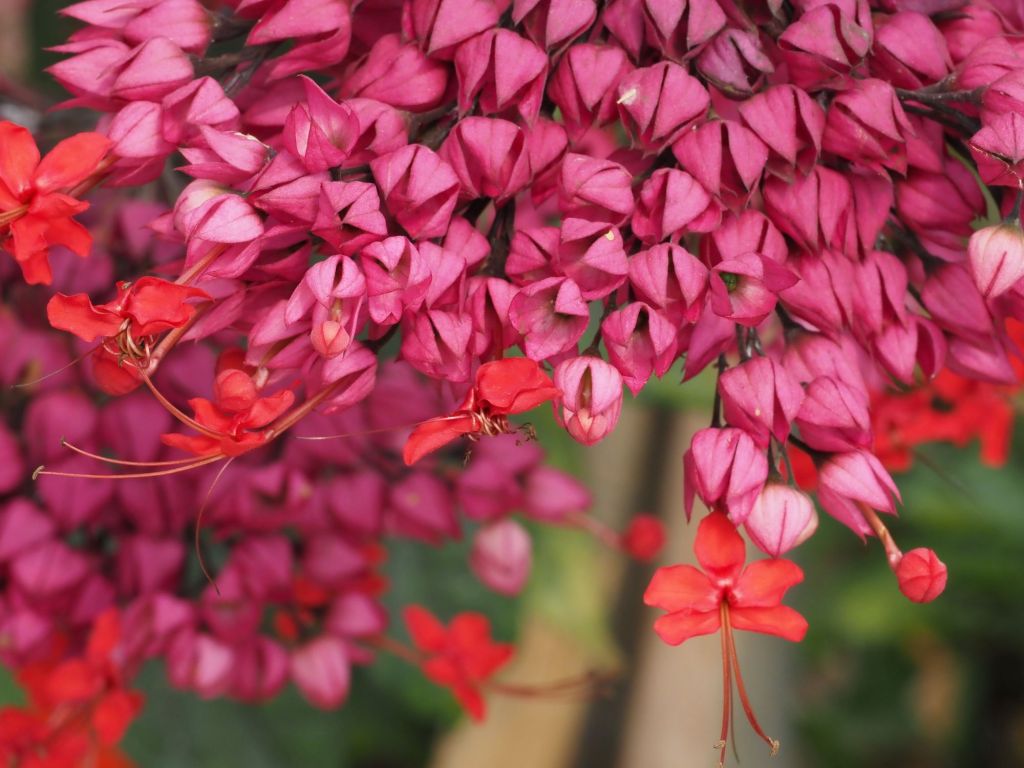
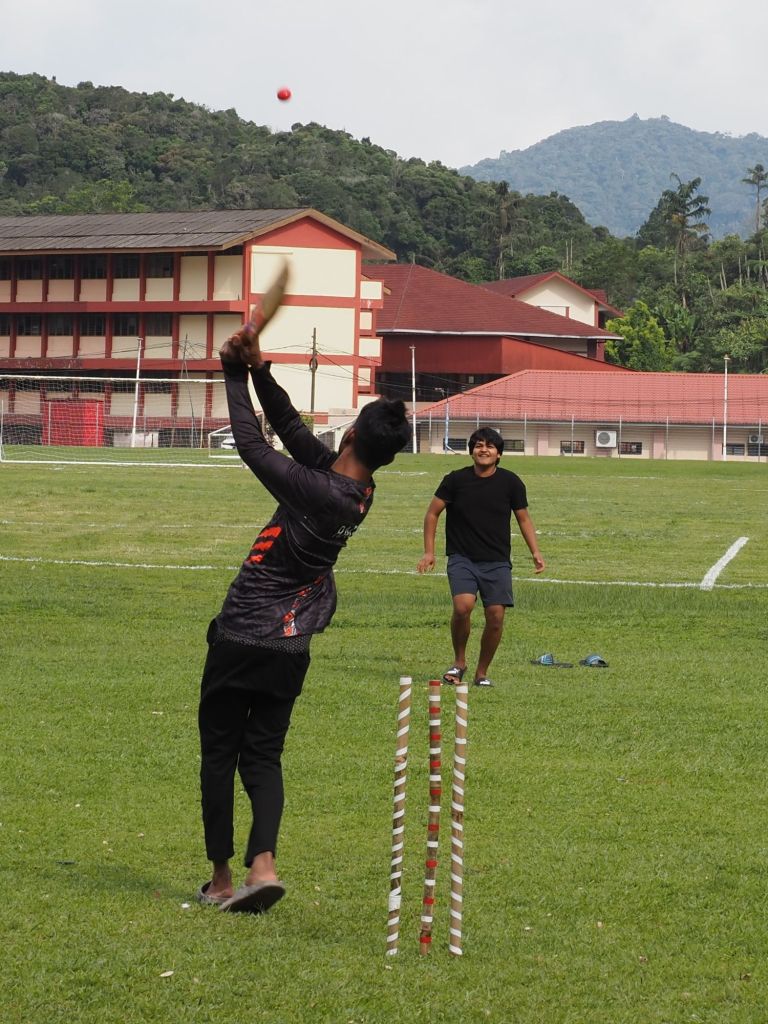
The rest of the visit was pretty low key. We walked from Tanah Rata to Brinchang and back – it was nice to get some proper exercise in temperate weather. Not many pictures – the places we saw in Brinchang weren’t terribly photogenic.
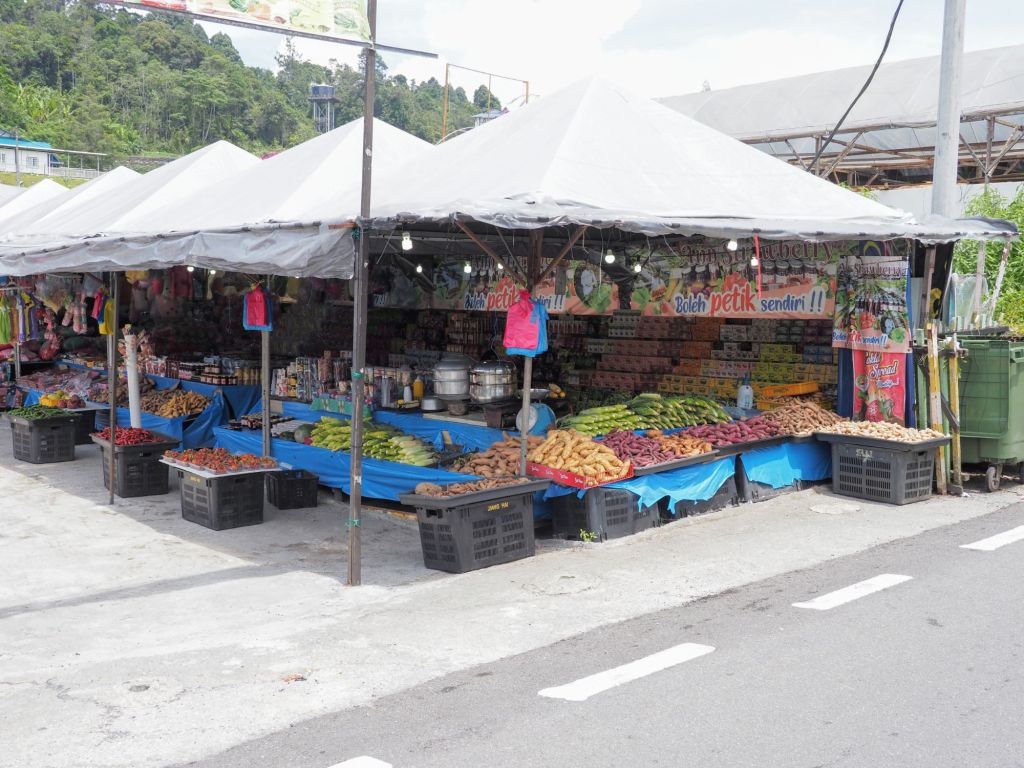
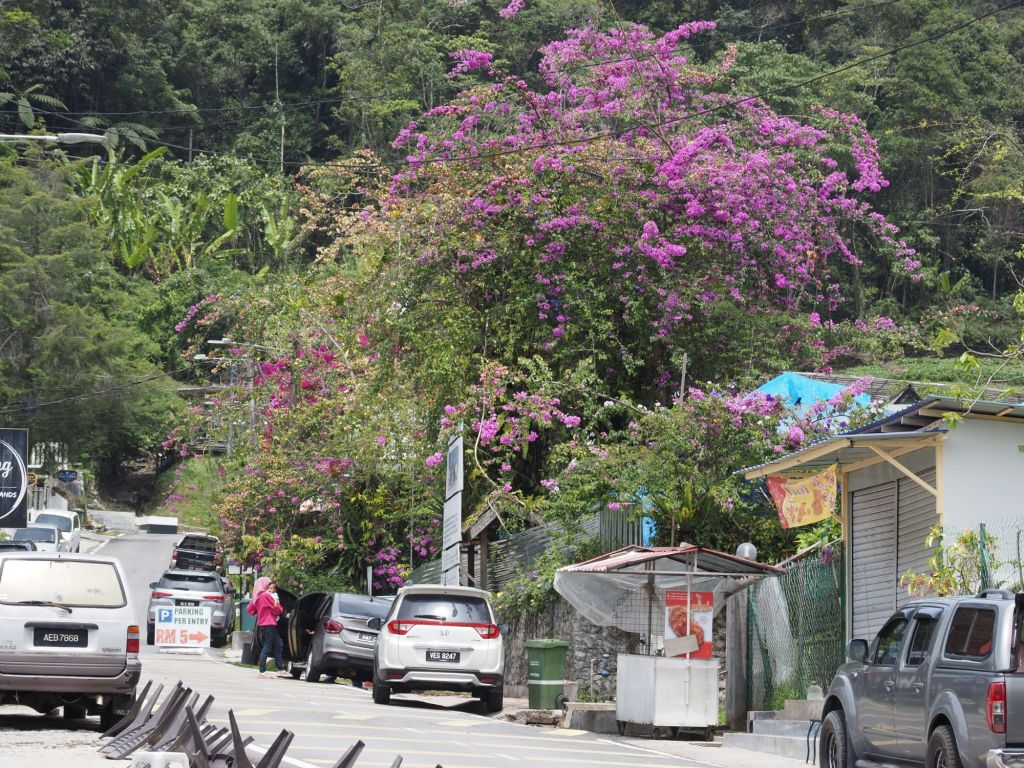
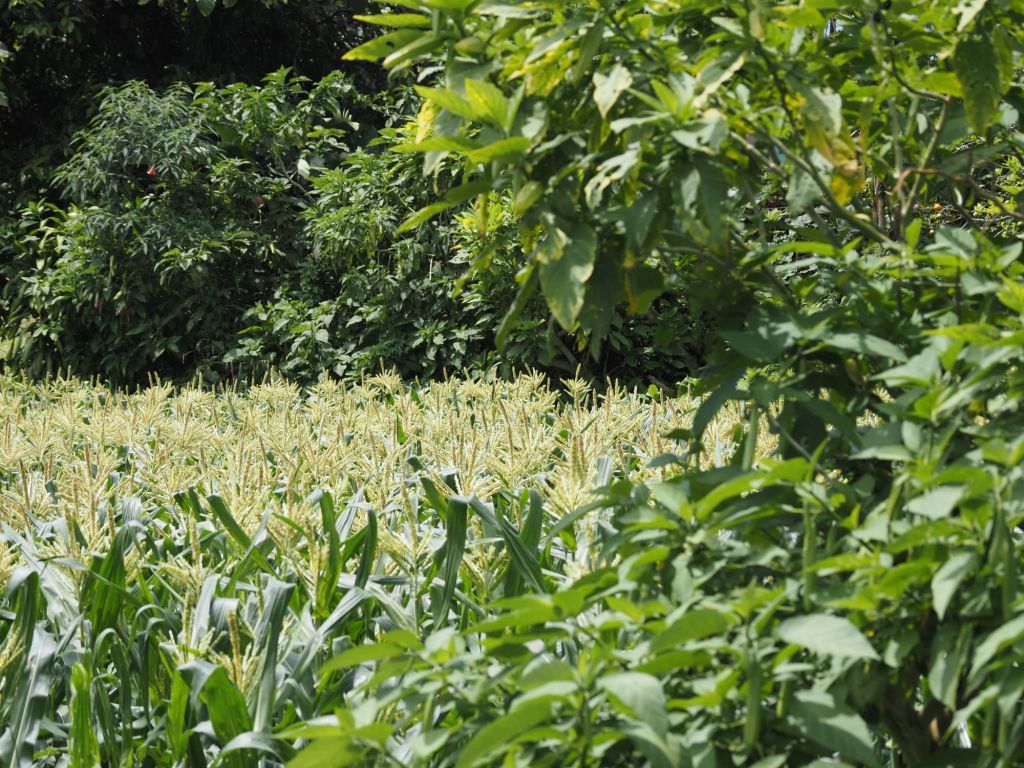
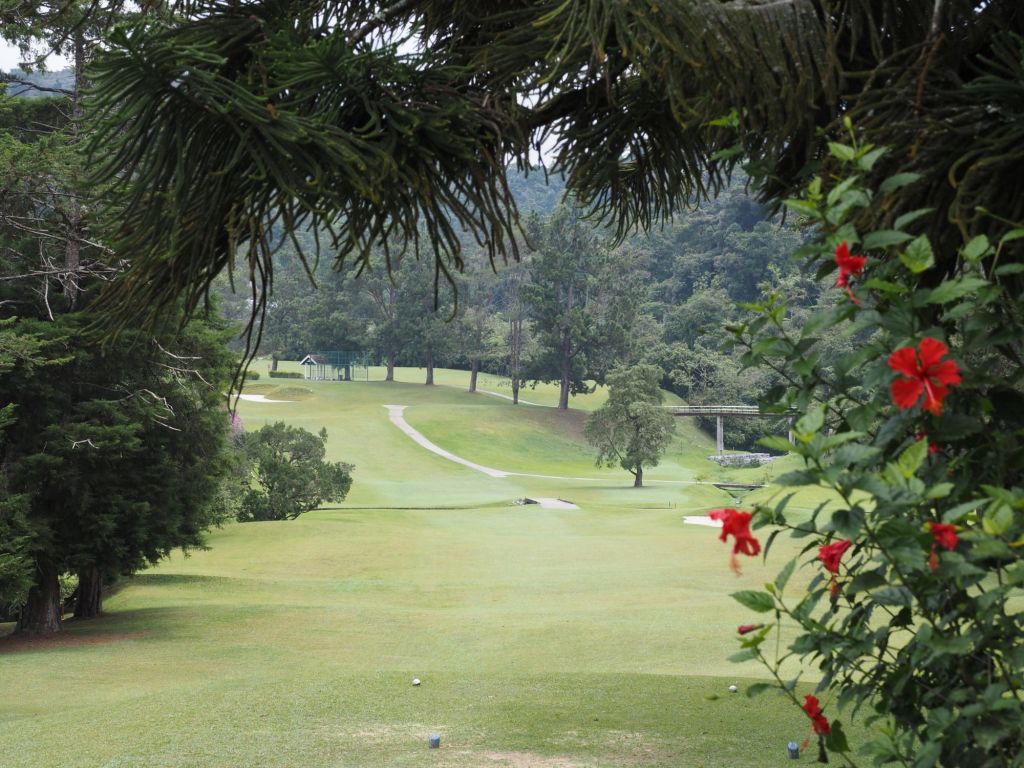
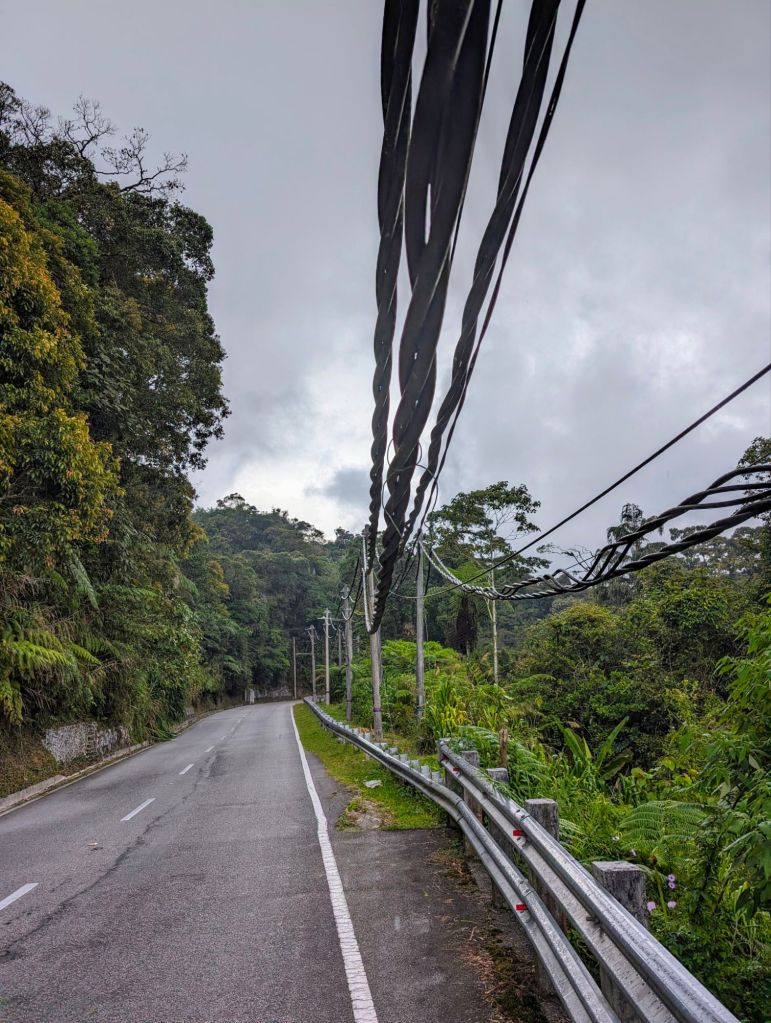
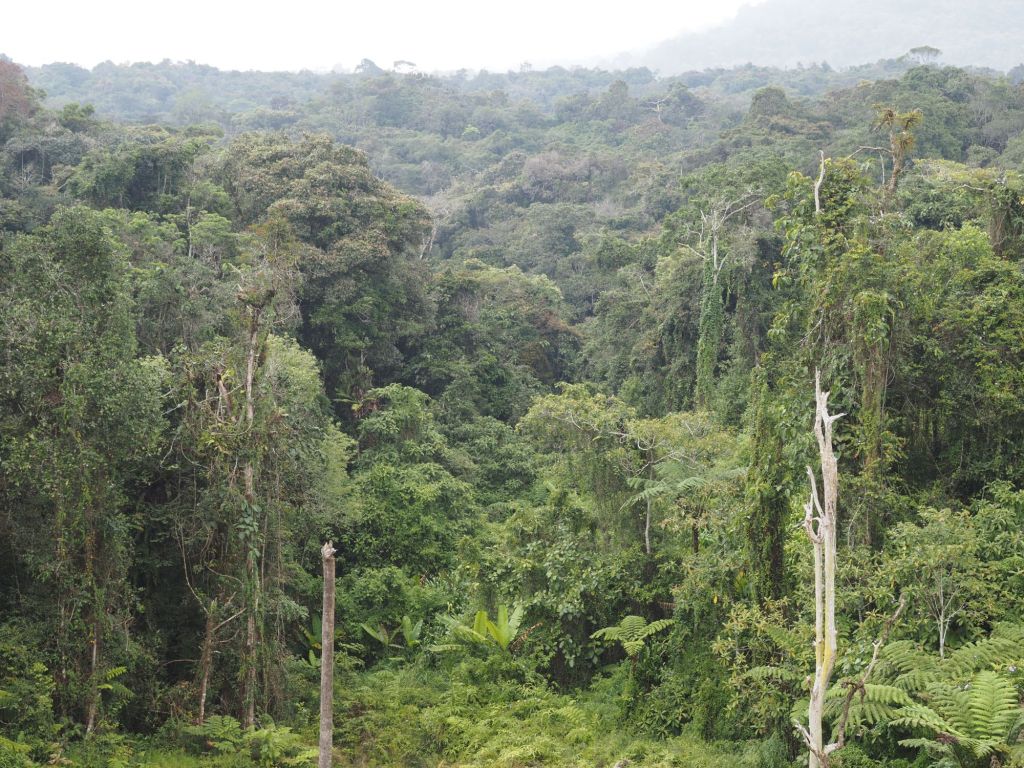
We had great weather for the bus ride to Ipoh the following day.
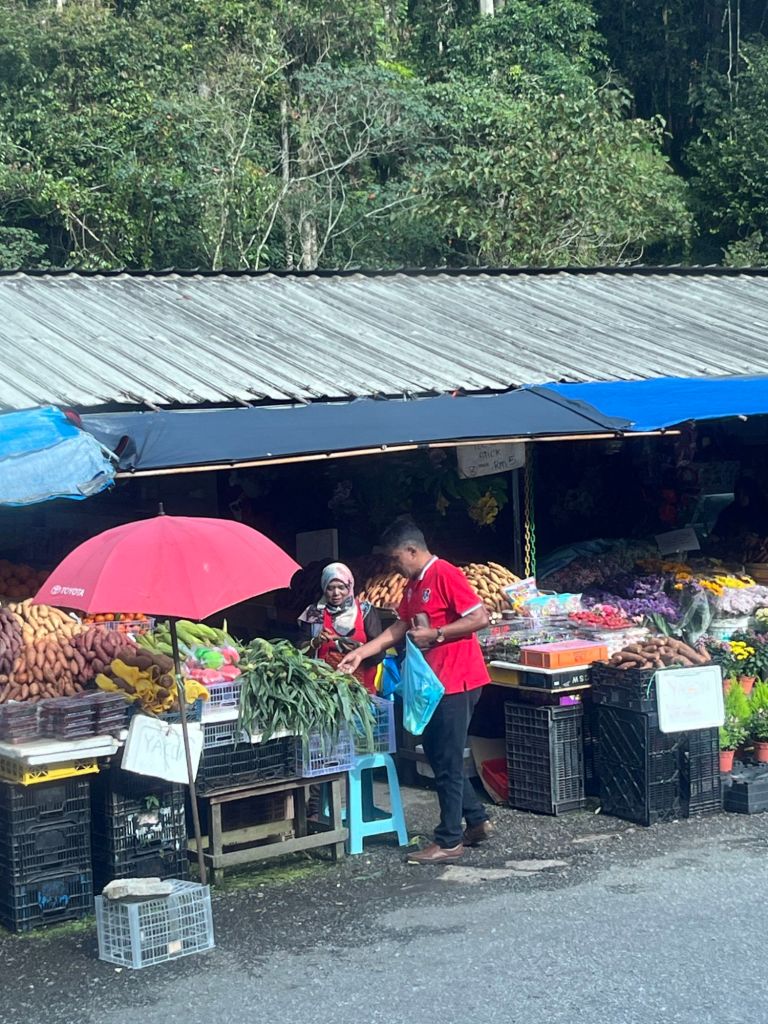


 Two Sore Backs
Leave a reply to tamarapil Cancel reply