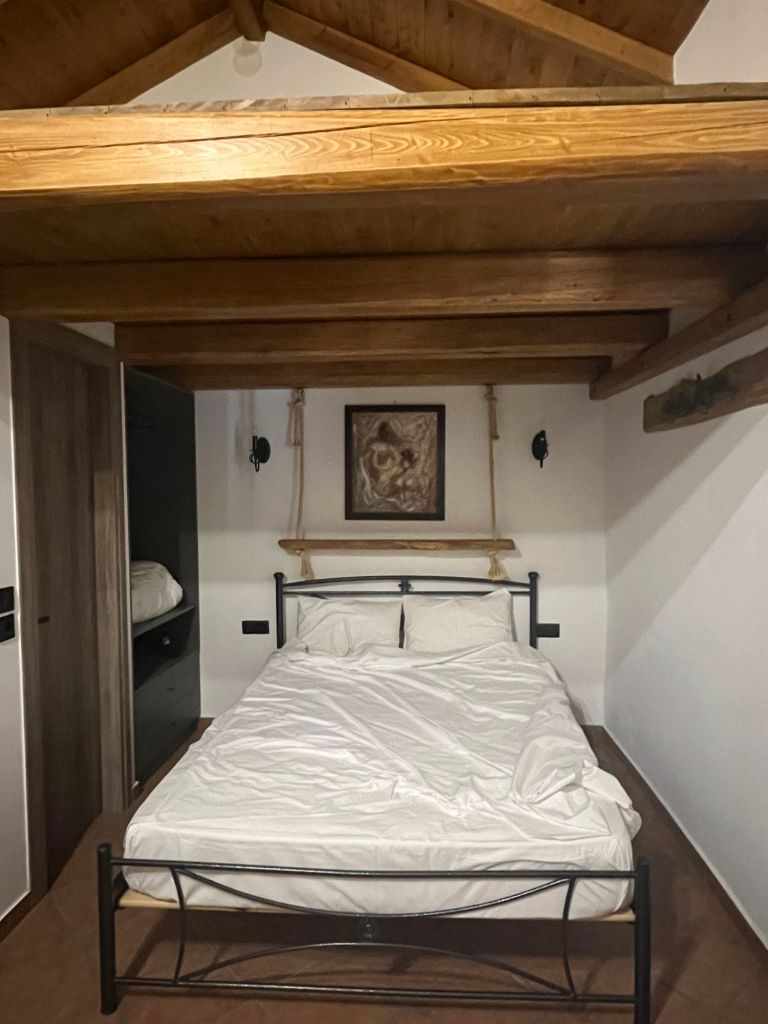
Lots of things fell into place during our visit to Kalamata. Parking spots magically appeared when needed, I found a good barber just around the corner, we (finally) found a good dash mount for my phone, the coffee shop nearby had amazing breakfasts for next to no cost, walking the town was easy and interesting in a genuine way, with shops that catered to locals rather than tourists, and our Airbnb was a cool space in a nicely renovated historic building. By the end of our two night stay, Val had said, more than once, “I could definitely live here”. Agreed.
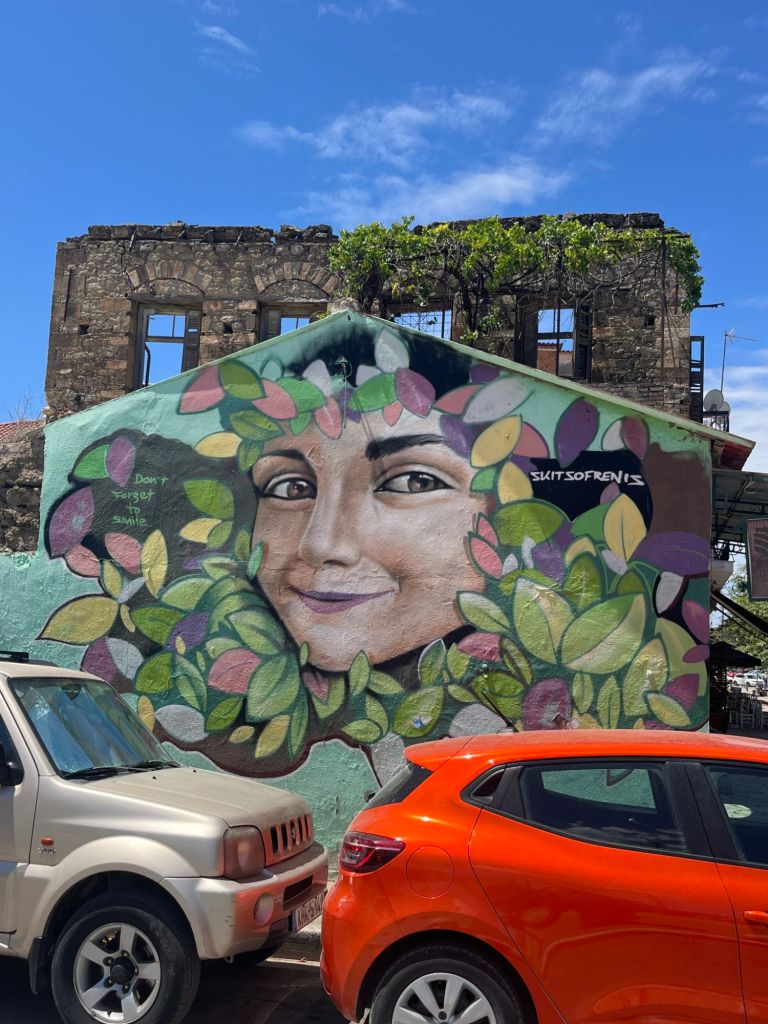
Kalamata has a busy arts scene and plenty of street murals.

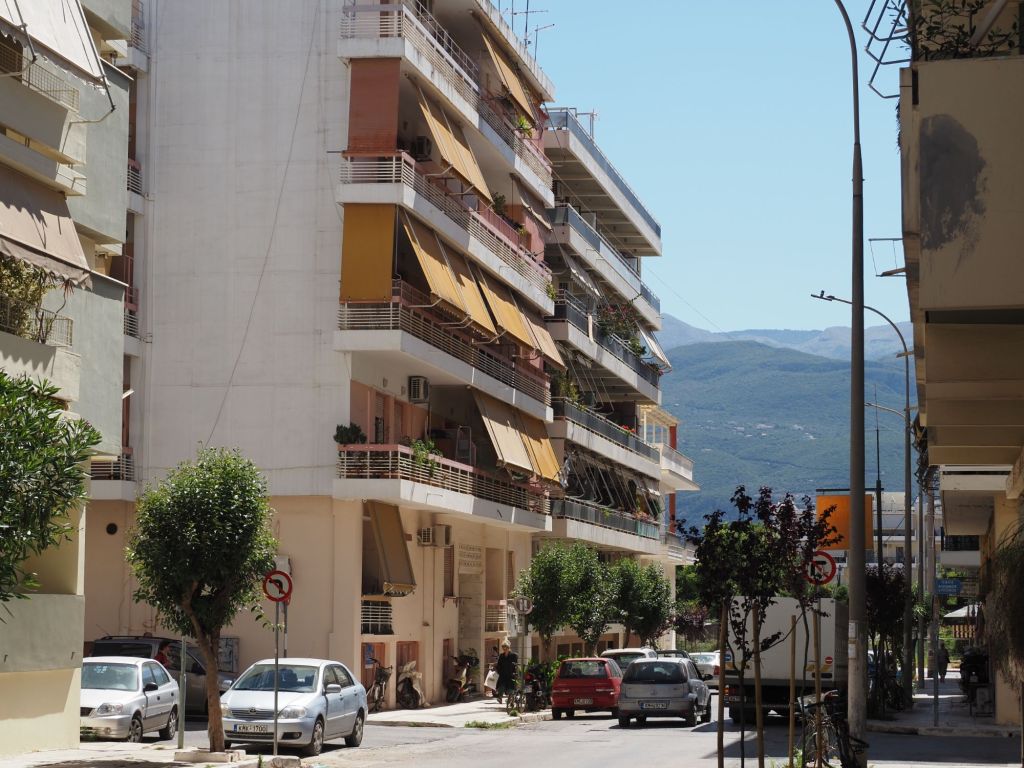
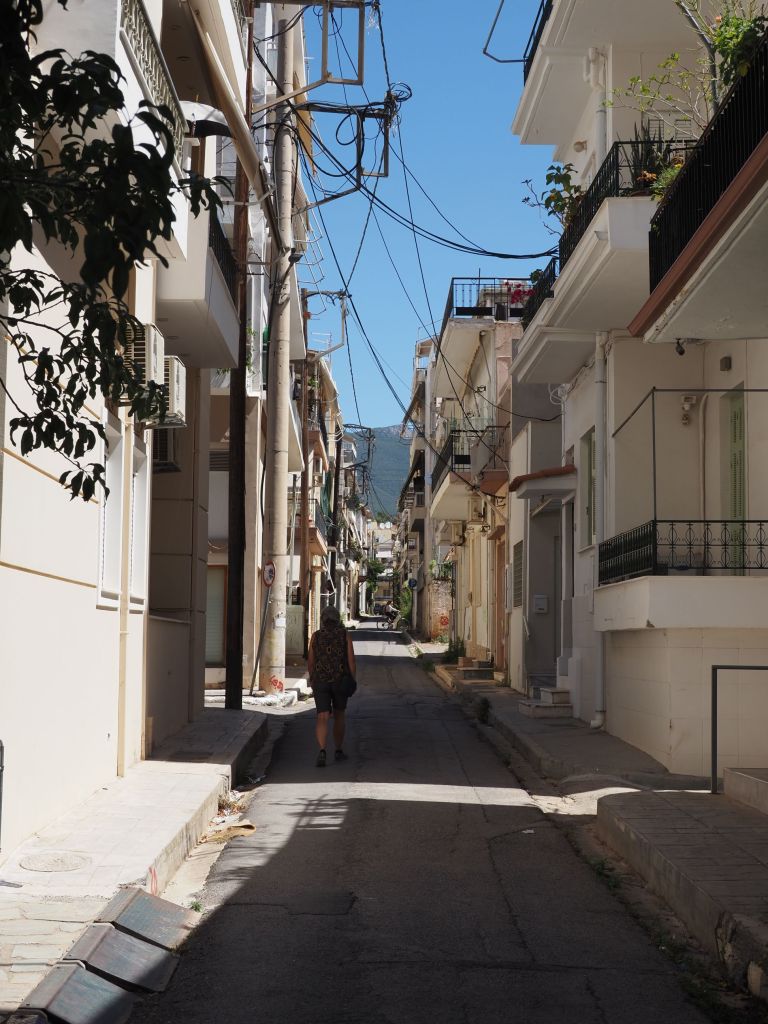
Most of the buildings in the central downtown area are multi-story with retail at the bottom and residential above. The balconies overlooking the street are generous – lots of room for plants, clothes drying and just hanging out.
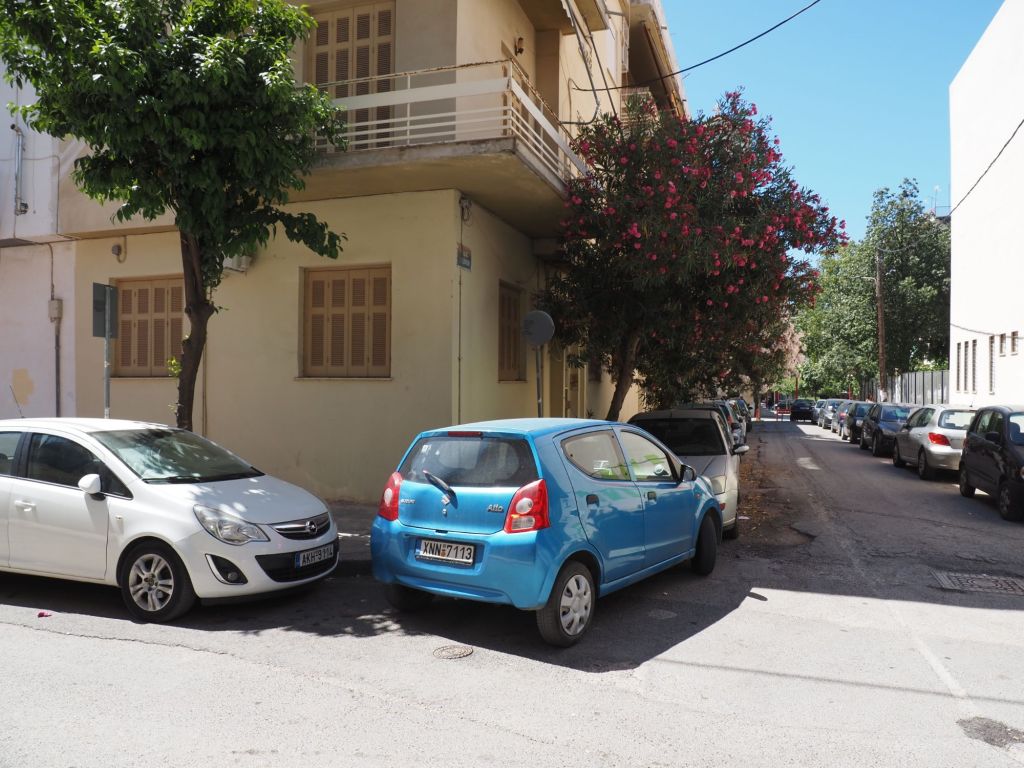
This density has some interesting side effects. I get anxious about parking too close to corners. Here, they park ON the corner.
Here we were walking north, towards the main church.
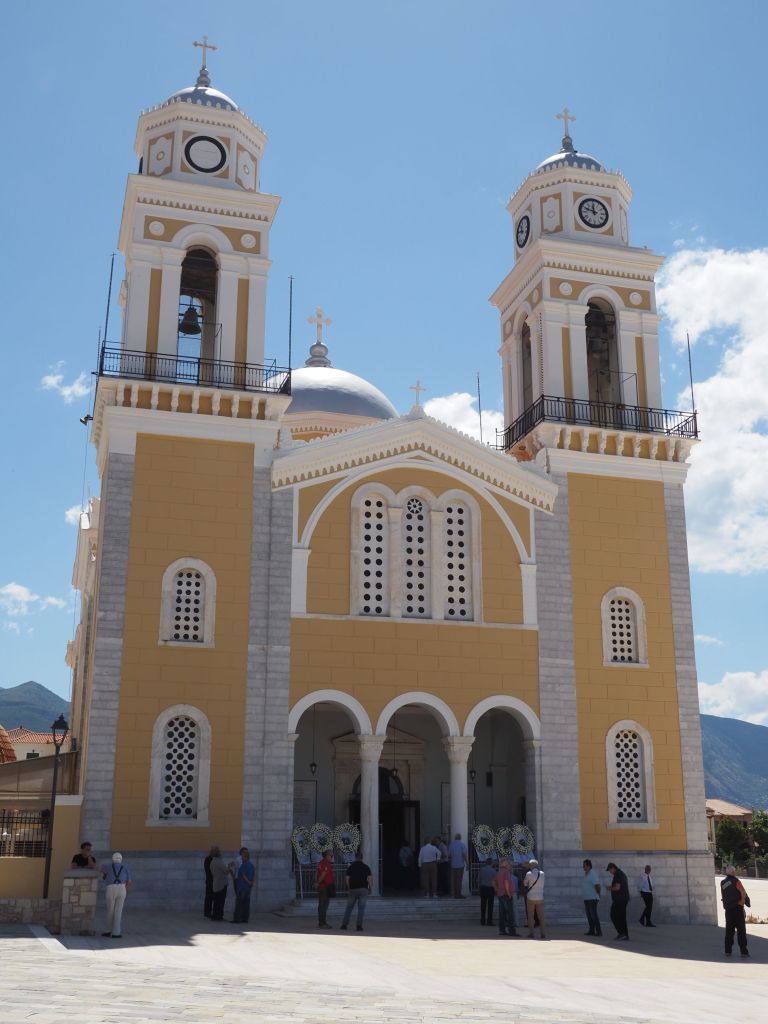
This is the main Orthodox church. It’s relatively new, having been built in 1873 to replace one that was destroyed in 1770 by “the rulers of the time”.
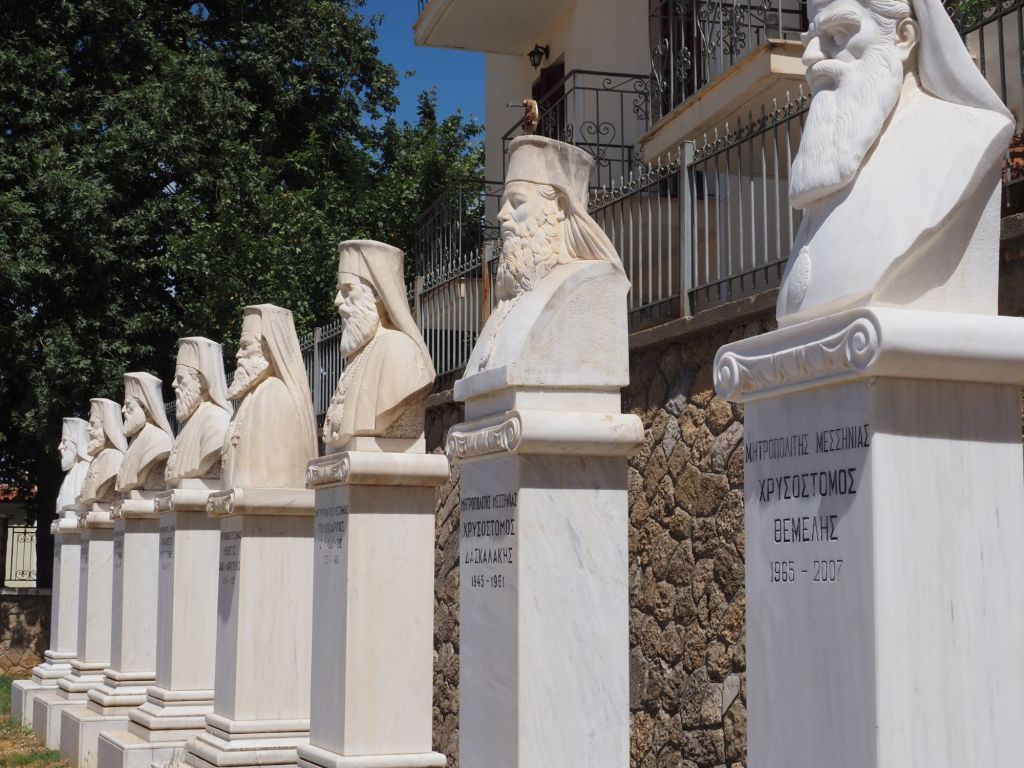
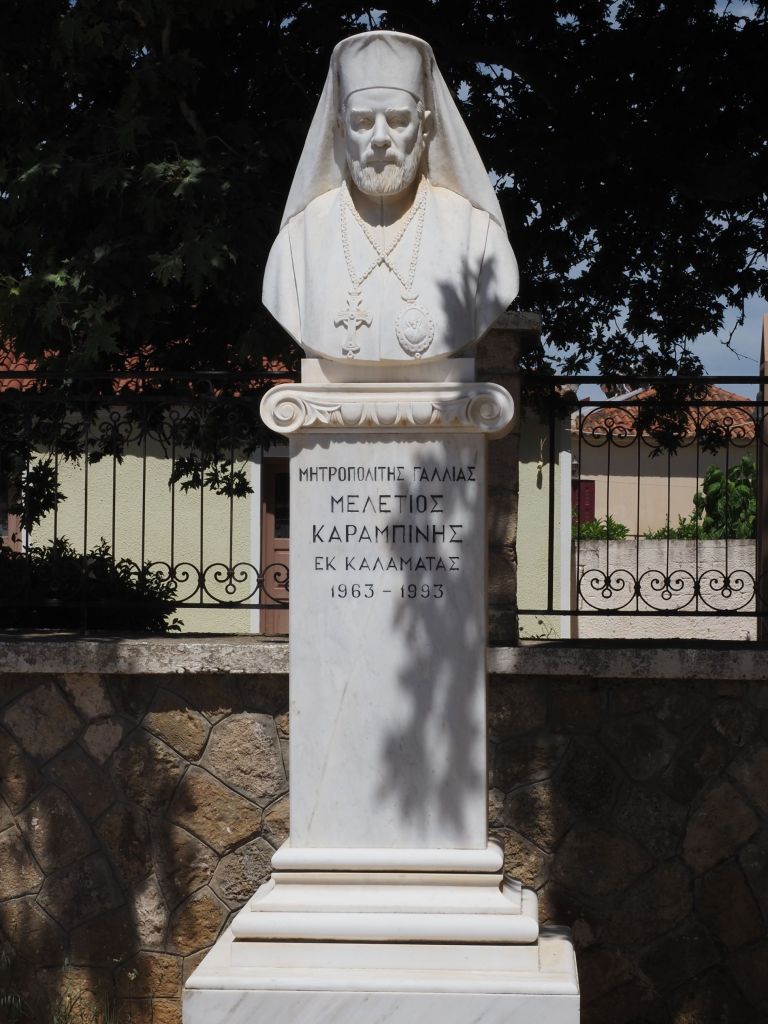
Outside the church are statues of former bishops.
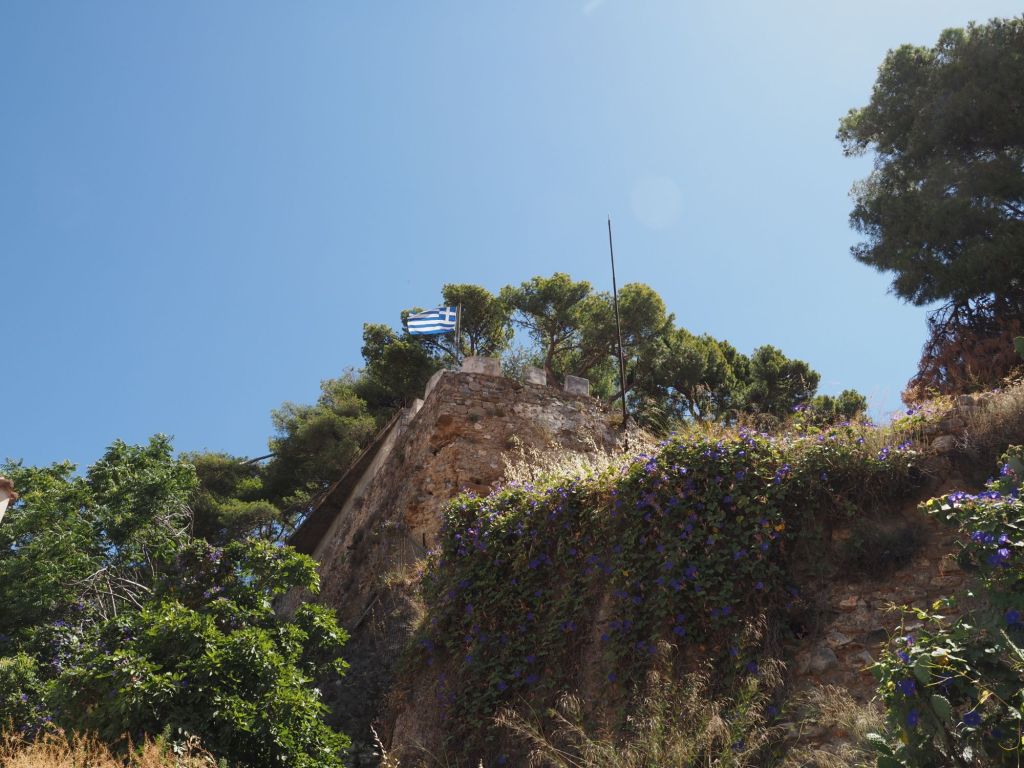
Moving on, this is the view up to the old castle and cathedral. It seemed to be in disrepair, and was closed off.
We descended from the old castle area and walked through the shopping district towards a railway-themed park near the waterfront. As we got closer the shops got more upscale, but they seemed to be catering to locals as much as to tourists. Plus there were plenty of cool shops, bakeries, tavernas, etc. on the side streets.
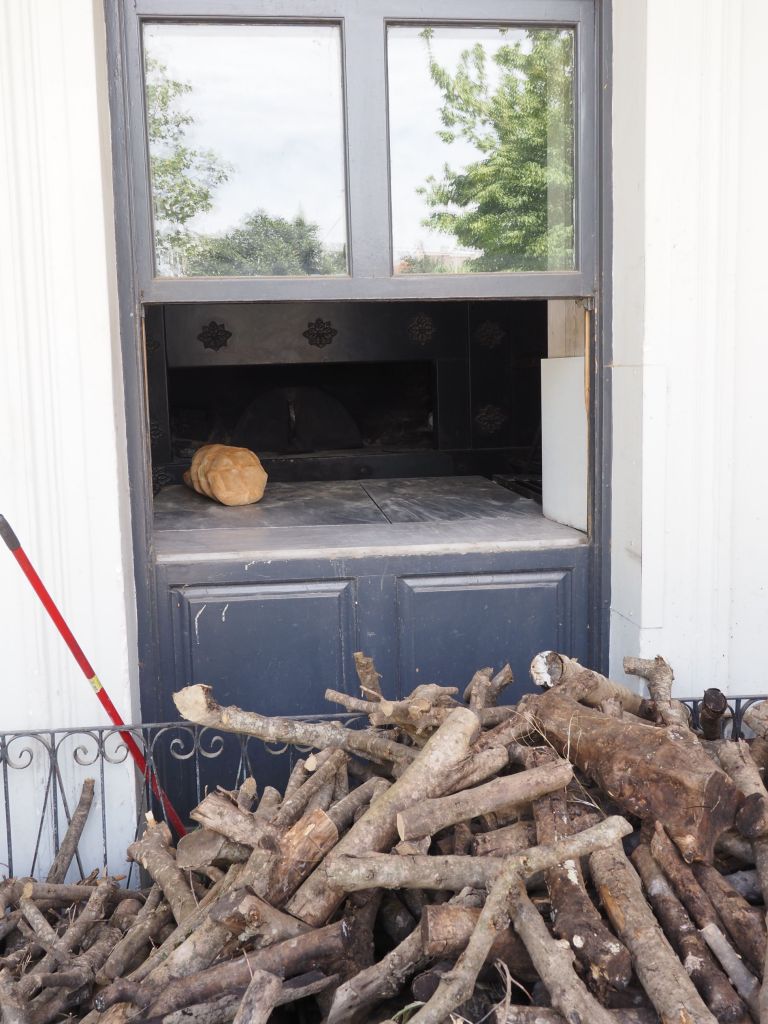
Val’s appetite for all things railway was mostly satisfied here.
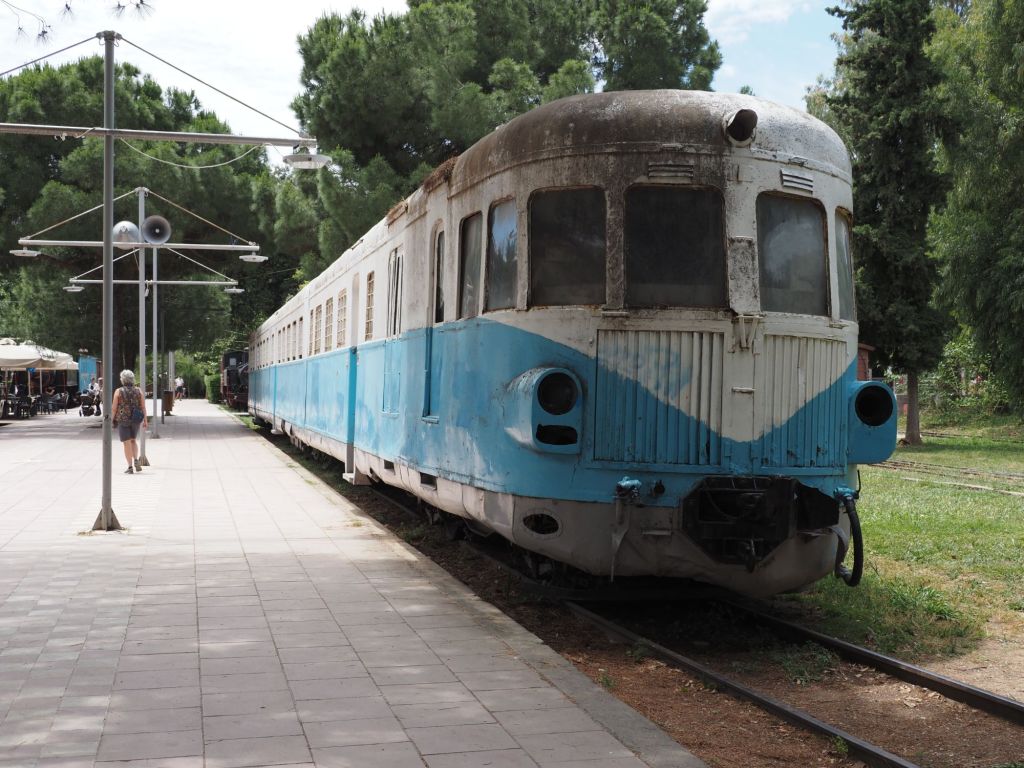
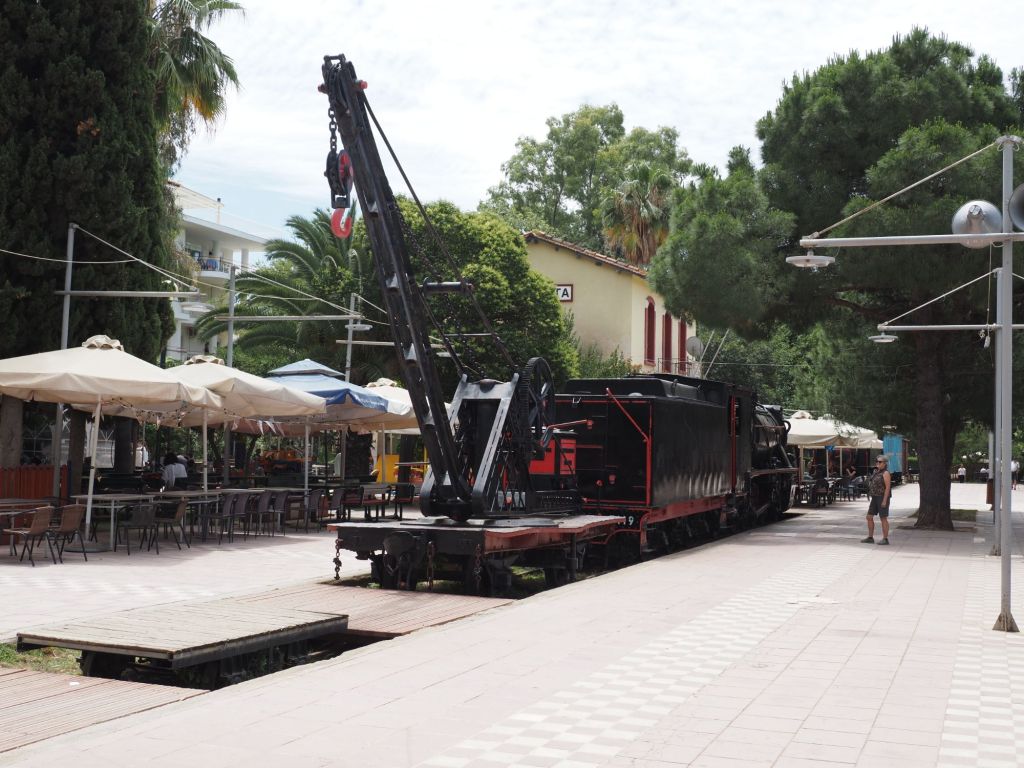
We continued to the Kalamata waterfront.
This is a working port. The industrial breakwater, fencing and storage structures give it a very different vibe compared with places like Nafplio.
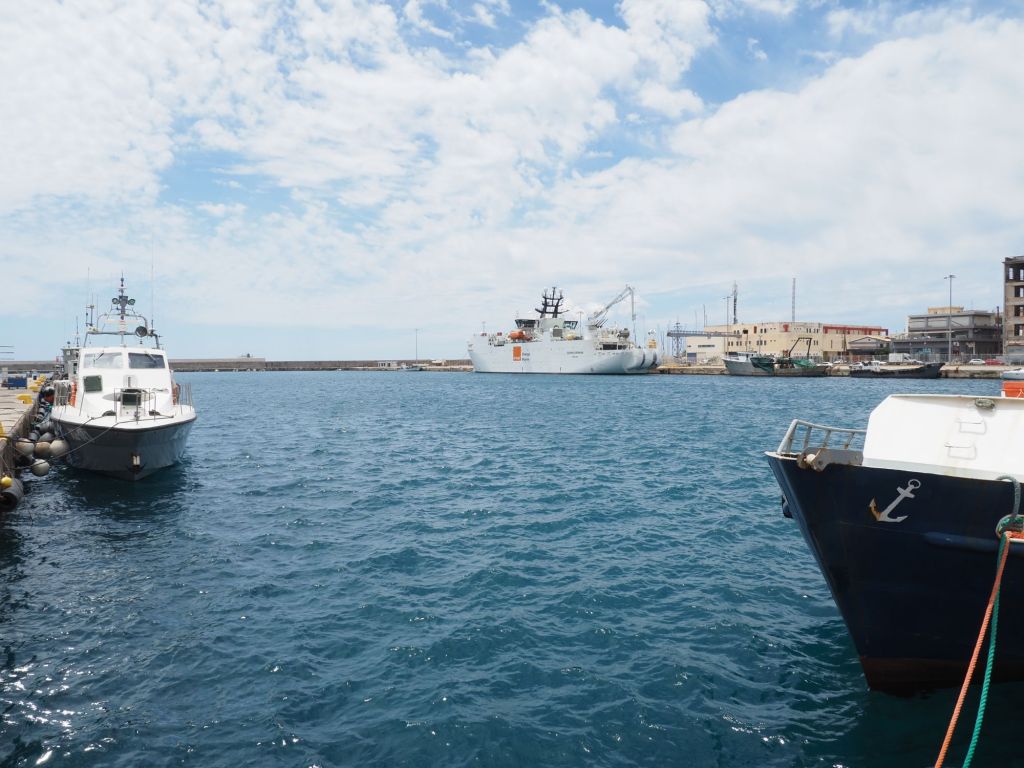
The mix of industry and recreation is real, if not a bit awkward:
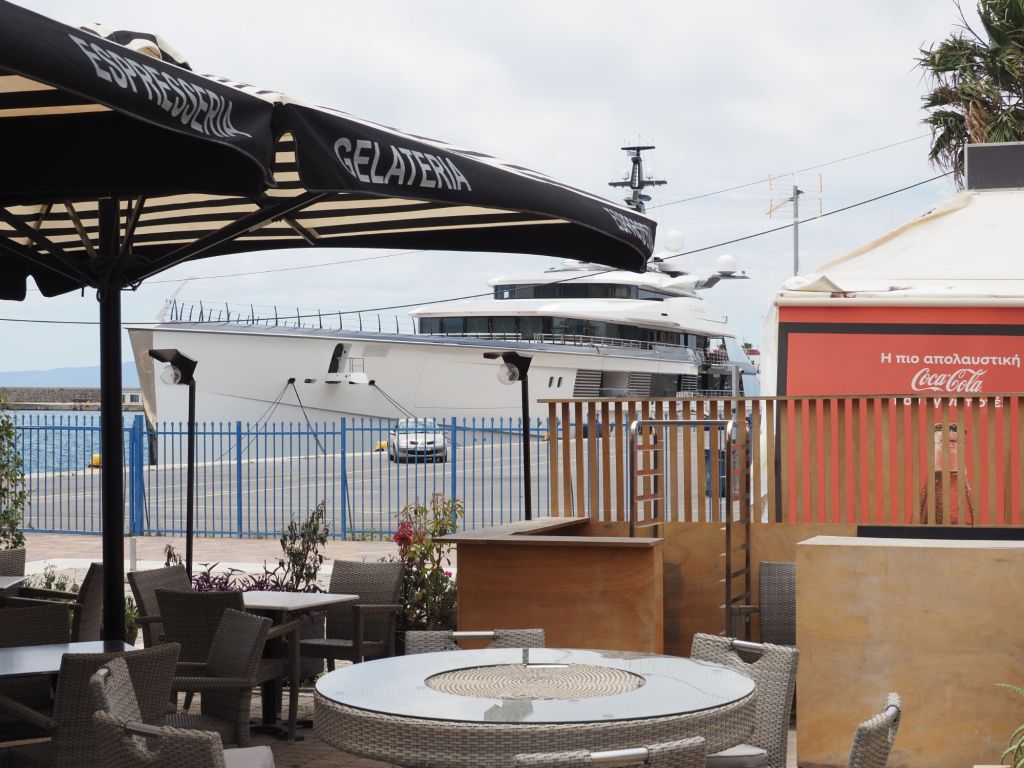
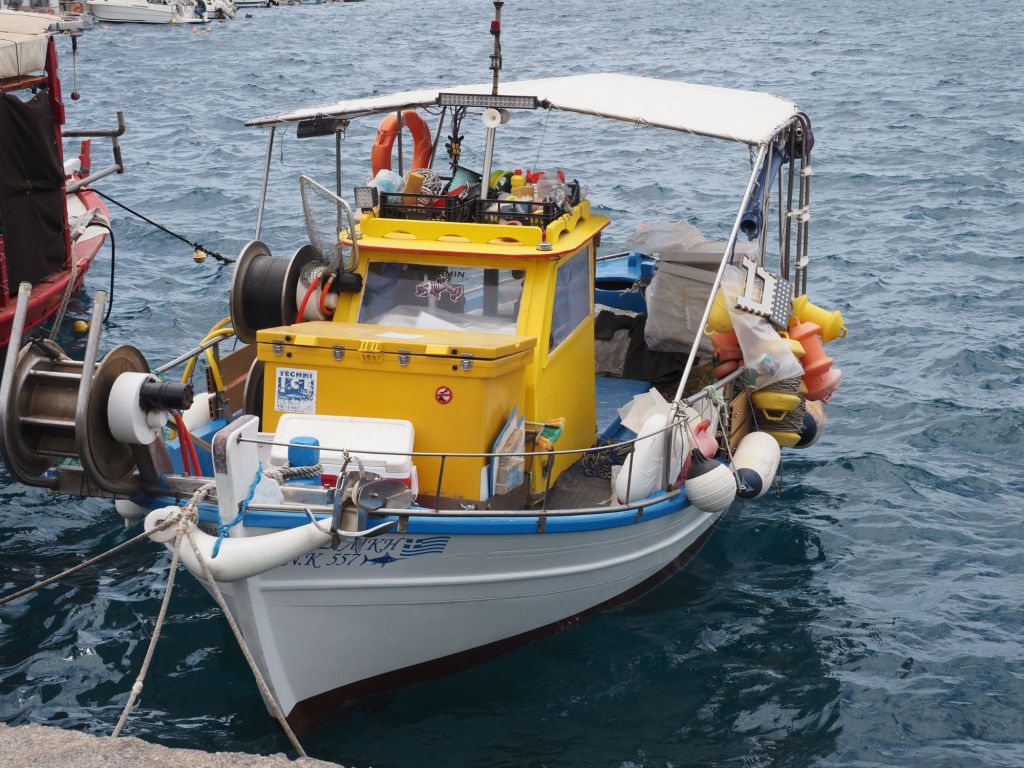
For dinner, our host recommended a taverna 10 km west of downtown, in a rural area. We followed Google maps and passed it three times before realizing it was attached to a simple farm house, and it was closed. Oh well, we managed to find a similar one nearby, near the beach, and it was excellent.
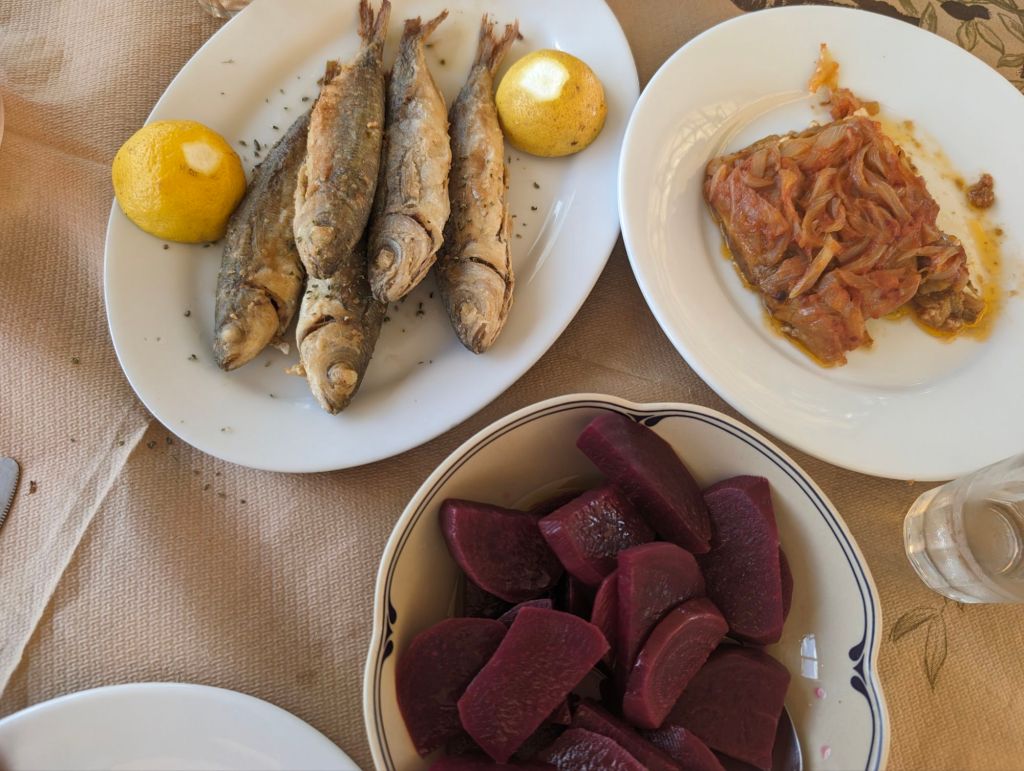
Meet my new best friend.
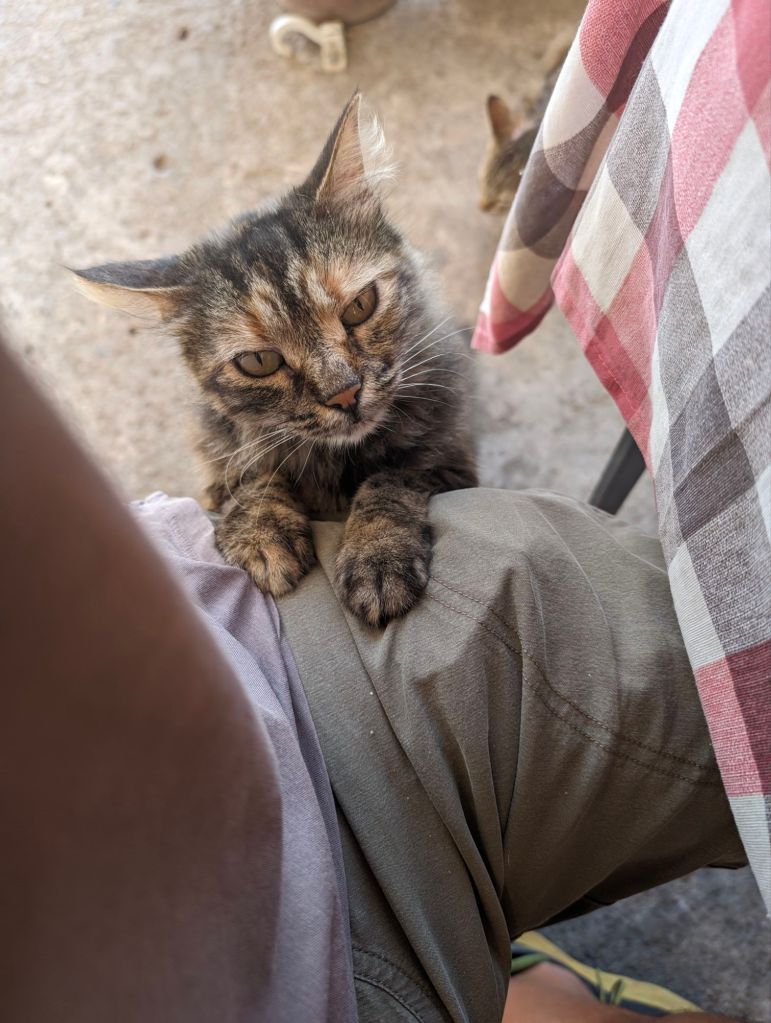
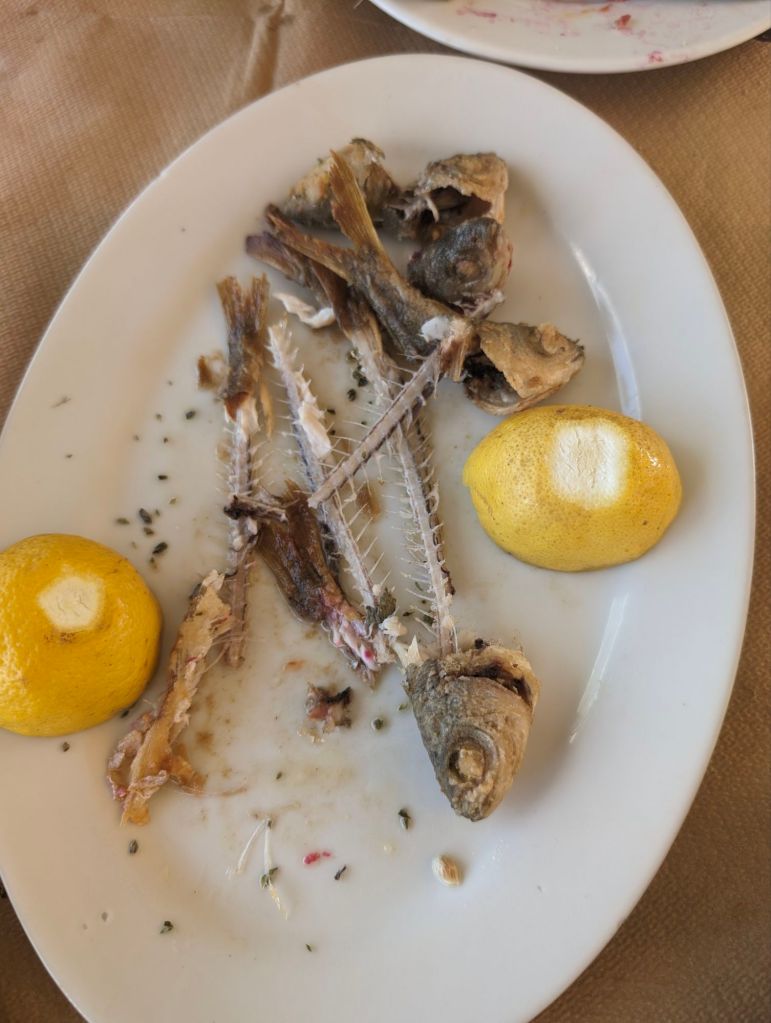
…or maybe it was this he was after?
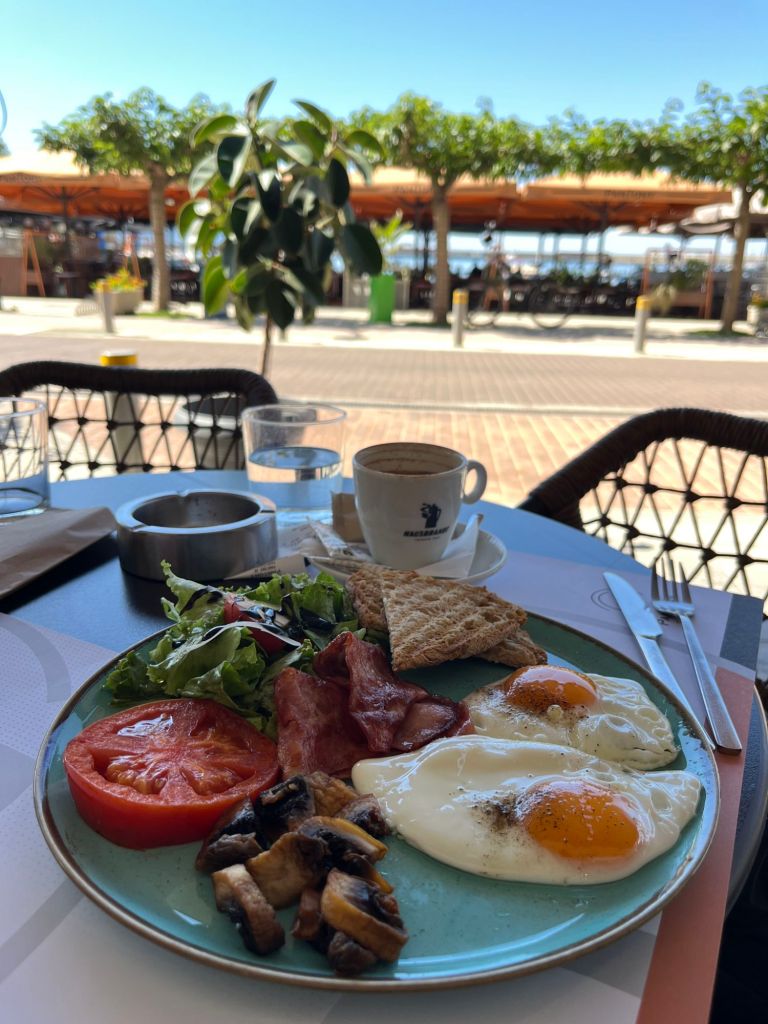
The next day we checked out, I found a much needed barber, we had a quick coffee and breakfast, and headed for Ancient Messine, on our way to Pylos.
I recalled having a conversation with another traveller about Messine. He, like me, was getting a bit tired of historical sights. His favourite part: being able to see it all from the town above, while sitting at a taverna, drink in hand.
The drink would have to wait.
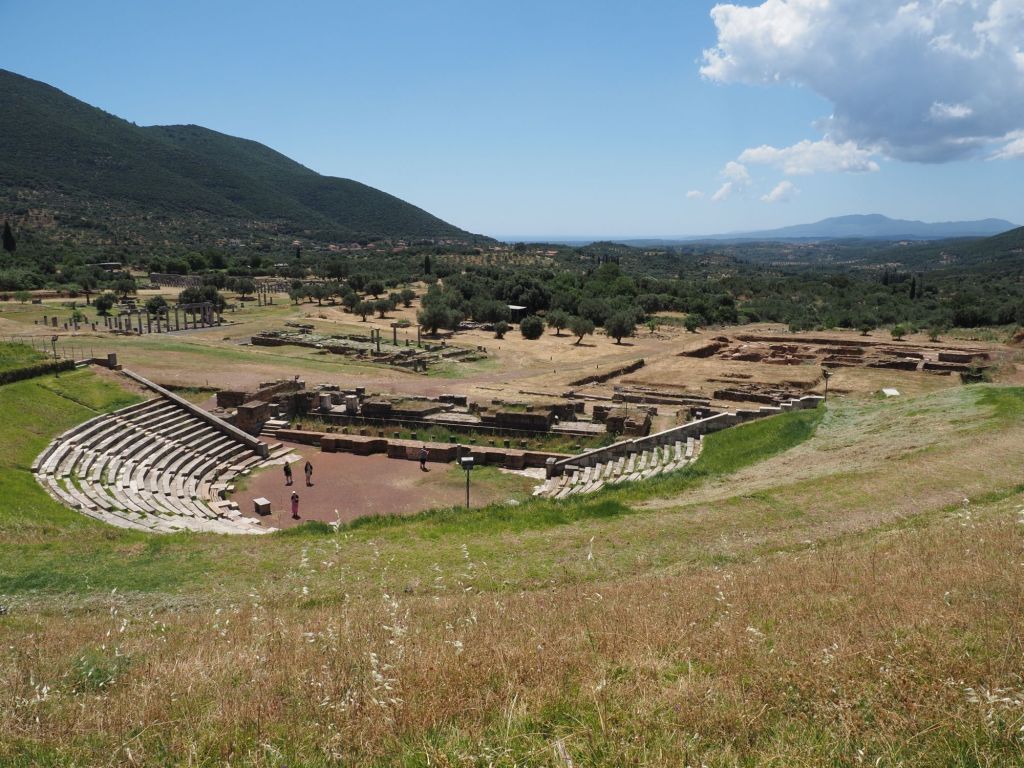
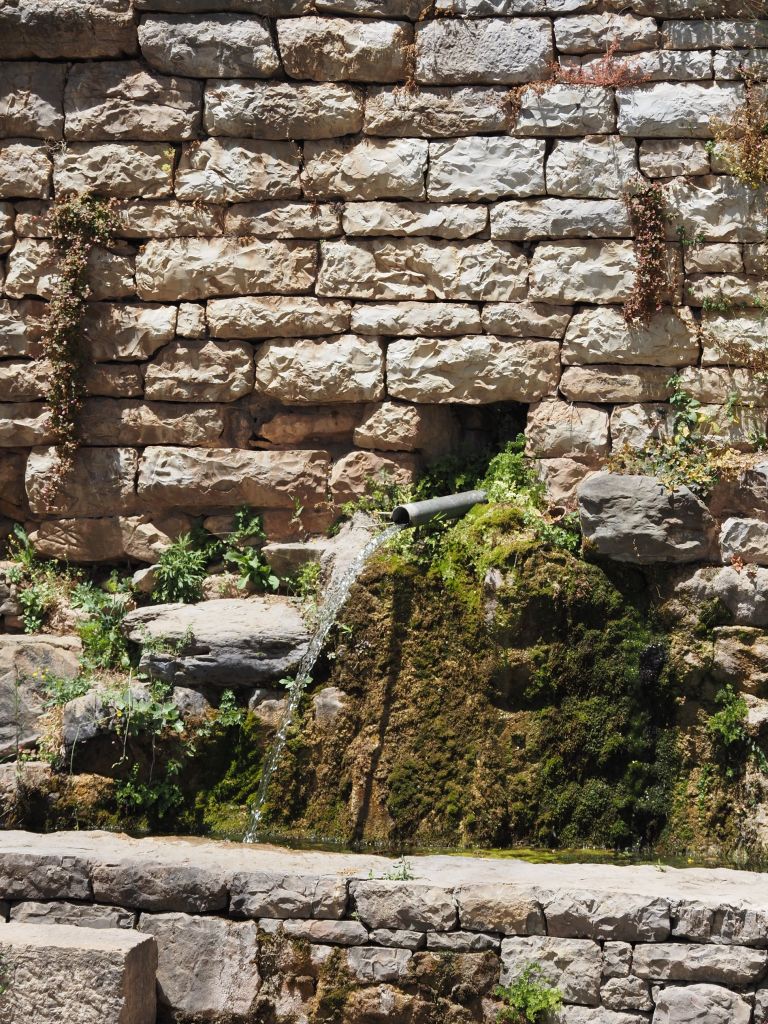
Messine is one of the more well- preserved sights. It’s situated in a small valley, so water management systems and water uses were easy to spot.
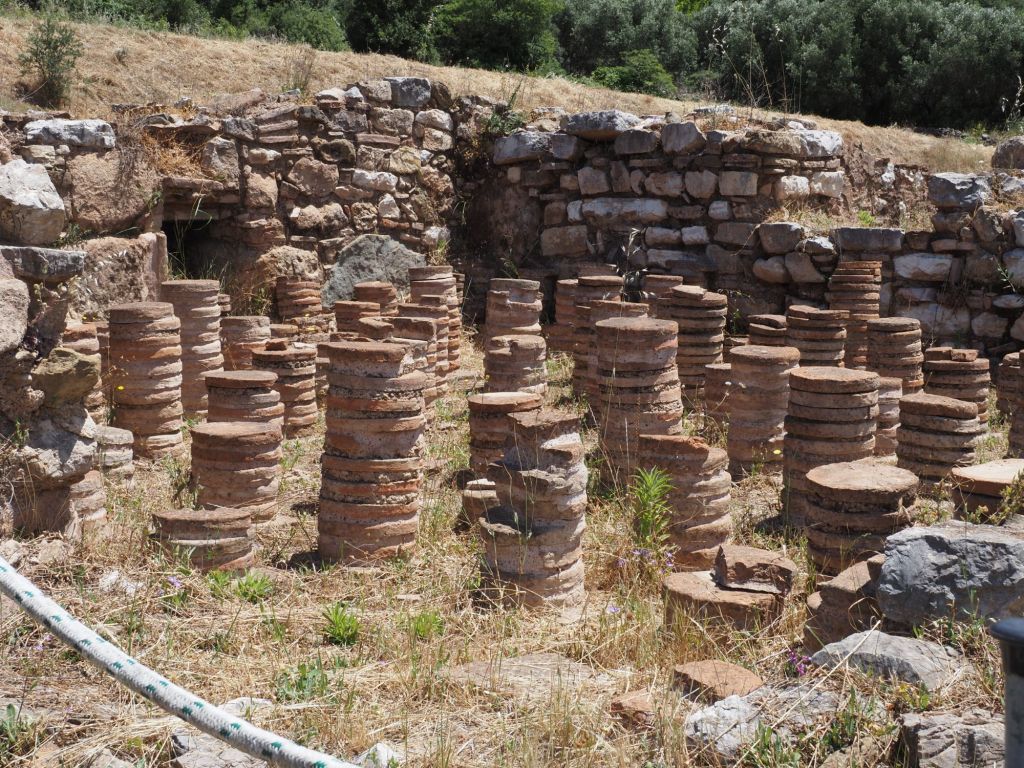
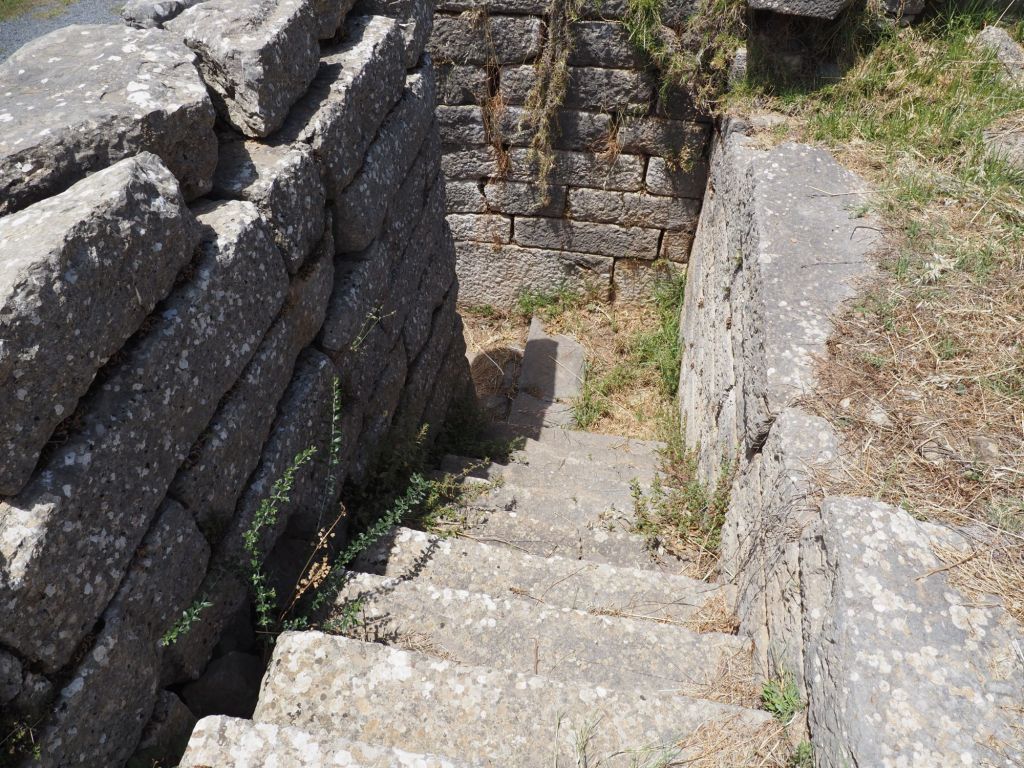
Here are two photos of the bathing system. The stacked rocks held up the floors of the bath.
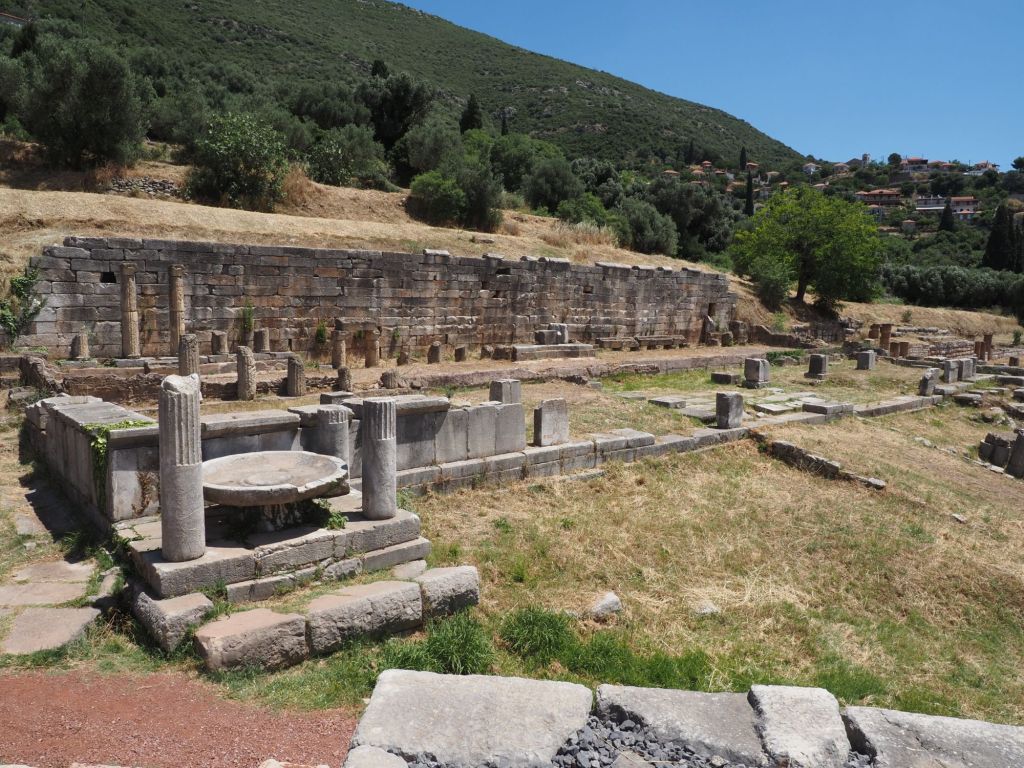
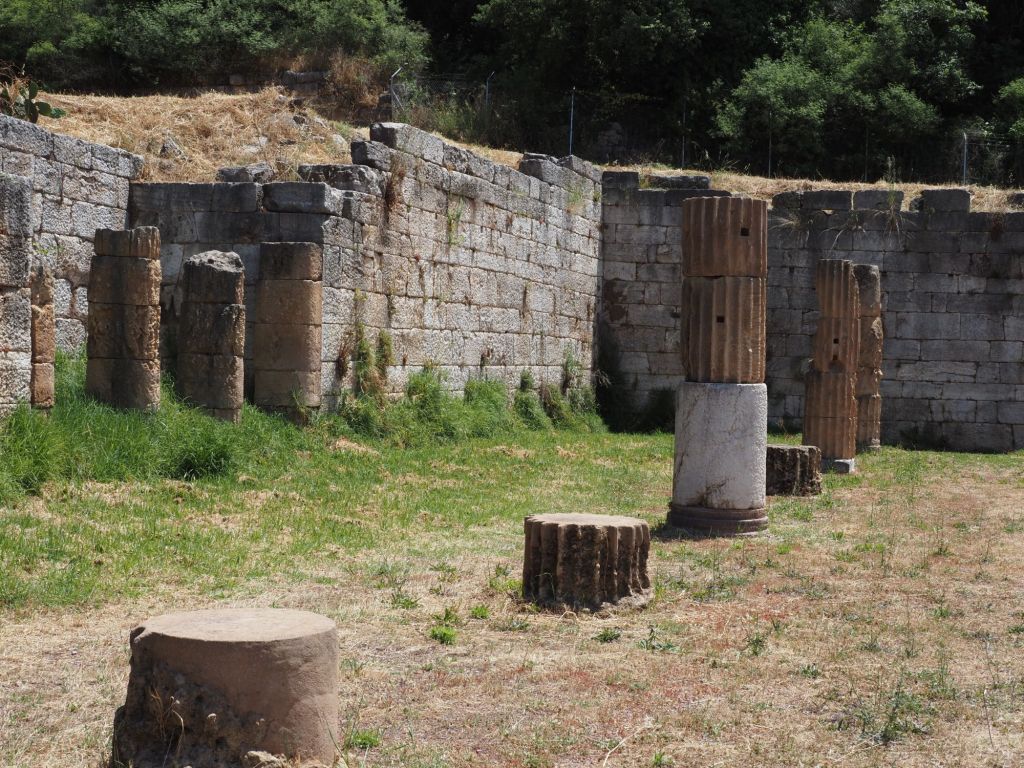
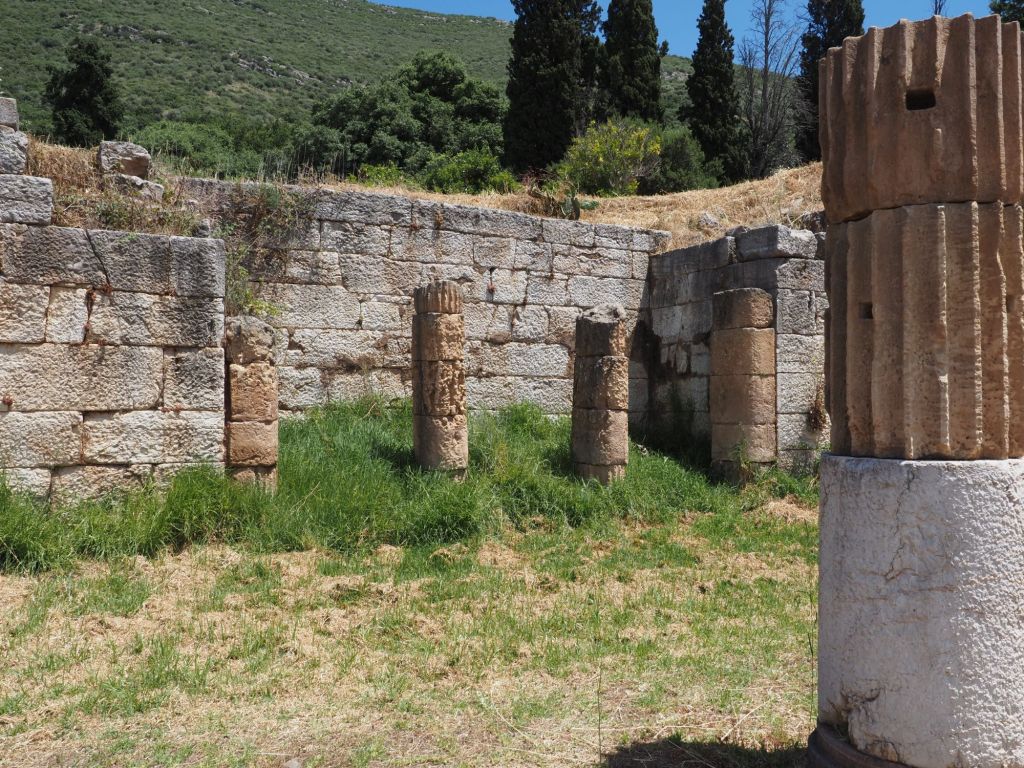
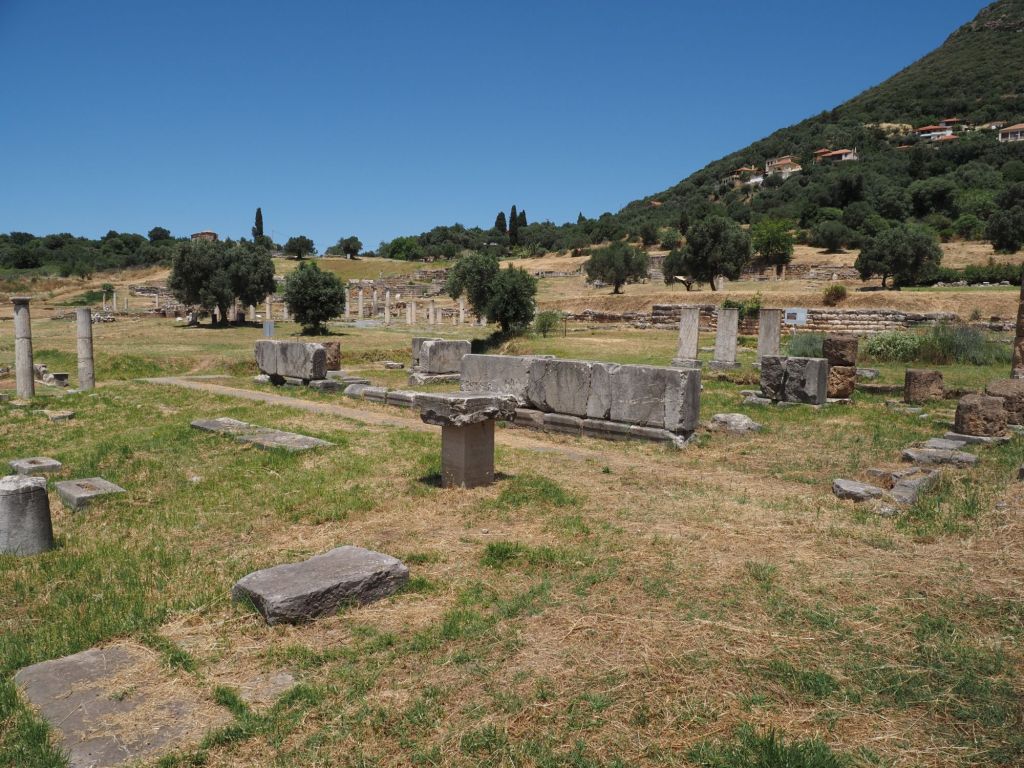
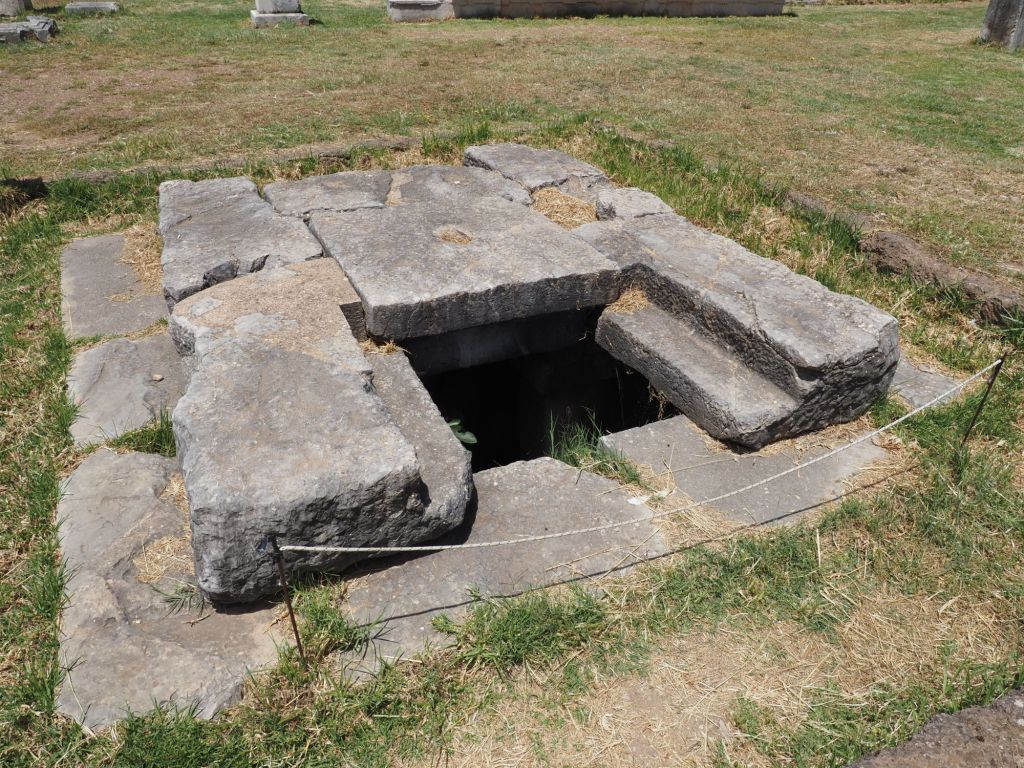
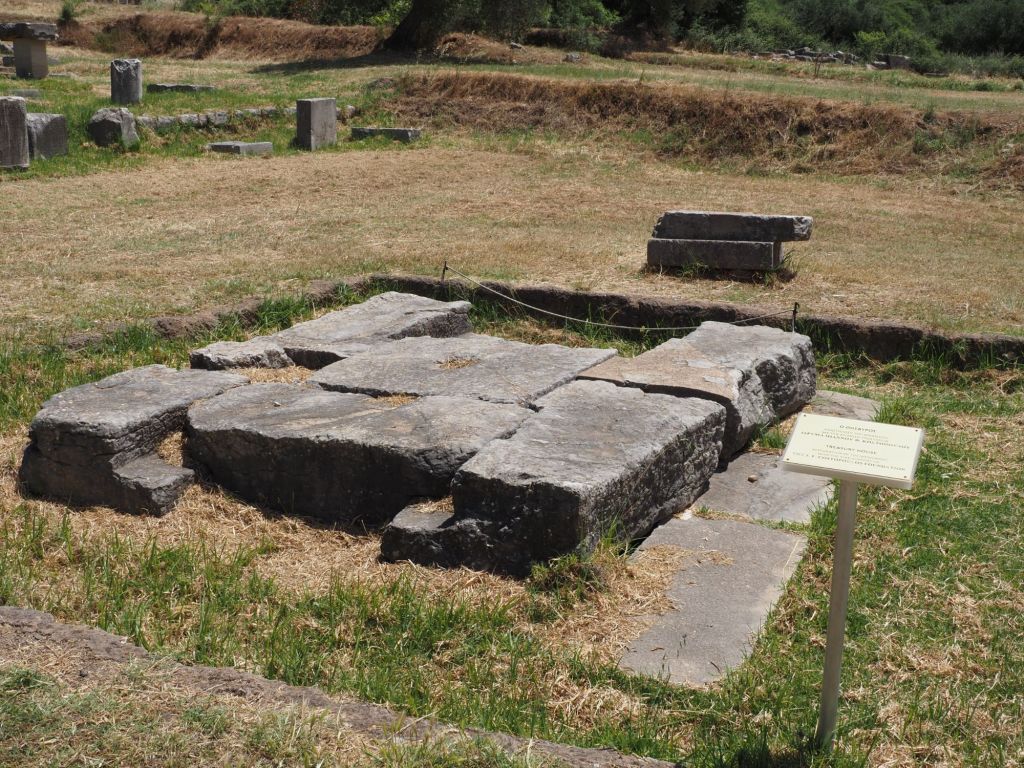
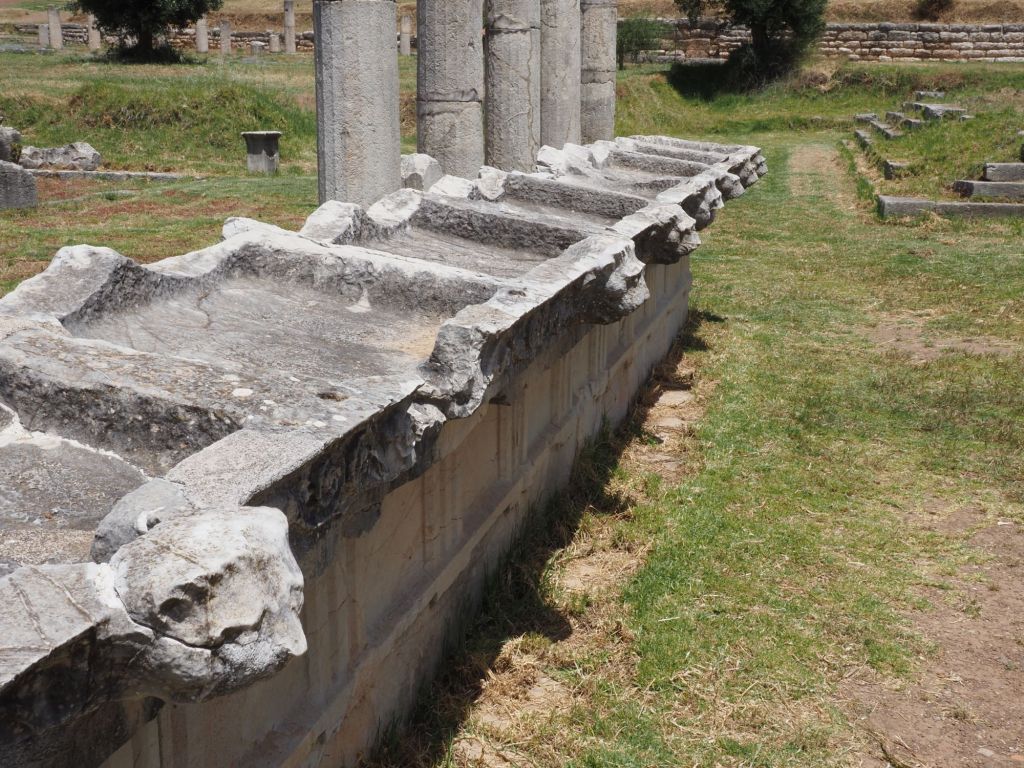
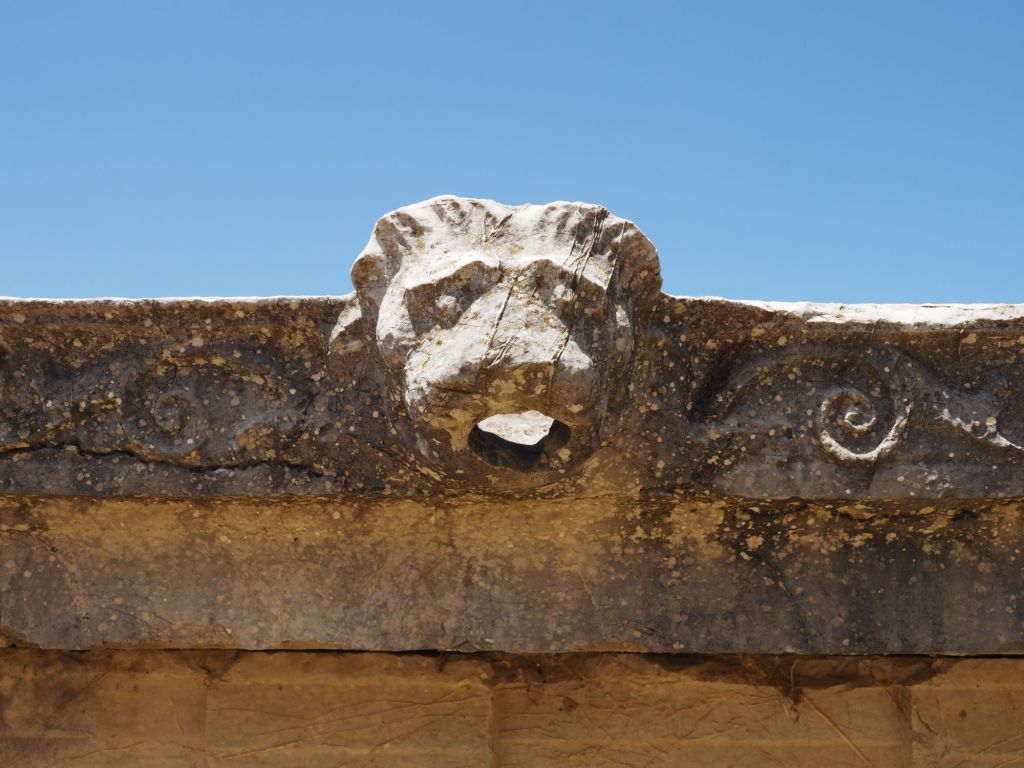
At the bottom of these steps, after turning left to exit, I was hit by the unmistakable scent of fig trees wafting up the valley from farms below.
Here are pictures of the Odeon.
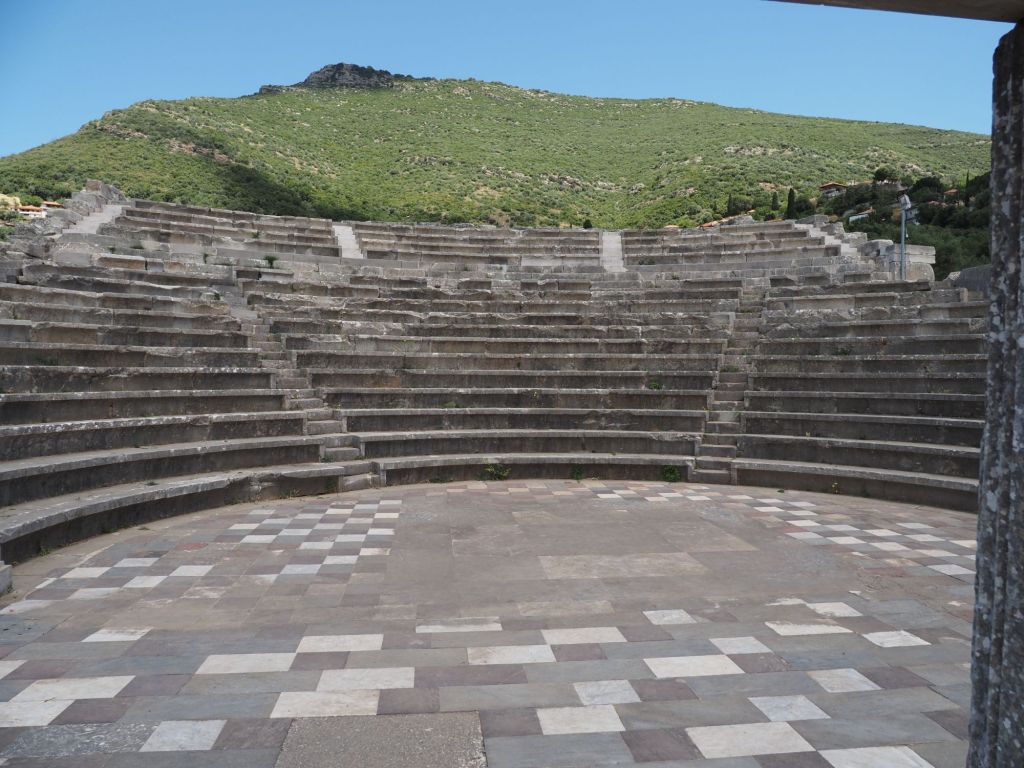
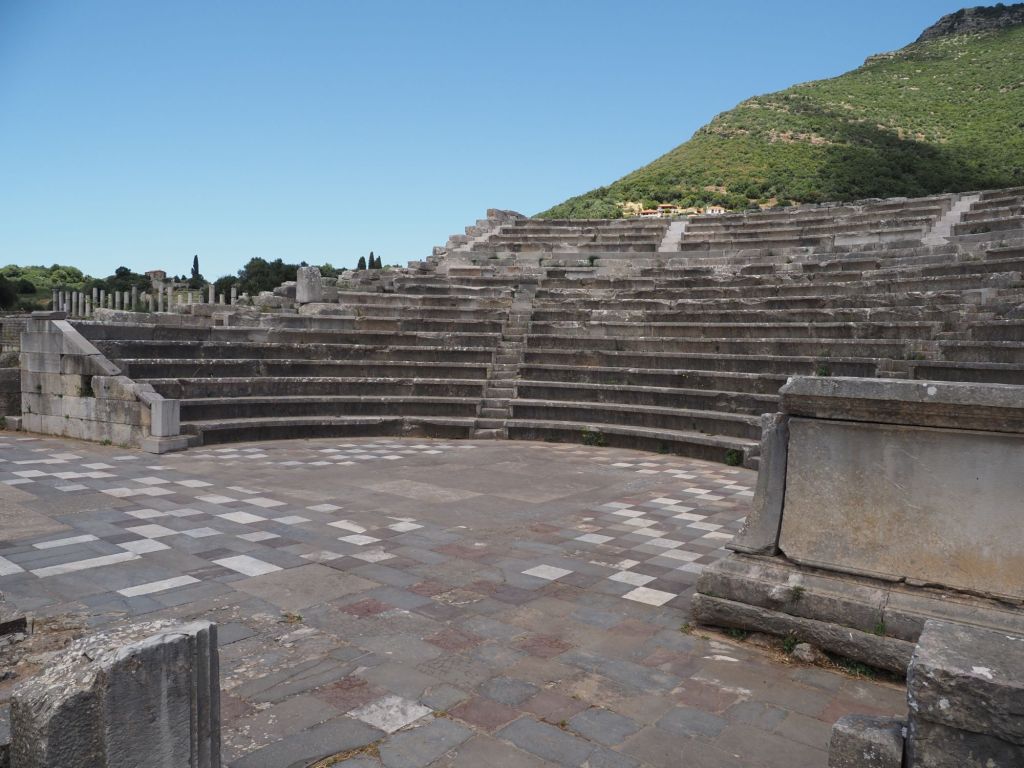

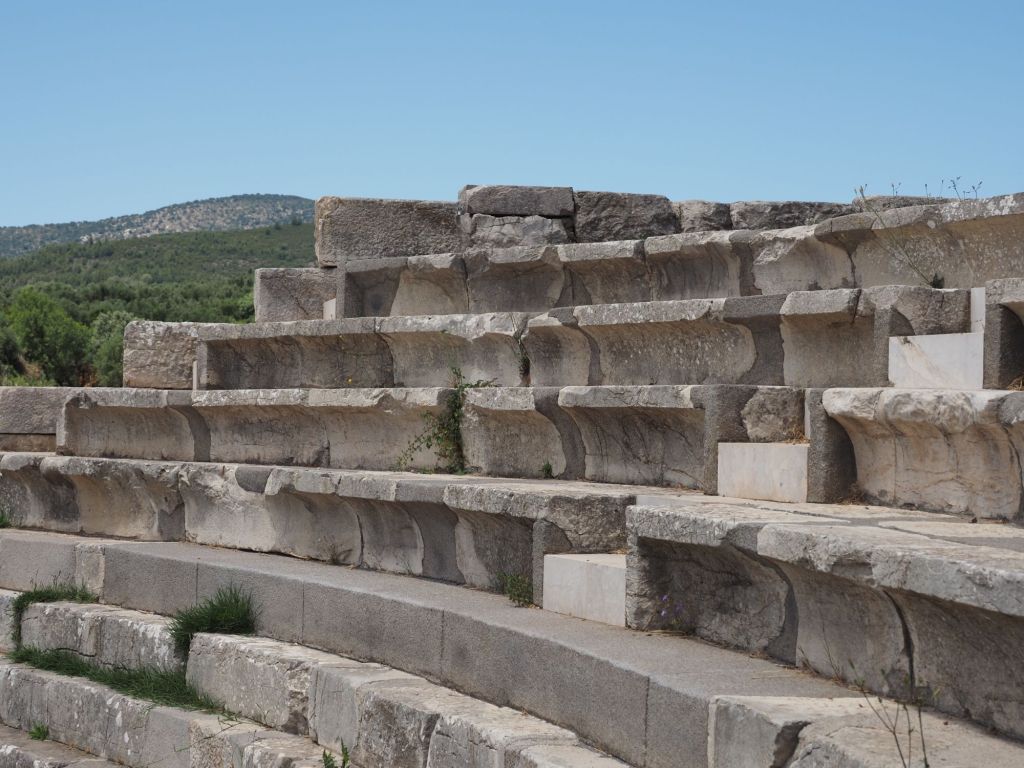
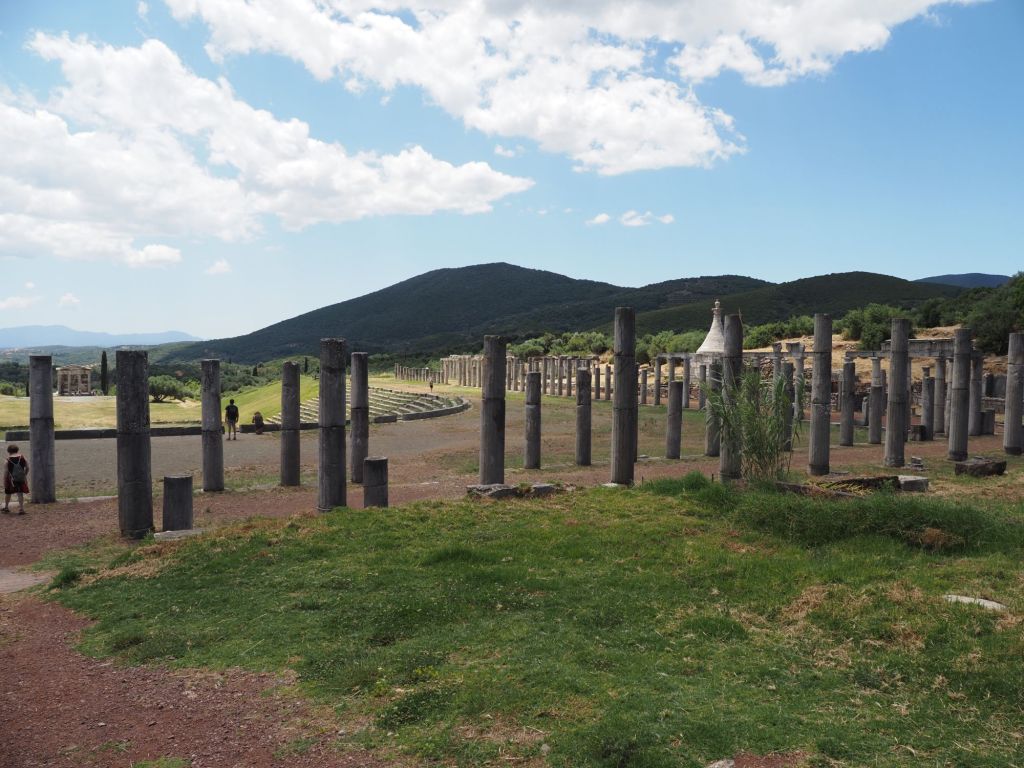
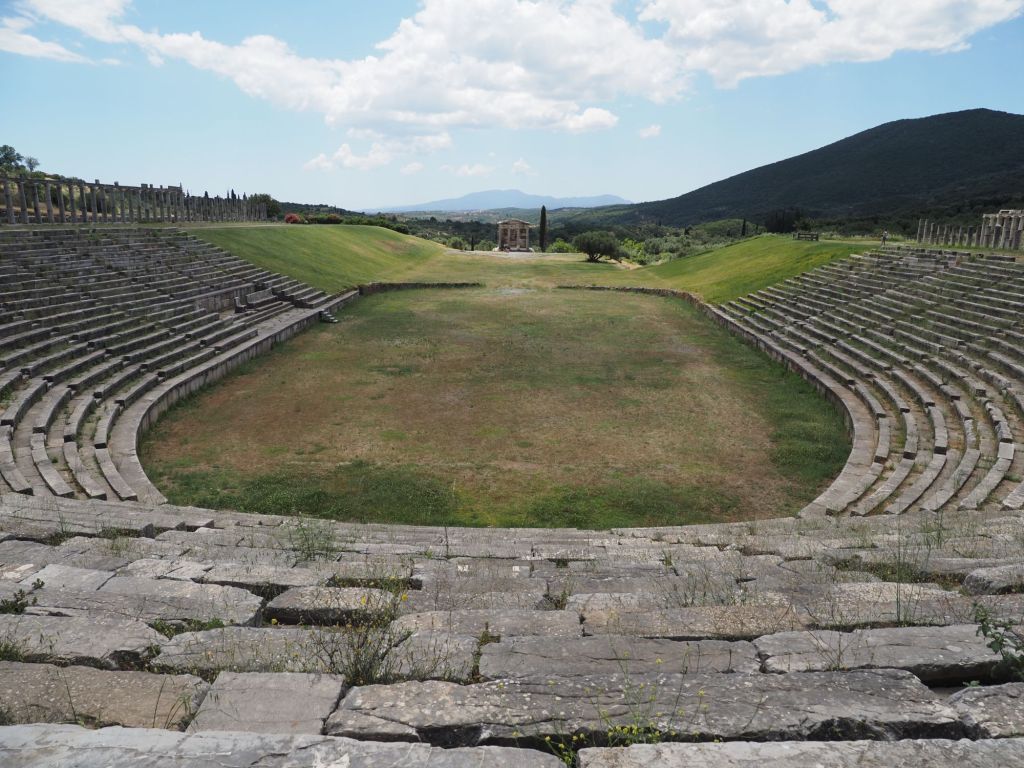
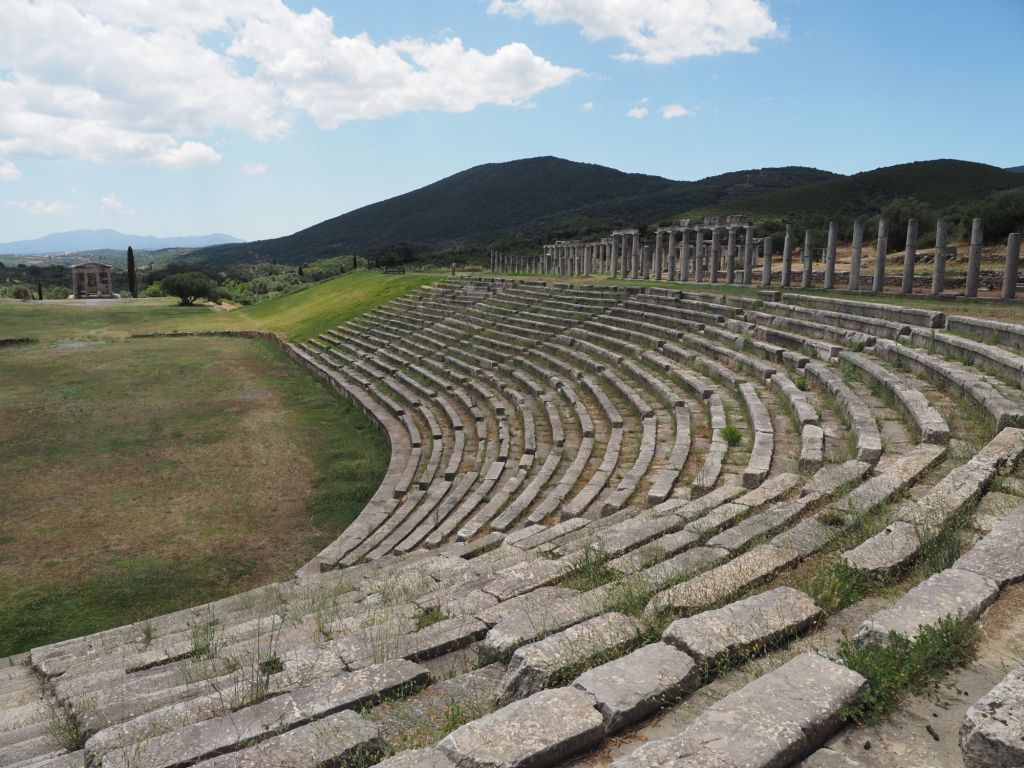
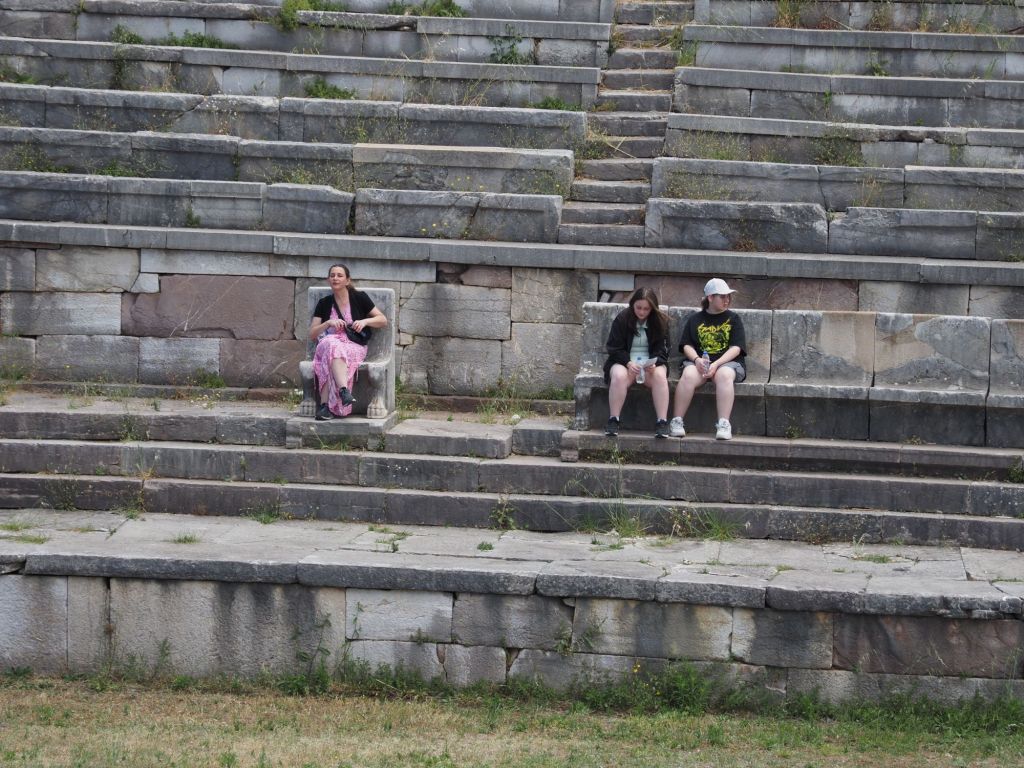
Here are pictures of the stadium. Notice the stone seating, something that Olympia did not have.
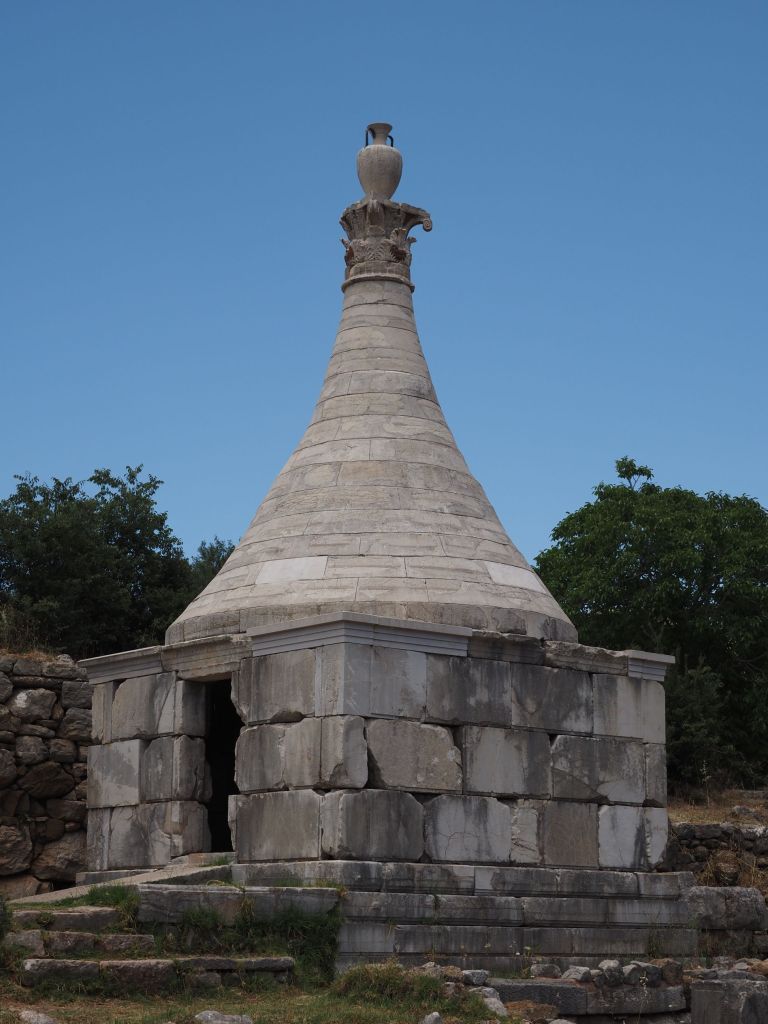
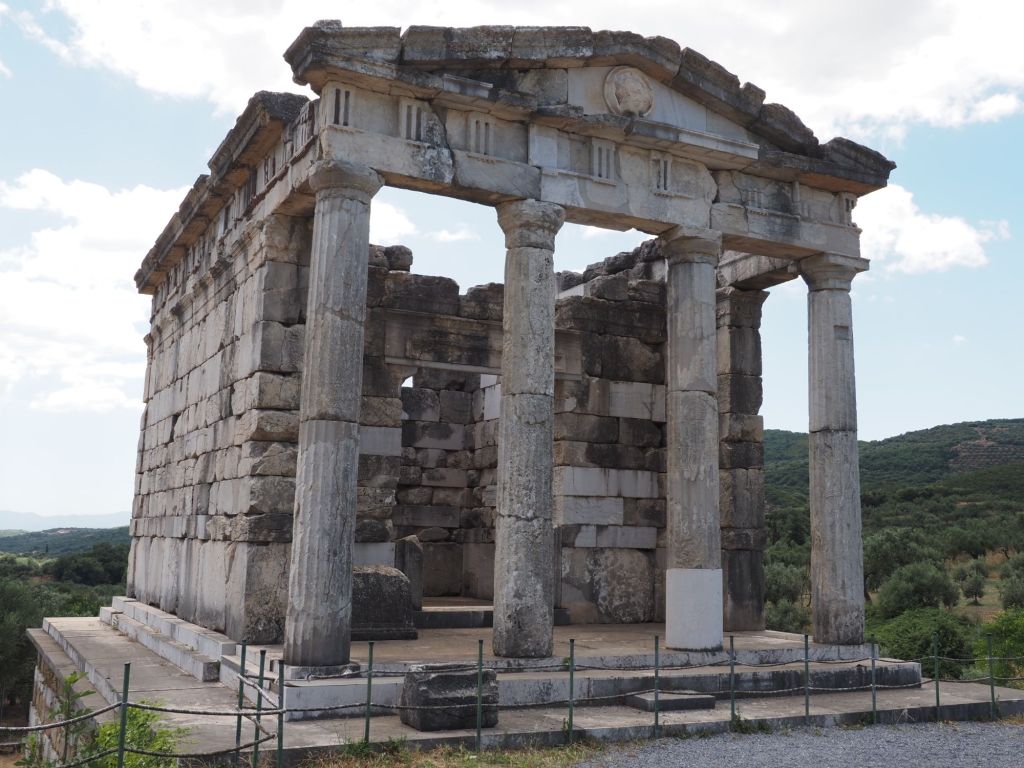
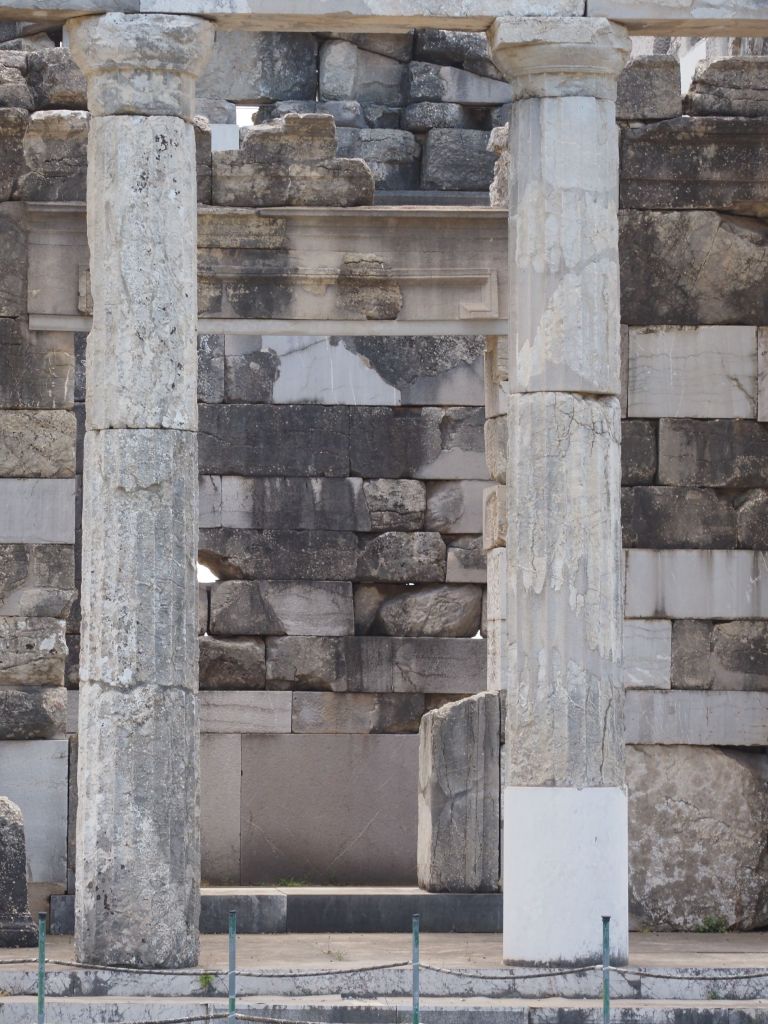
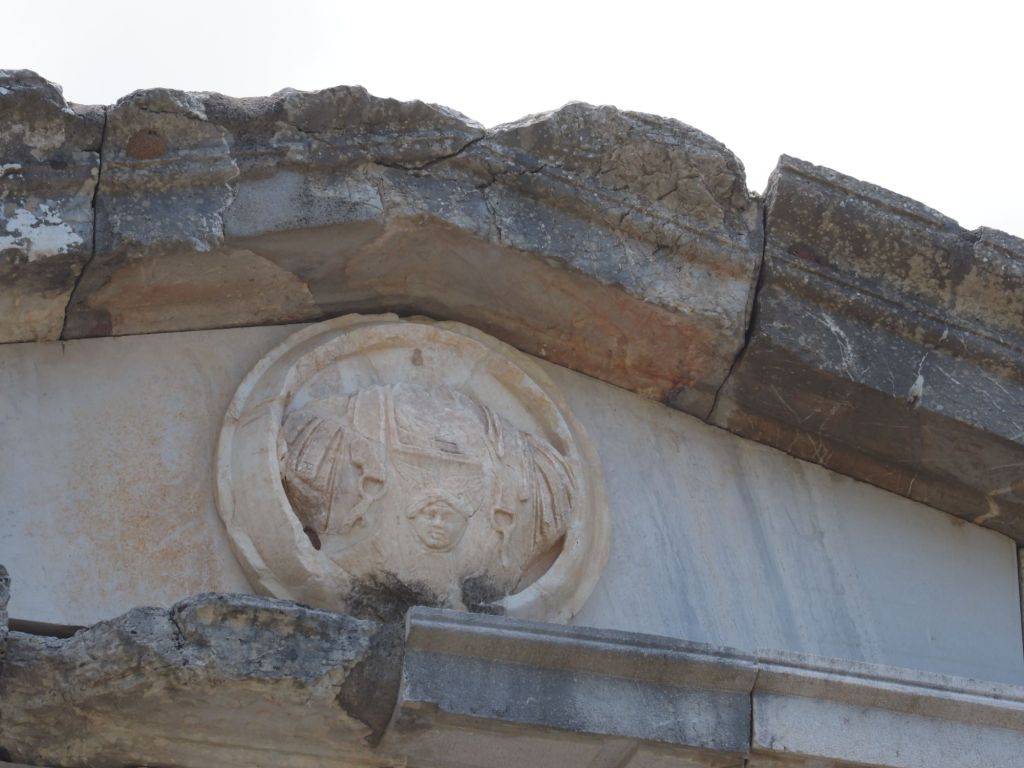
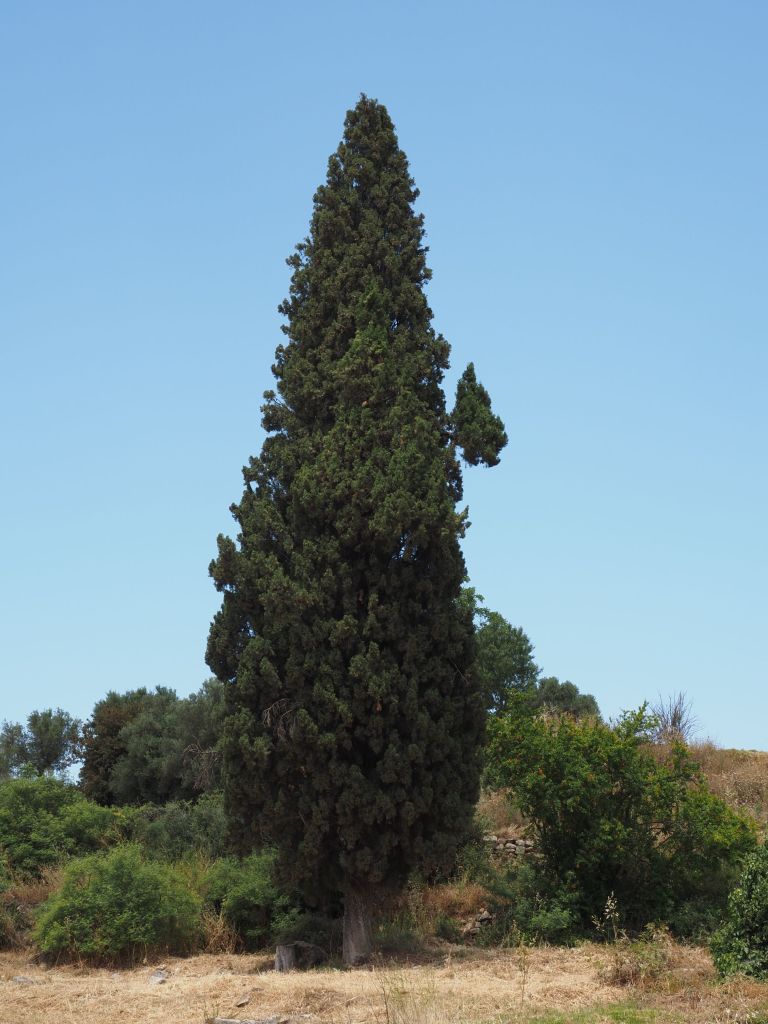
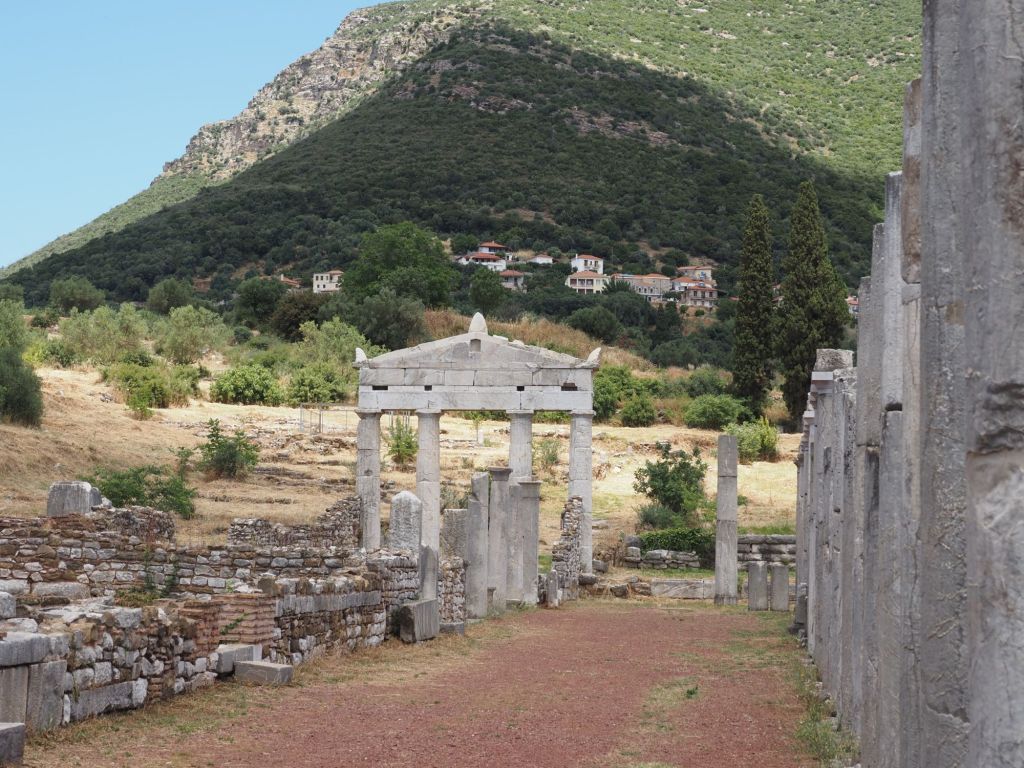
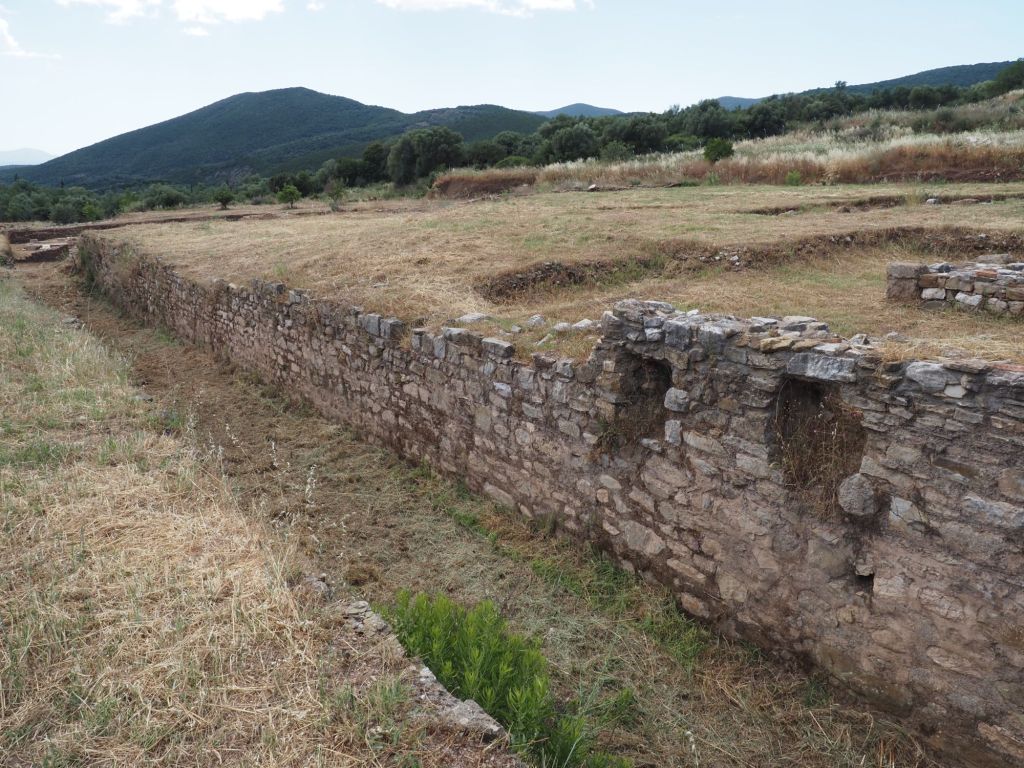
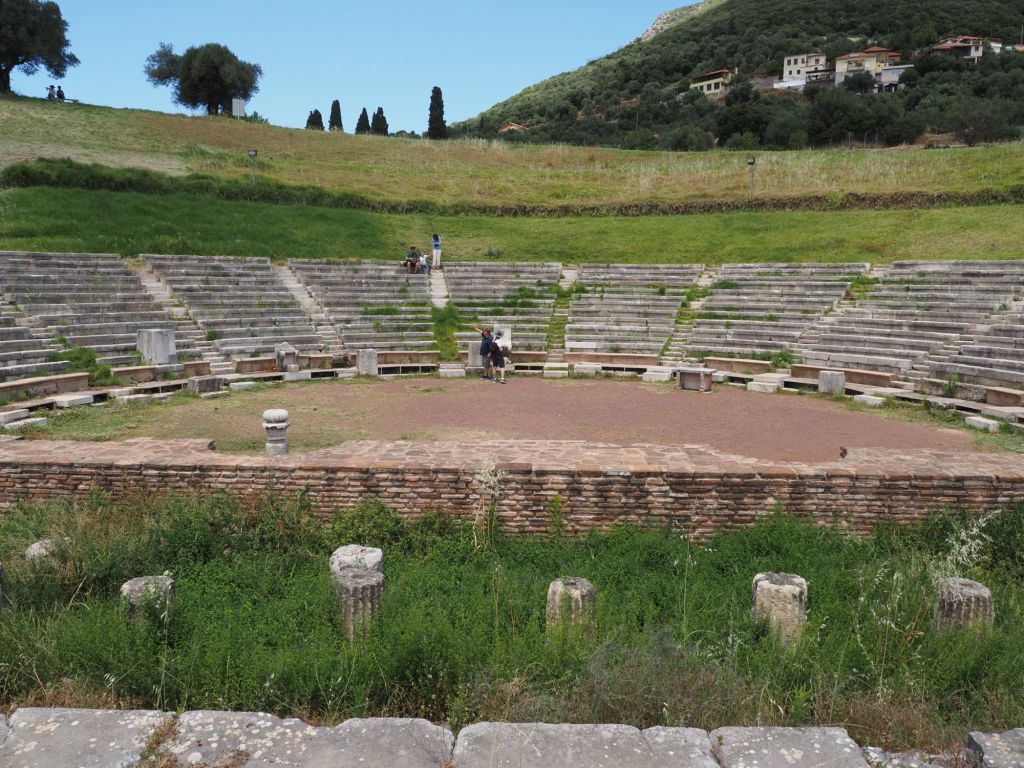
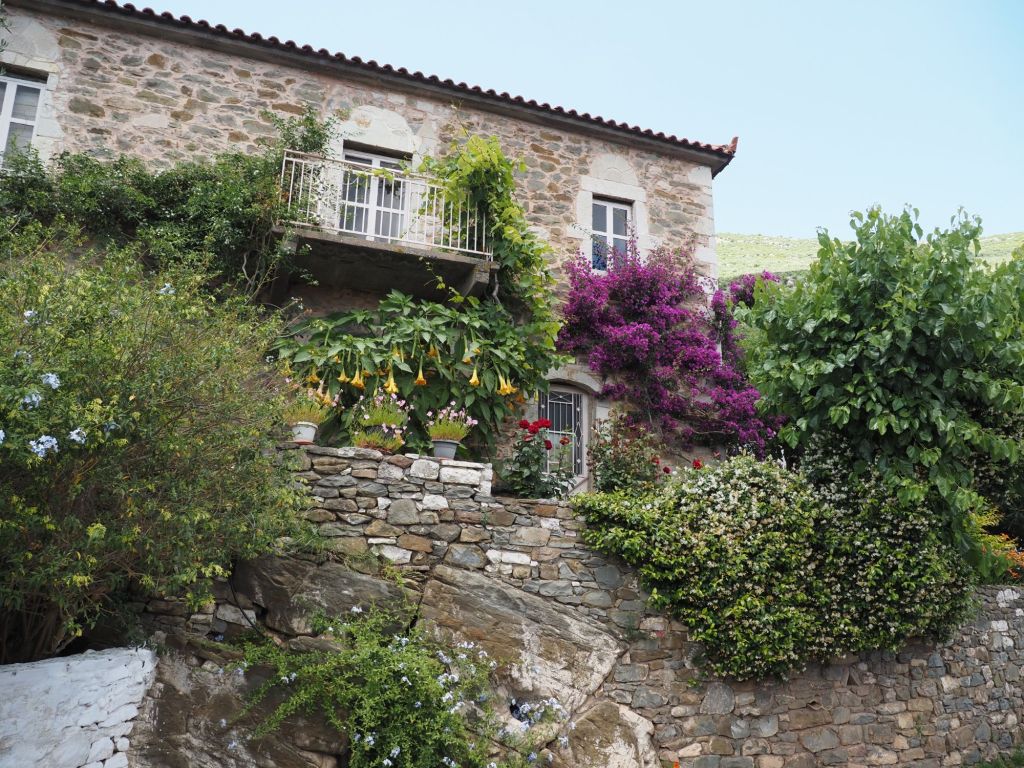
After the historic site, we made our way to the village above.
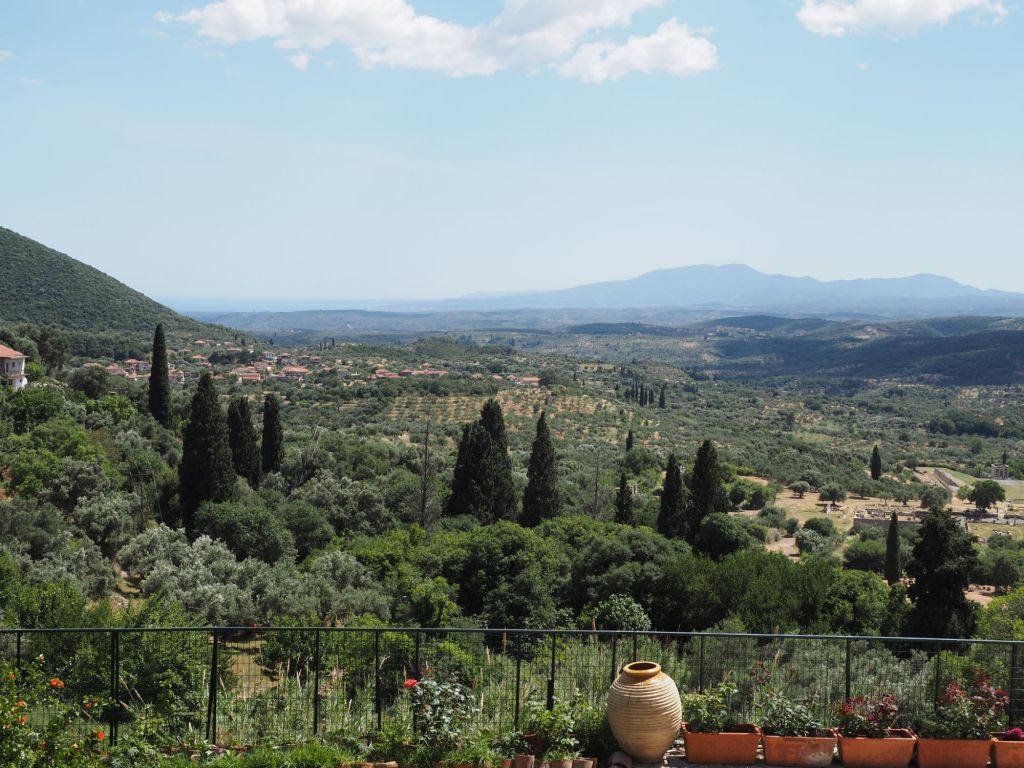
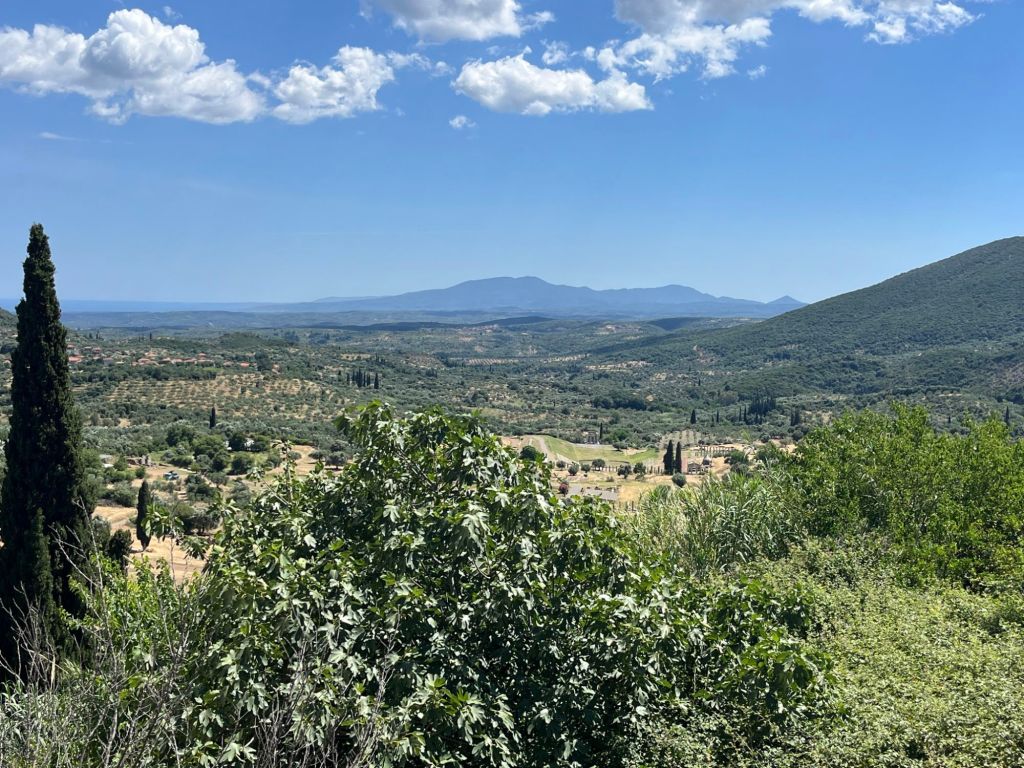
The owner was understandably proud of the views and the food.
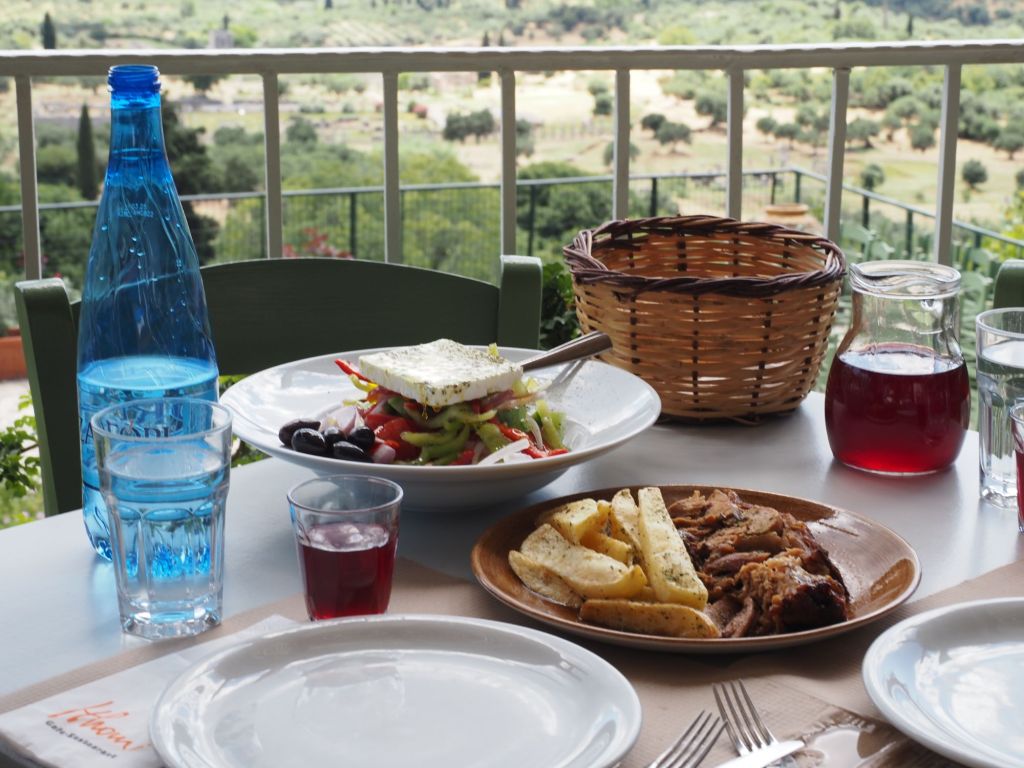
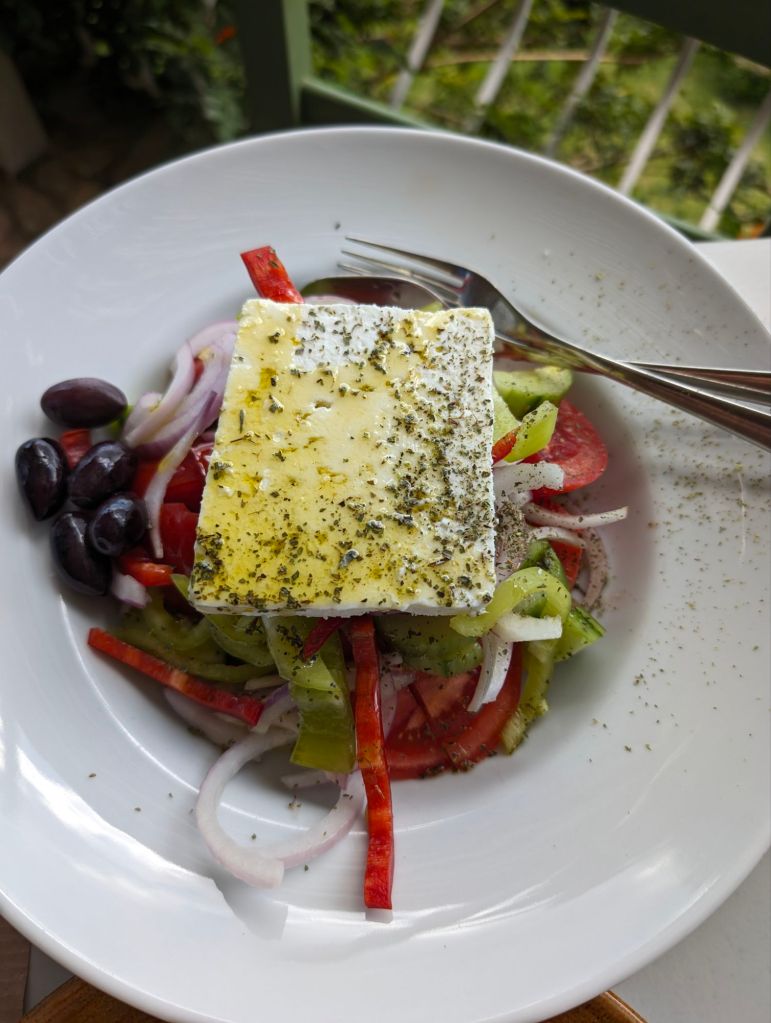
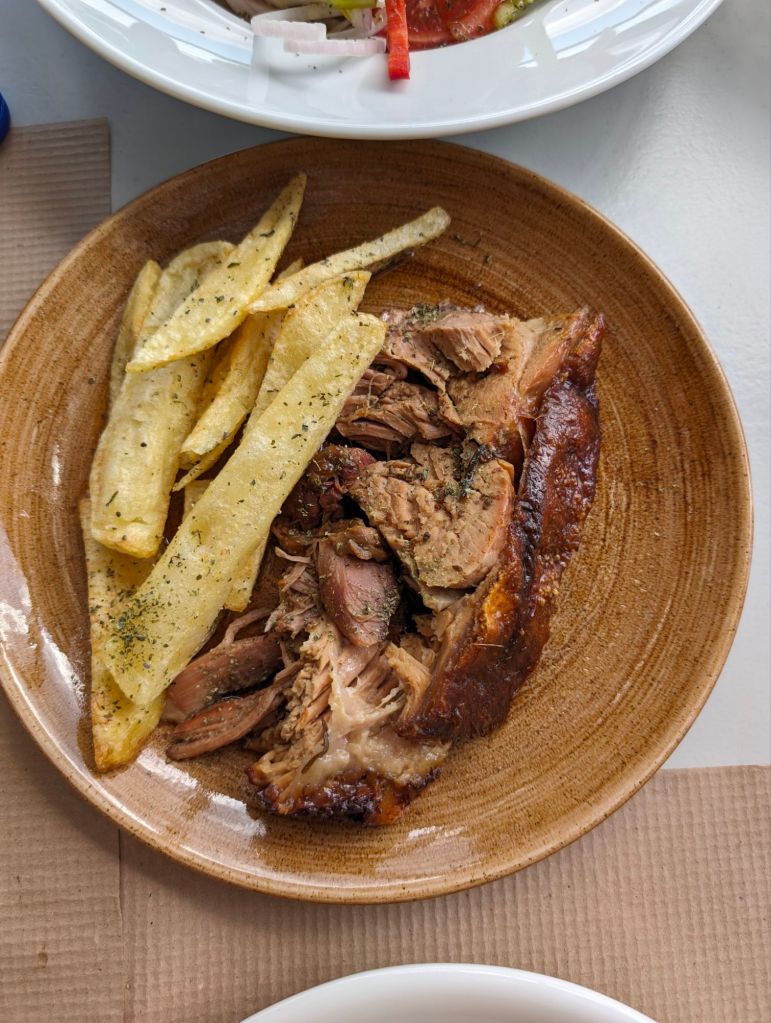
After lunch, we drove, carefully, through the mountains to Pylos.


Leave a Reply