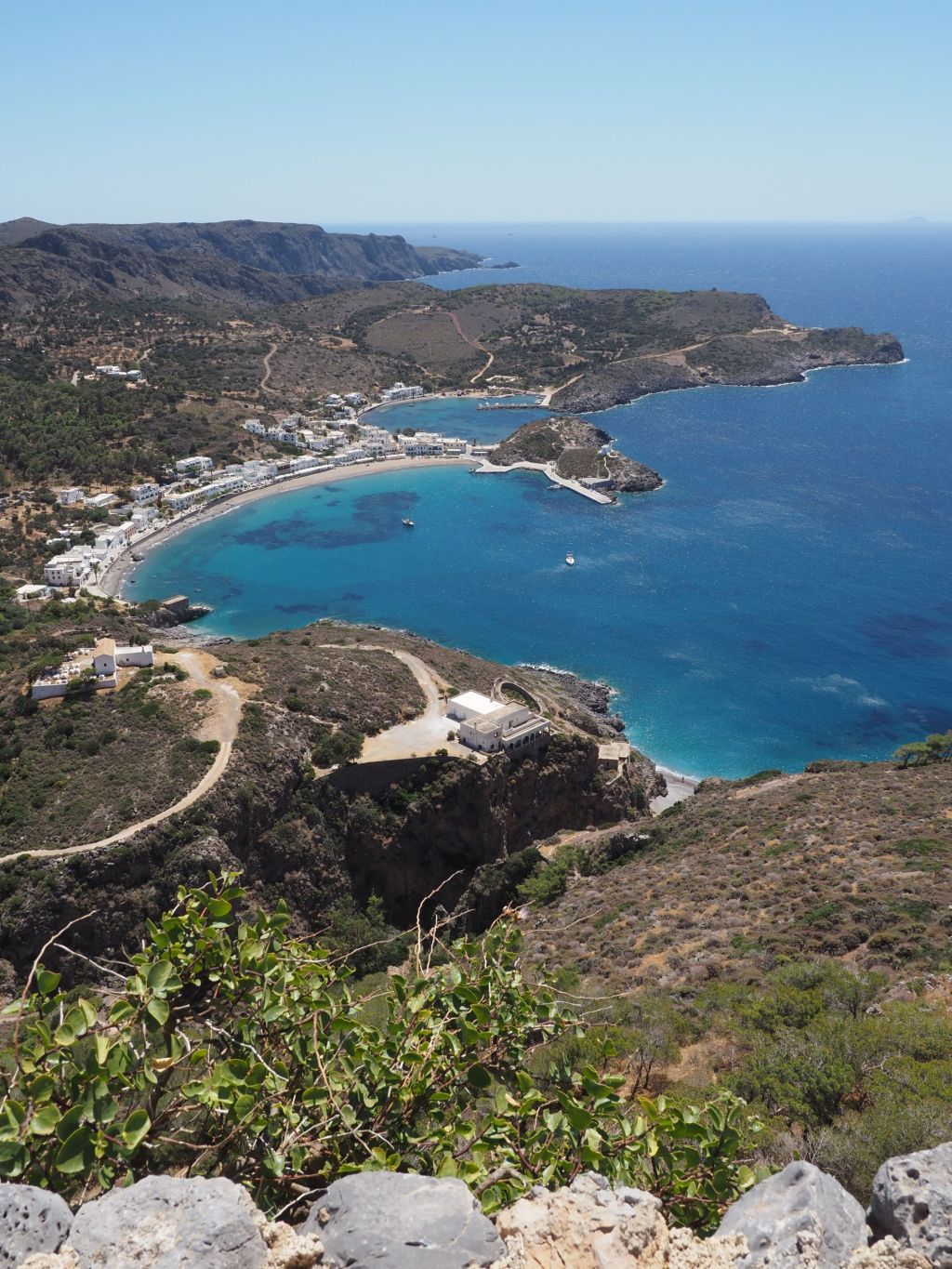
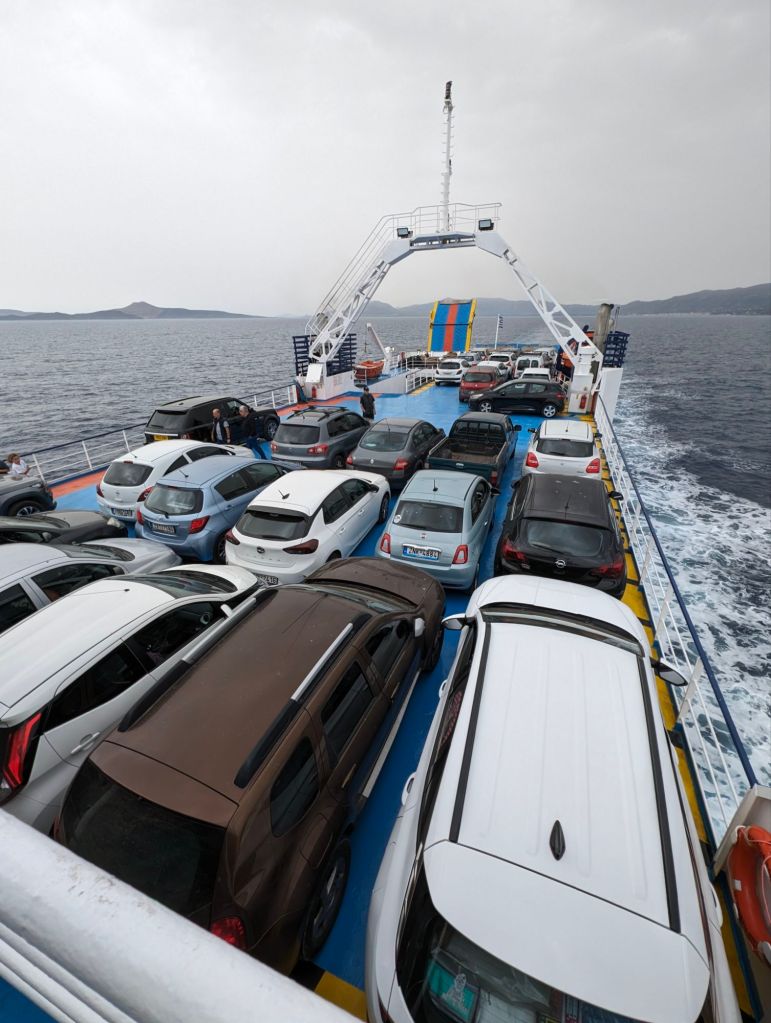
This was the ferry from Neopoli to Diakofti, Kythira. That’s our rented white Opel Corsa, centre frame.
Driving in Greece, with its super narrow streets, is quite the experience. Once you know your car, you slow down and stay right in the tight spots, and just marvel at the Greek drivers, young and old, as they drive by. If they have a few inches on either side, they won’t even touch the brakes. If it’s too tight they will slow down, which means you need to move over just a bit more. And if there’s no chance you can pass, everyone hits the brakes and they know exactly what to do. Watch their body language to know who needs to back up. This happened several times on Kythira.
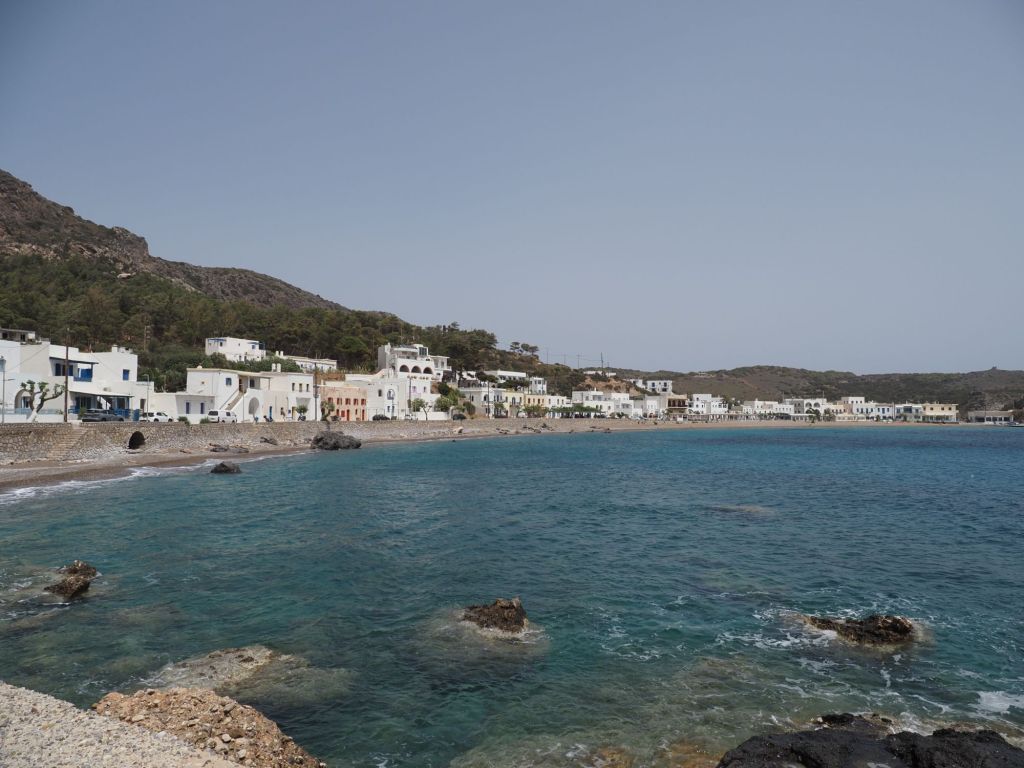
We liked the idea that Kythira is one of the most genuine of the Greek islands. Our first destination, Kapsali, is a beach town about 2 km (and 9 switchbacks) down the hill from the town of Kythira – the island’s capital. (Locals refer to the town of Kythira as Chora, the term for capital. There are lots of Choras in Greece.)
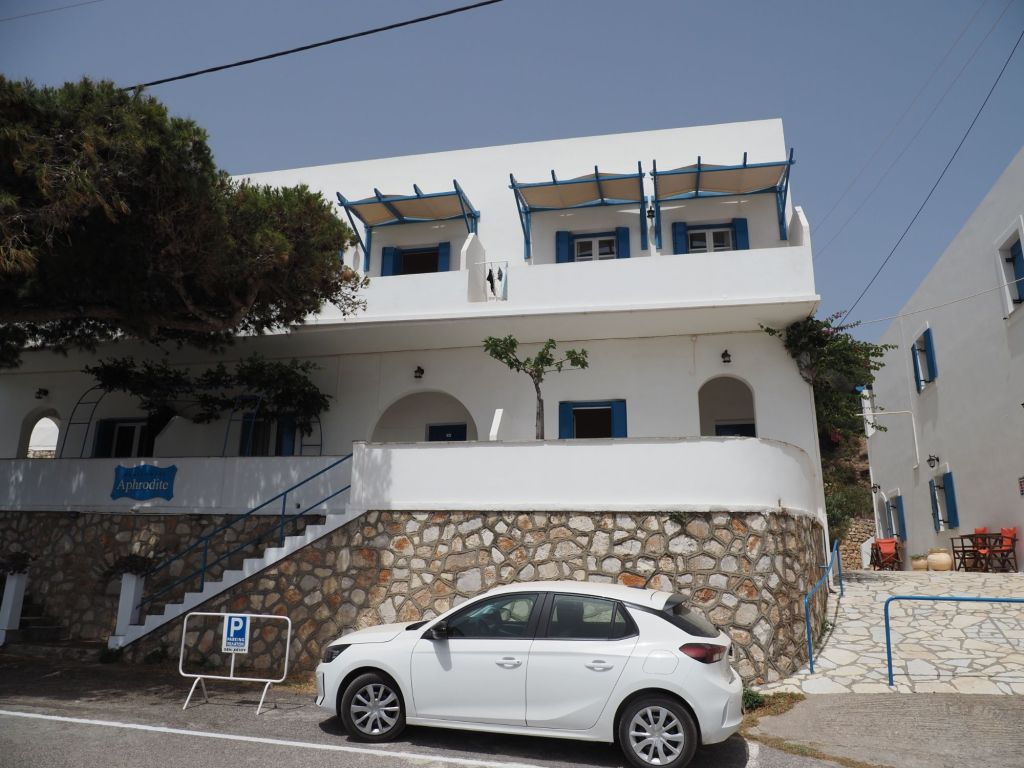
We arrived at the Hotel Aphrodite and had a nice chat with Ioannis, the owner. As expected, he had rooms available so we got a two bedroom plus kitchen apartment for a very reasonable rate. Here is the view from the balcony.
The colours in these photos and videos aren’t vibrant – the air is full of North African sand again. Seems it’s difficult to escape global warming wherever you are.
After a nice swim at “our” beach, we took a short walk to get oriented, and then grabbed a light dinner at Magos, the waterfront taverna that Ioannis recommended for seafood.
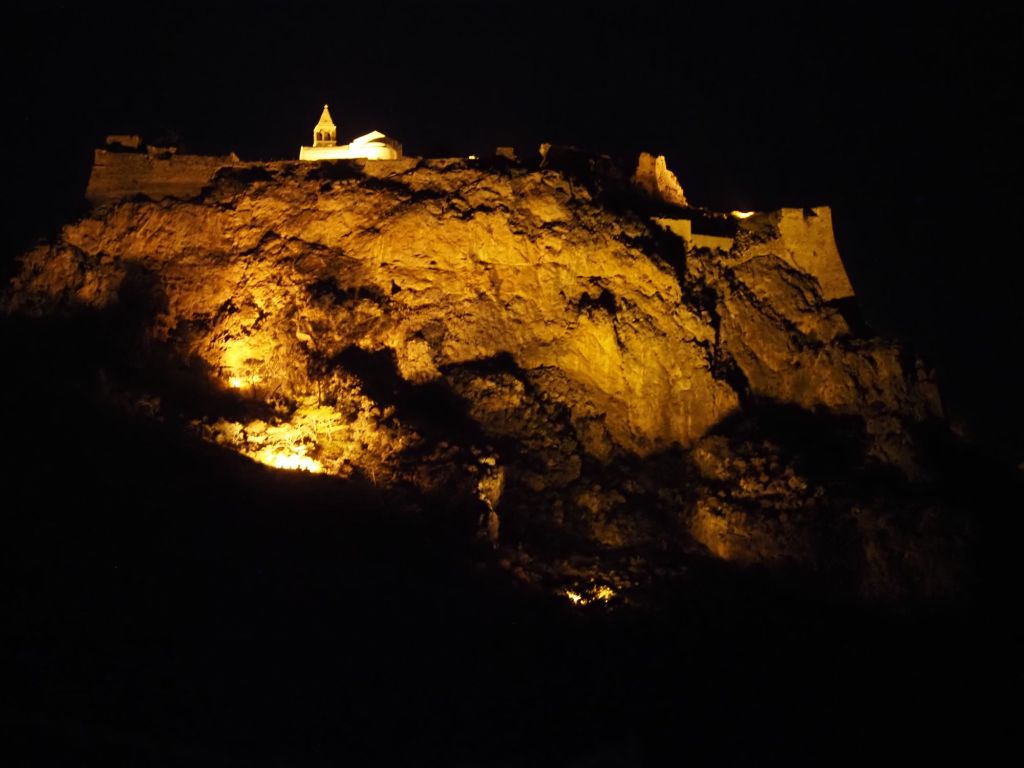
Here is a cropped photo of the Castle of Chora Kythira from our balcony. We love how the Greeks light up their castles at night.
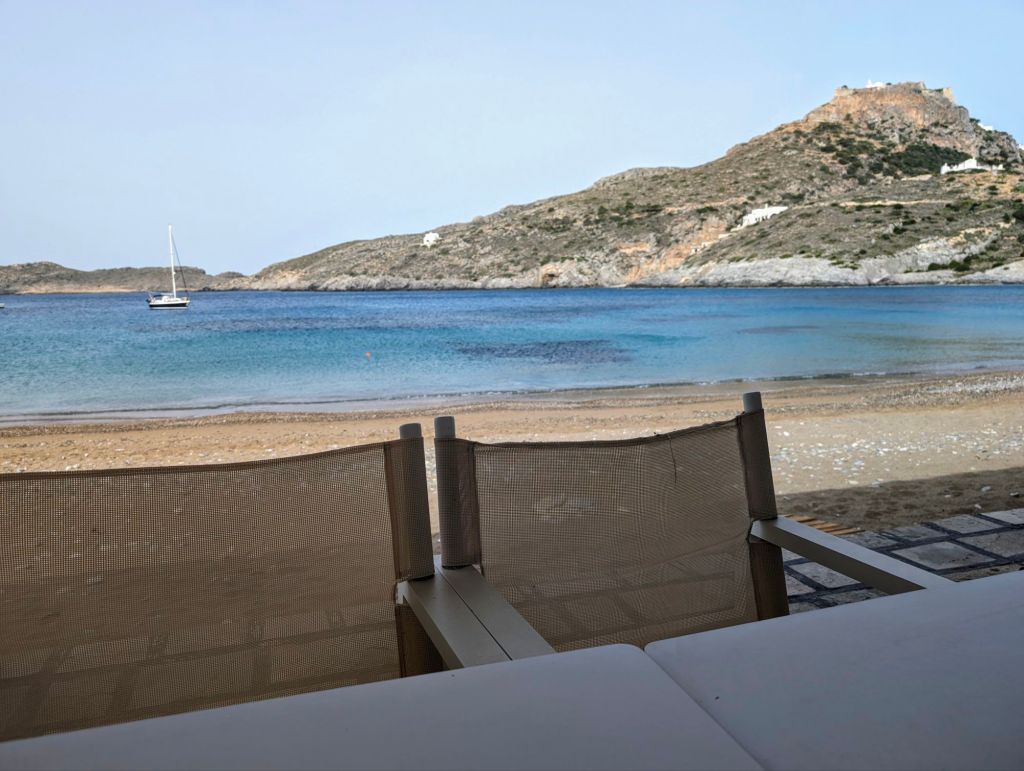
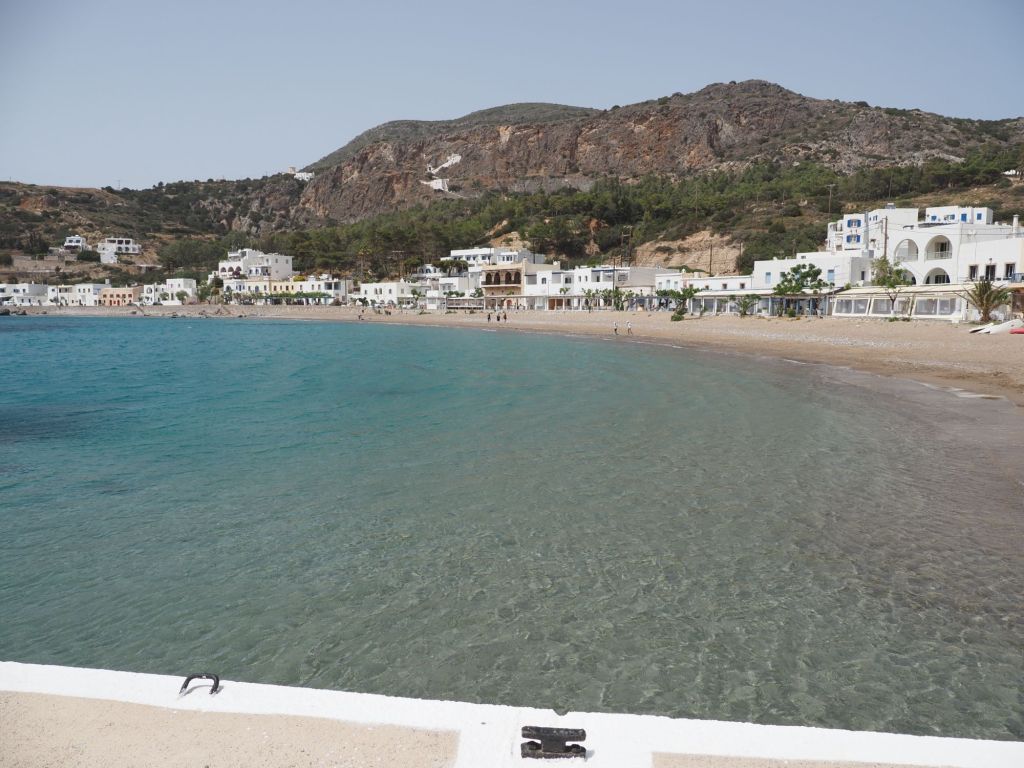
The following day we had our morning coffees and a bite to eat at Votsalo, a beachside cafe just below our hotel. You can see the castle in the background.
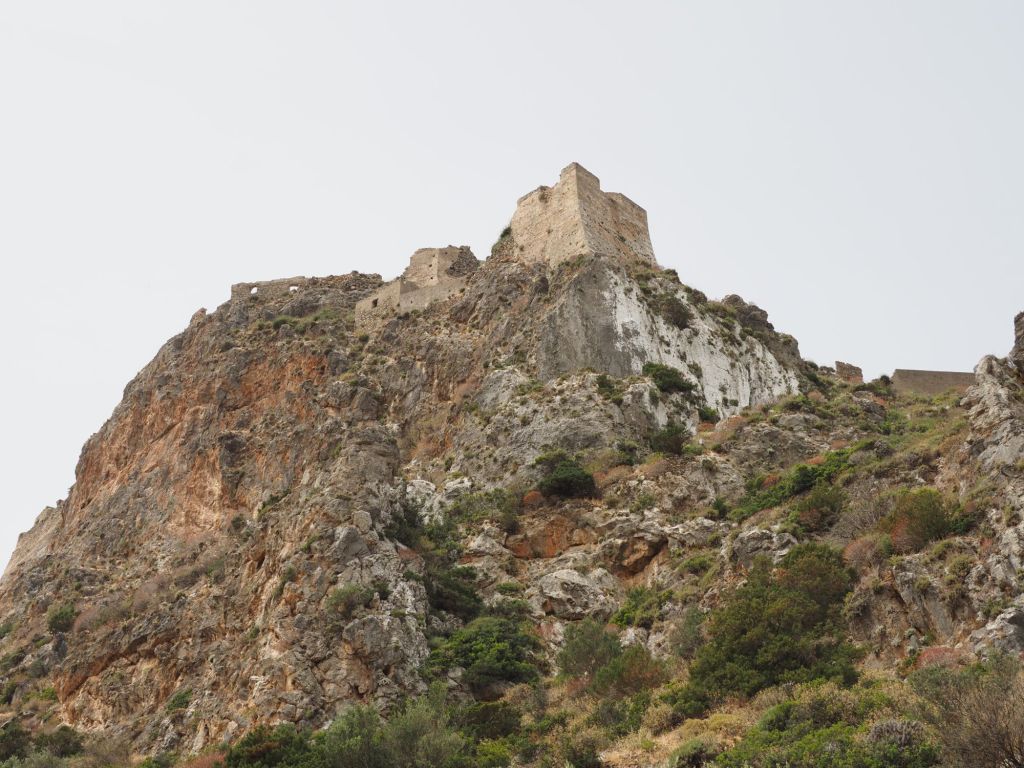
After breakfast, we hiked to the castle. Despite the dusty skies, it was well worth the effort.
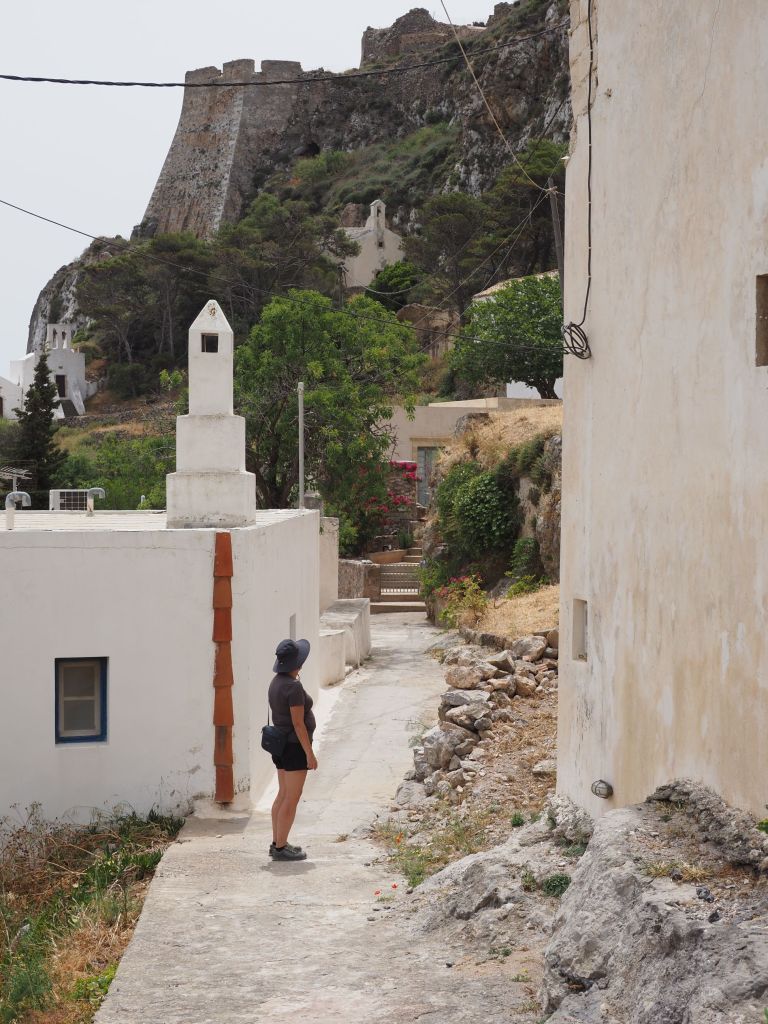
We passed several small churches along the way.
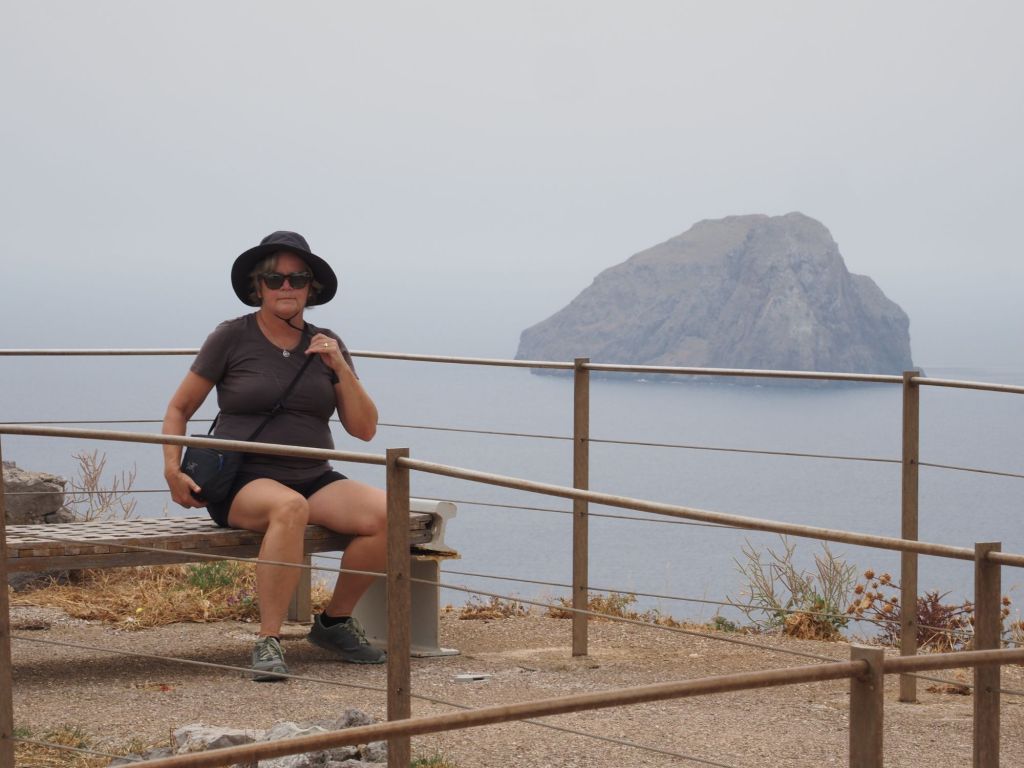
The skies were so dusty we could barely see Xytra in the background, but the views were still nice.
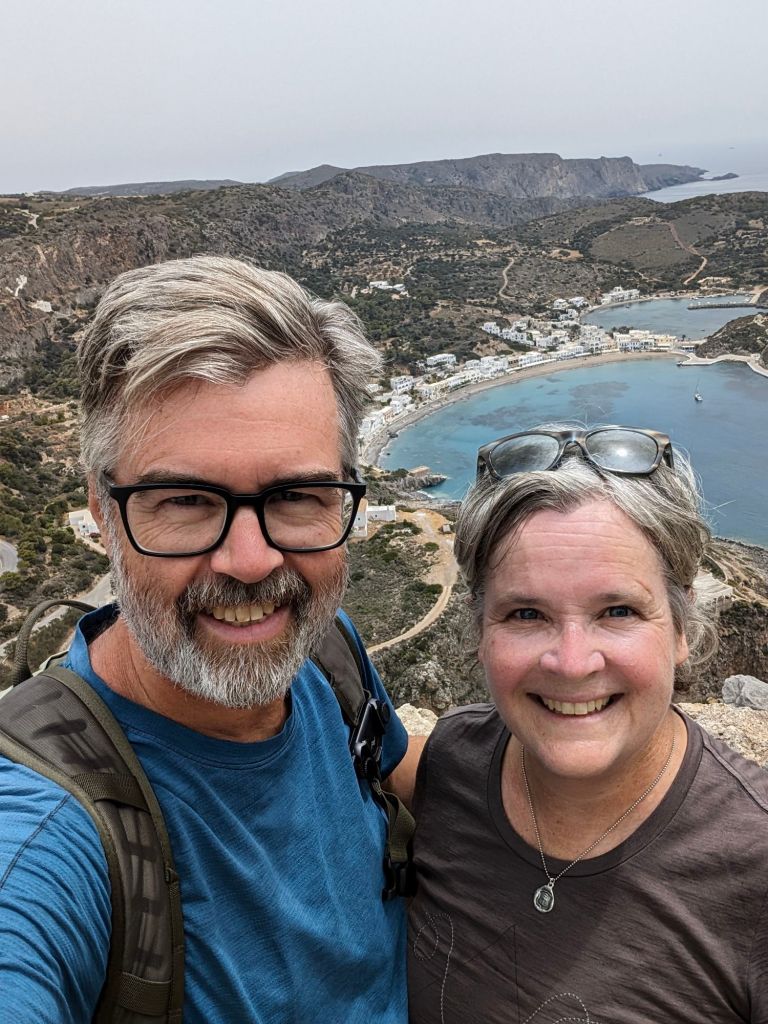
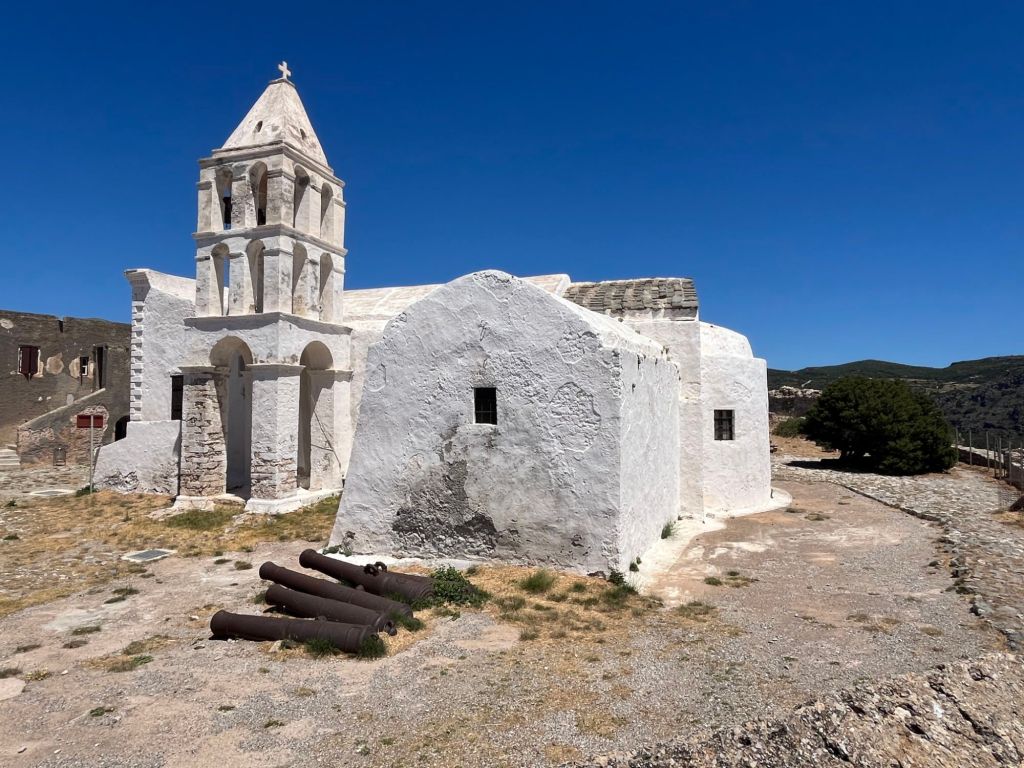
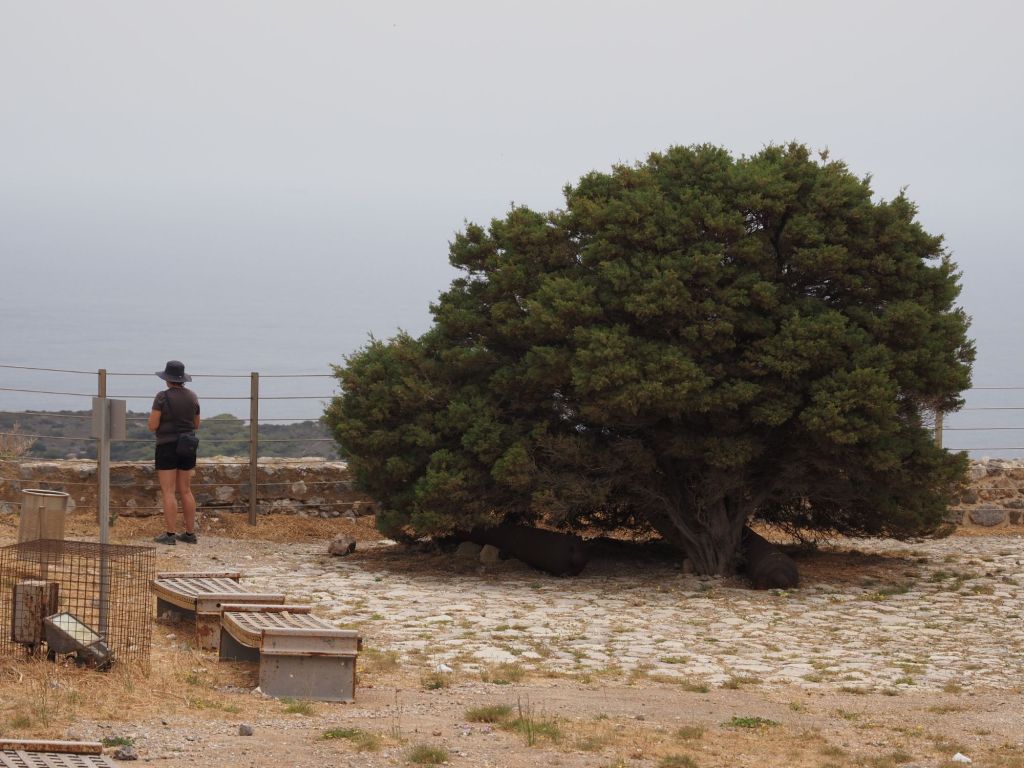
The centre of Chora is just outside the castle walls.
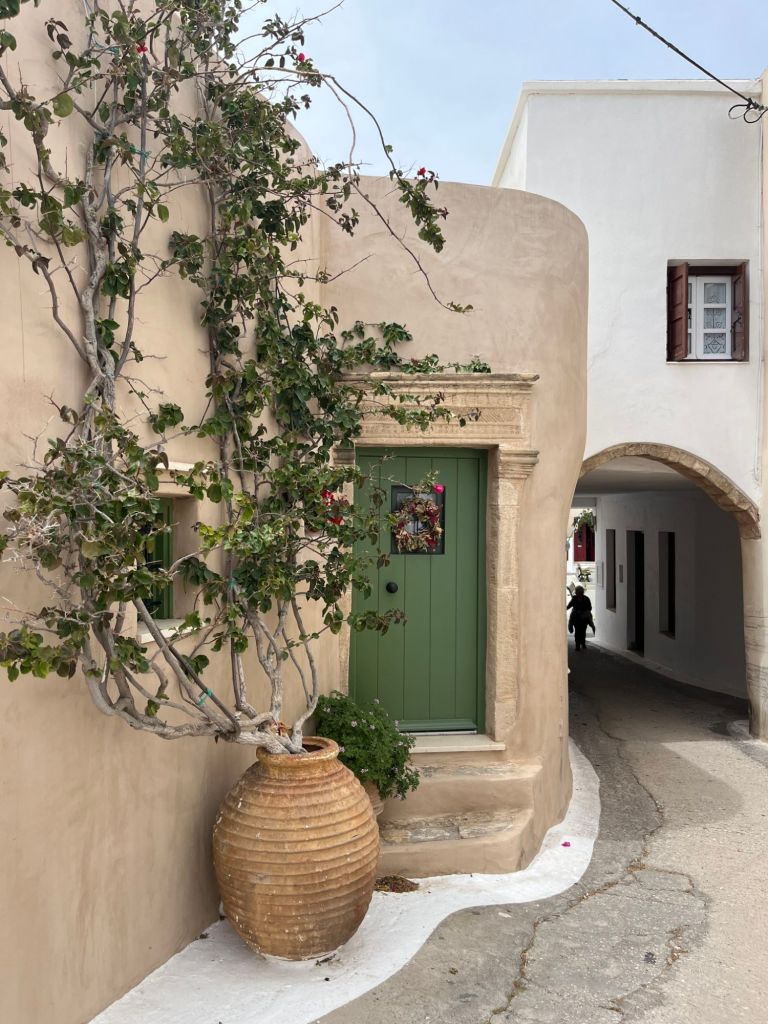
We were a bit thirsty, so we stopped at this bar, Nootoz, and took a seat.
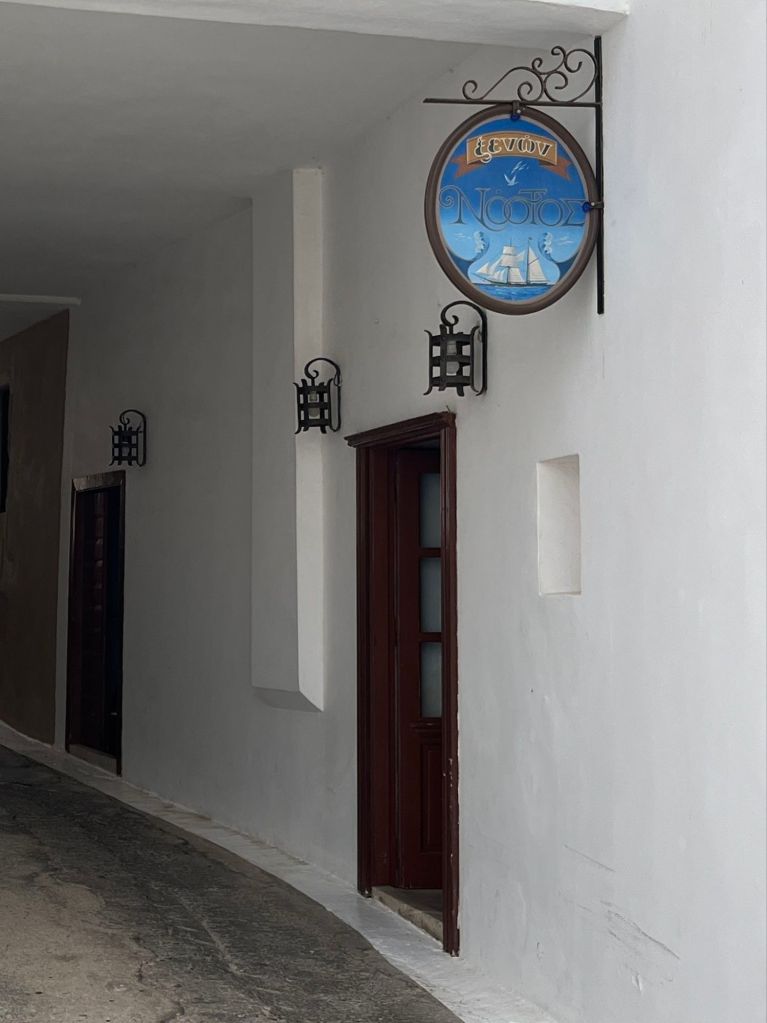
They didn’t serve wine there, so we asked the bartender what local drink she recommended.
She suggested Faturada, which is a Kythira specialty made from tsipouro (Greek grappa), cinnamon and cloves. We had already tried Faturada – Ioannis had kindly given us a small bottle of his own the night before.
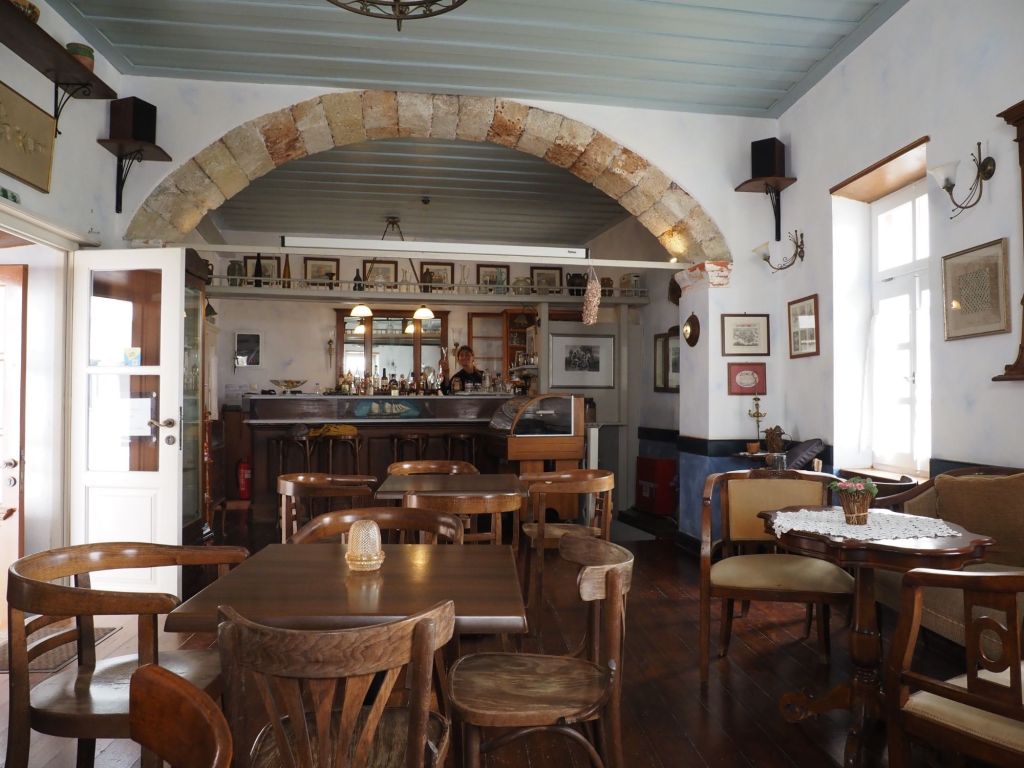
Our bartender was passionate about their Faturada and served it the way she prefers, with plenty of oil squeezed from orange zest, plus a big slice of orange. Delicious.
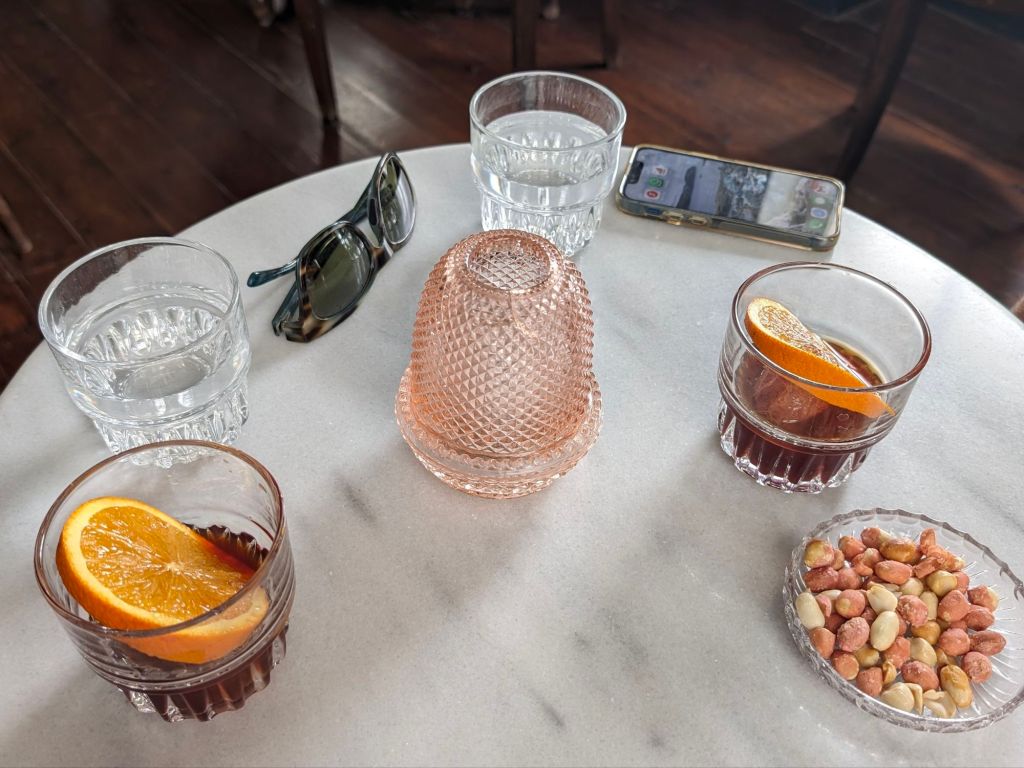
Ioannis’ faturada was excellent too. We like adding it to sparkling water. It makes a nice, refreshing drink.
On the way back to the hotel, we saw this tour bus navigating the switchbacks. These guys are amazing.
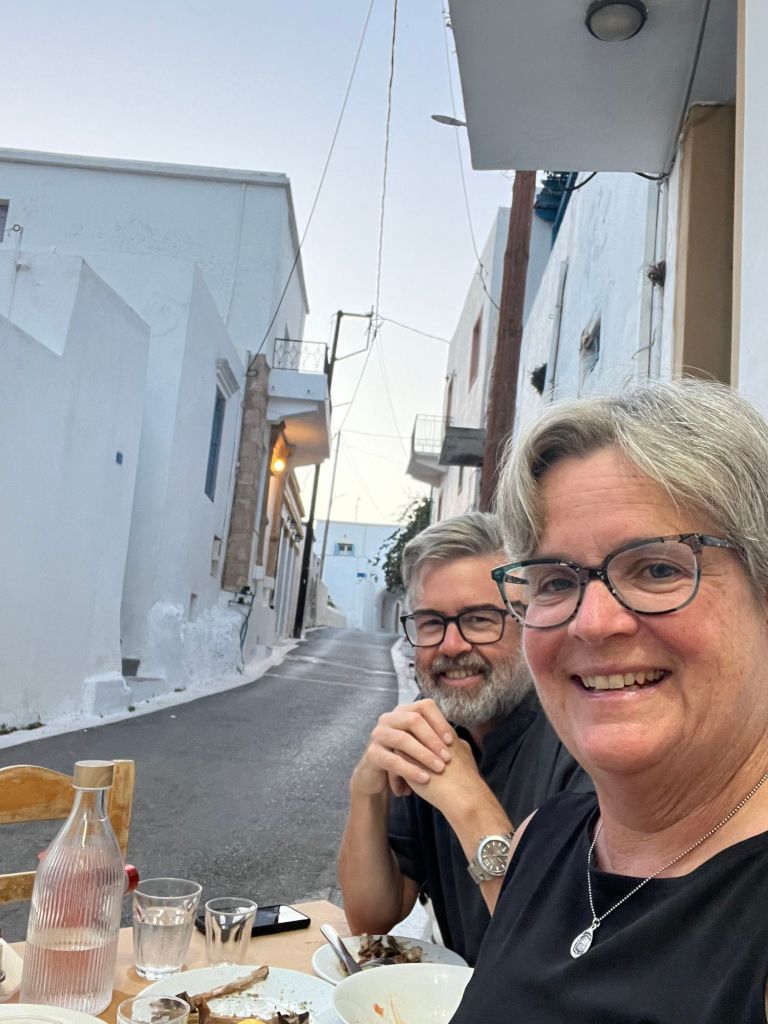
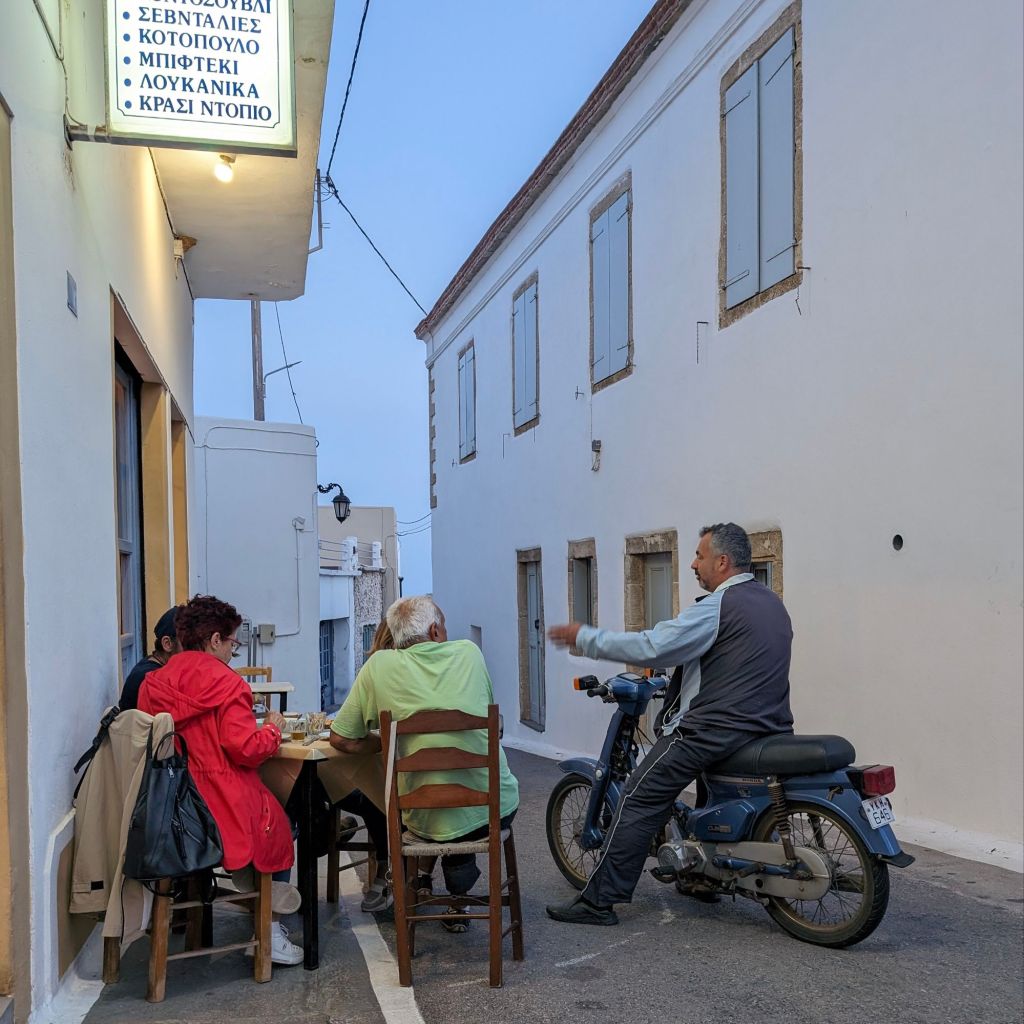
We returned to Chora for dinner that evening, taking a chance on a restaurant named Zorba’s that Ioannis recommended, but that had poor ratings on Google maps.
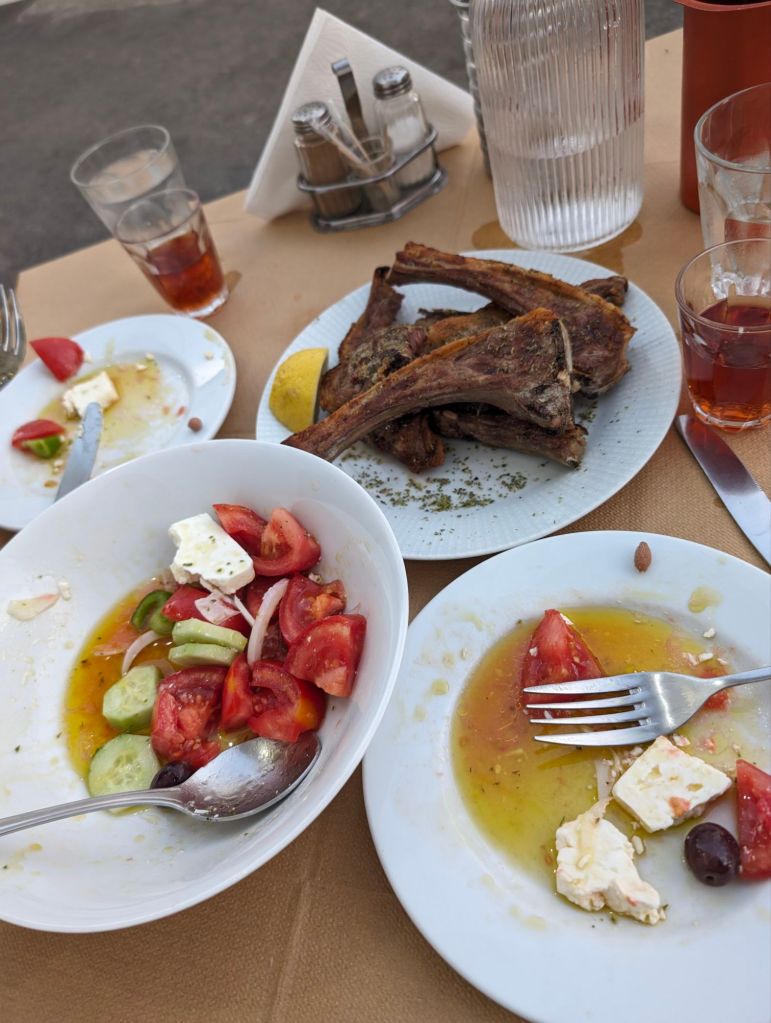
We love the way lamb chops are done in Greece – there is no attempt to remove any fat. At this restaurant, they were ridiculously good. And the salad was very good too.
Turns out the bad restaurant reviews were mainly from people whinging about not being able to bring their pets. We think it’s an unreasonable complaint given you are eating in the middle of a street. It’s important to read those reviews!
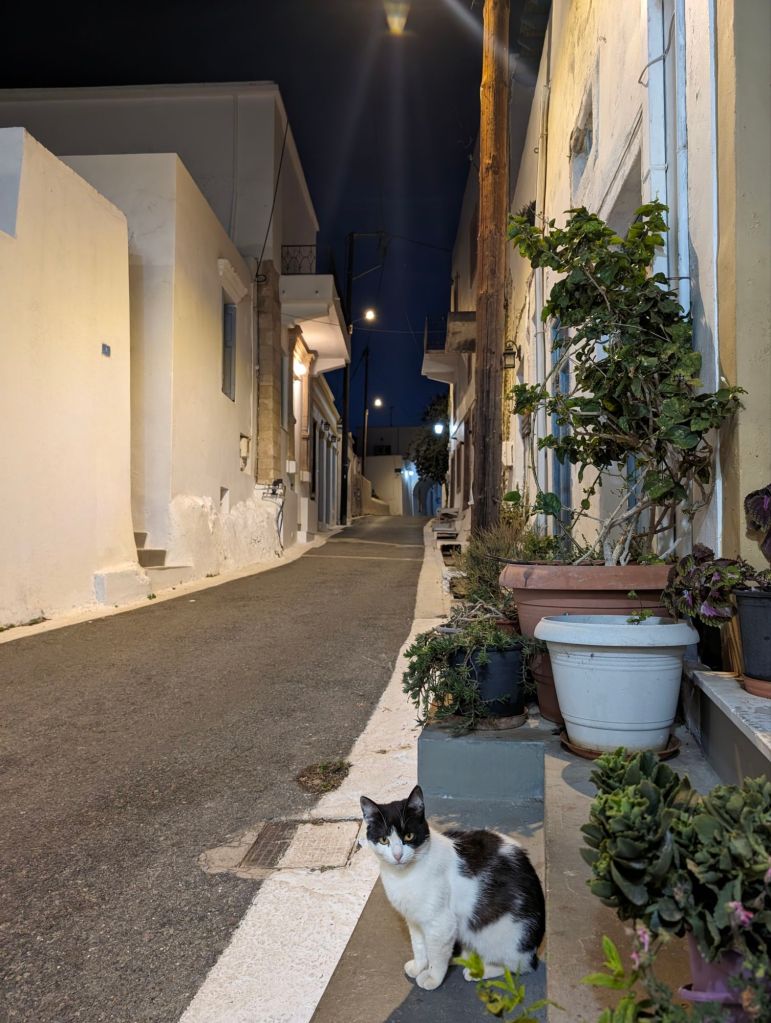
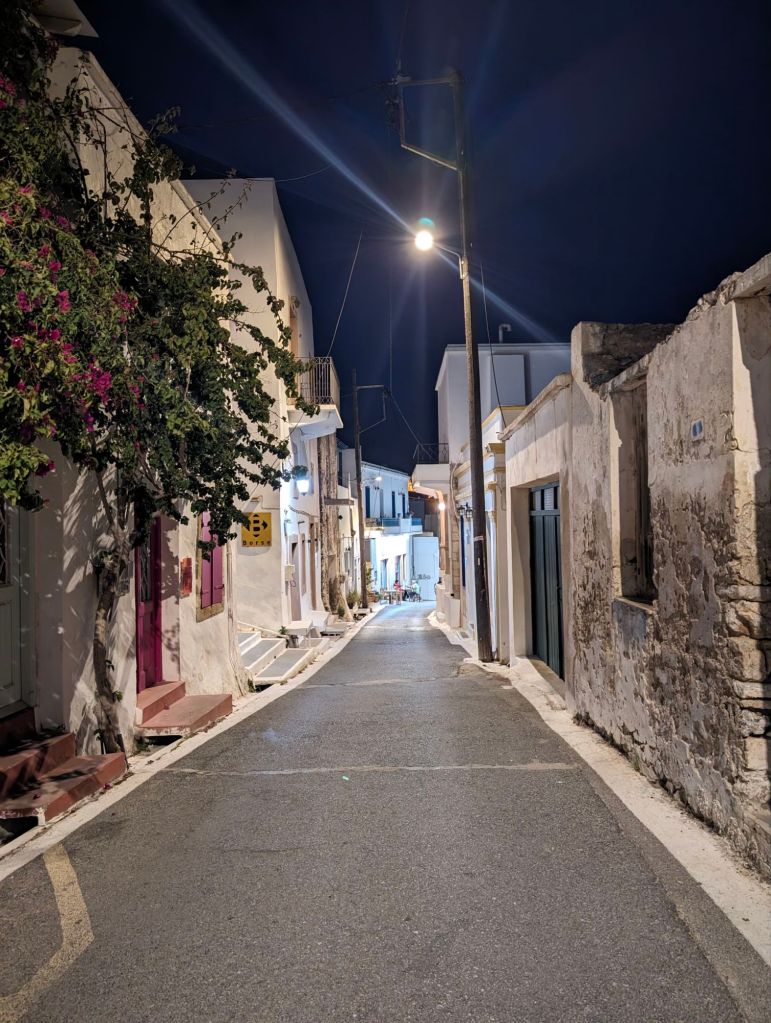
Next day we had breakfast at Fossa, in Chora, and then drove to the town of Milopotamos to check out the town and see the Neraida Waterfall.

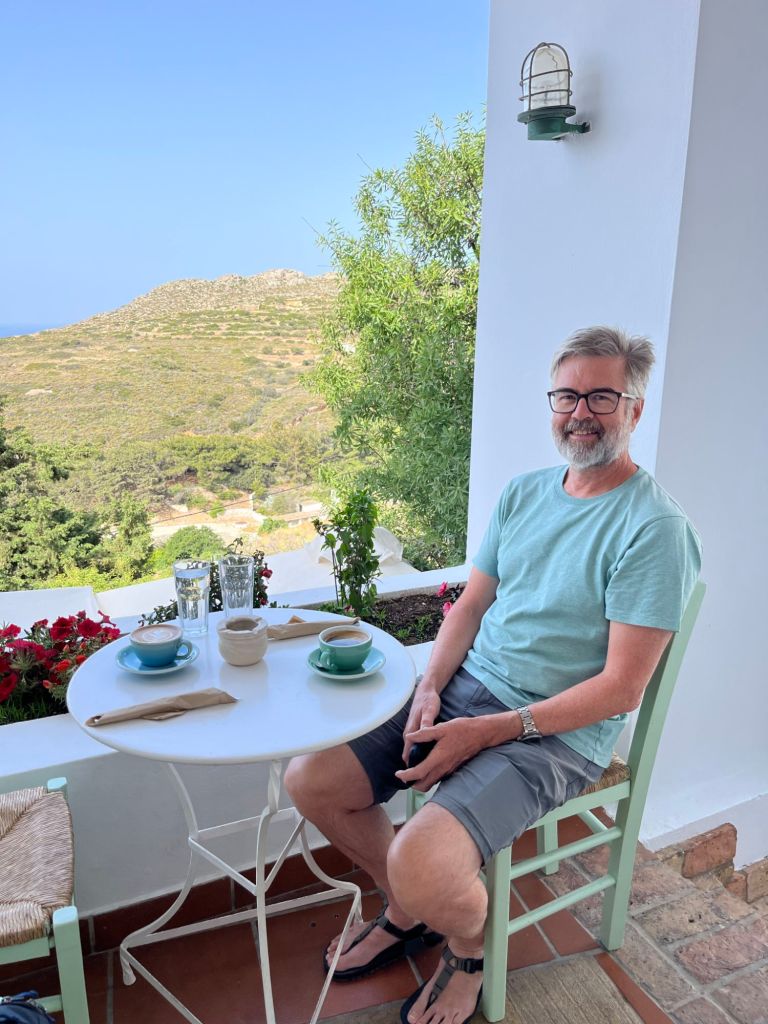
Milopotamos is very small.
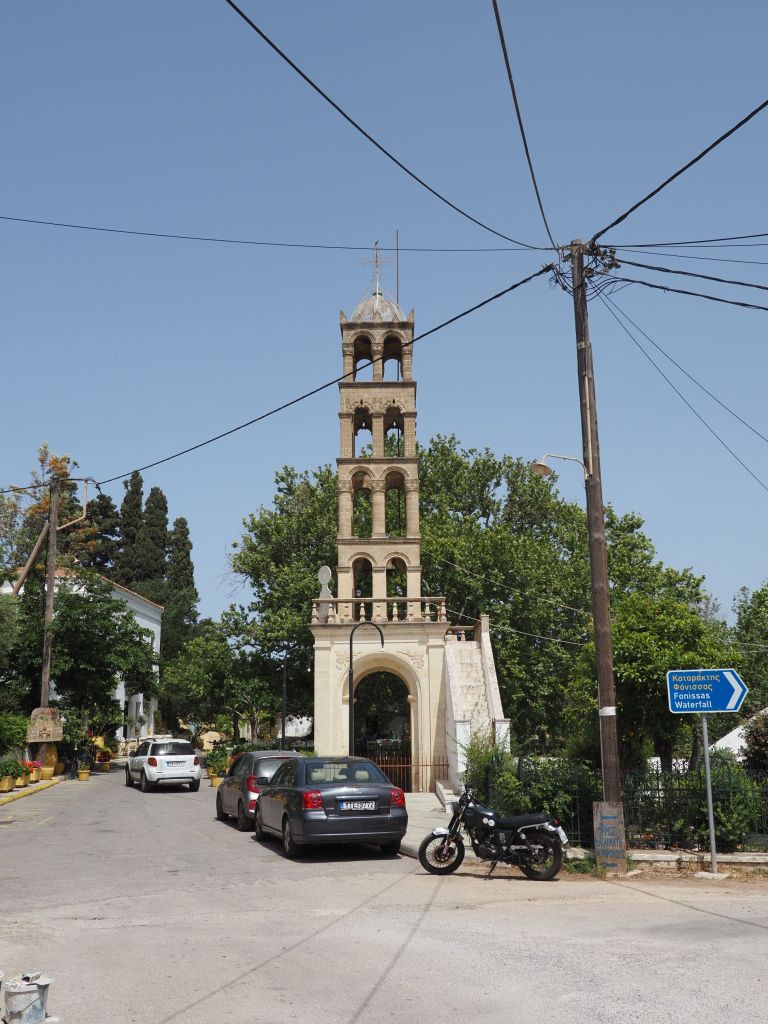
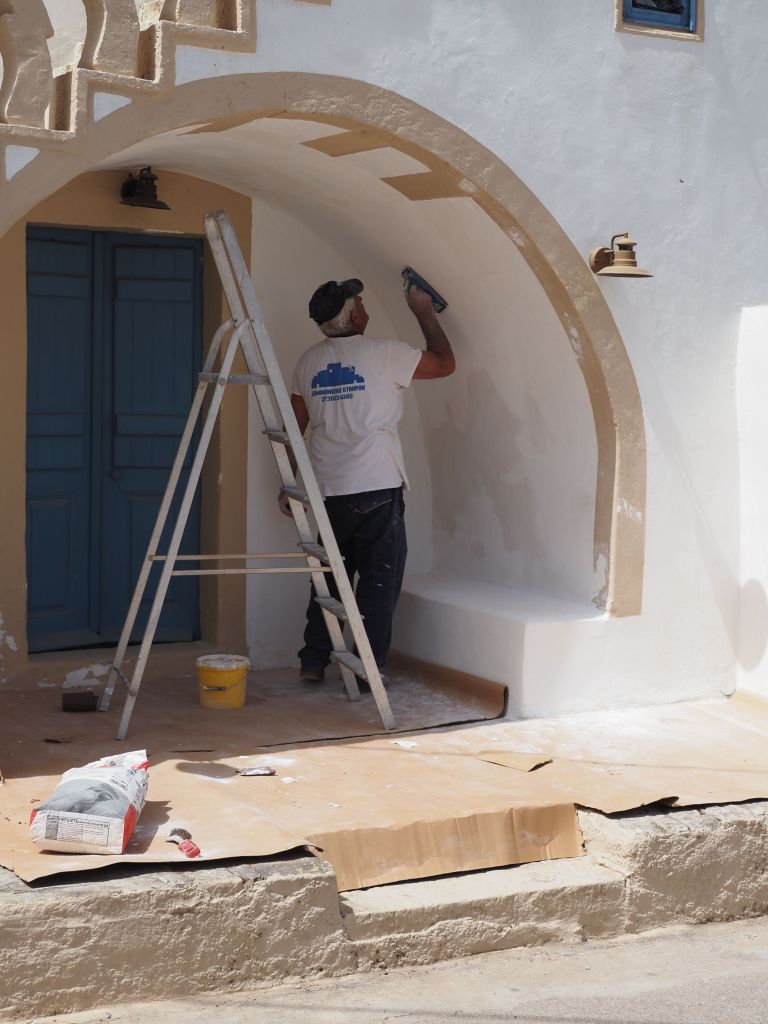
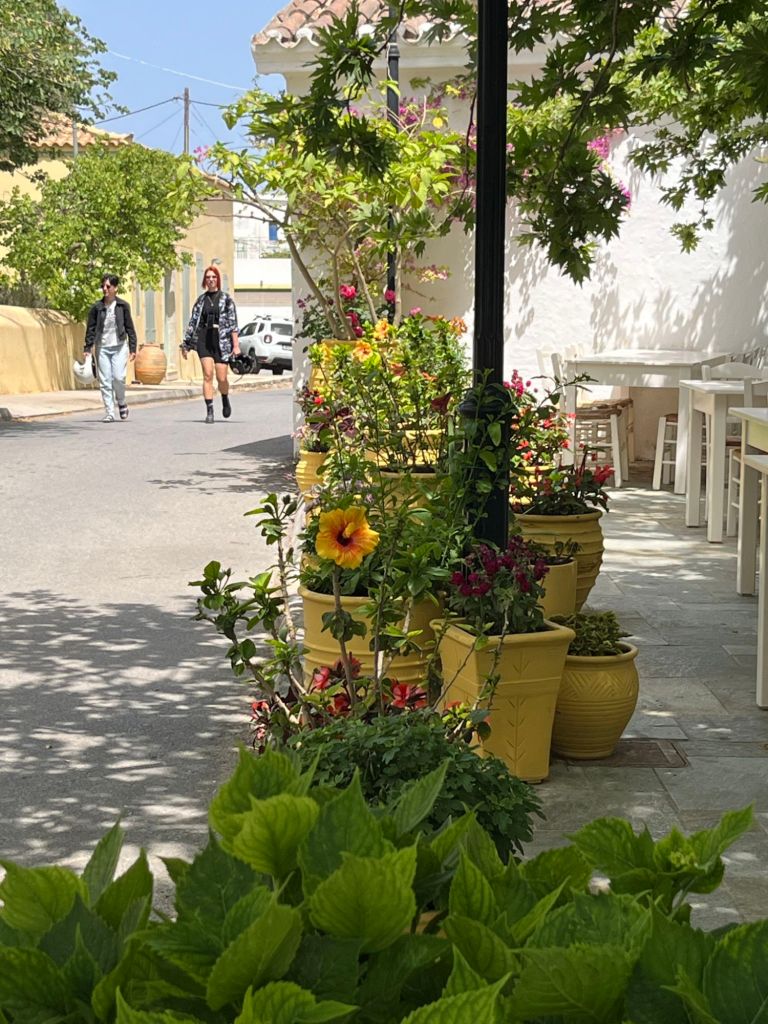
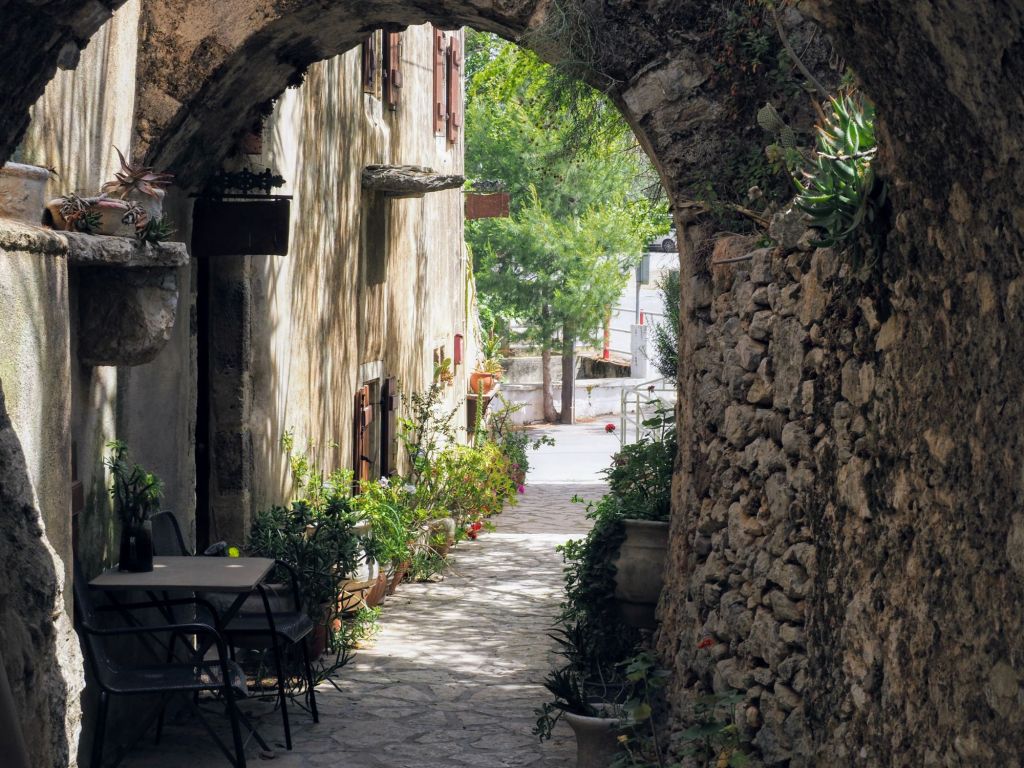
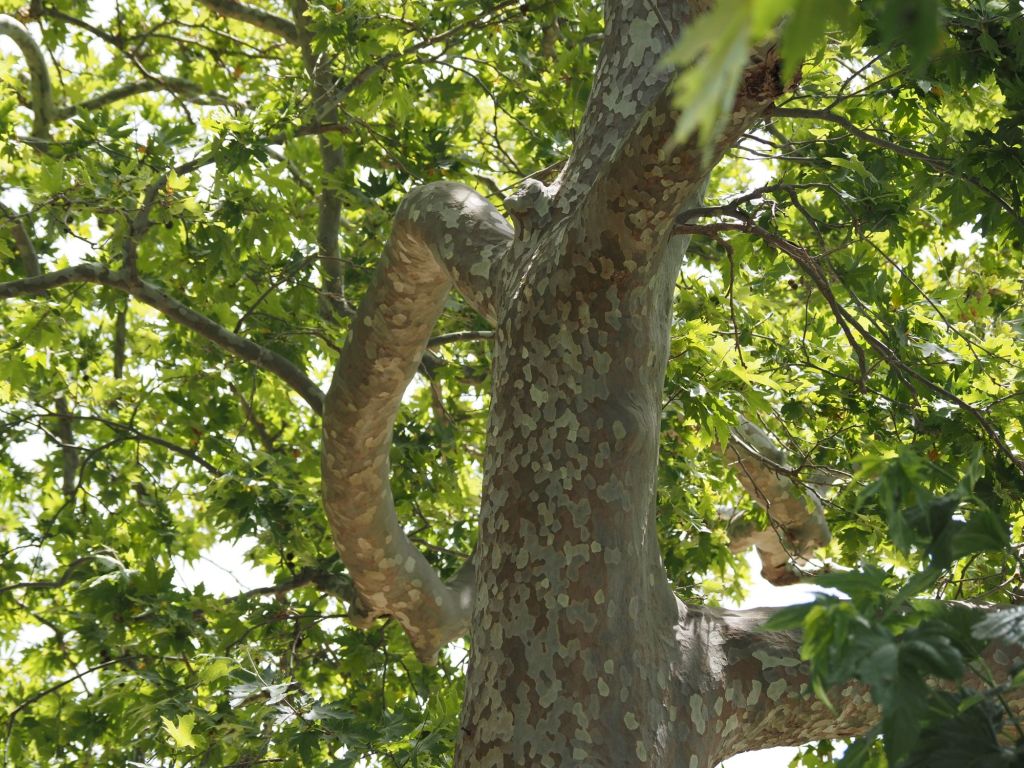

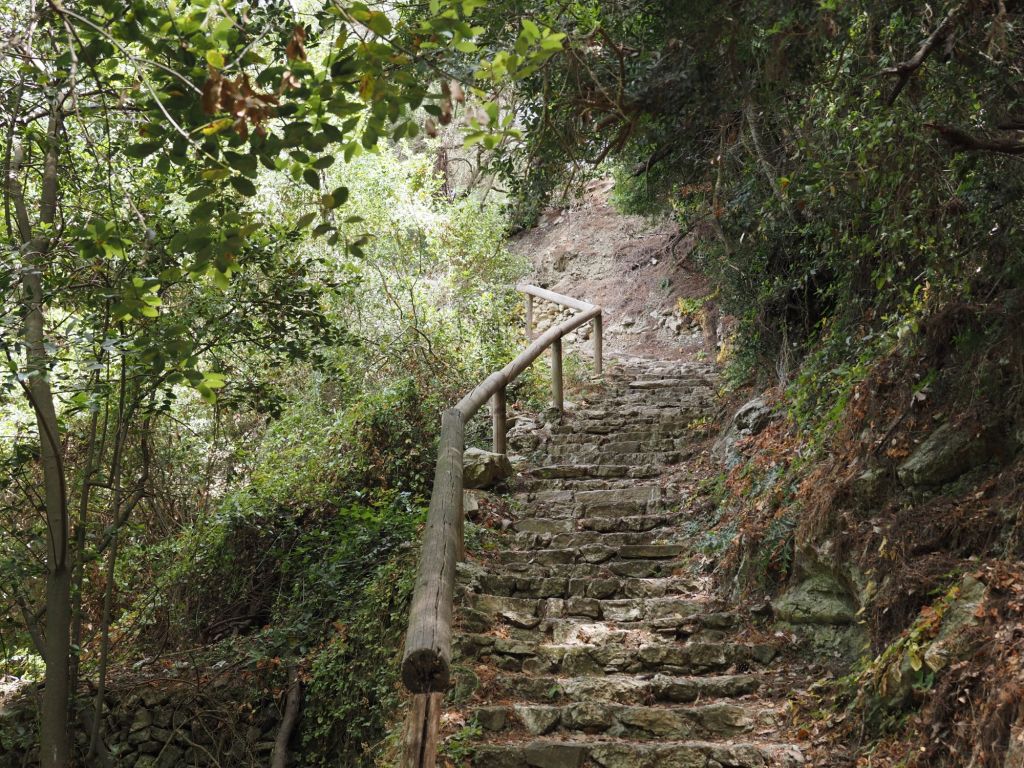
It has been incredibly dry for several years, so there was no running water at the falls, but the gorge is lush and green compared with the surroundings and well worth checking out. It must be incredible when the falls are active and the river runs through the gorge down to Kalami Beach.
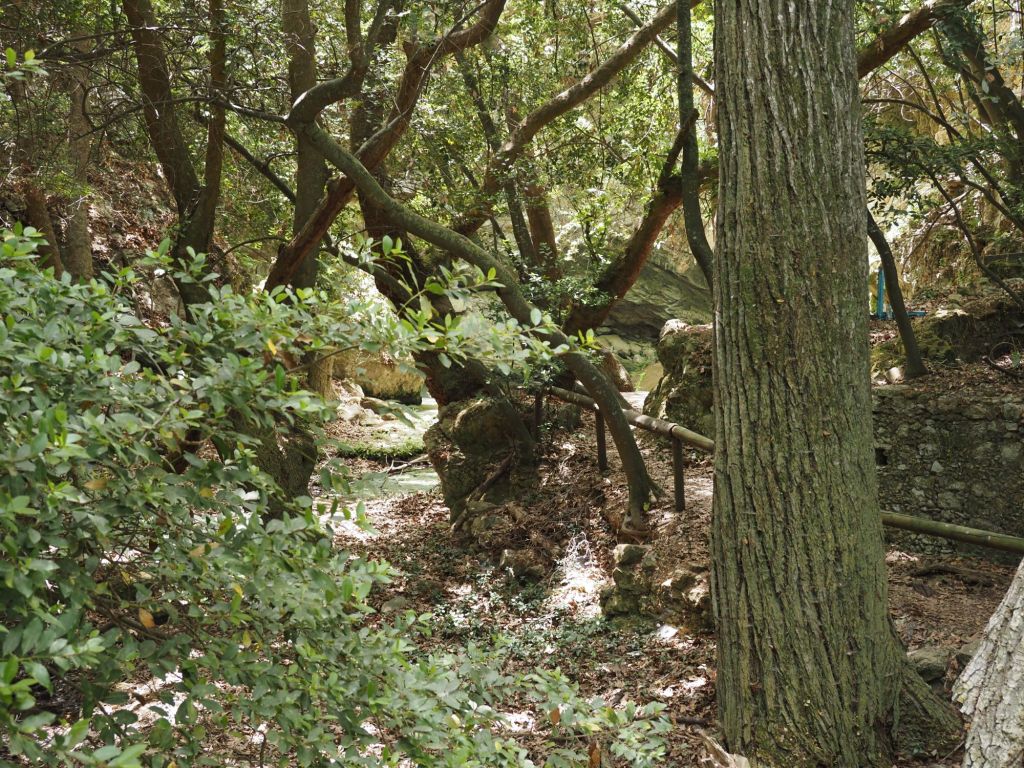
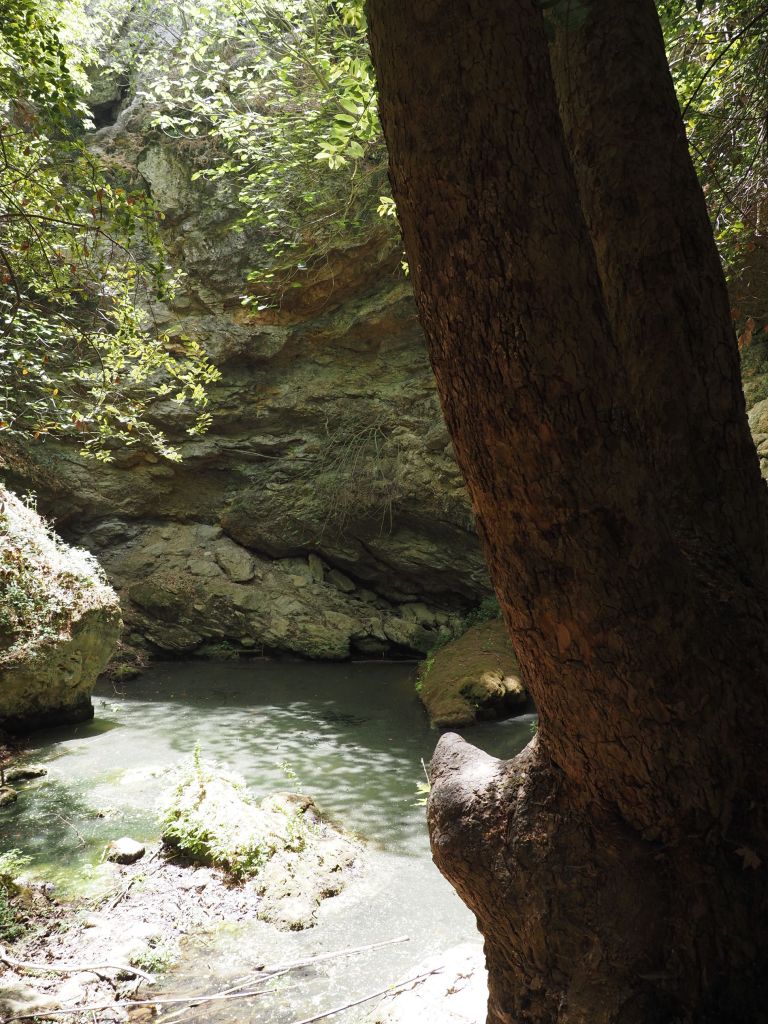
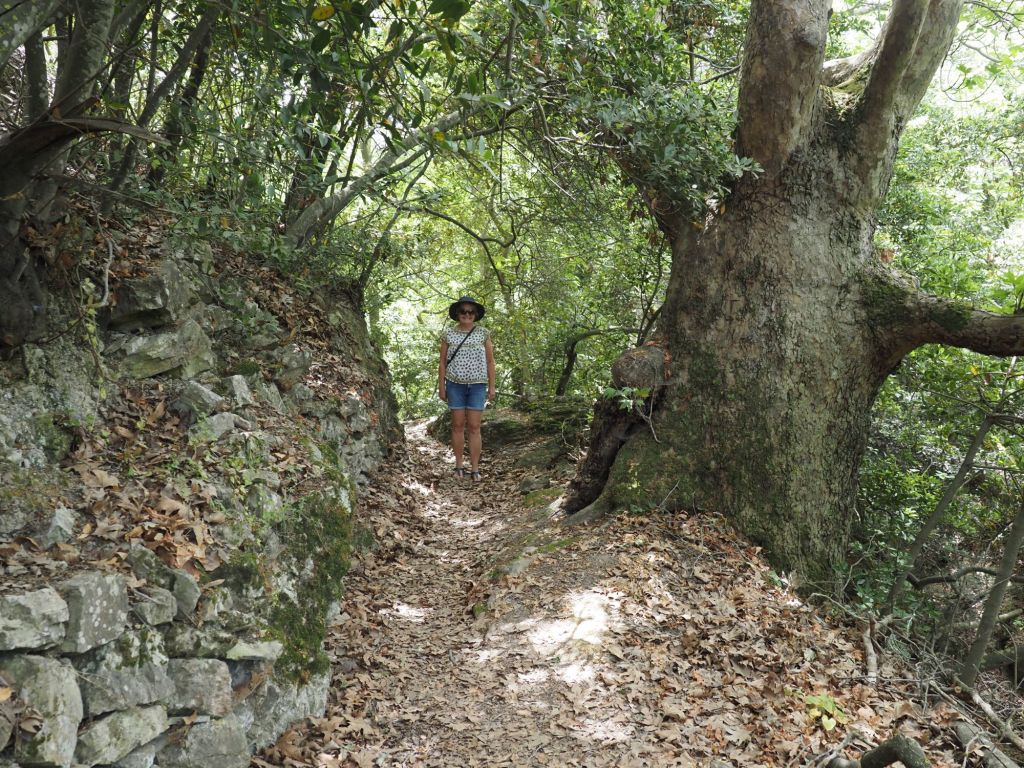
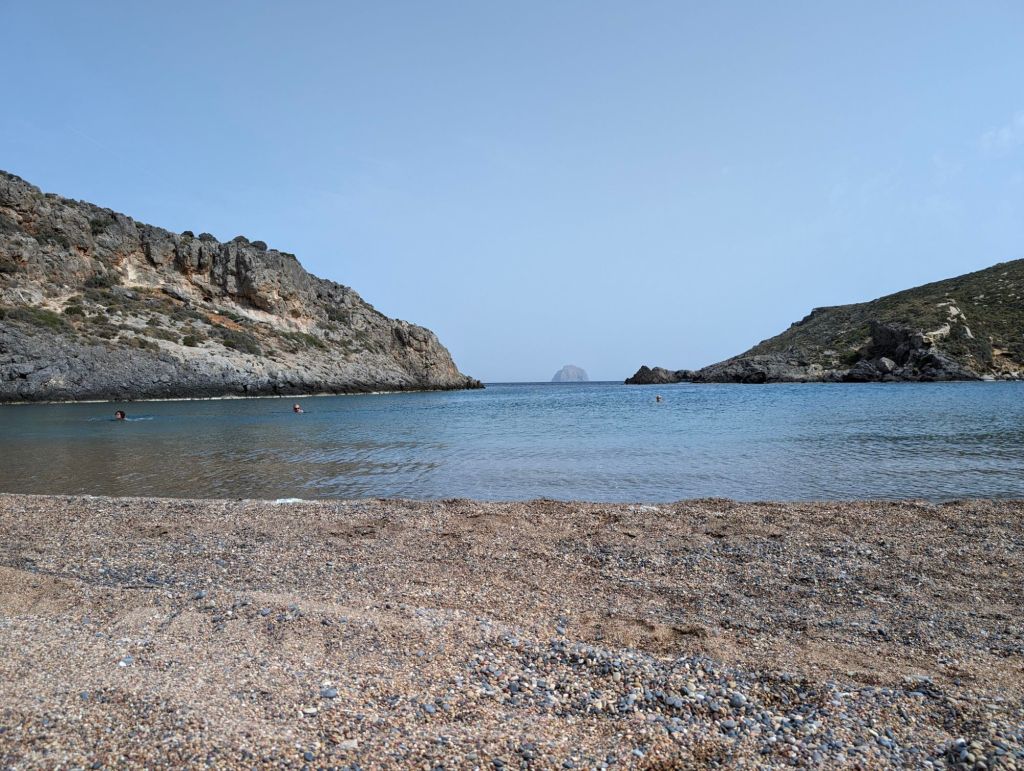
After Milopotamos, we went for a swim at Melidoni beach. Driving there was a white knuckle affair along some of the narrowest roads we’ve seen.
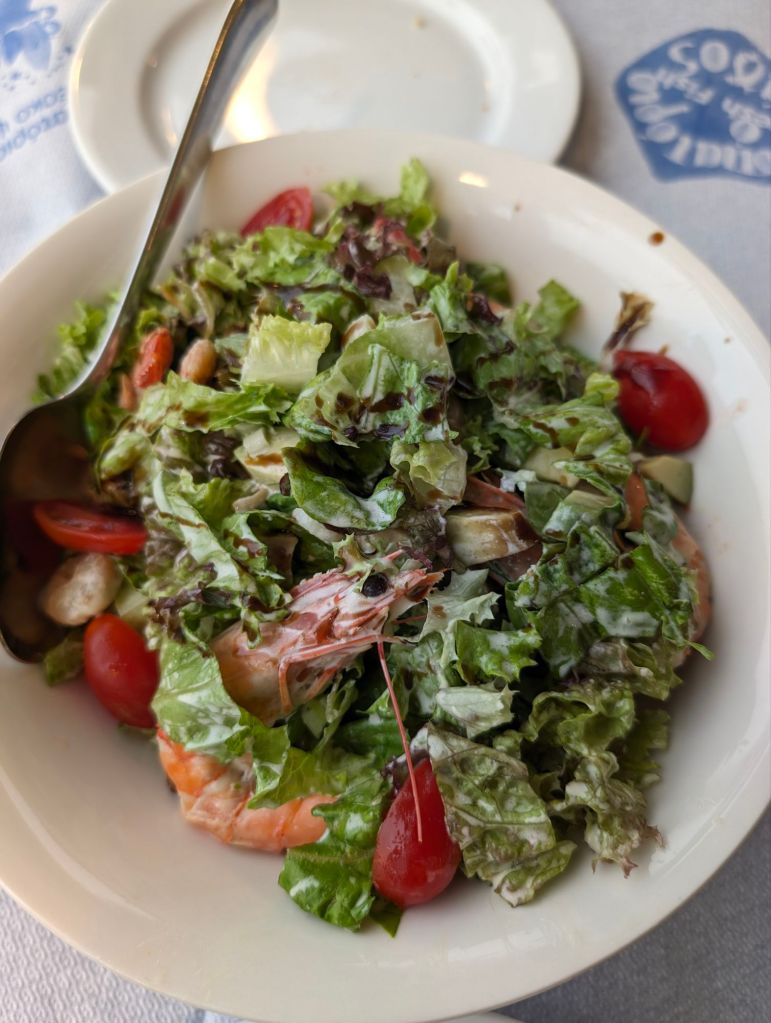
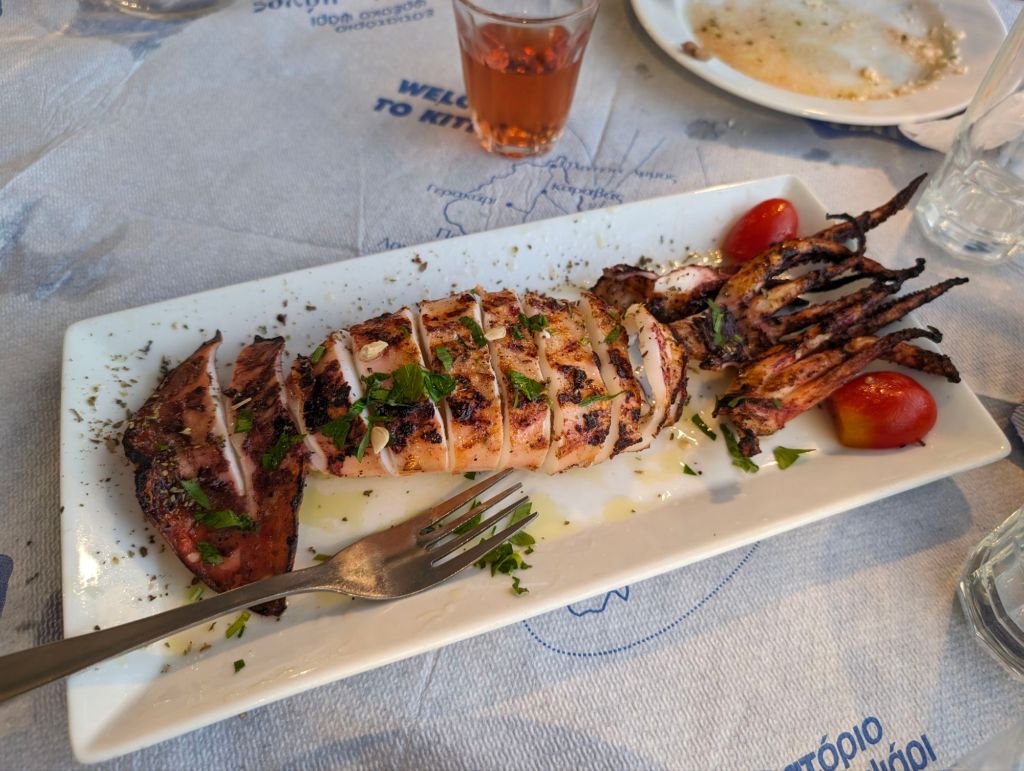
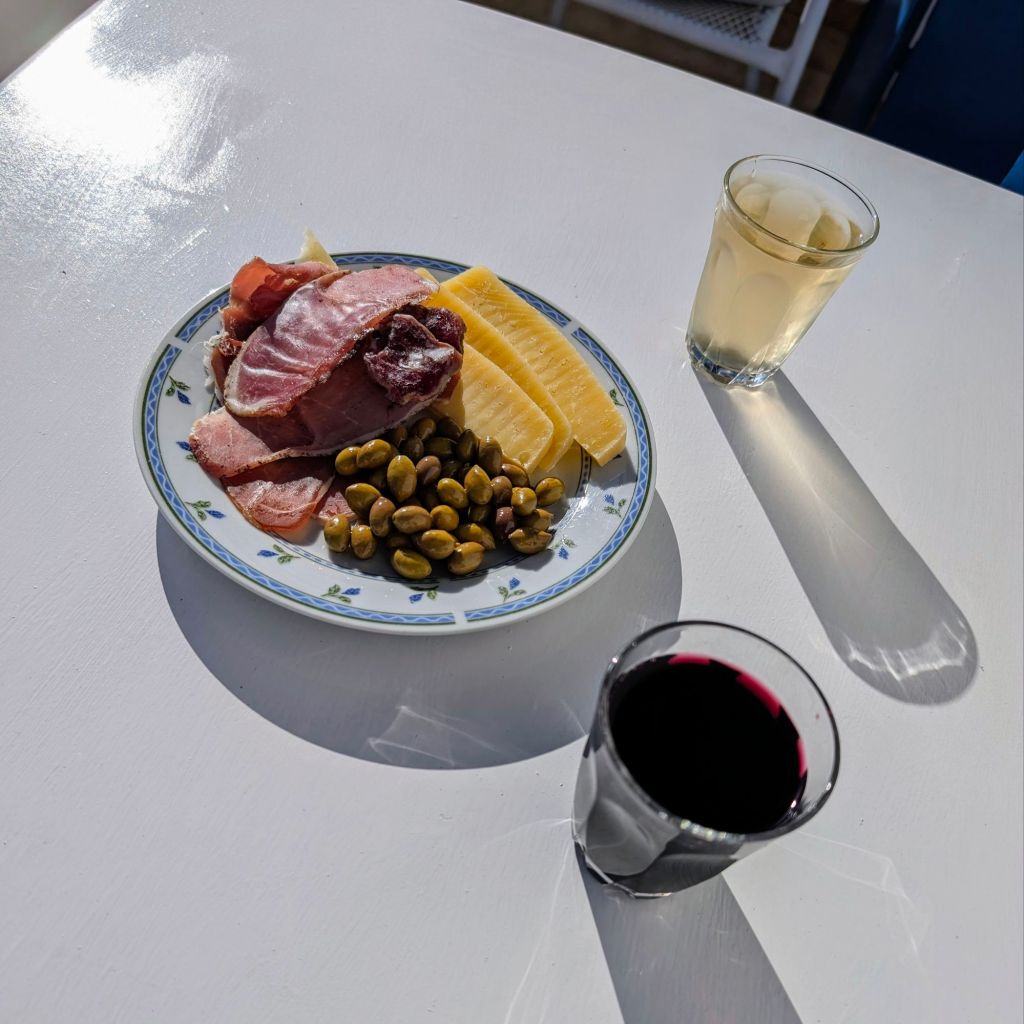
Later that evening, back at Mago in Kapsali, we remembered to take a photo BEFORE digging in.
Next day, it was Palaiochora Kythira Castle and Kaladi beach.
Palaiochora was the capital of Kythira until the 15th century when it was attacked by Turkish pirates. Those who were not killed were sold as slaves.
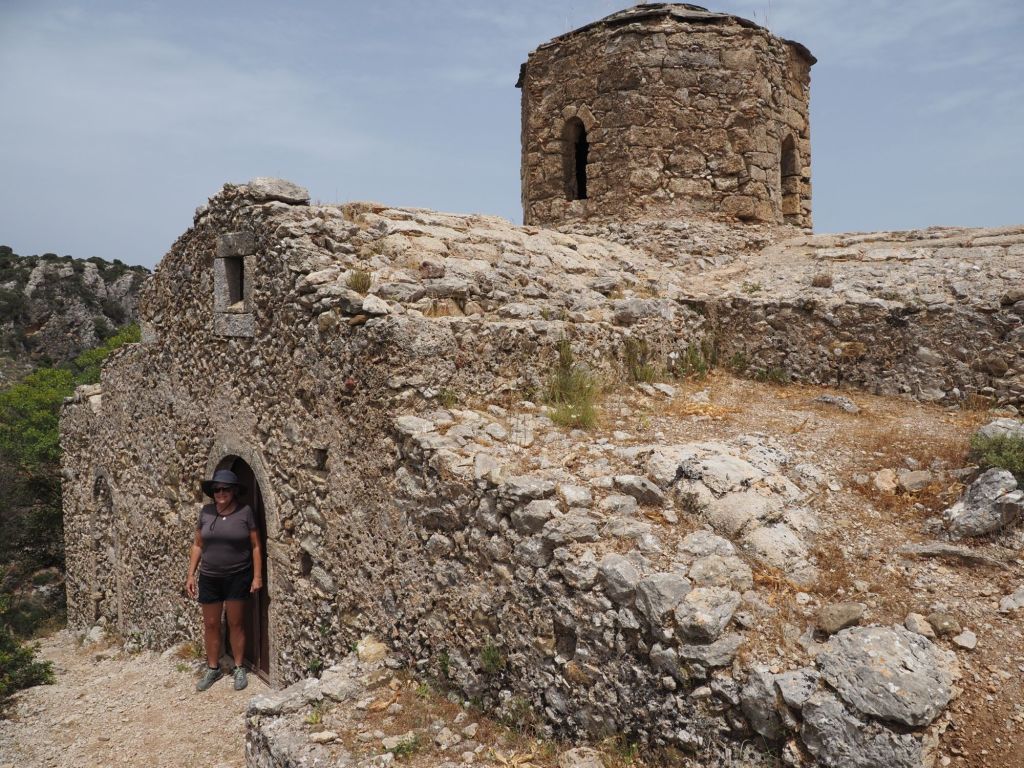
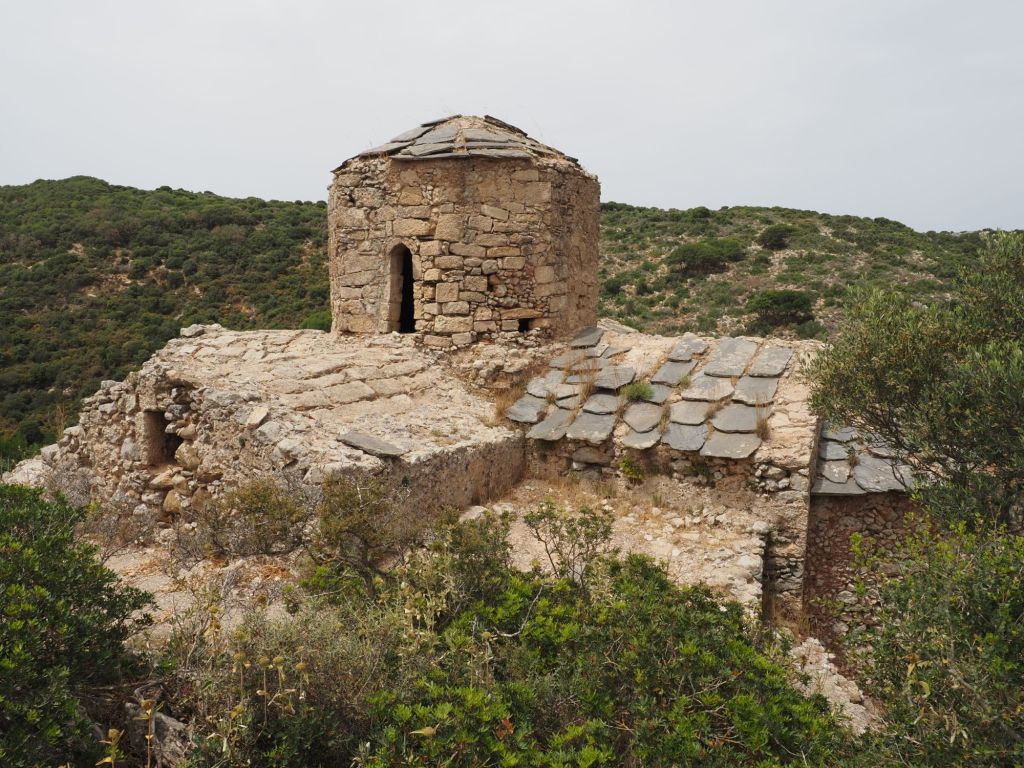
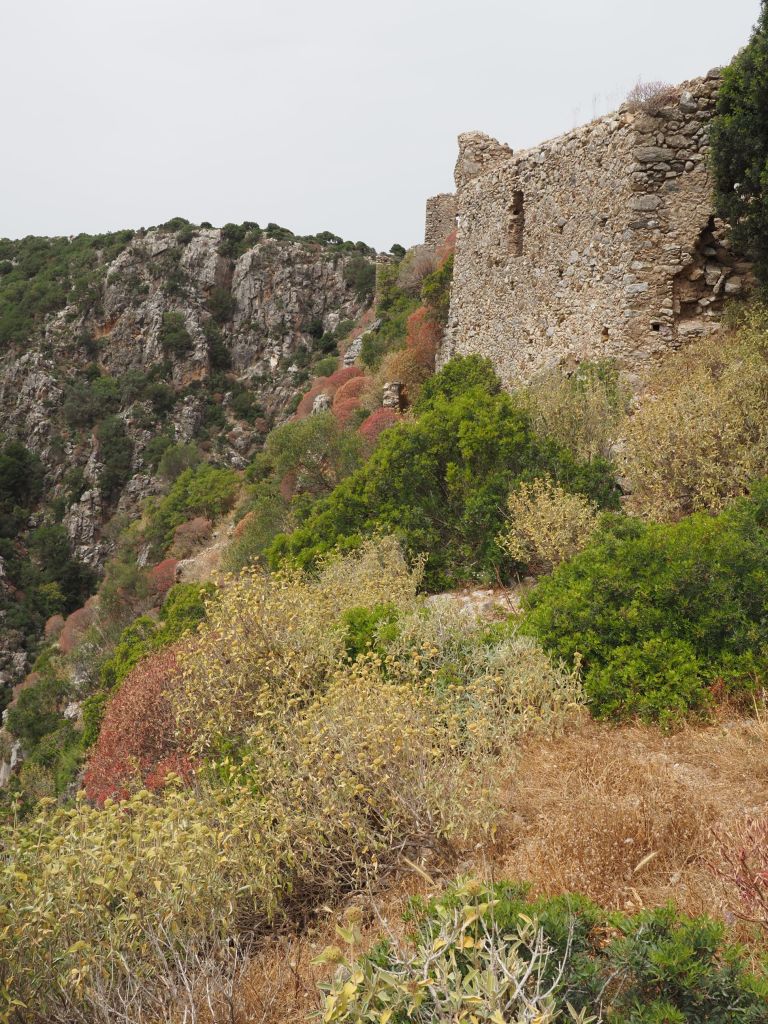
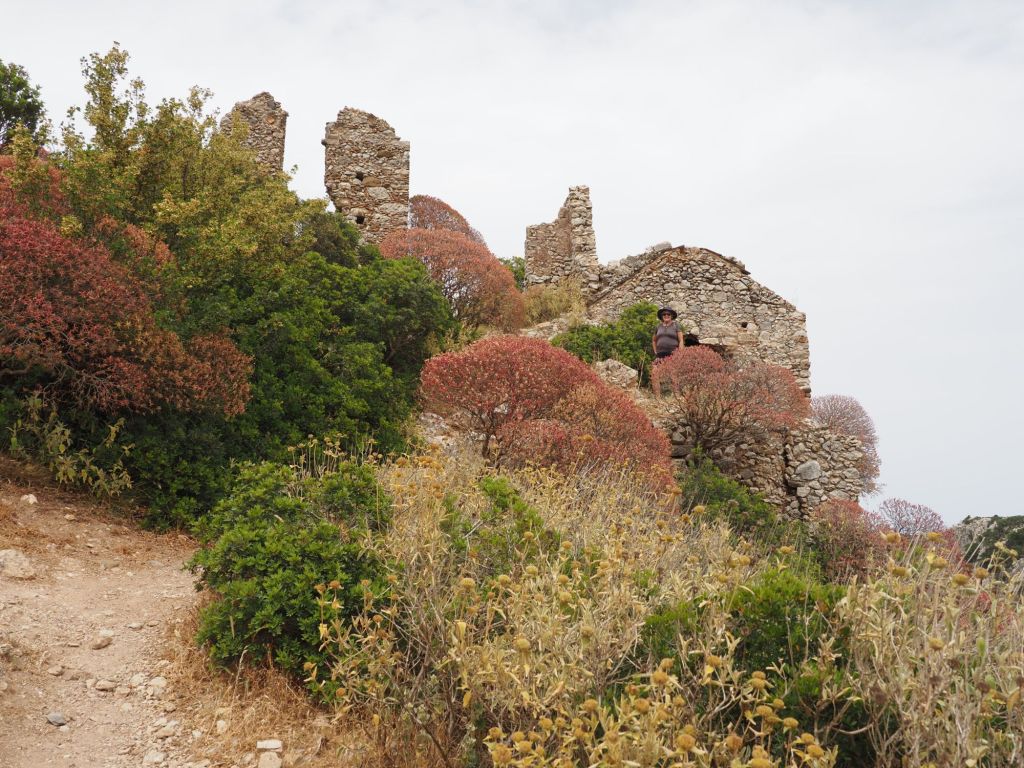
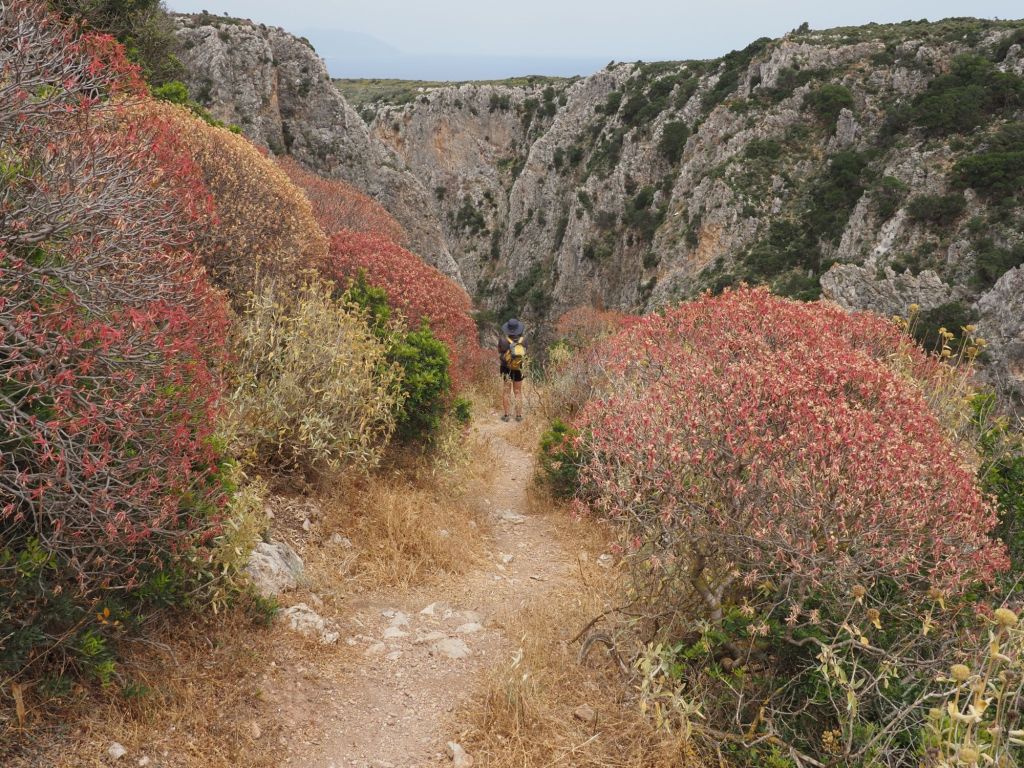
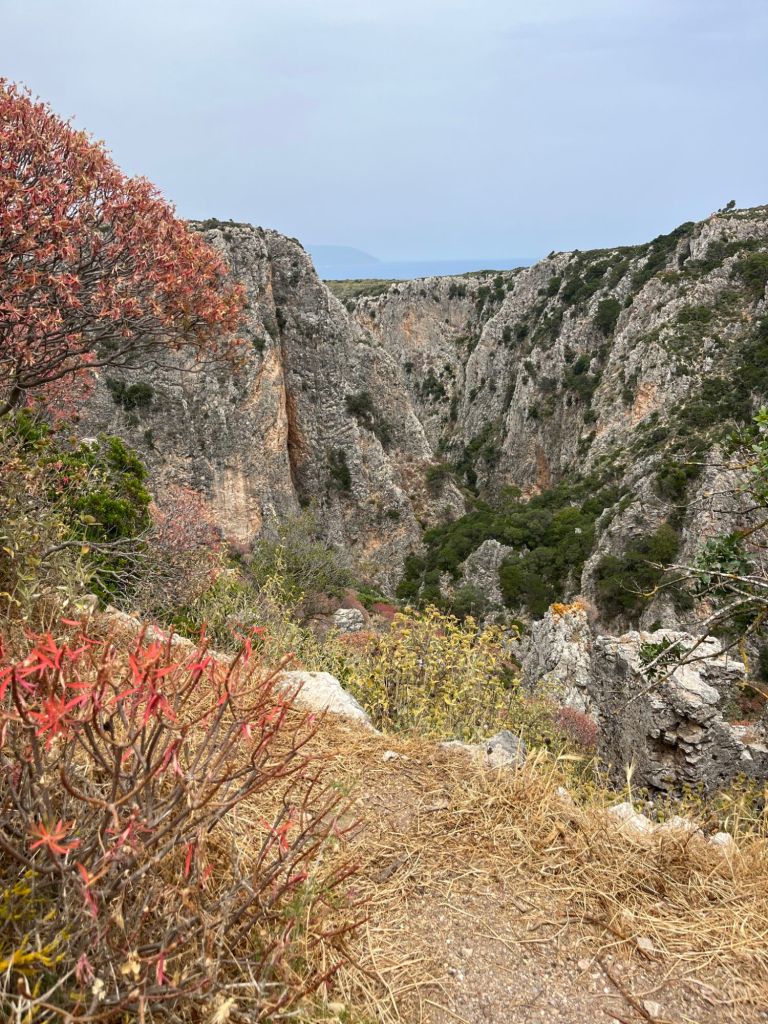
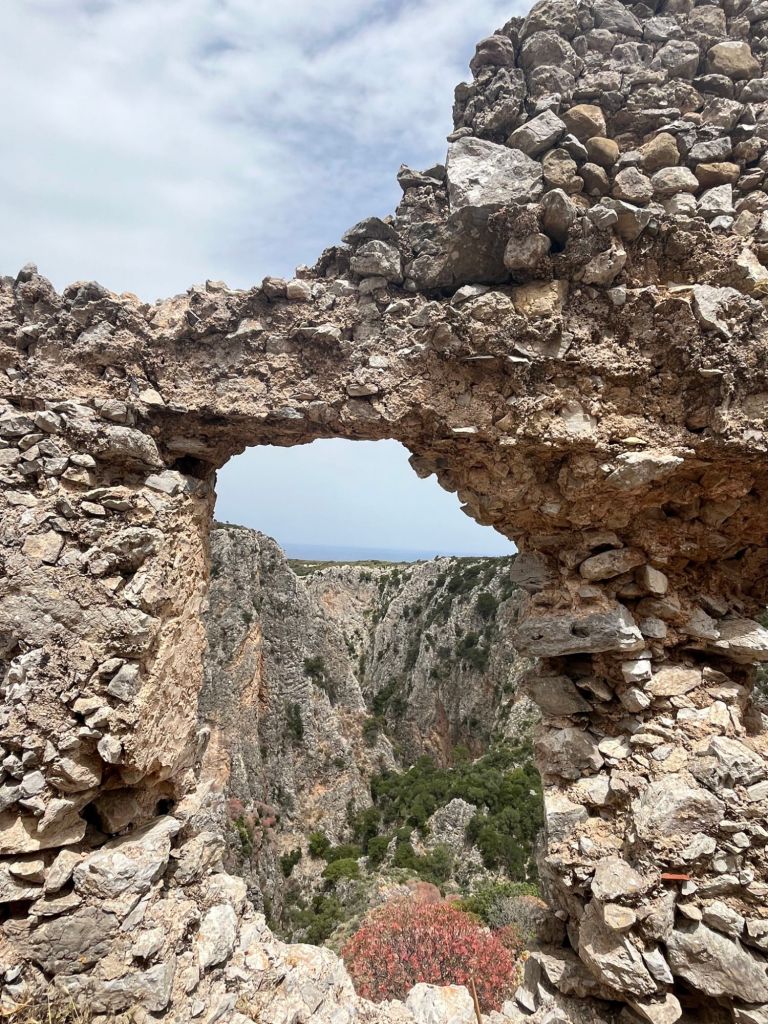
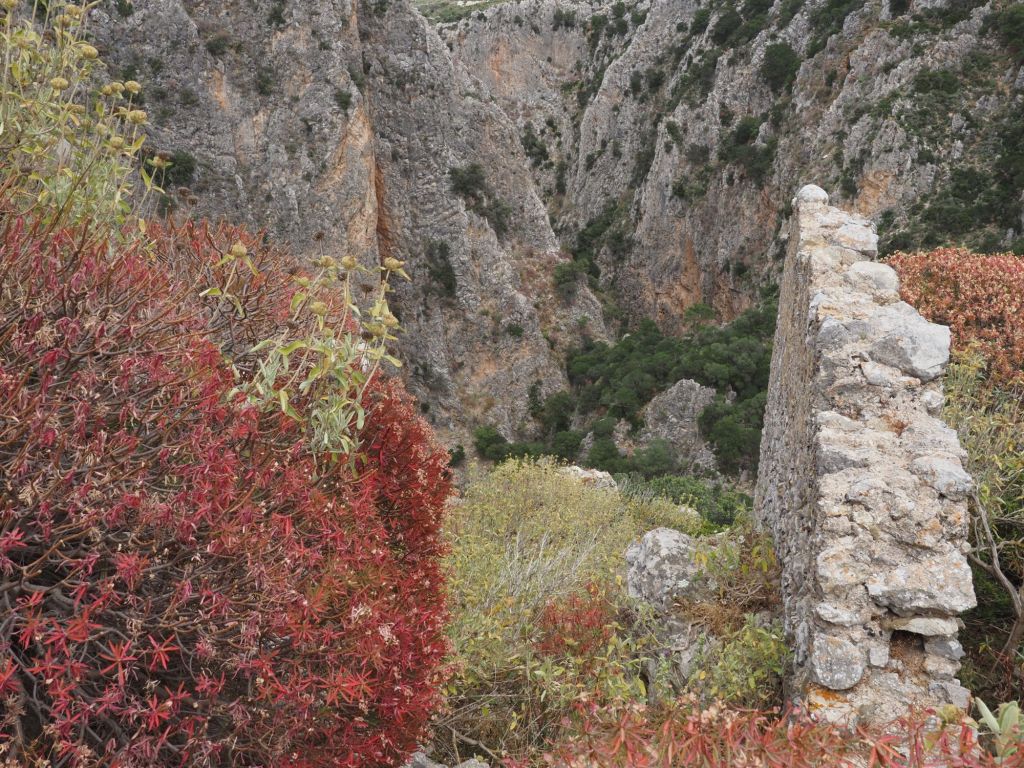
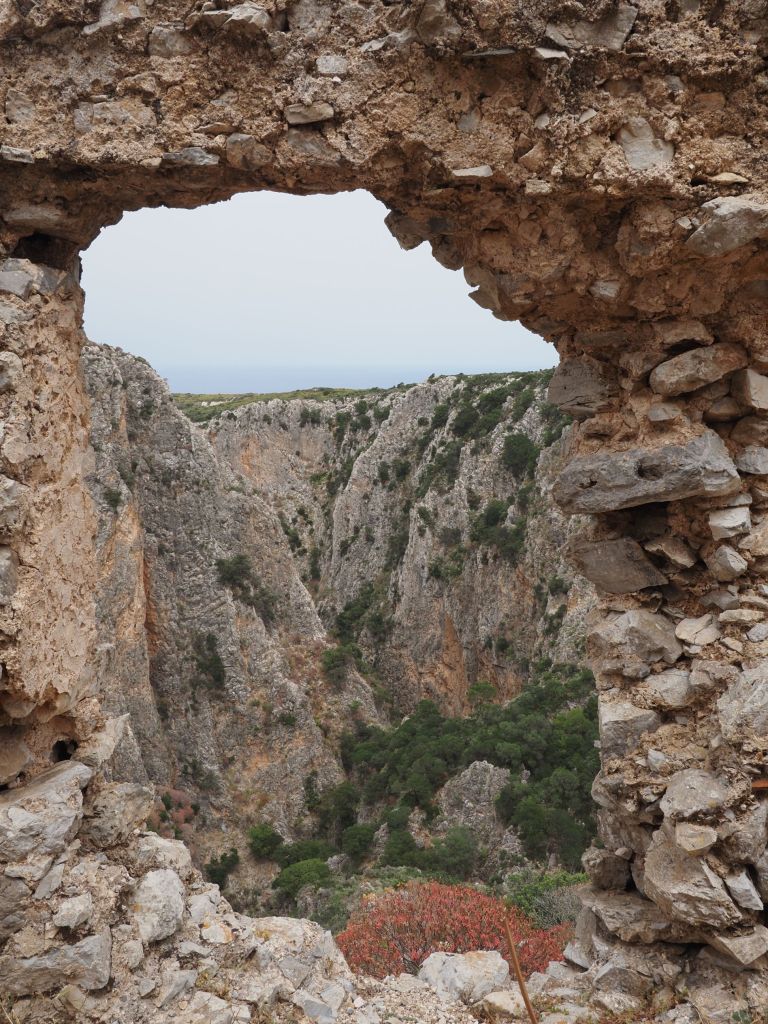
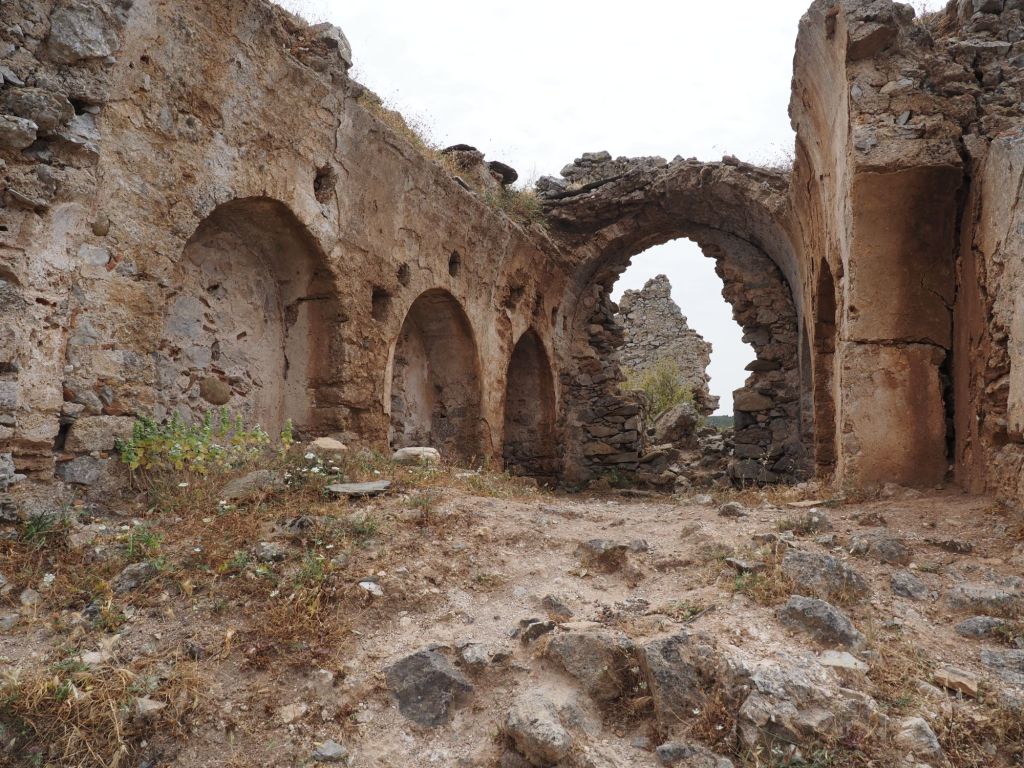
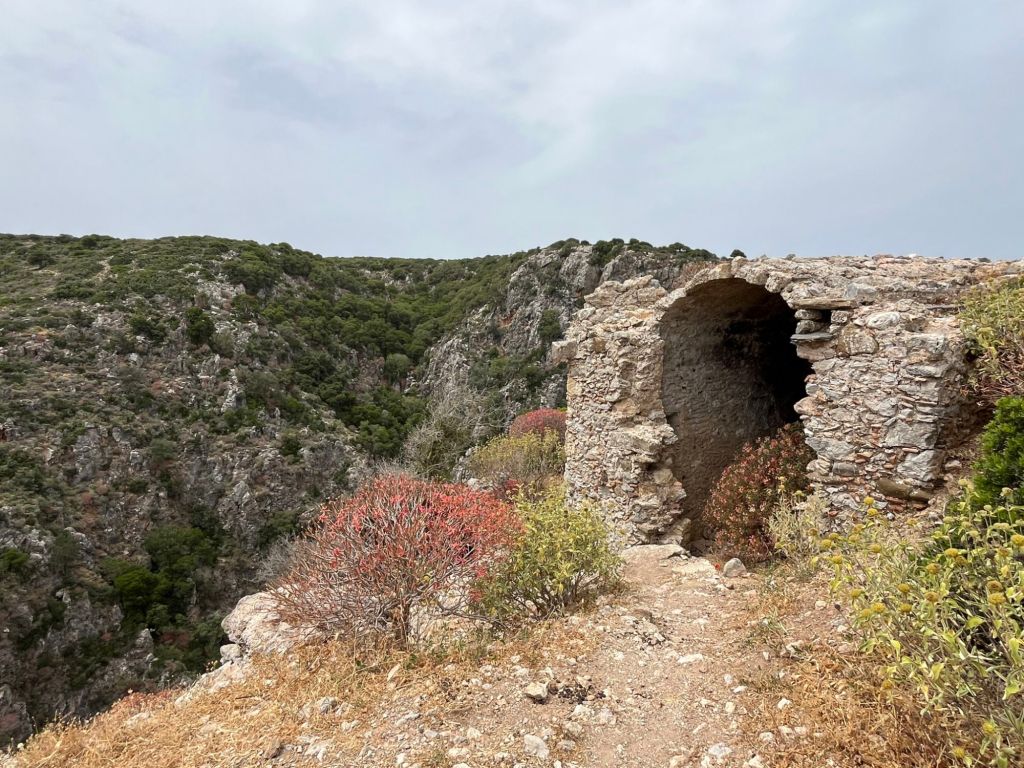
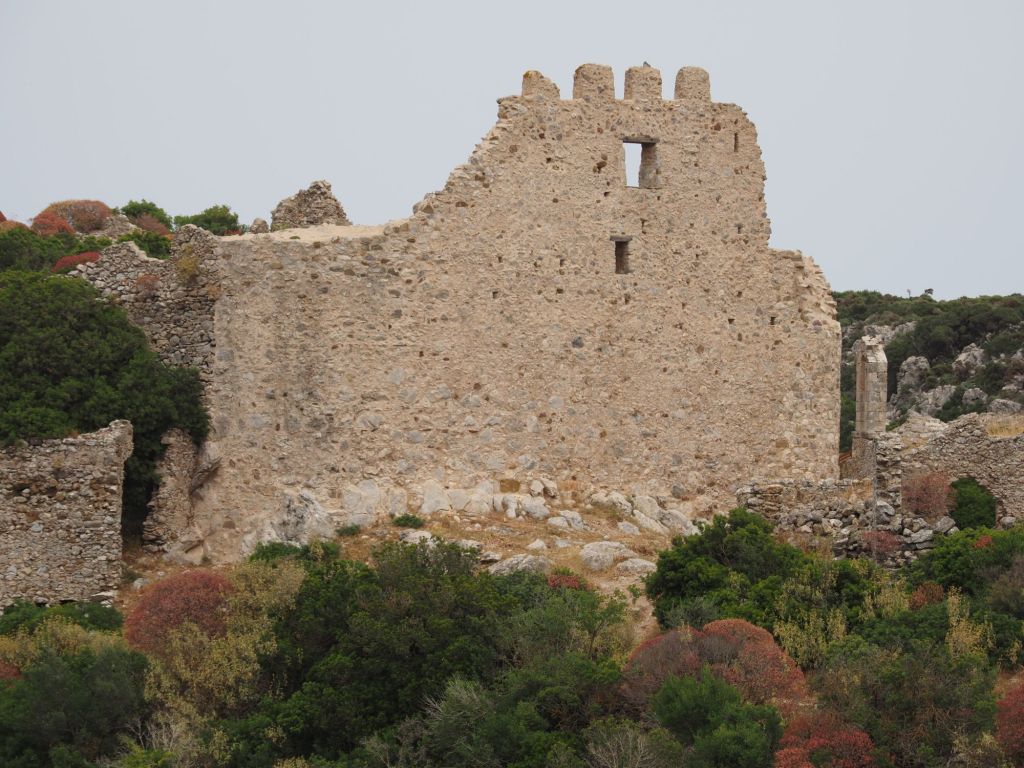
It’s a recurring theme – how terrifying it must have been to live under constant threat of attack, and how much effort went into building castles designed to protect from those attacks. There’s lots wrong with today’s world, but we really shouldn’t complain.
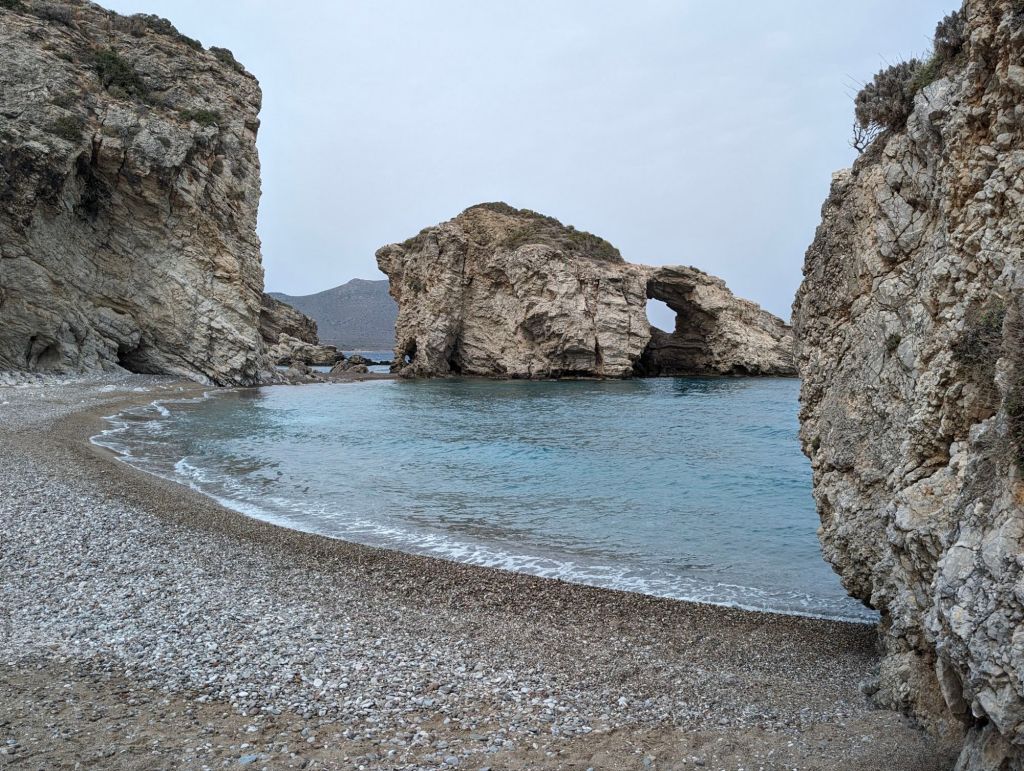
Speaking of no complaints, we visited Kaladi beach afterwards.
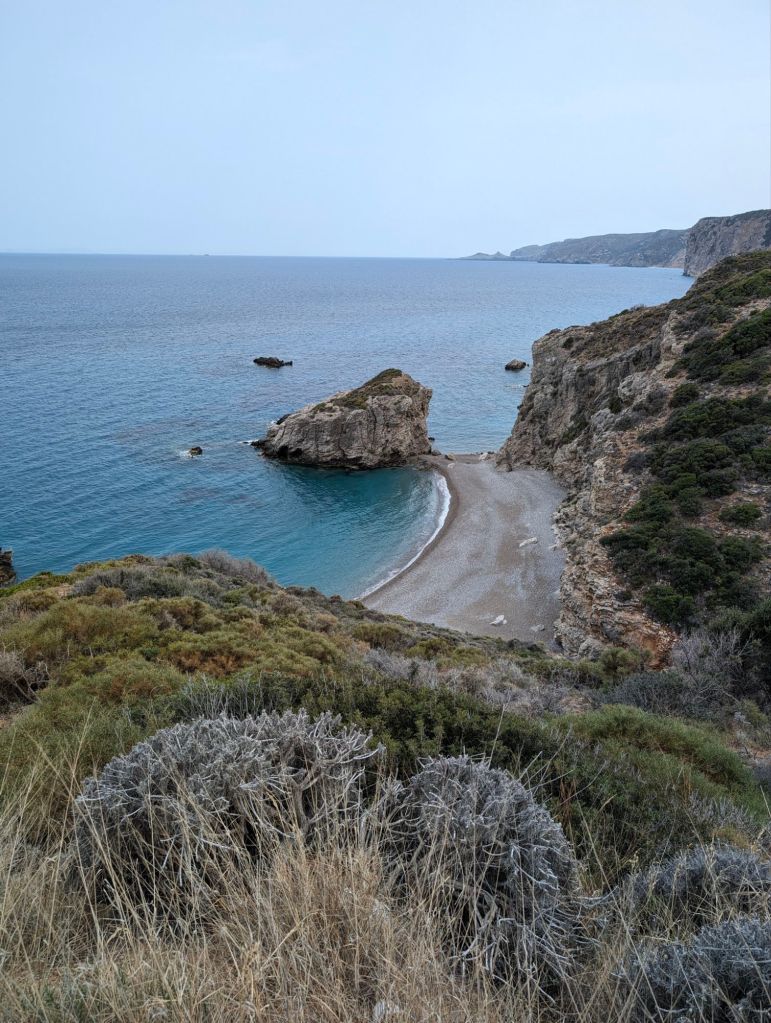
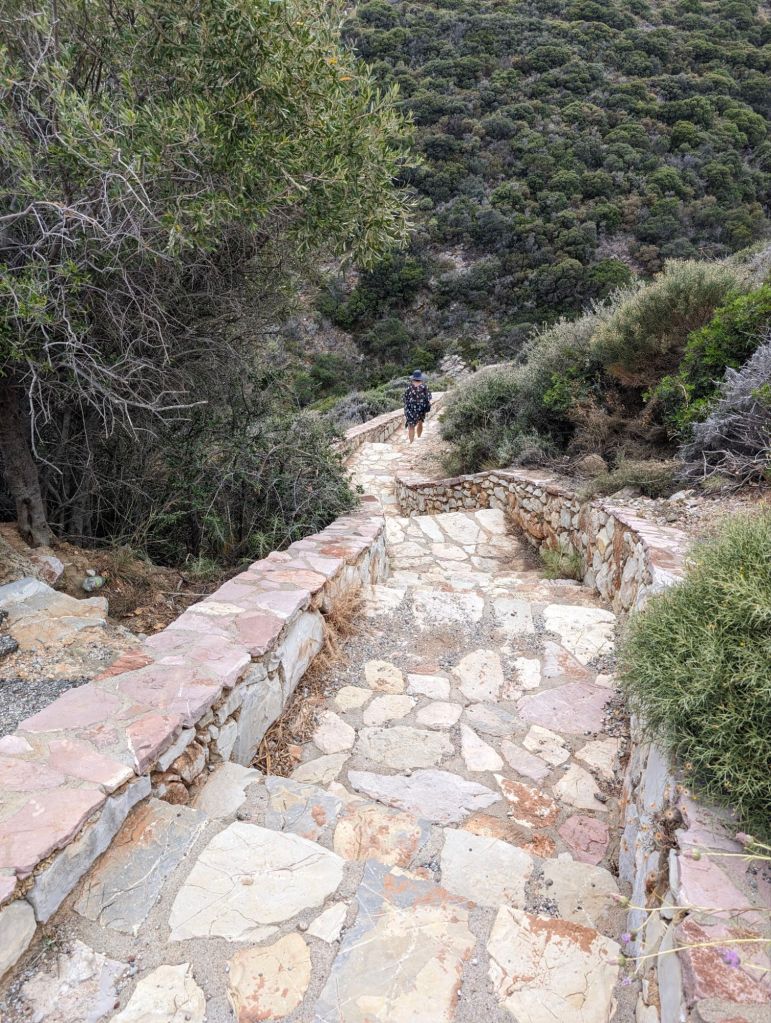
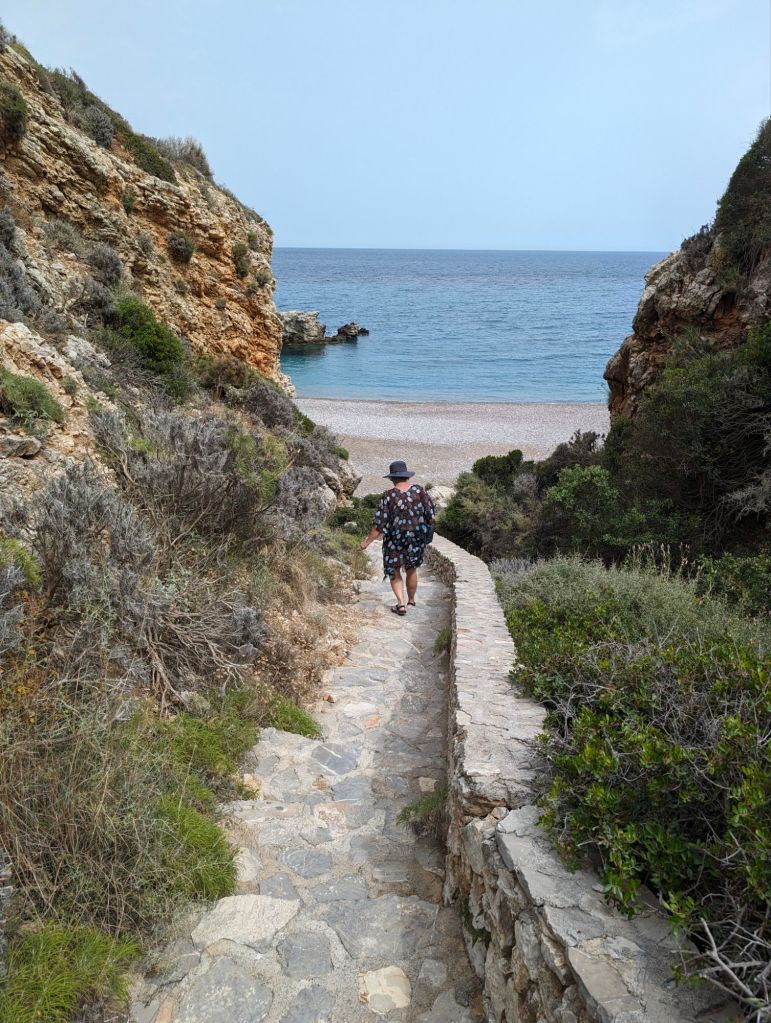
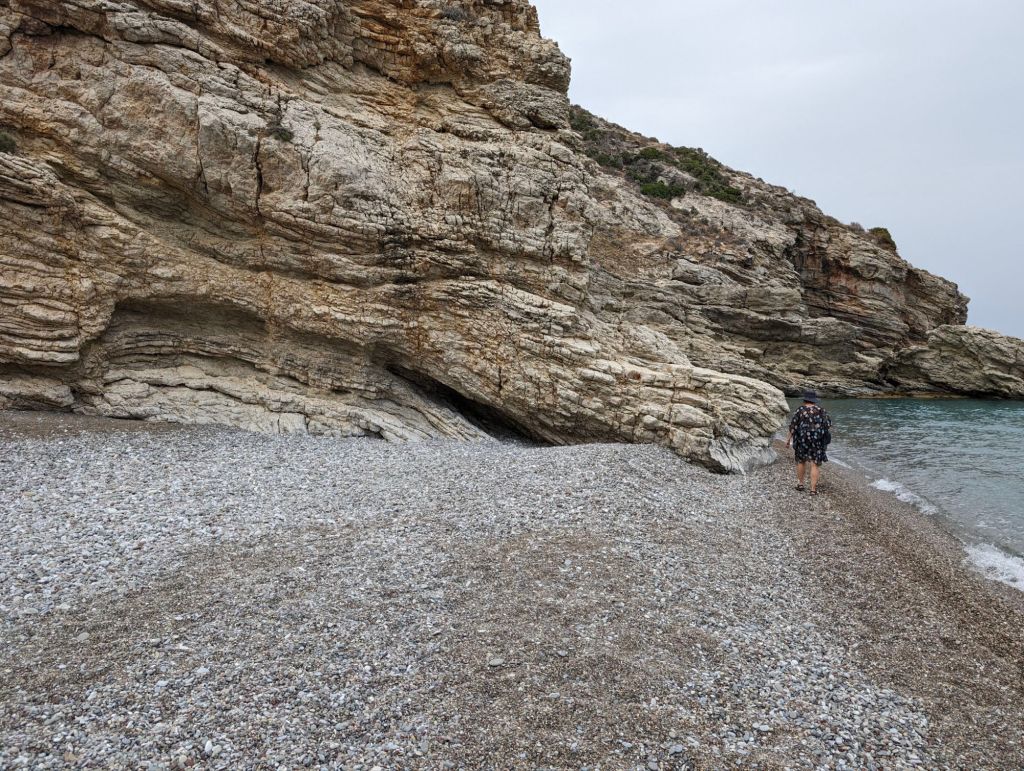
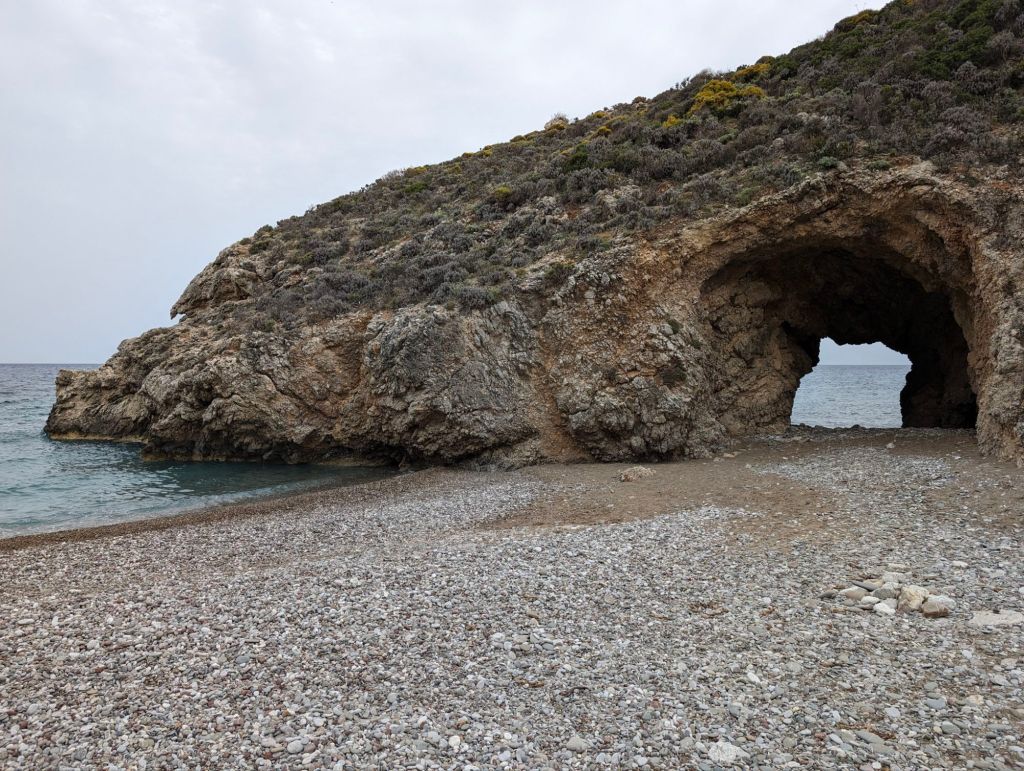
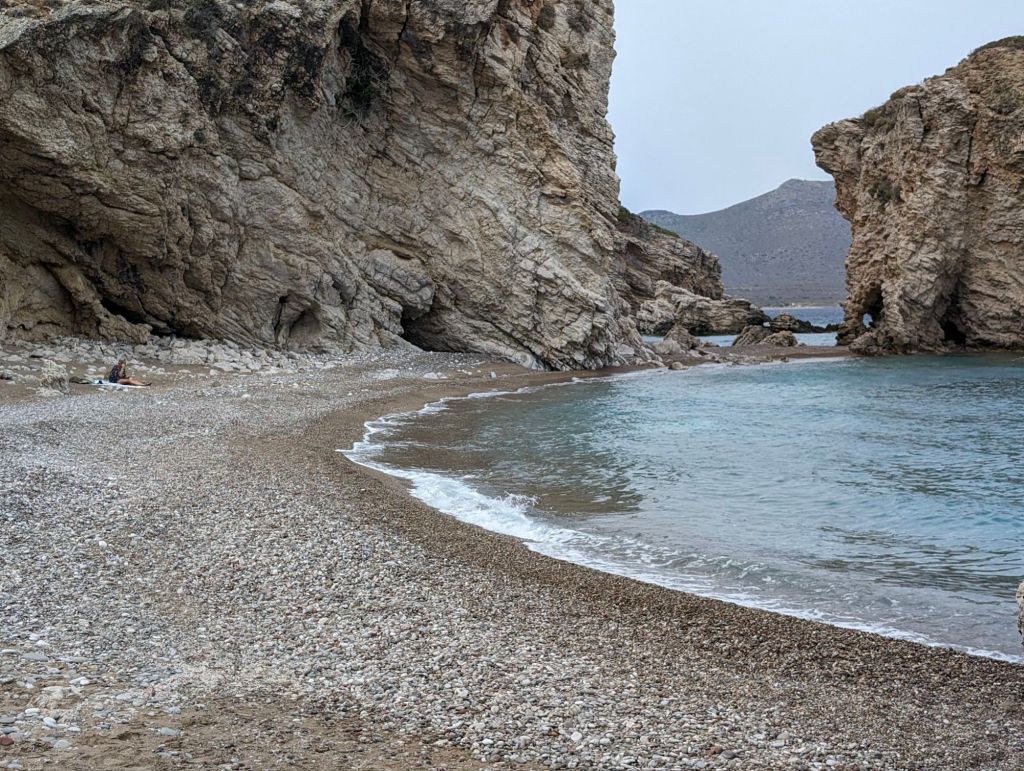
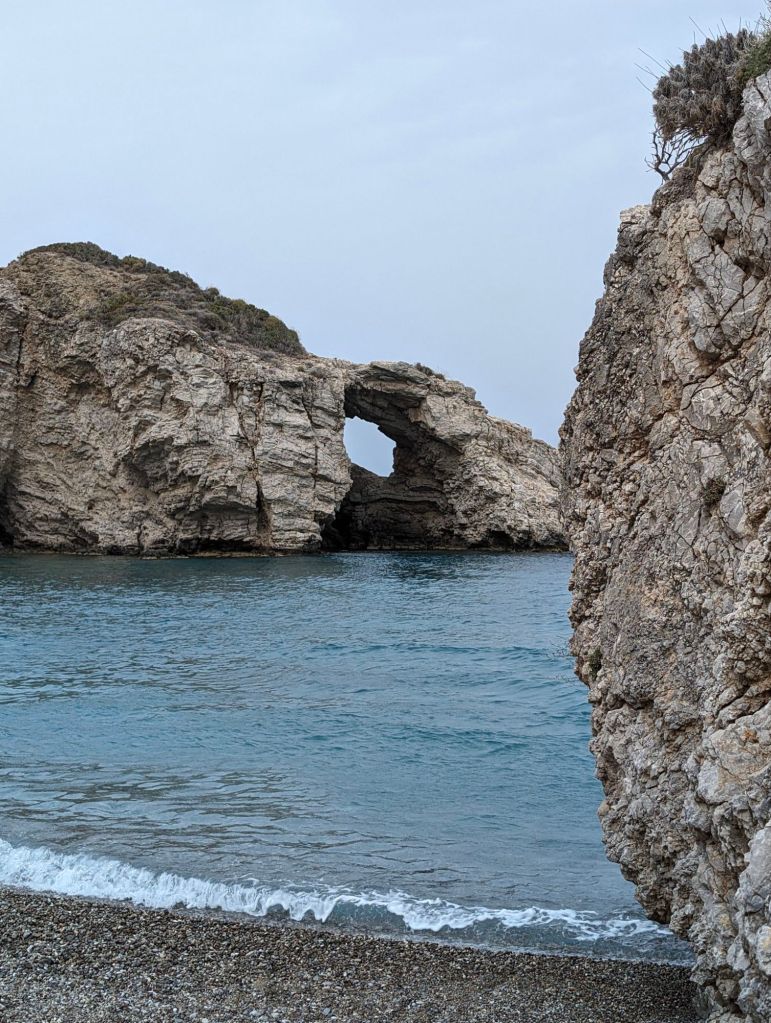
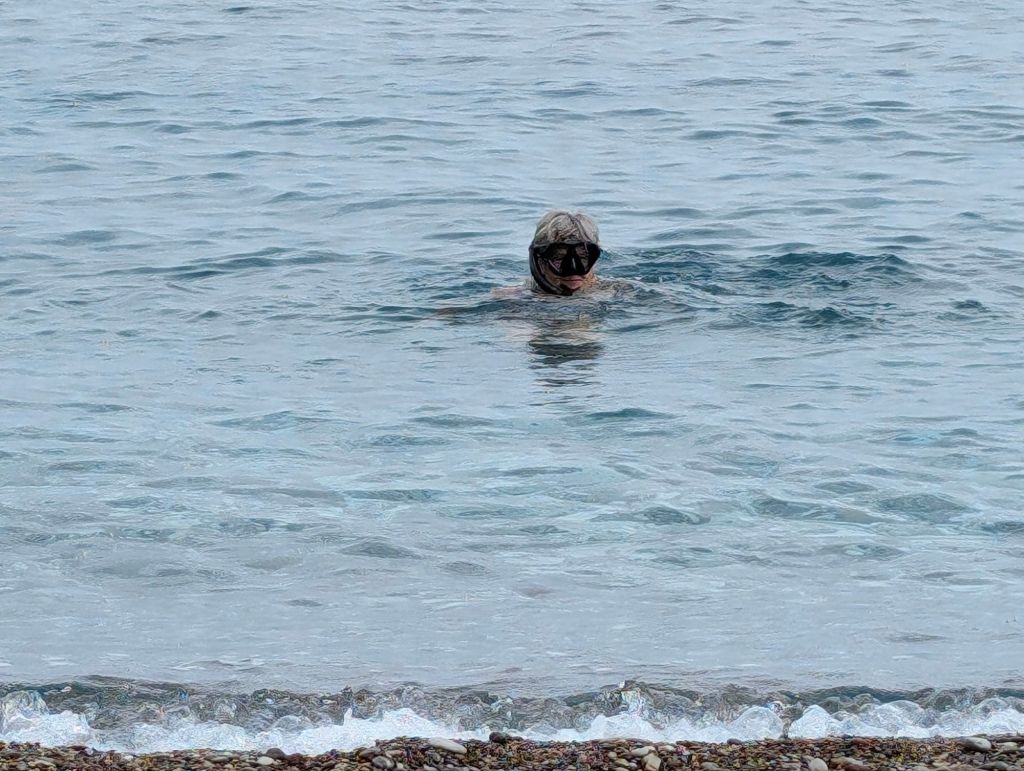
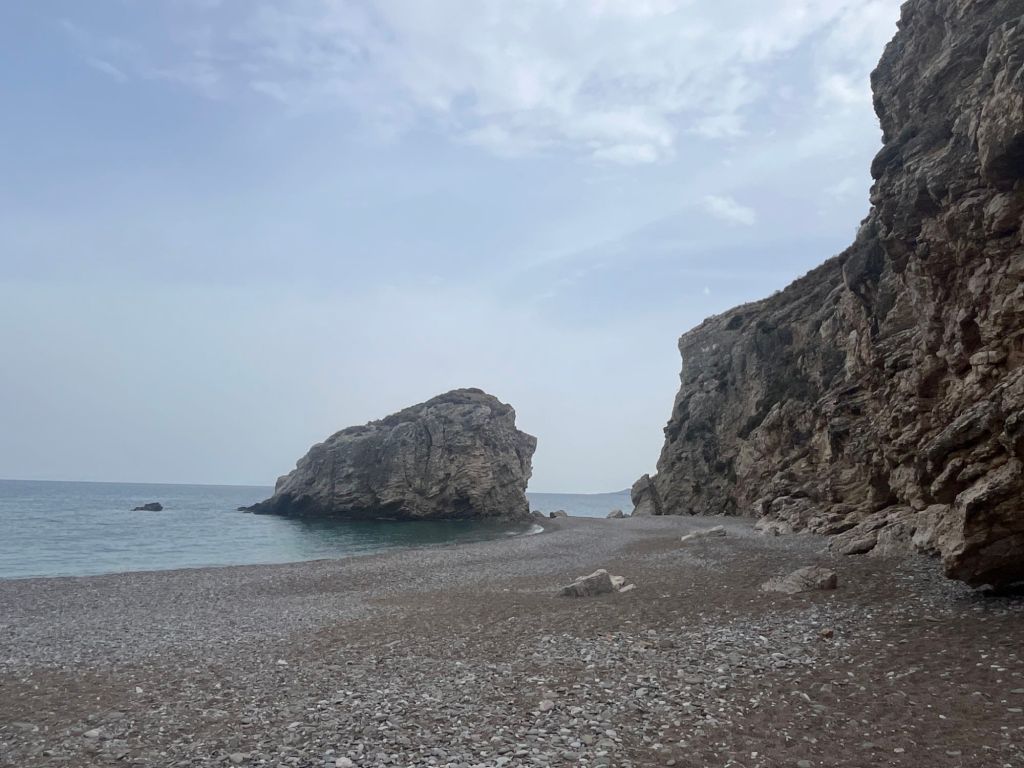
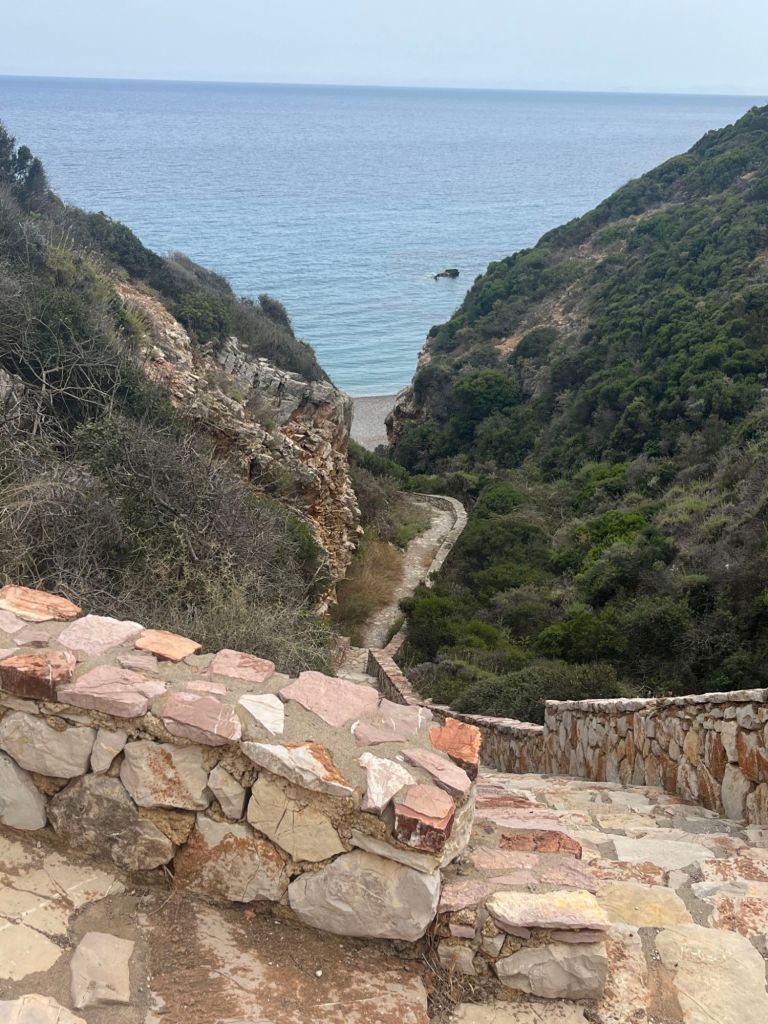
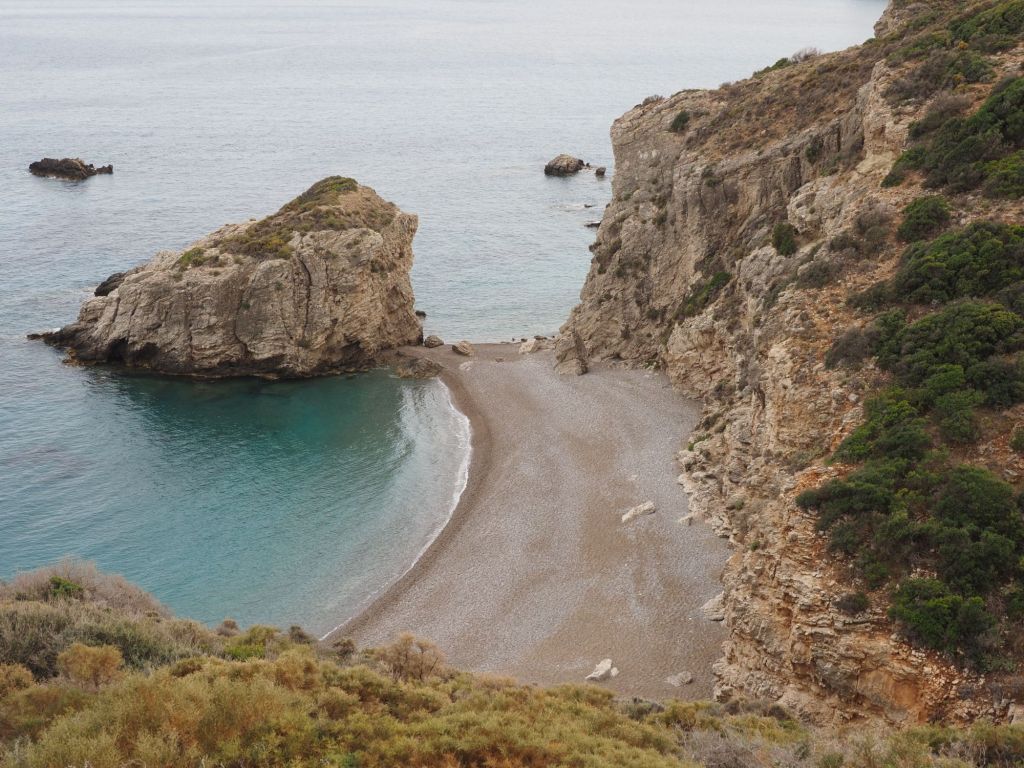
There are two Kaladi beaches, the small one and the big one. This is the small one. It has three sections divided by rock outcroppings. A couple was enjoying the one around this corner, to the north. The main section was deserted, and we had the southern section, the one with the tunnel, all to ourselves. A month later this will be chock-full of vacationers.
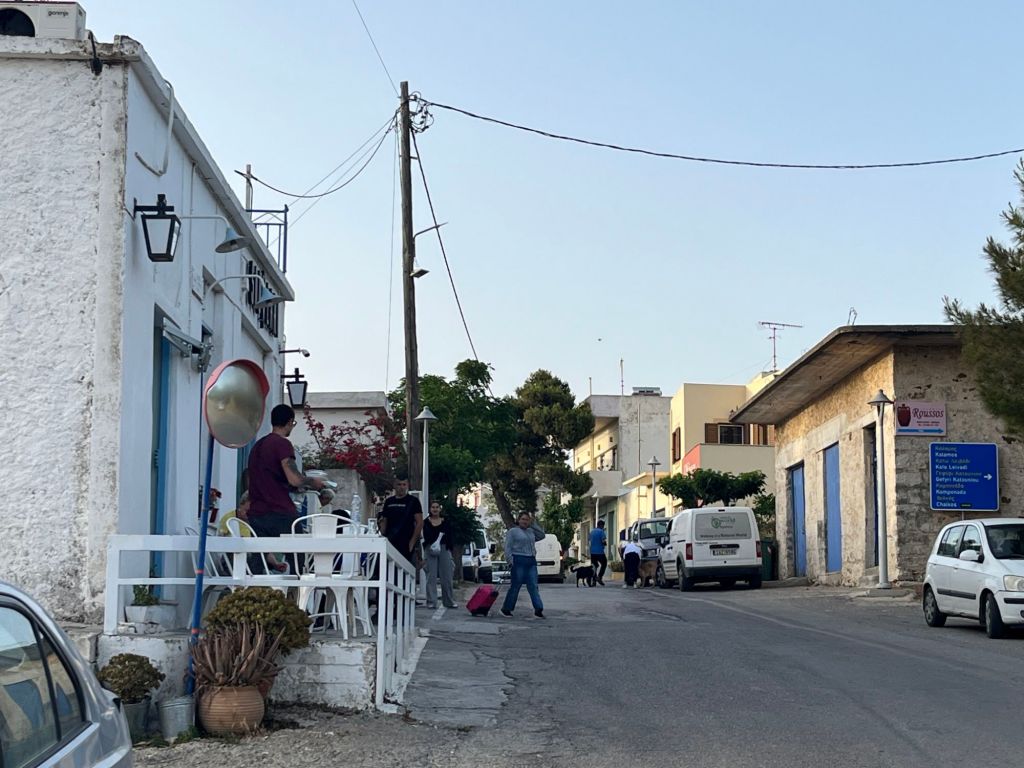
On the way back we stopped at a restaurant in Livadi called, simply, Souvlaki. There is no indoor seating, just a few outside tables, and there’s a steady stream of locals coming for take out. It’s fun watching the interactions between staff and customers they’ve seen probably hundreds of times – the little fist bumps and back slaps. This is clearly the go-to restaurant in Livadi.
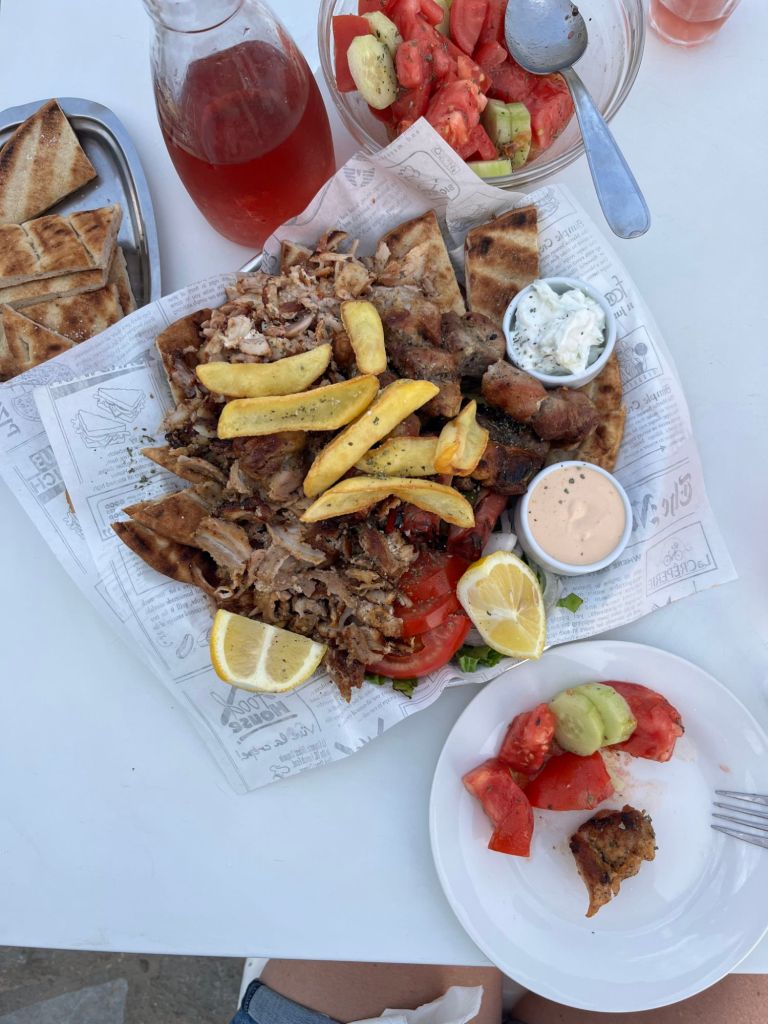
We ordered a half litre of red and souvlaki for two. Two armies? When food arrives at the table our brains turn off and we dive in. “Crap, we forgot to take a photo again.” It is a familiar refrain.
We did some local exploring and mostly relaxed the following day.
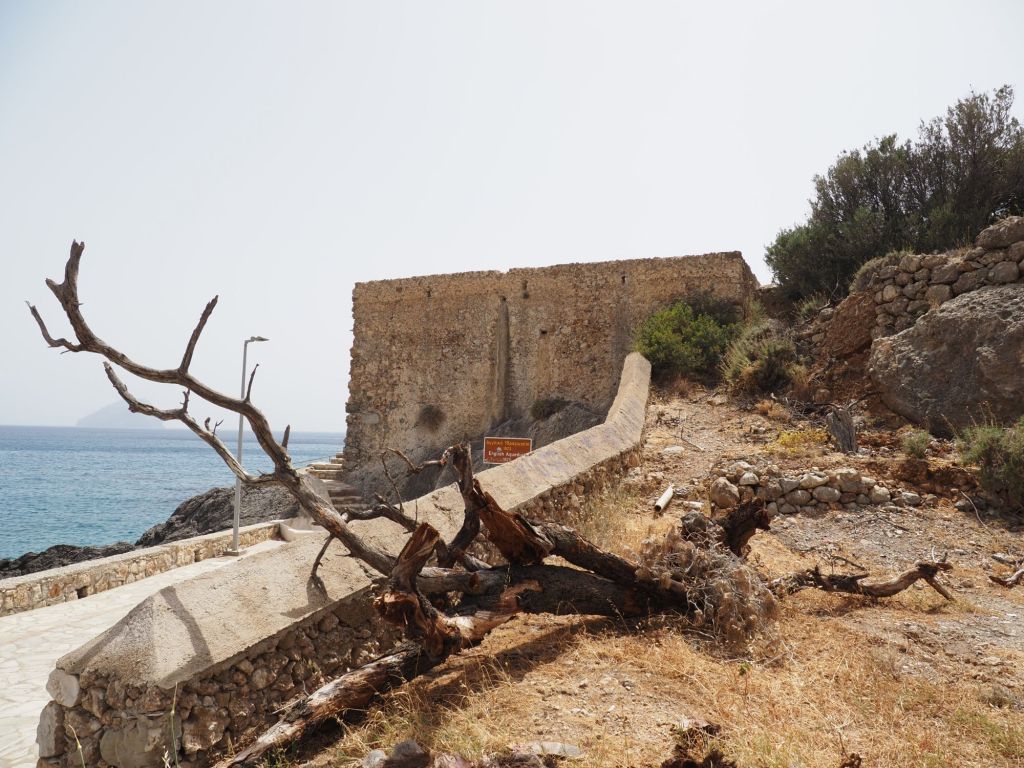
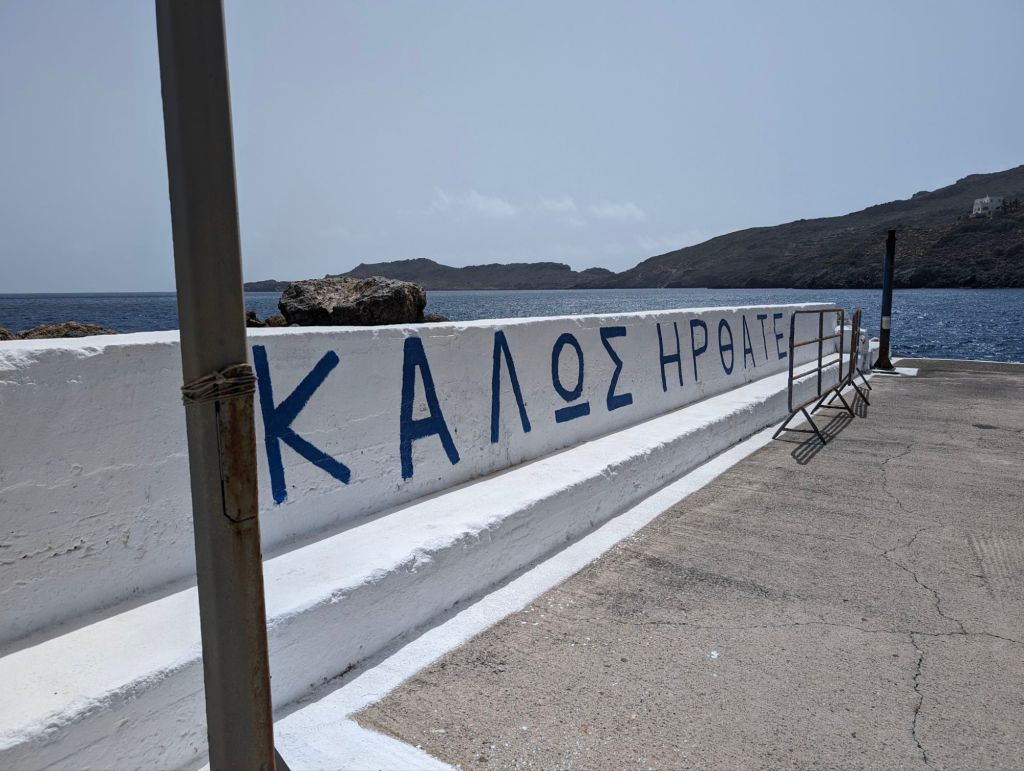
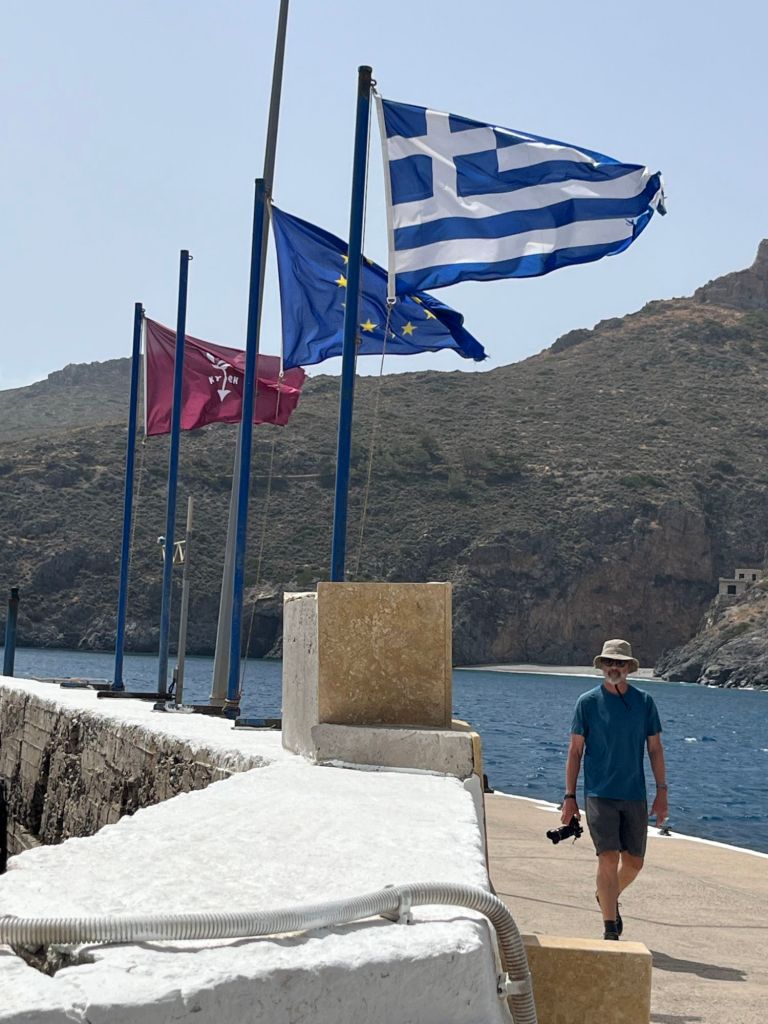
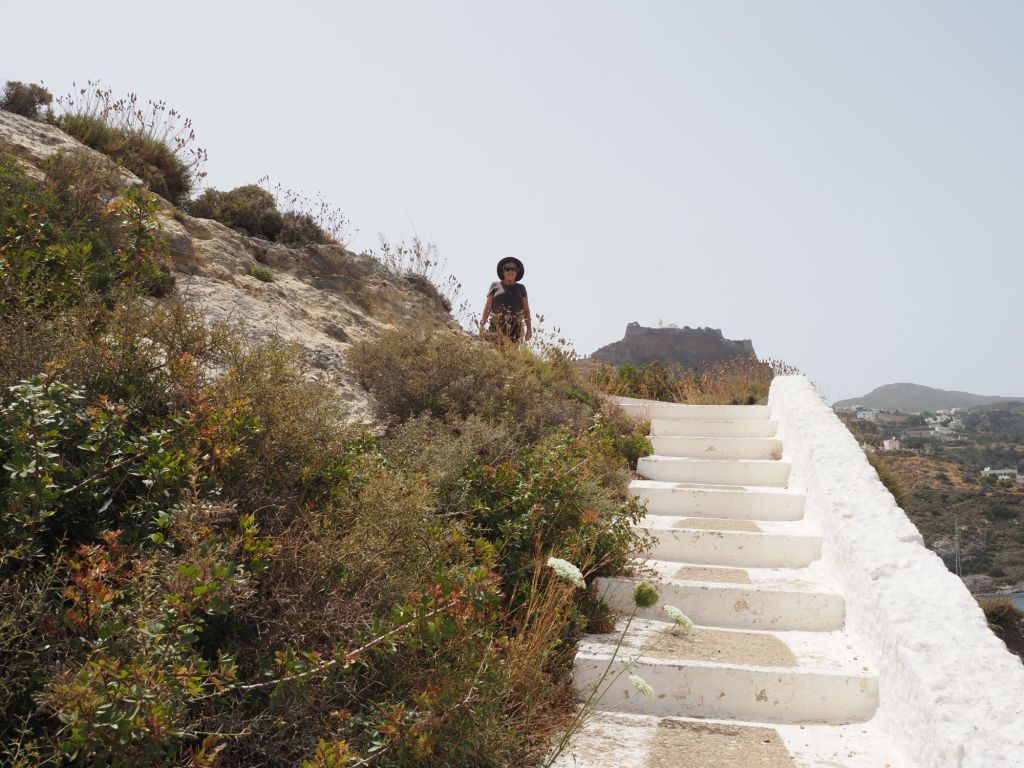
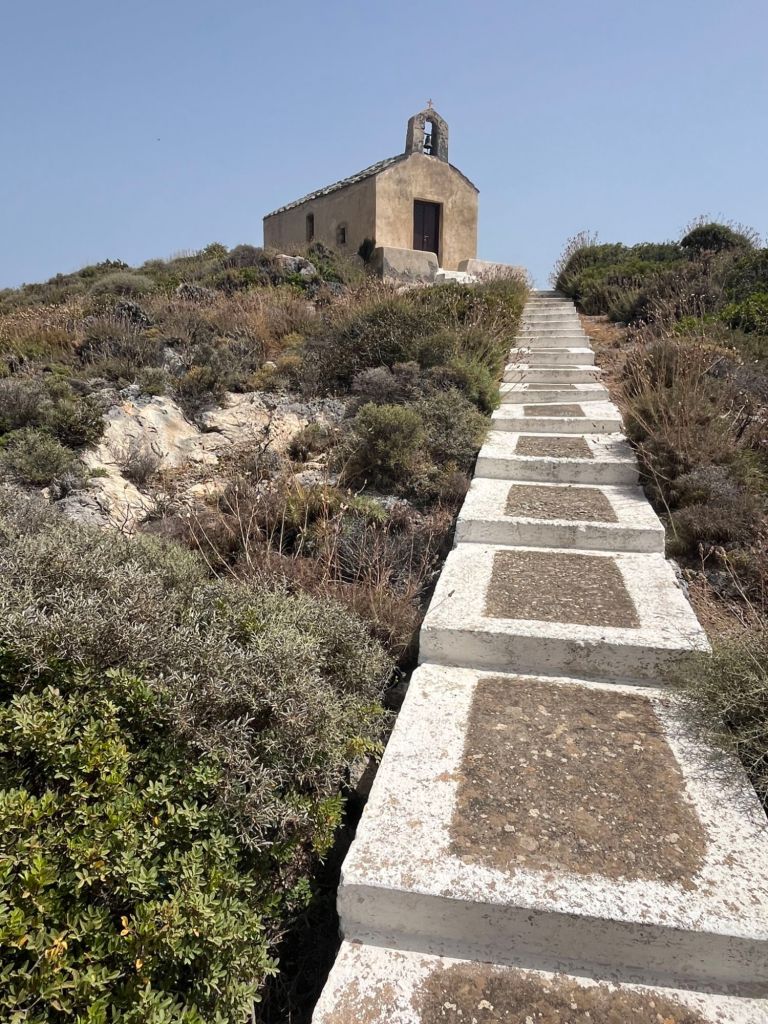
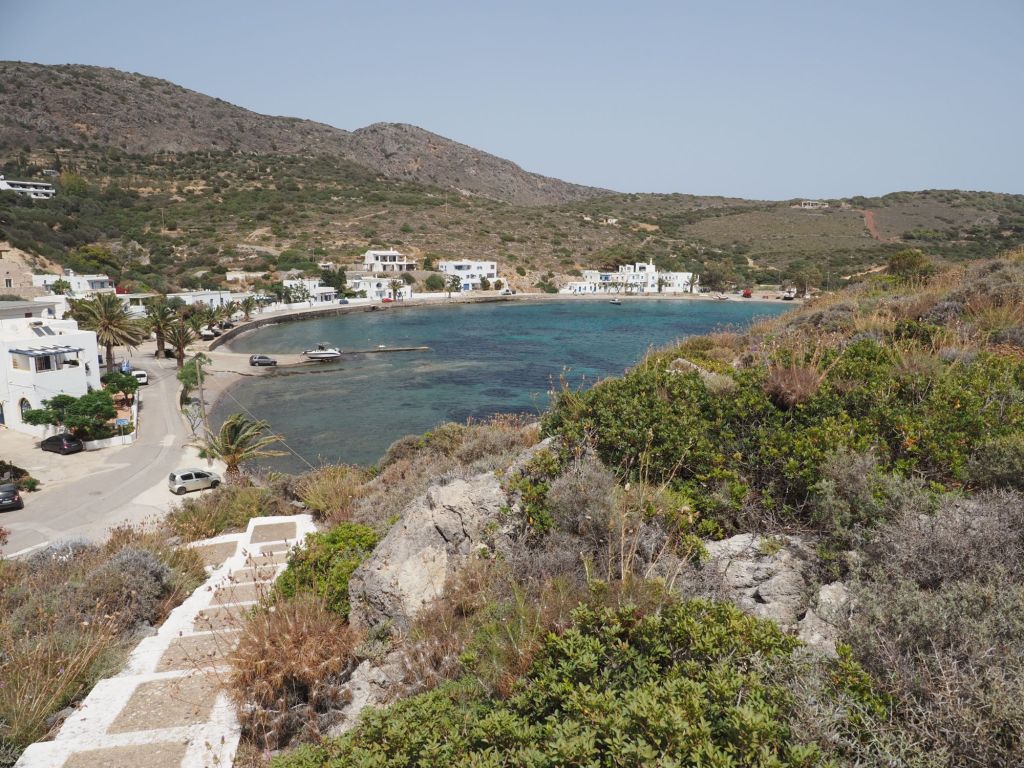
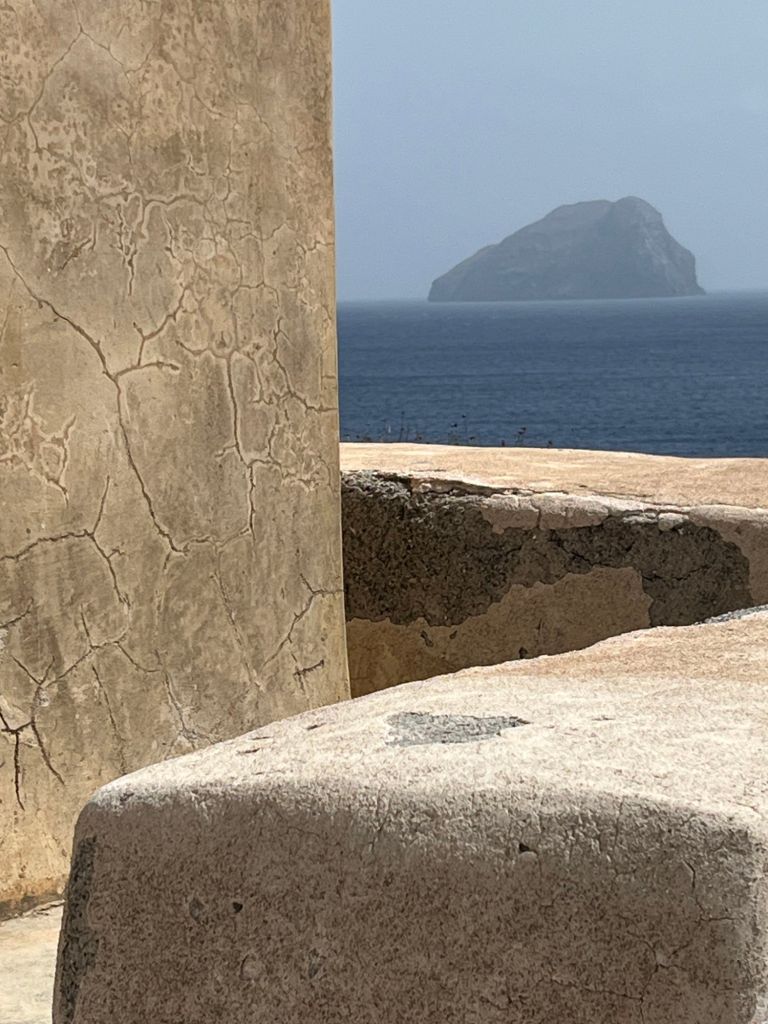
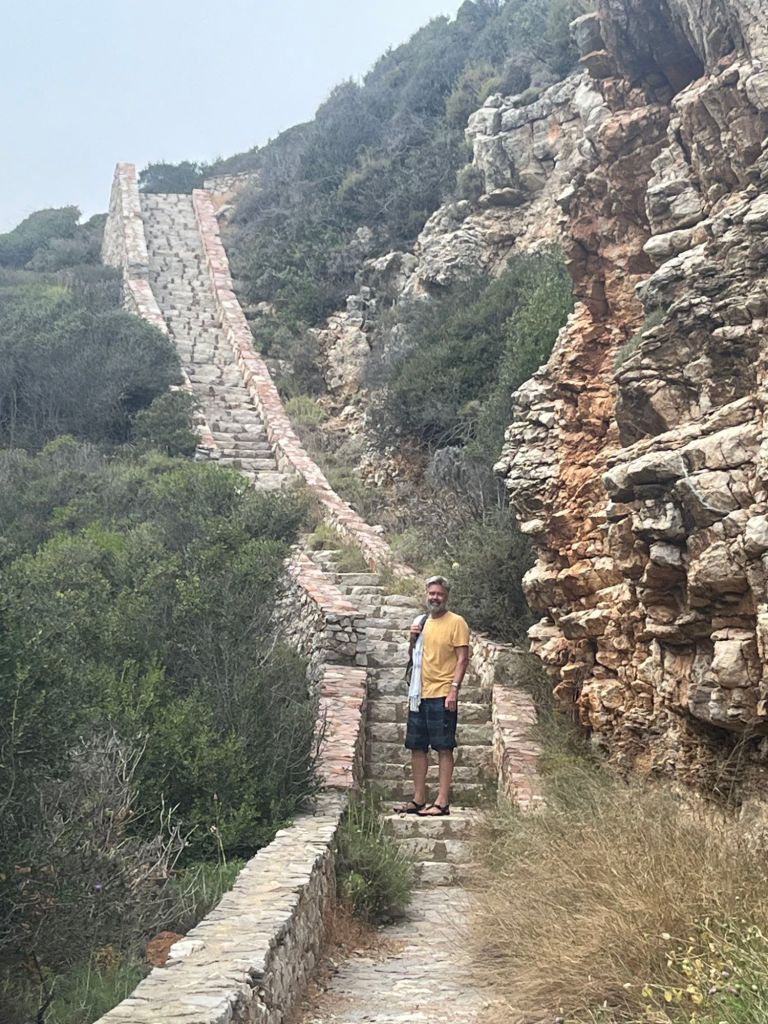
Then we hiked up to the church of Agios Ioannis en Krimno, which is an ancient church, located in a cave in the cliffs above Kapsali. The site was closed, so we had to stop at the building below the church.
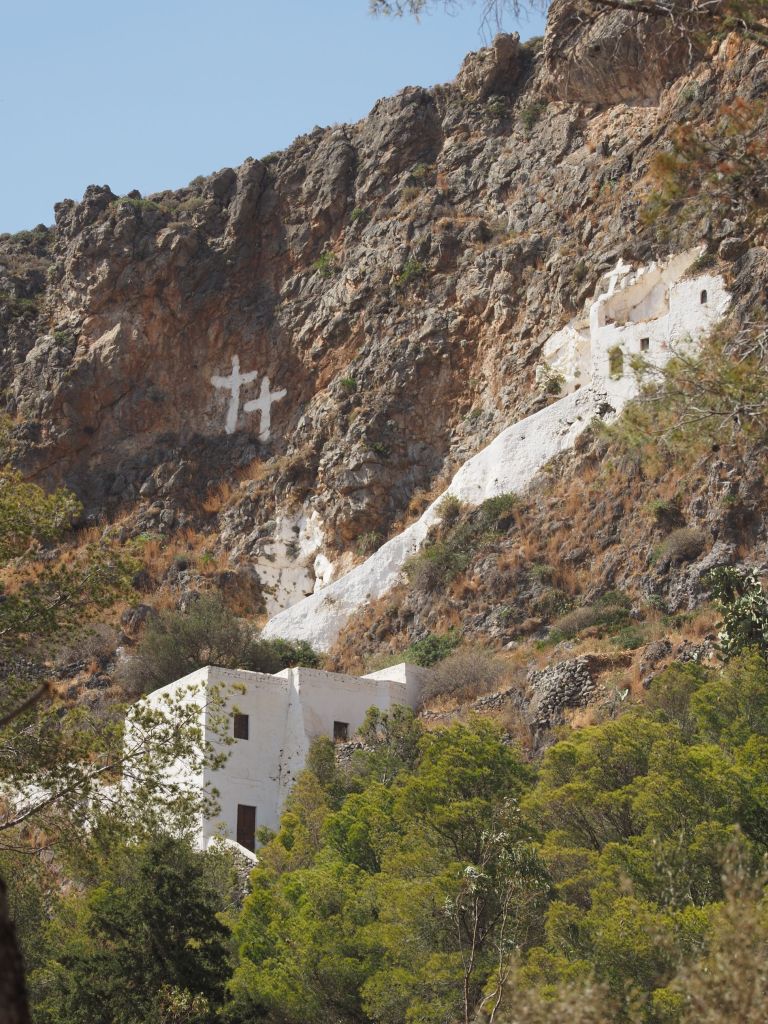
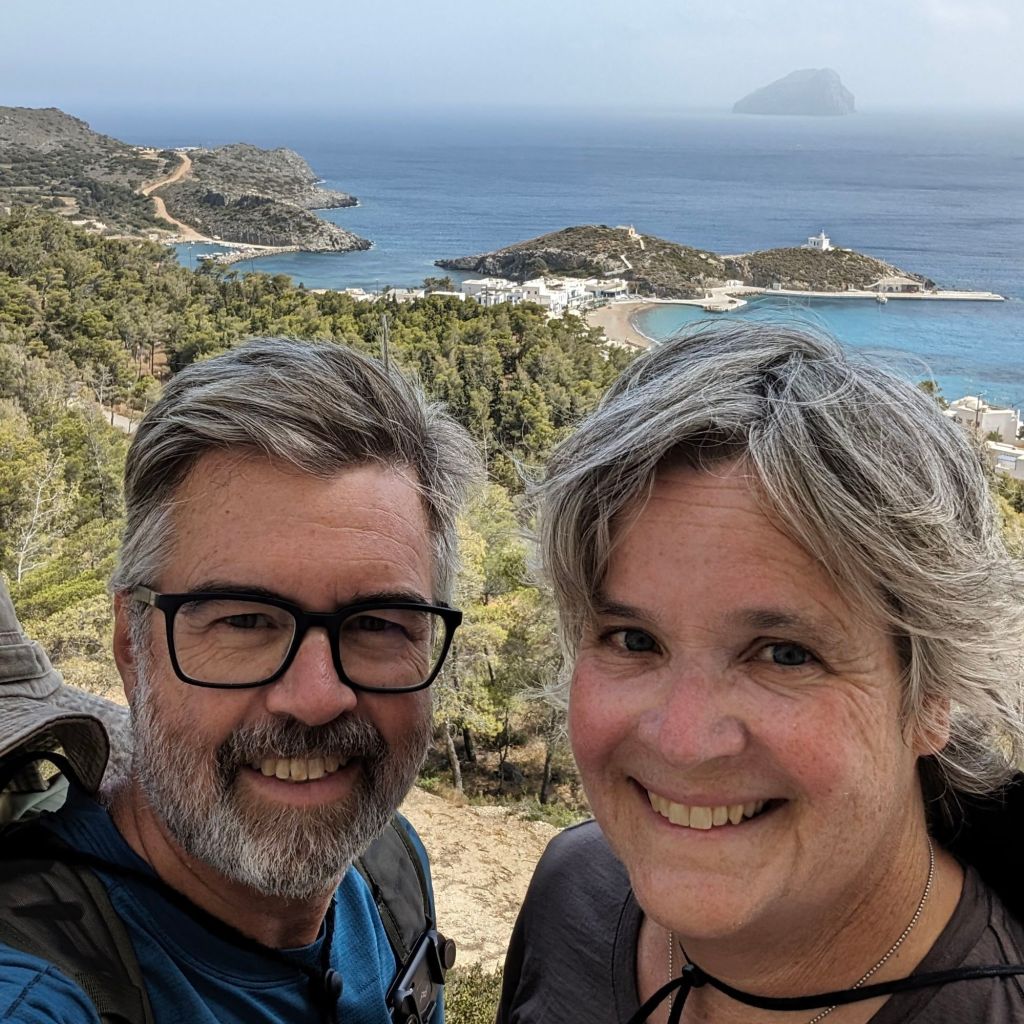
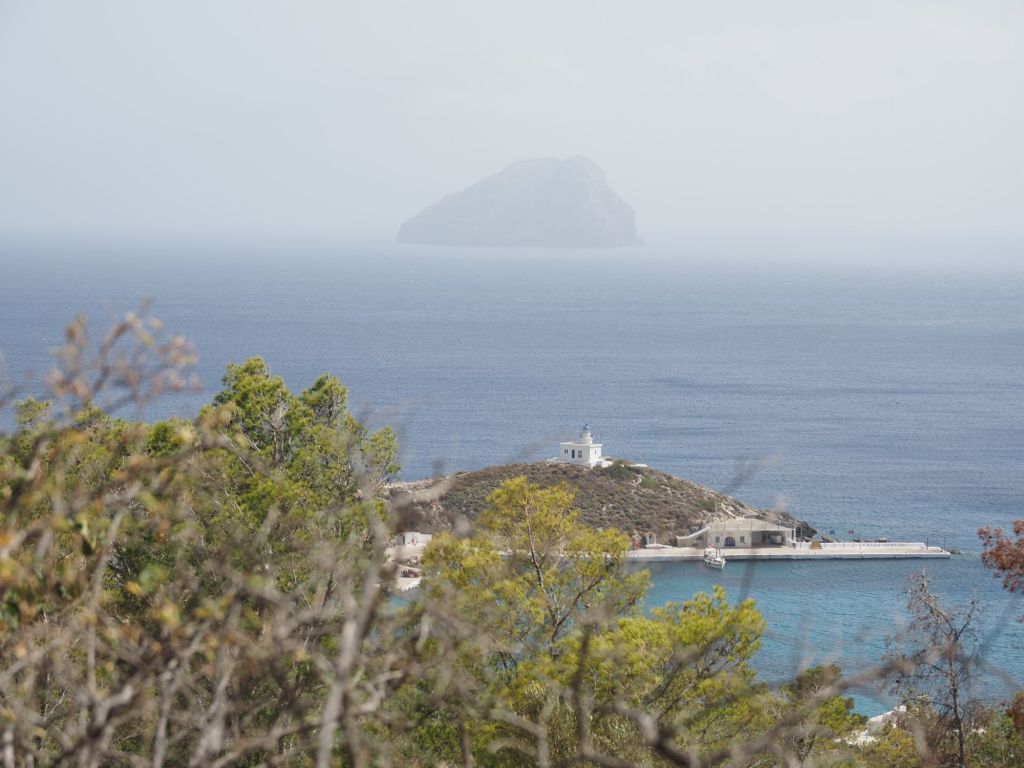
After the hike, we had a quick swim – quick because the wind was starting to pick up and sand was blowing everywhere, including our eyes.
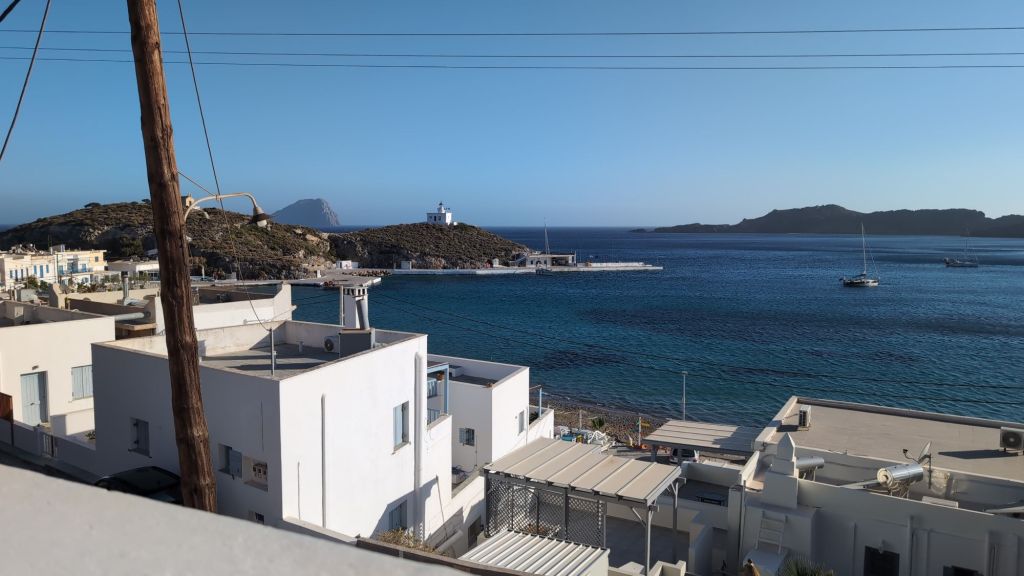
That night, the wind really picked up. Not only did it wake us up a few times, but it cleared the dust out. When we got up the following day, the skies, and the seas, were blue again.
We had ferry tickets for the afternoon sailing to Areopoli, but we still had time to retake some photos and explore a bit more of the island by car.
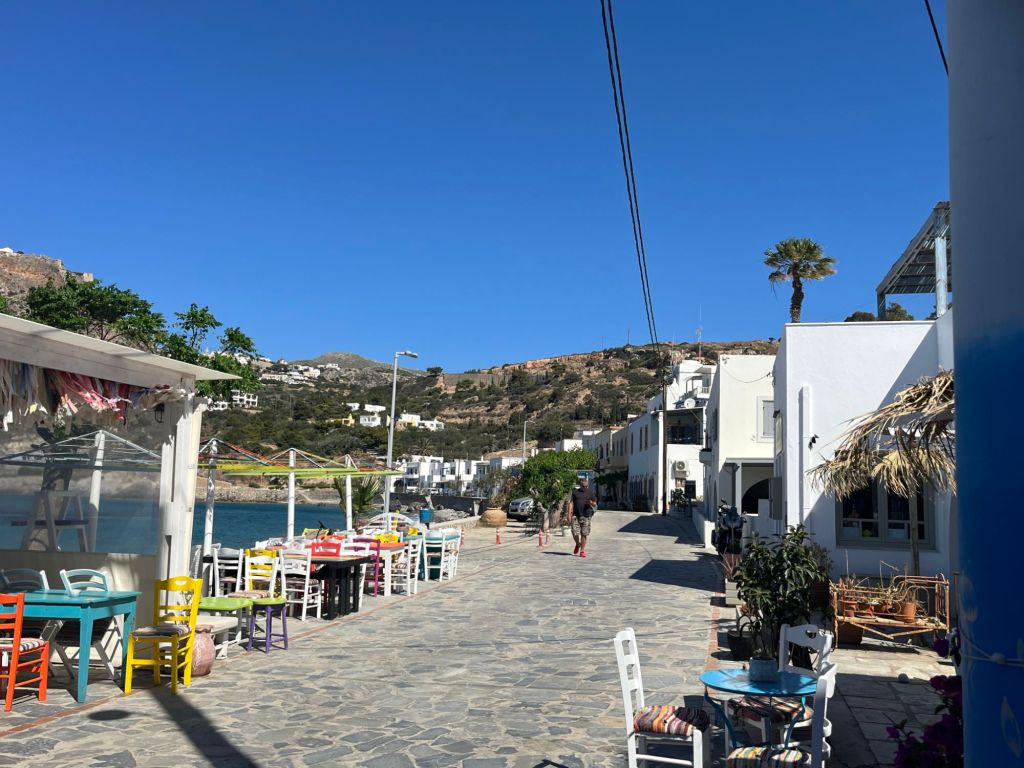
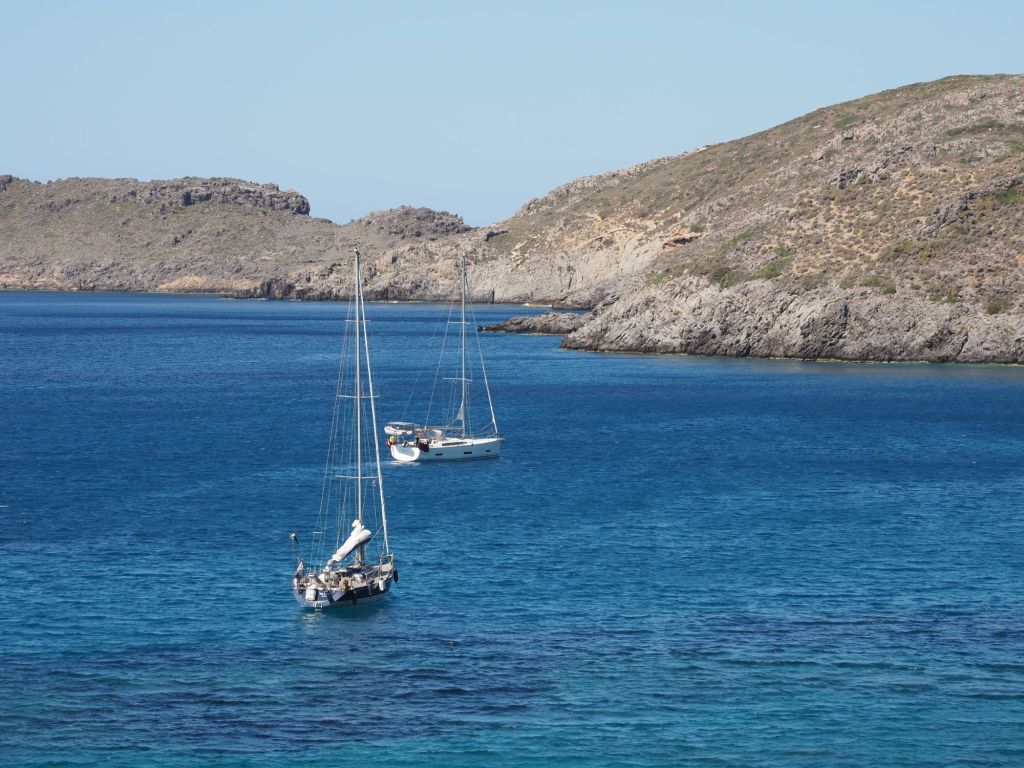
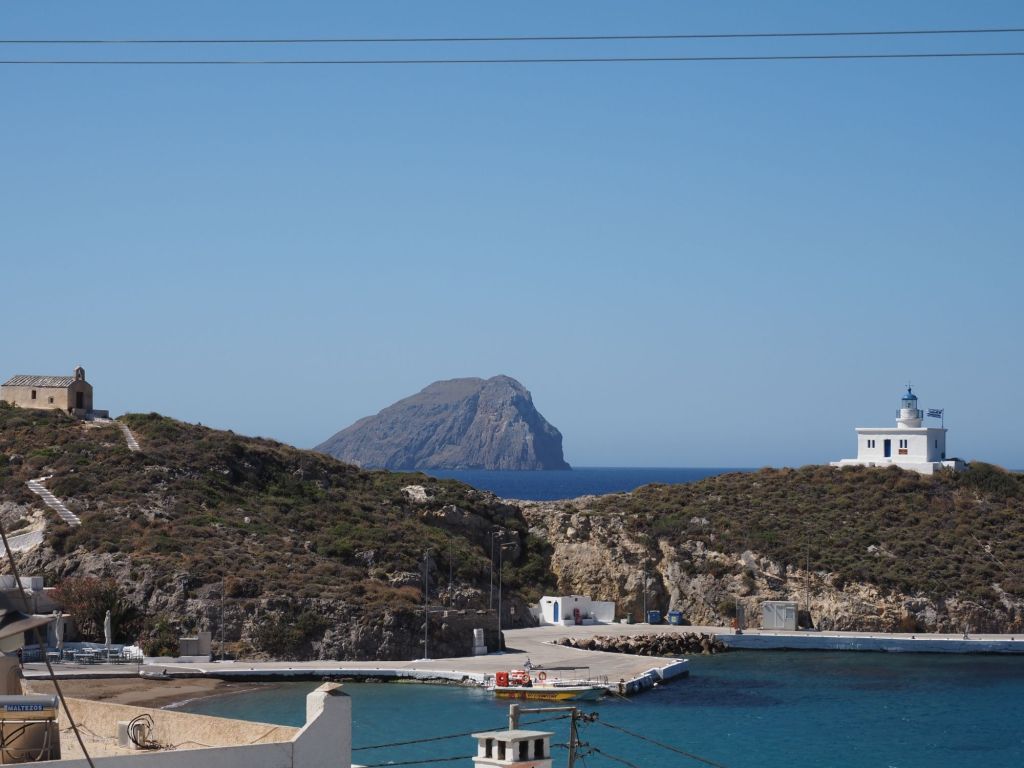
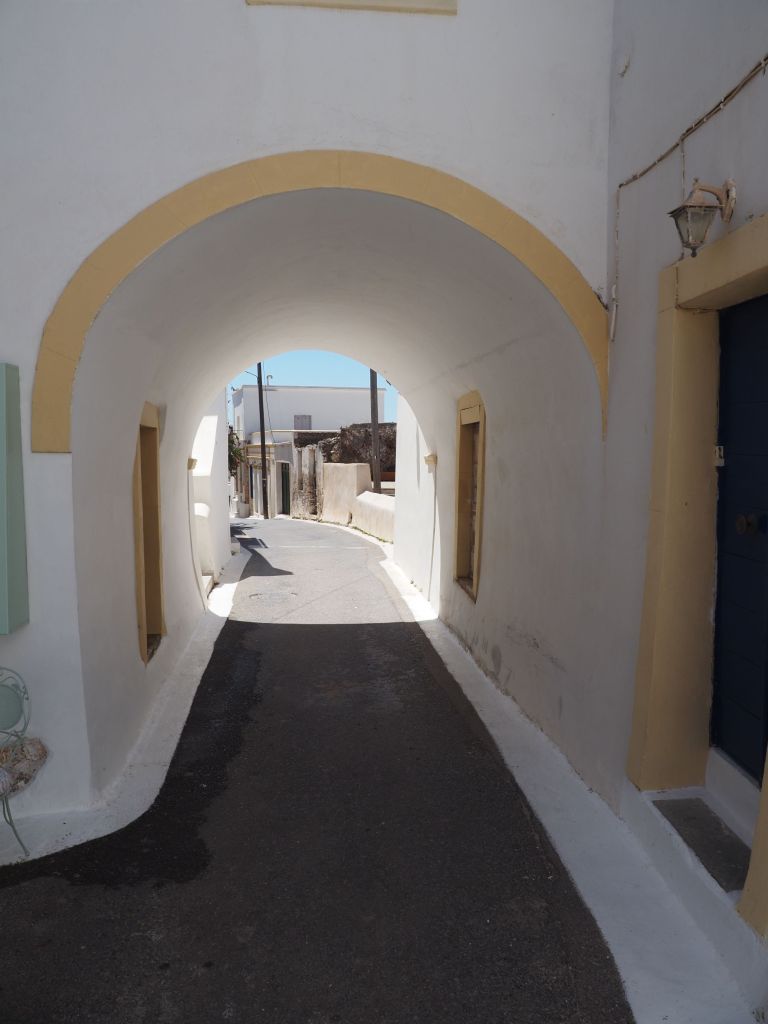
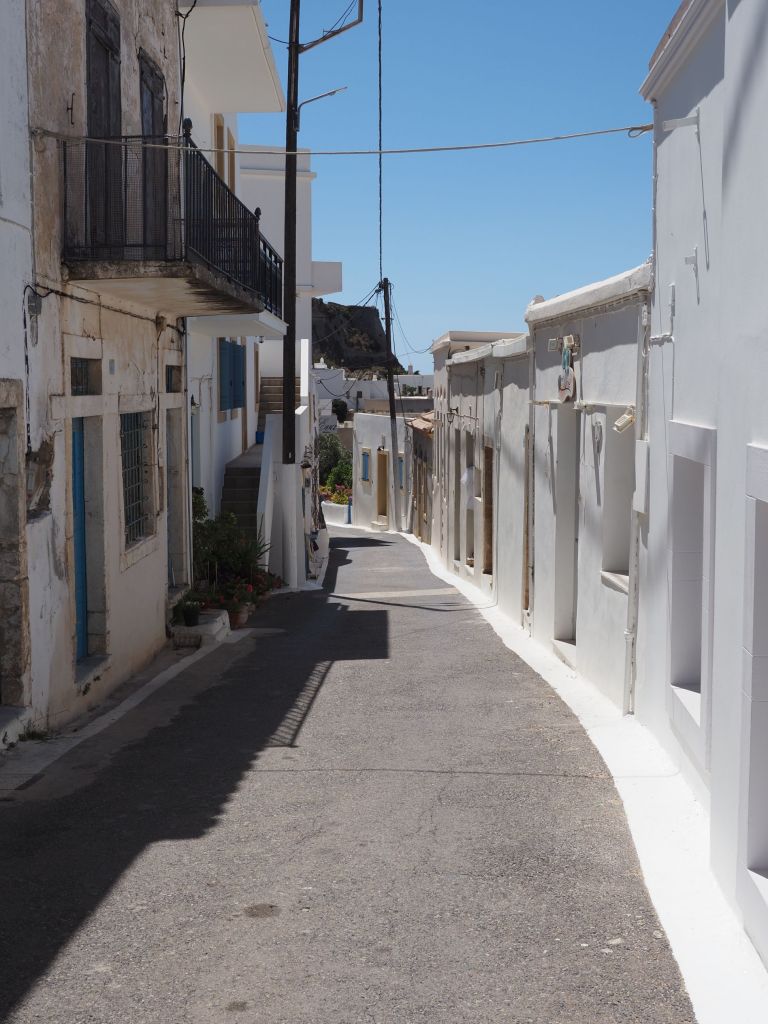
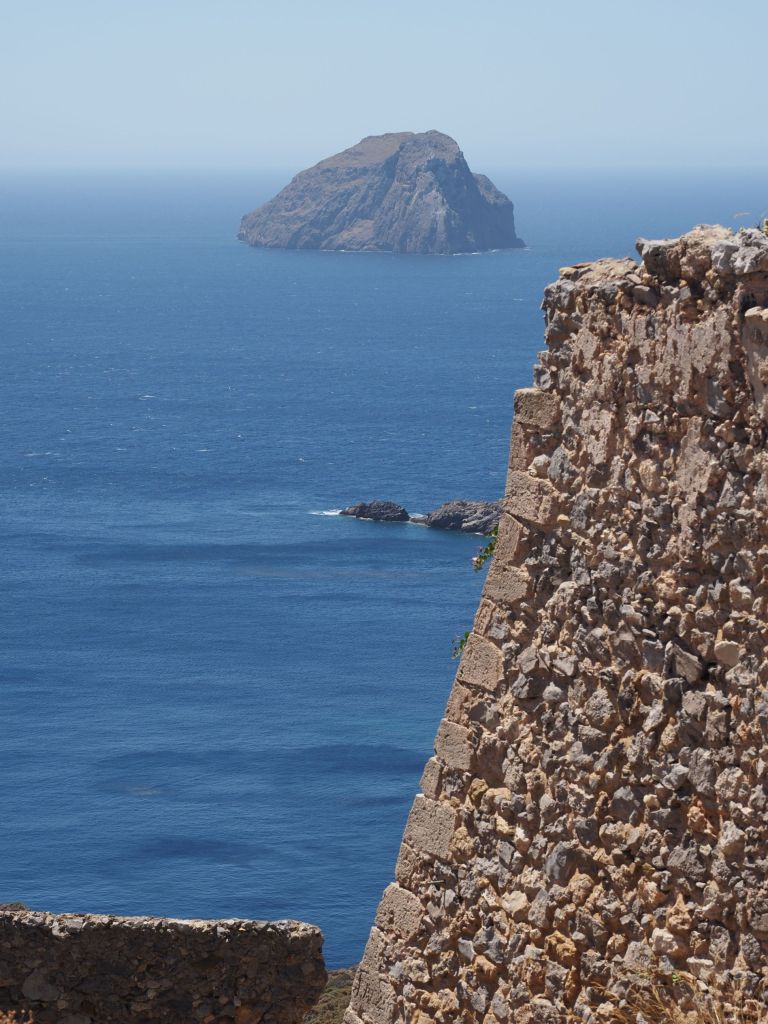
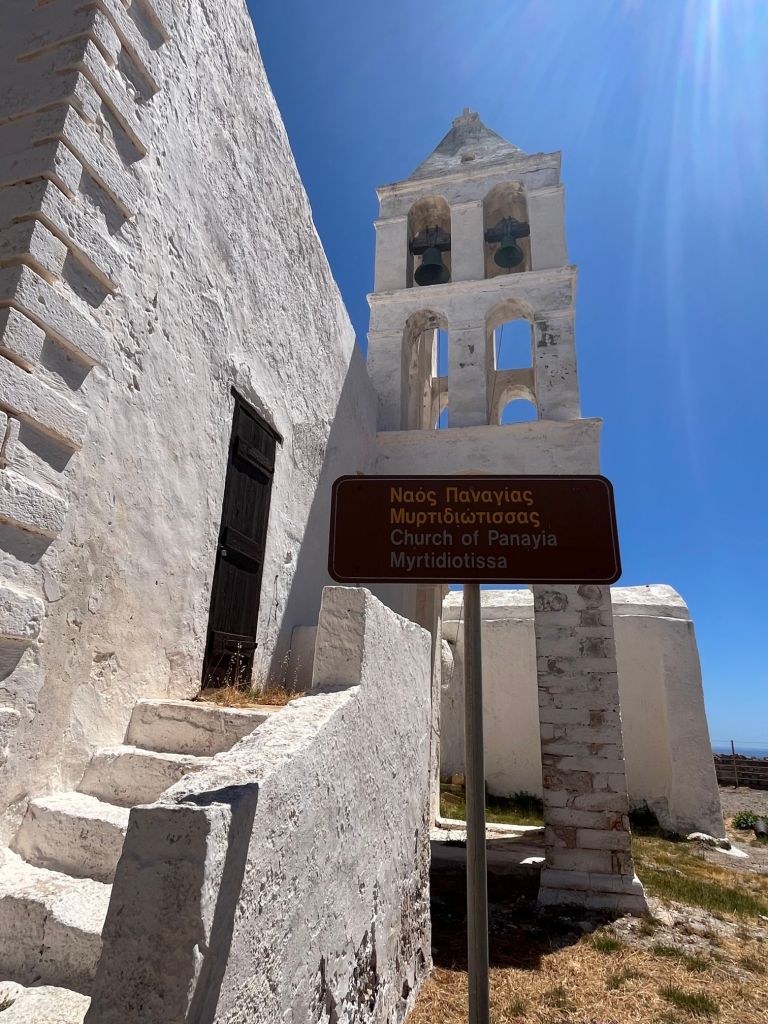
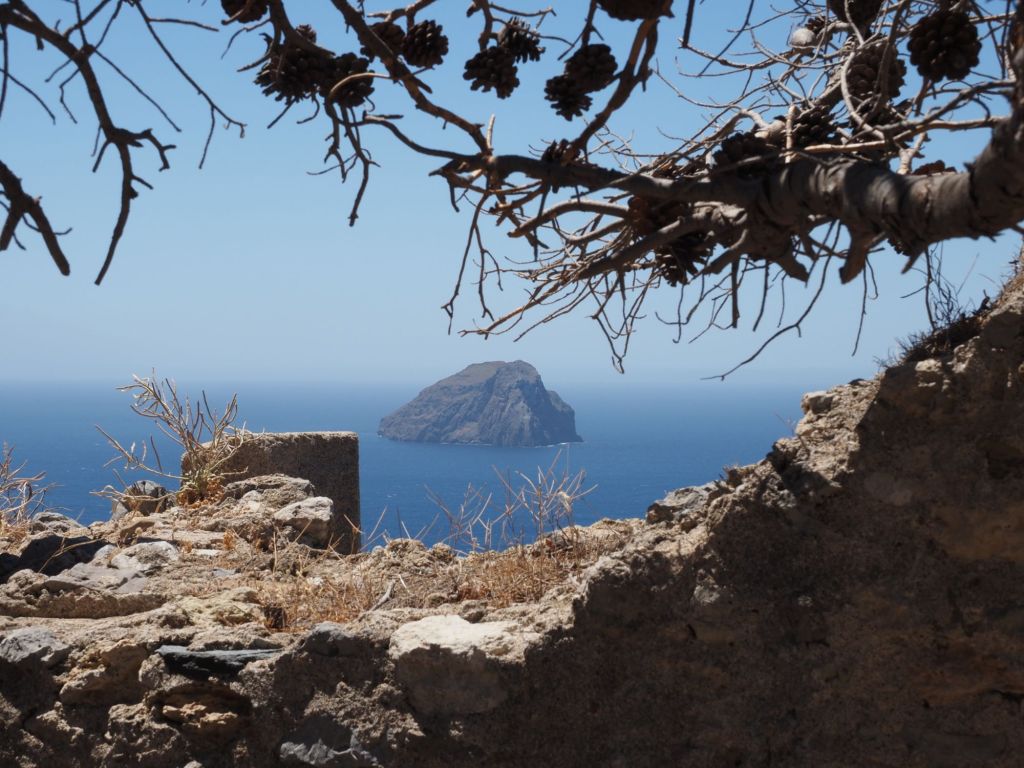
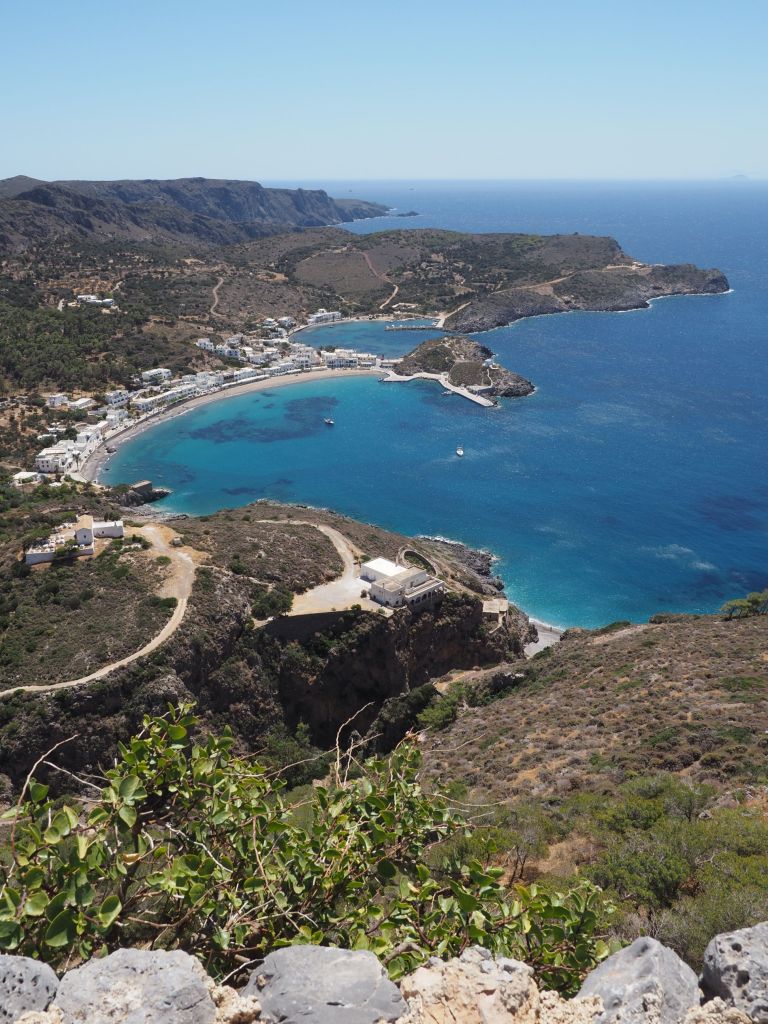
Wow, what a difference!
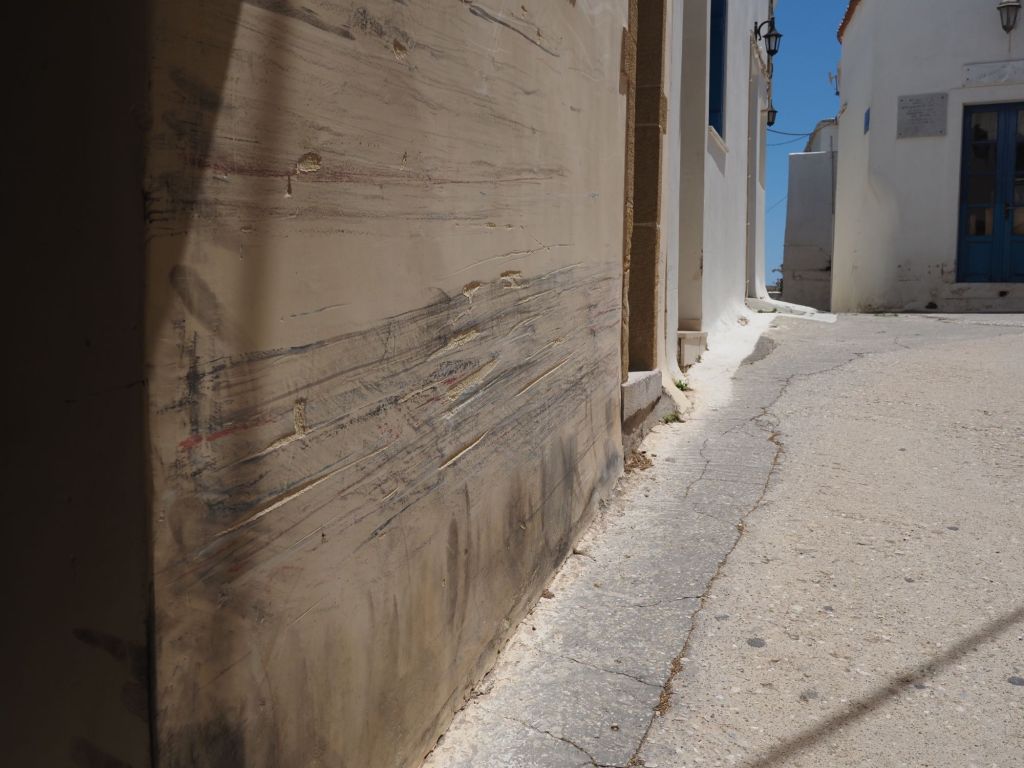
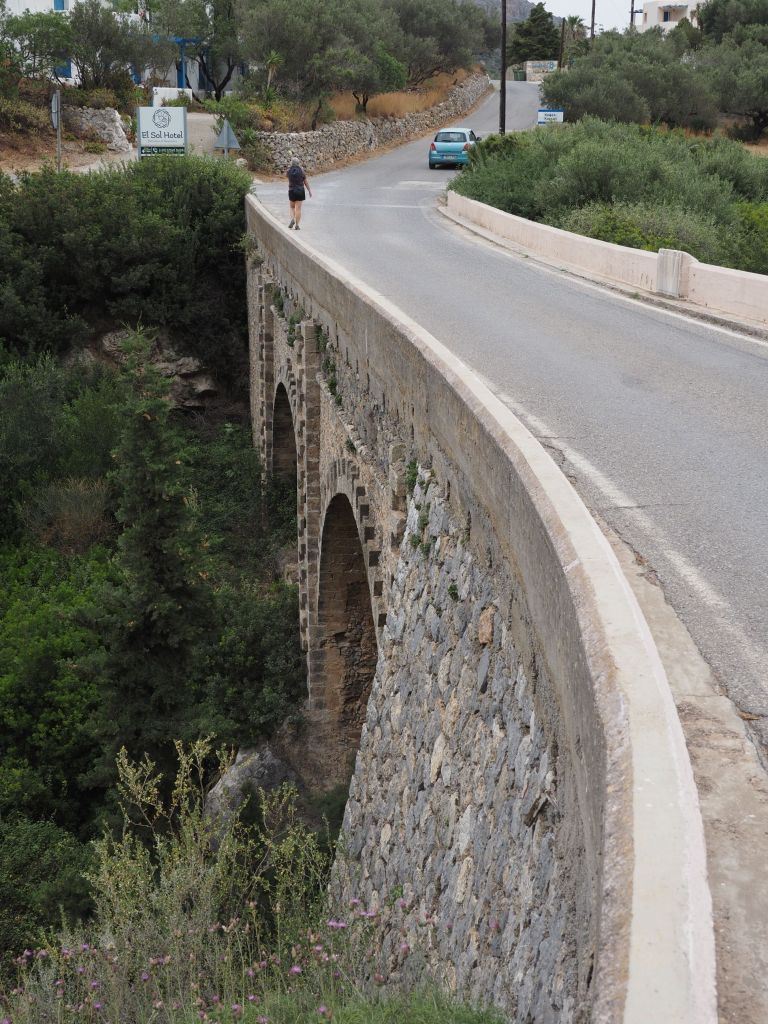
We stopped at this ancient bridge on our way to check out the north part of the island.
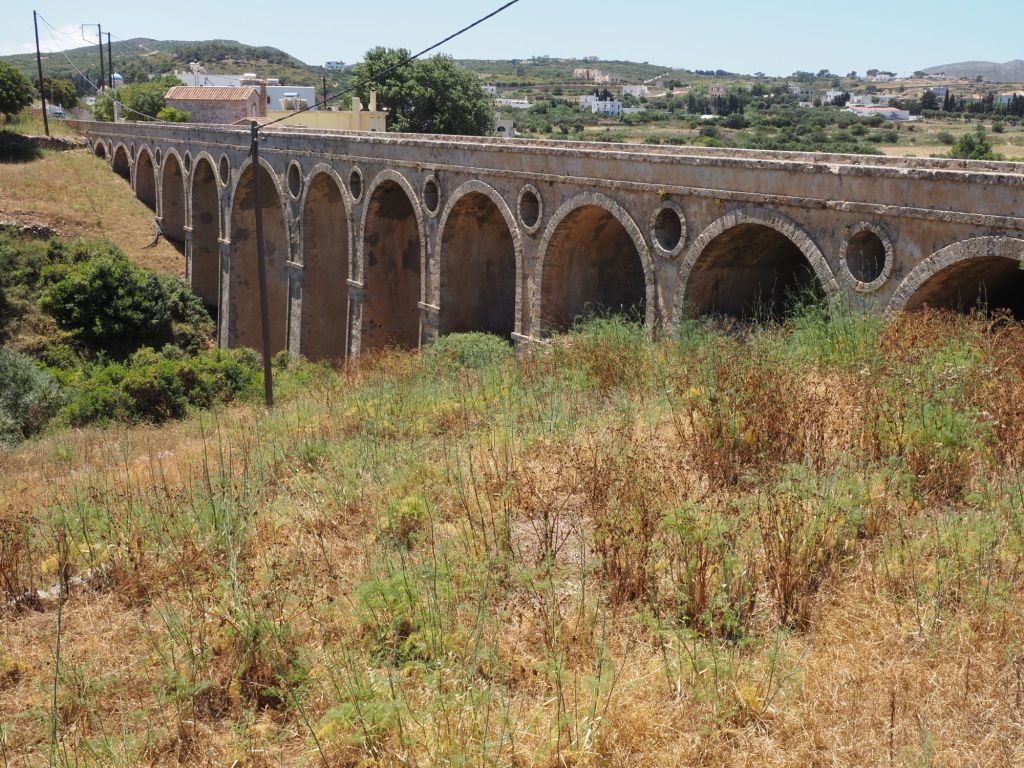

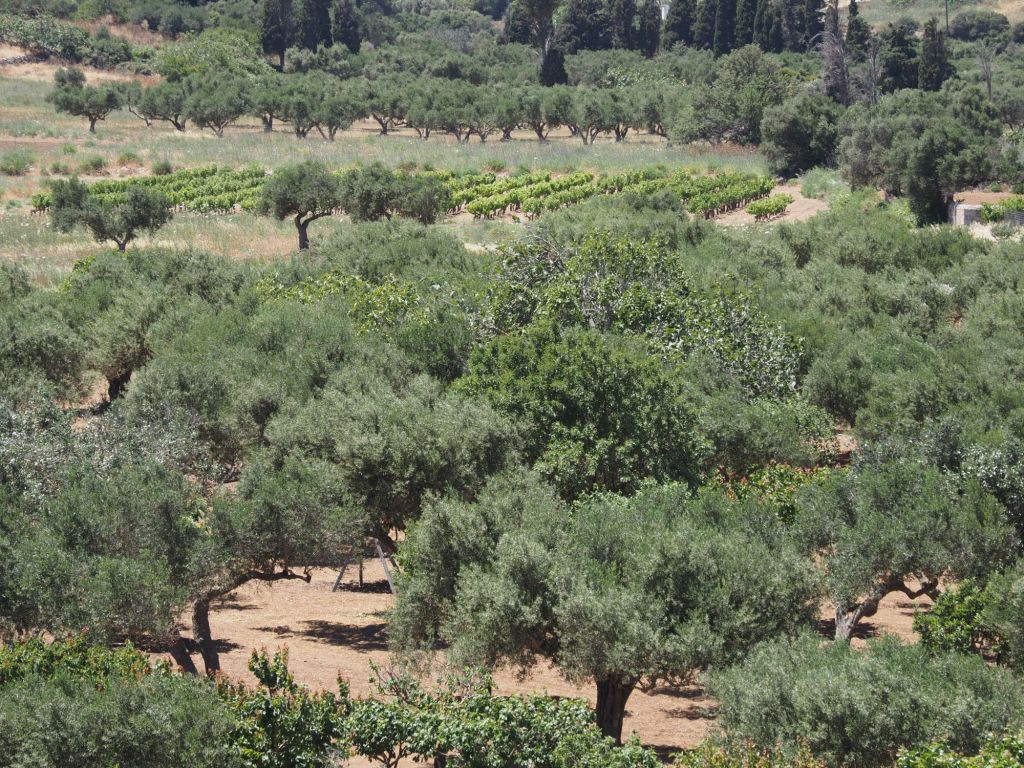
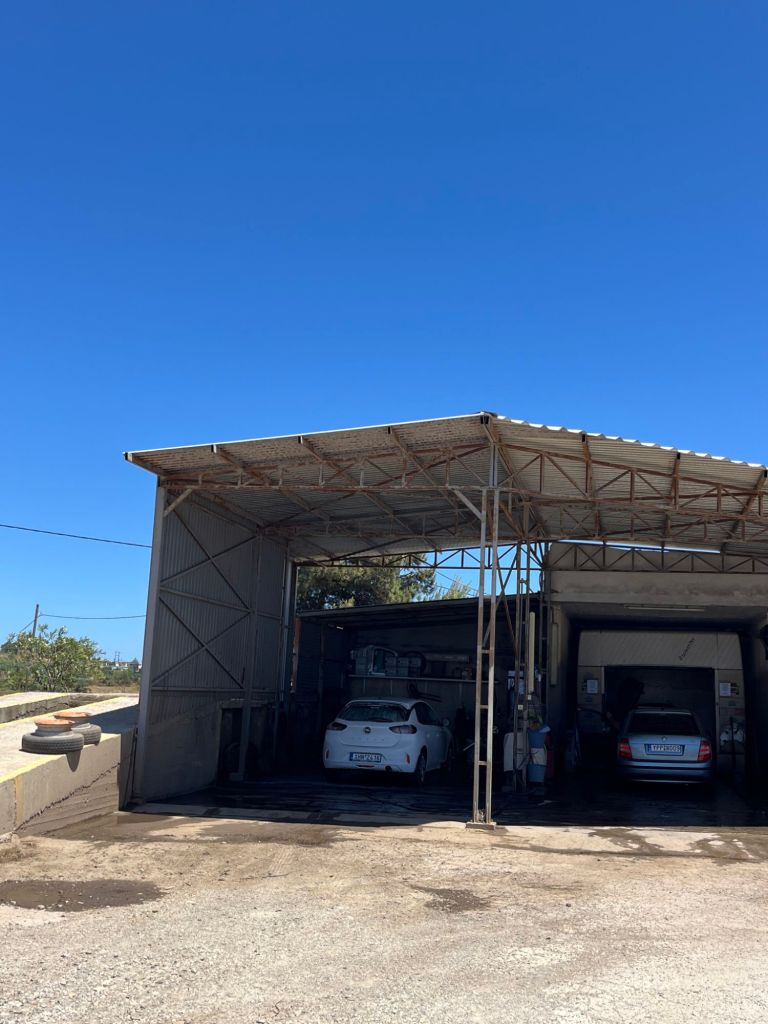
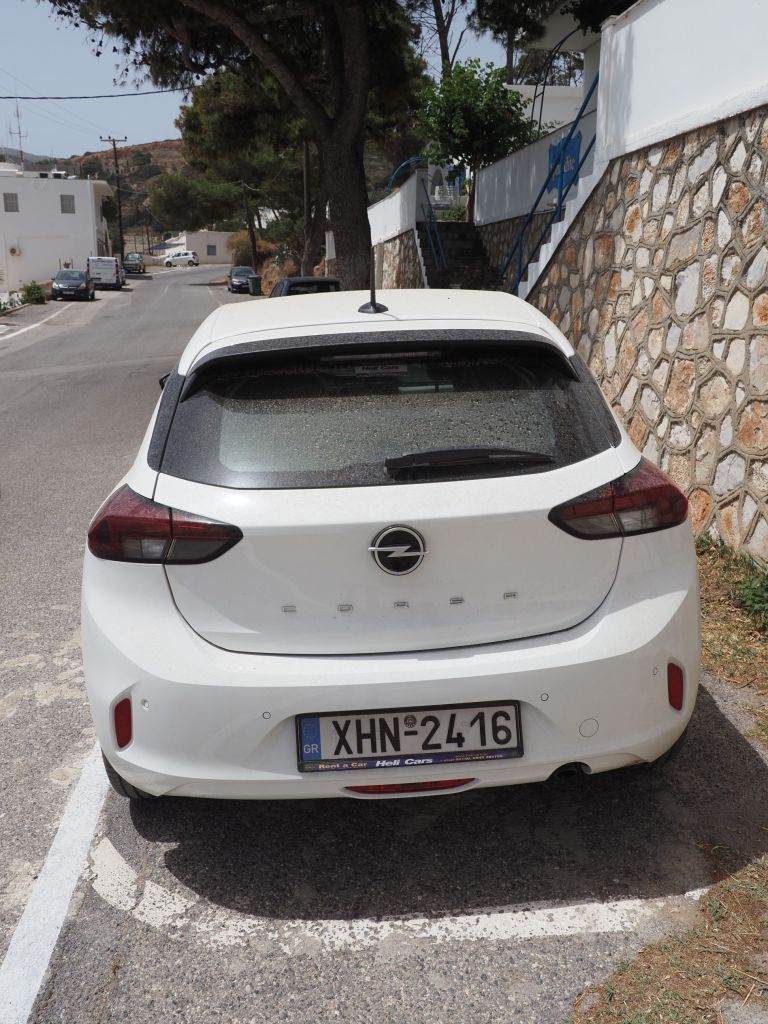
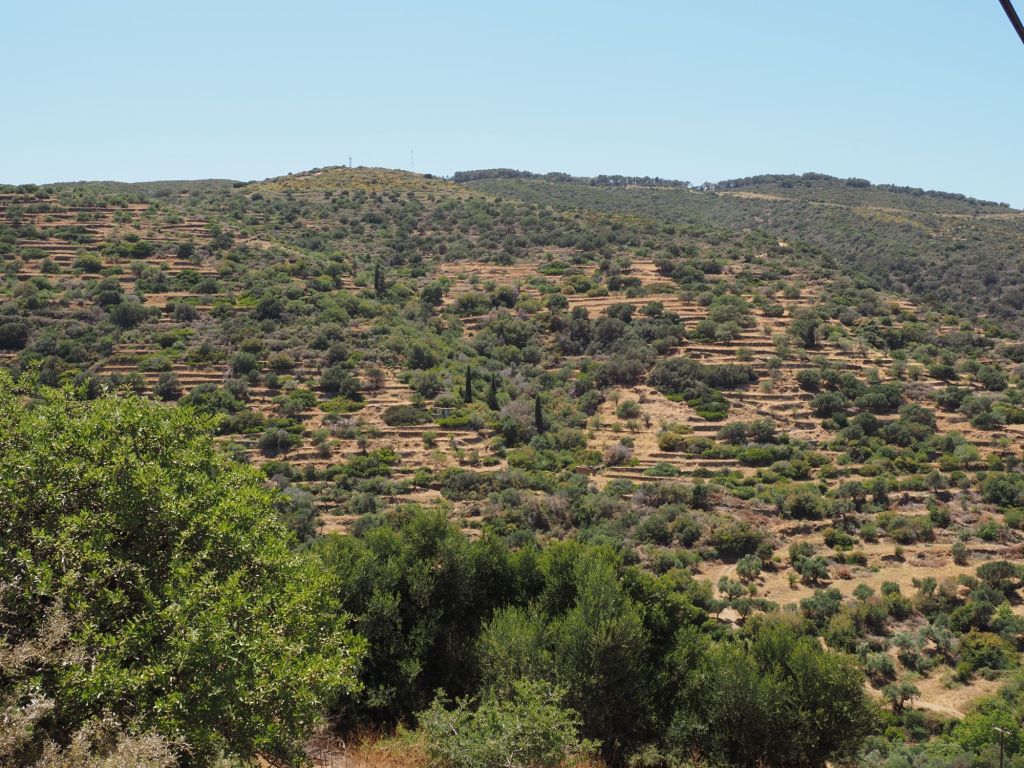
It’s a pity we didn’t have more time to explore the north part of Kythira – it’s more green and lush than the south, and there are huge areas that have been terraced to create farmland. The manpower and time it took to achieve this is mind boggling.
Back to the ferry – we are on our way to the Mani peninsula.
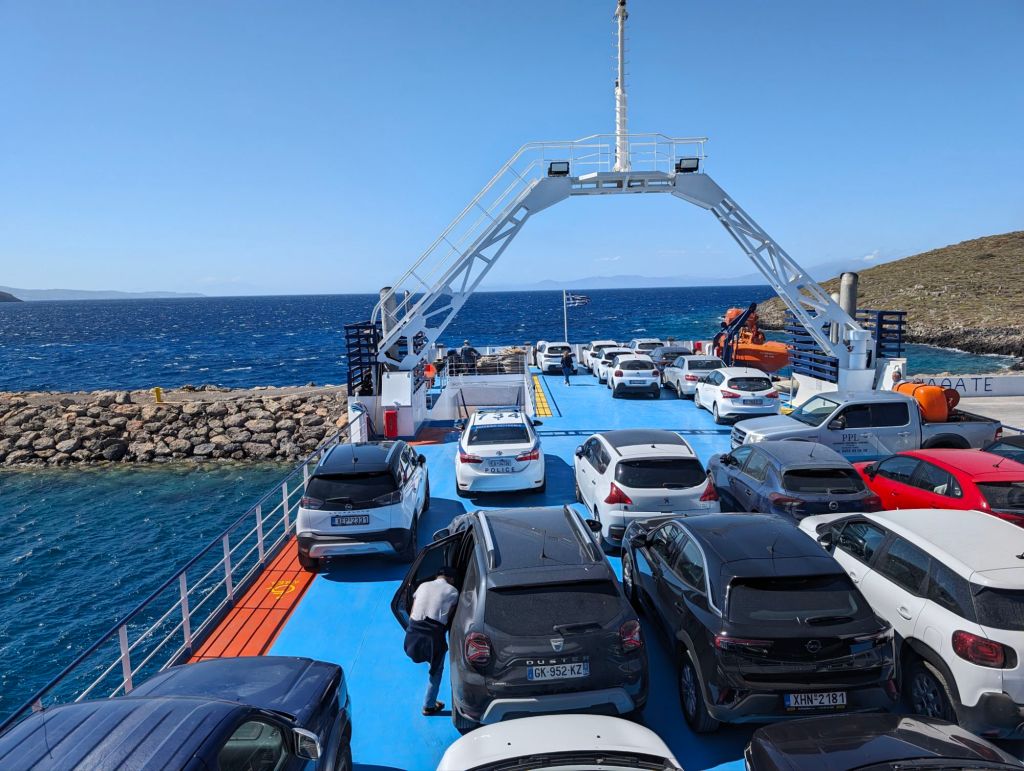
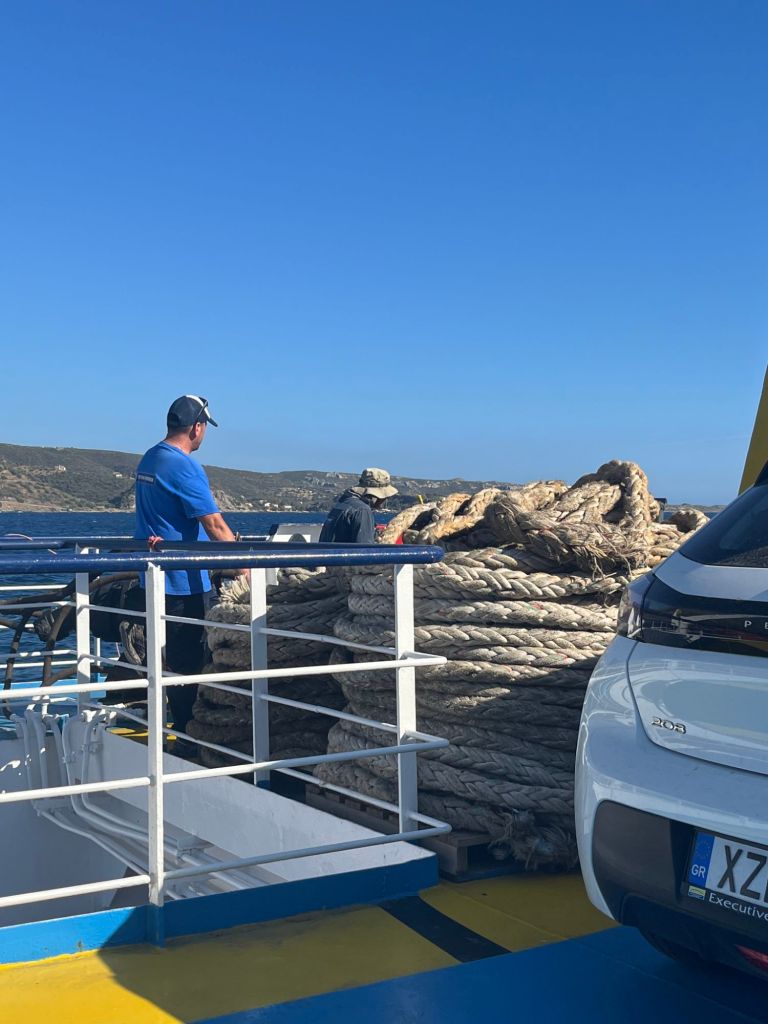
Everybody we had spoken with raved about Mani – we were excited.


 Two Sore Backs
Leave a reply to Pat McGuire Cancel reply